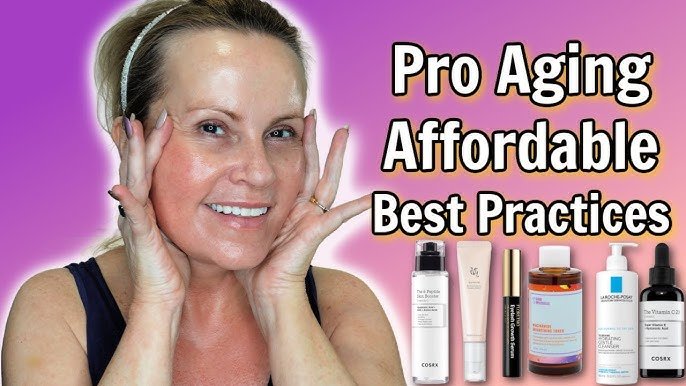
Imagine waking up every morning with skin that feels as youthful and vibrant as you do inside. You glance in the mirror and see a reflection that matches your inner energy, radiating confidence and vitality.
If this sounds like a dream, you’re not alone. The quest for timeless skin is something many of us desire, and achieving it might be simpler than you think. With the right anti-aging skincare routine, you can nurture your skin to maintain its youthful glow for years to come.
But where do you start? In this guide, you’ll discover essential tips and tricks to build a skincare routine that not only fights the signs of aging but also rejuvenates your skin, making you look and feel like the best version of yourself. Let’s dive into the secrets that can transform your skincare game and leave you loving the skin you’re in.

Credit: www.youtube.com
Key Ingredients For Anti Aging
Choosing the right ingredients is essential for an effective anti aging skincare routine. These ingredients help reduce wrinkles, improve skin texture, and boost firmness. They work by supporting skin renewal and protecting against damage.
Retinoids And Their Benefits
Retinoids are vitamin A derivatives that speed up cell turnover. They smooth fine lines and reduce wrinkles by stimulating collagen production. Retinoids also help fade dark spots and improve skin tone. Regular use results in firmer, younger-looking skin.
Antioxidants To Fight Free Radicals
Antioxidants protect skin from damage caused by free radicals. Free radicals come from sun exposure and pollution. Common antioxidants include vitamin C, vitamin E, and green tea extract. These ingredients brighten skin and reduce signs of aging.
Hydrating Ingredients For Skin Elasticity
Hydration keeps skin plump and elastic. Ingredients like hyaluronic acid and glycerin attract moisture to the skin. Well-hydrated skin looks smooth and healthy. Hydrating ingredients also support the skin’s barrier function, preventing dryness and irritation.

Credit: www.reddit.com
Daily Cleansing And Exfoliation
Cleansing and exfoliation form the foundation of any effective anti-aging skincare routine. They help remove dirt, oil, and dead skin cells, allowing your skin to breathe and absorb other products better. Getting these steps right can make a noticeable difference in your skin’s texture and glow.
Choosing The Right Cleanser
Not all cleansers suit every skin type, especially as your skin changes with age. Look for gentle, hydrating formulas that don’t strip away natural oils. Cream-based or oil-based cleansers work well for dry or mature skin because they clean without causing tightness.
If you’ve noticed your skin feels irritated or flaky after washing, it might be time to switch to a milder cleanser. Have you ever tried a cleanser with added antioxidants? They can protect your skin while cleansing, giving an extra anti-aging boost.
Gentle Exfoliation Techniques
Exfoliation removes dead skin cells, promoting cell turnover and revealing fresher skin underneath. However, aggressive scrubbing can lead to micro-tears and inflammation, accelerating aging rather than preventing it.
- Use chemical exfoliants like AHAs (glycolic or lactic acid) or BHAs (salicylic acid) for a gentle, even exfoliation.
- Physical exfoliants should have fine, smooth particles to avoid damaging the skin.
- Always apply exfoliants with light pressure and rinse thoroughly with lukewarm water.
Have you noticed how your skin reacts differently to various exfoliants? Finding the right one can change your skin’s smoothness and brightness dramatically.
Frequency Of Exfoliation
Exfoliating too often can cause irritation and dryness, while exfoliating too little may slow down cell renewal. For most people, 2-3 times a week strikes a good balance.
If your skin is sensitive or dry, start with once a week and observe how your skin responds. On the other hand, oily or combination skin might tolerate more frequent exfoliation.
How often do you exfoliate, and have you adjusted your routine based on your skin’s needs? Paying attention to your skin’s signals is key to maintaining a youthful glow.
Moisturizing For Youthful Skin
Moisturizing plays a vital role in keeping skin youthful and glowing. It helps maintain hydration and protects the skin barrier. Proper moisture prevents dryness and reduces the appearance of fine lines. Consistent use of the right moisturizer supports skin elasticity and smoothness.
Selecting Effective Moisturizers
Choosing the right moisturizer depends on your skin type and concerns. Look for products with ingredients that nourish and hydrate deeply. Lightweight lotions suit oily skin, while creams work better for dry skin. Non-comedogenic formulas help avoid clogged pores. Ingredients like ceramides and antioxidants boost skin repair and defense.
Role Of Hyaluronic Acid
Hyaluronic acid attracts and holds moisture in the skin. It can hold up to 1000 times its weight in water. This makes skin plump and soft instantly. It also smooths fine lines by keeping skin hydrated. Hyaluronic acid suits all skin types and works well with other skincare ingredients.
Night Creams Vs Day Creams
Day creams protect skin from pollution and UV rays. They often contain SPF and antioxidants for defense. Night creams focus on repair and hydration while you sleep. They tend to be richer and include ingredients like retinol or peptides. Using both ensures your skin stays healthy around the clock.
Sun Protection Essentials
Sun protection is a key part of any anti-aging skincare routine. Harmful UV rays can cause wrinkles, sunspots, and skin damage. Protecting your skin from the sun slows down aging and keeps your skin healthy. Using the right sunscreen daily is essential, even on cloudy days or indoors near windows.
Importance Of Spf In Anti Aging
SPF, or Sun Protection Factor, measures how well sunscreen blocks UVB rays. These rays cause sunburn and skin damage. Sunscreens with at least SPF 30 protect against 97% of UVB rays. Using sunscreen helps prevent wrinkles, dark spots, and skin cancer. It also keeps your skin smooth and youthful.
Types Of Sunscreens
Two main types of sunscreens protect your skin:
- Chemical Sunscreens:Absorb UV rays and turn them into heat. They are lightweight and easy to apply.
- Physical Sunscreens:Contain minerals like zinc oxide or titanium dioxide. They reflect UV rays from the skin.
Both types can be effective. Choose one that suits your skin type and feels comfortable.
Applying Sunscreen Correctly
Apply sunscreen 15 minutes before going outside. Use enough to cover all exposed skin. A good rule is one teaspoon for the face and neck. Reapply every two hours or after swimming or sweating. Don’t forget spots like ears, hands, and the back of the neck.
Targeted Treatments And Serums
Targeted treatments and serums play a vital role in an anti-aging skincare routine. These products deliver powerful ingredients directly to the skin. They address specific concerns like wrinkles, dullness, and loss of firmness. Using them consistently can improve skin texture and brightness. They also boost the effects of your basic skincare steps.
Using Vitamin C Serums
Vitamin C serums brighten the skin and reduce dark spots. They protect skin from damage caused by sunlight and pollution. These serums stimulate collagen production, which firms the skin. Apply Vitamin C serum in the morning for best results. It works well under sunscreen to enhance protection.
Peptides For Skin Repair
Peptides are small proteins that help skin heal and stay strong. They signal skin cells to produce more collagen and elastin. This reduces fine lines and wrinkles over time. Peptide serums should be used after cleansing and before moisturizing. They improve skin’s texture and make it look plumper.
Incorporating Growth Factors
Growth factors are natural proteins that support skin renewal. They help repair damaged skin and boost cell turnover. Using serums with growth factors can speed up healing and reduce signs of aging. Apply these treatments in the evening for better absorption. They work well combined with peptides and antioxidants.
Lifestyle Habits For Glowing Skin
Your skin reflects more than just the products you apply. It shows how you treat your body every day. Adopting certain lifestyle habits can make a remarkable difference in achieving glowing, youthful skin.
Balanced Diet And Hydration
What you eat directly feeds your skin cells. A diet rich in fruits, vegetables, and healthy fats supports collagen production and fights inflammation.
Drink plenty of water throughout the day. Hydration helps maintain skin elasticity and flushes out toxins that can dull your complexion.
- Include antioxidants like berries and leafy greens.
- Add omega-3 fatty acids from sources like salmon or walnuts.
- Limit processed sugars and fried foods that accelerate aging.
Sleep And Stress Management
Have you noticed how tired skin looks after a restless night? Sleep is when your skin repairs itself.
Aim for 7-9 hours of quality sleep to boost cell renewal and reduce dark circles and puffiness.
Stress releases hormones that break down collagen. Simple practices like meditation, deep breathing, or even a short walk can lower stress levels and protect your skin.
Avoiding Harmful Habits
Smoking and excessive alcohol intake can accelerate skin aging and cause dullness.
Smoking reduces blood flow, depriving your skin of oxygen and nutrients. Alcohol dehydrates your skin, leading to dryness and wrinkles.
Try to limit these habits and notice the positive changes in your skin’s texture and glow.
What small change can you make today to treat your skin better?
Adjusting Routine By Skin Type
Adjusting your anti-aging skincare routine according to your skin type is crucial for seeing real results. Your skin’s needs vary widely depending on whether it’s dry, oily, or sensitive. Using the wrong products can cause irritation or reduce effectiveness, so knowing what suits your skin makes a big difference.
For Dry Skin
If your skin feels tight or flaky, you need to focus on hydration. Choose a gentle cleanser that doesn’t strip natural oils and follow up with a rich moisturizer containing ingredients like hyaluronic acid or ceramides.
Adding an oil-based serum or facial oil can help lock in moisture and improve skin elasticity. Have you noticed your skin looking dull? Exfoliate gently once or twice a week to remove dead skin cells but avoid harsh scrubs that can worsen dryness.
For Oily Skin
Oily skin requires balancing excess oil while keeping your skin hydrated. Use a foaming or gel cleanser that cleans deeply without over-drying your skin.
Look for lightweight, non-comedogenic moisturizers and serums with ingredients like niacinamide or salicylic acid to control shine and reduce pores. Ever tried skipping moisturizer because your skin is oily? That often backfires, causing more oil production. So, stick to light formulas instead.
For Sensitive Skin
Sensitive skin needs extra care to avoid irritation and redness. Opt for fragrance-free, hypoallergenic products that soothe rather than aggravate.
Ingredients like aloe vera, chamomile, and oat extract can calm the skin. Patch test new products before full use, and minimize exfoliation to avoid triggering inflammation. Have you experienced a reaction to a product that seemed mild? That’s a sign to adjust your routine carefully.

Credit: www.youtube.com
Frequently Asked Questions
What Is The Best Anti Aging Skincare Routine?
The best anti aging routine includes cleansing, moisturizing, and sun protection daily. Use serums with retinol or vitamin C for extra benefits. Regular exfoliation and hydration improve skin texture and reduce wrinkles. Consistency and gentle products are key for effective results.
How Often Should I Apply Anti Aging Products?
Apply anti aging products twice daily, morning and night. Morning use should include sunscreen to protect against UV damage. Nighttime application allows active ingredients like retinol to work effectively. Follow product instructions and avoid overuse to prevent irritation.
Can Natural Ingredients Help In Anti Aging Skincare?
Yes, natural ingredients like green tea, aloe vera, and vitamin E help fight aging. They provide antioxidants and hydration that reduce fine lines. Using natural products can be gentle and effective for sensitive skin. Always patch test to avoid allergic reactions.
When Should I Start An Anti Aging Skincare Routine?
Start an anti aging routine in your mid-20s to prevent early signs of aging. Early care helps maintain skin elasticity and slows wrinkle formation. Incorporate sun protection and antioxidants to protect skin long-term. Consistent habits yield the best results.
Conclusion
A good anti-aging skincare routine helps keep skin healthy and fresh. Use gentle cleansers and moisturizers daily. Protect your skin from the sun every day. Healthy habits like drinking water and eating well support your skin. Small, consistent steps make a big difference over time.
Aging is natural, but care can slow its signs. Enjoy the process and feel confident in your skin. Start today for a brighter, smoother tomorrow.
