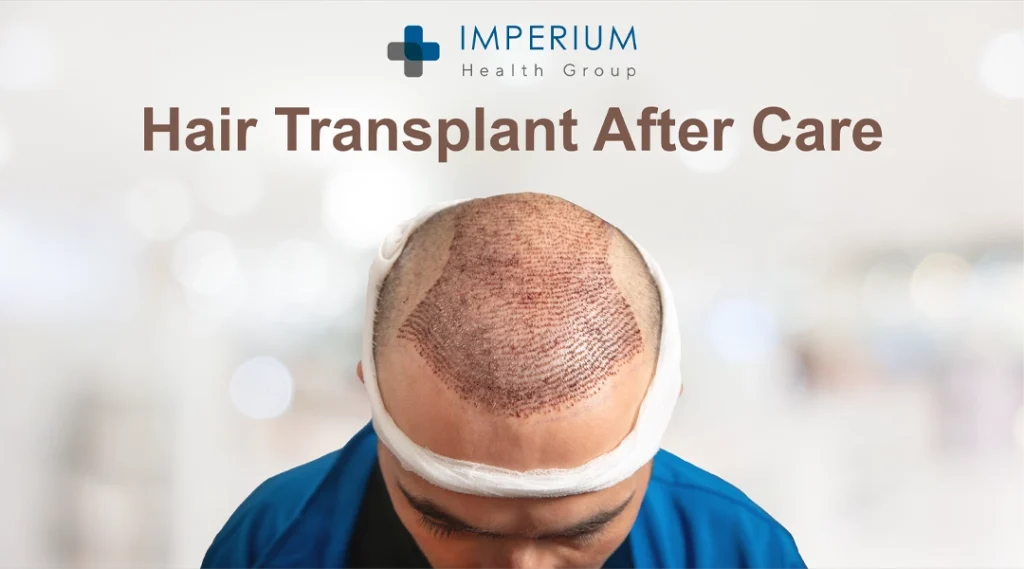
You’ve taken an important step by getting a hair transplant. Now, the real work begins—taking care of your new hair to ensure the best results.
How you treat your scalp and follow aftercare instructions can make all the difference between success and disappointment. Wondering what you should do, what to avoid, and how to speed up healing? This guide will walk you through everything you need to know to protect your investment and enjoy a fuller, healthier head of hair.
Keep reading to discover simple, effective tips that will help your hair transplant heal quickly and look natural.
Initial Care After Surgery
Right after your hair transplant surgery, the way you care for your scalp can make a huge difference in how well and quickly you heal. The initial care phase sets the stage for successful hair growth and minimizes complications. Paying close attention to your body’s signals and following practical care steps will help you protect your investment and feel more comfortable during recovery.
Managing Pain And Discomfort
It’s normal to experience some pain or tenderness after the procedure. Your doctor may recommend over-the-counter pain relievers like ibuprofen or prescribe something stronger if needed. Never skip these medications if you feel discomfort; pain control helps you rest better, which speeds healing.
Applying a cold compress gently around the treated area (not directly on the grafts) can reduce swelling and numb the pain. Avoid touching or scratching the scalp even if it itches—that can irritate the grafts and increase discomfort. How do you usually handle pain in other situations? Think of this as a delicate healing phase where gentle care matters most.
Proper Cleaning Techniques
Keeping your scalp clean without damaging the new grafts is critical. Your surgeon will likely provide a mild shampoo and instructions on how to wash your hair carefully. Usually, you’ll be advised to use lukewarm water and gently pat the scalp instead of rubbing.
Many patients find it helpful to use a cup or gentle spray to rinse the scalp rather than standing under a direct shower stream. Avoid using strong water pressure or hot water, as it can dislodge grafts. Have you tried soft cleaning methods like this before? It might feel different, but it protects the tiny grafts at this stage.
Avoiding Infection Risks
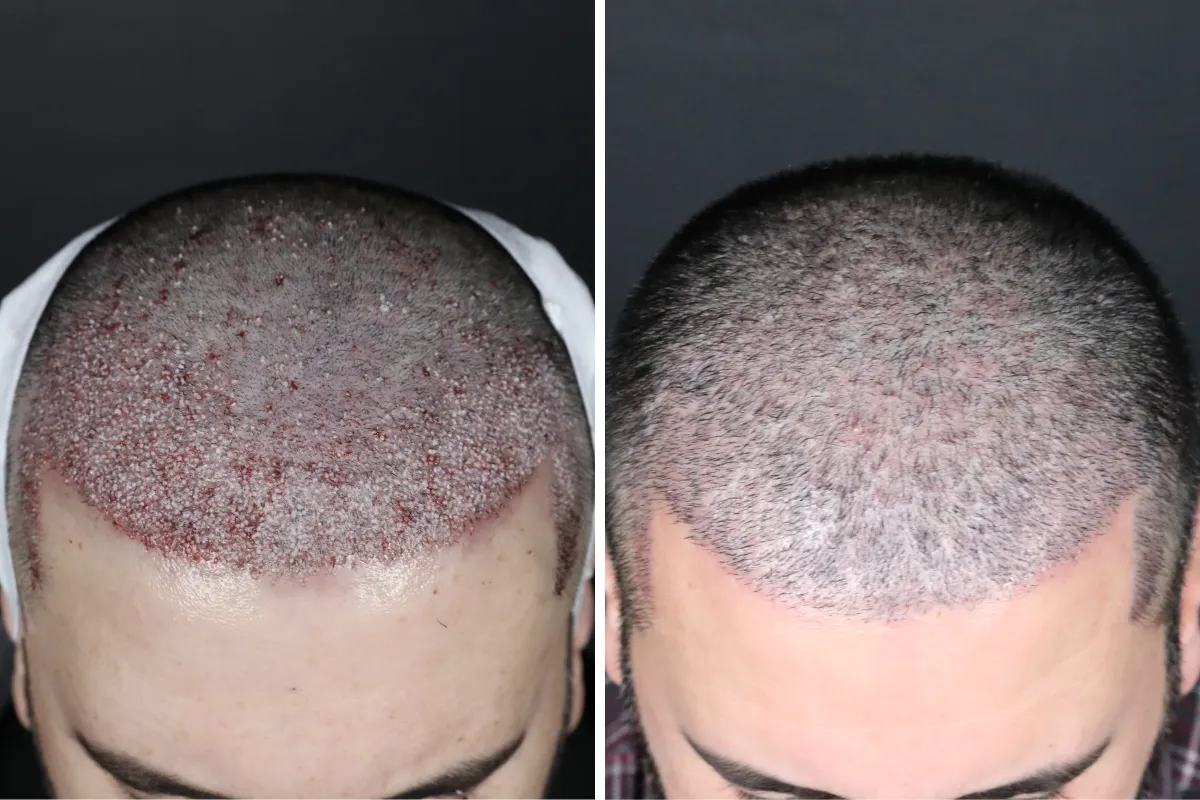
Preventing infection is vital during the first few days after surgery. Keep your hands away from the treated area unless you are cleaning it properly. Touching or picking at scabs can introduce bacteria and cause inflammation or infection.
Make sure to follow your surgeon’s advice on medications, including any antibiotics prescribed. Also, avoid swimming pools, saunas, and dusty environments until your scalp has healed. Do you have a clean, quiet space prepared for your recovery? A controlled environment reduces infection chances significantly.
Credit: haircenterofturkey.com
Protecting Transplanted Area
Protecting your transplanted area is crucial for the success of your hair transplant. This delicate zone needs extra care to heal properly and to ensure the new hair follicles take root effectively. Neglecting protection can lead to complications like infection, scarring, or poor hair growth.
Avoiding Direct Sunlight
Direct sunlight can harm your newly transplanted hair follicles. UV rays increase inflammation and dry out the scalp, which slows down healing. Try to stay indoors or in shaded areas, especially during peak sun hours between 10 a.m. and 4 p.m.
Think about how your skin feels after sunburn—now imagine that sensitivity on your scalp. Protecting your scalp from direct sunlight is not just about comfort; it affects the survival of your transplanted hair. Have you noticed how much better your skin heals when you avoid sun exposure?
Wearing Protective Headgear
Wearing a loose, breathable hat can shield your transplanted area from dirt, dust, and accidental scratches. Choose hats made from soft fabrics like cotton to avoid irritation. Make sure the headgear isn’t tight, as pressure can disturb the grafts.
Some patients find wearing a hat comforting, almost like a protective shield during the vulnerable healing phase. Would you consider a lightweight cap your new best friend for those first few weeks? This simple step can make a big difference in protecting your investment.
Limiting Physical Activities
Physical activities increase blood flow and sweating, which can negatively affect the transplanted area. Avoid heavy workouts, running, or any strenuous exercise for at least two weeks after your procedure. Sweating can cause itching and introduce bacteria, risking infection.
Slowing down might feel frustrating, but it gives your scalp the calm environment it needs to heal. Have you ever noticed how rest improves recovery after a minor injury? Treat your scalp the same way—gentle care leads to better results.
Diet And Hydration
Taking care of your diet and hydration after a hair transplant is more important than you might think. What you eat and drink directly affects how fast your scalp heals and how well your new hair grows. Paying attention to these details can make a noticeable difference in your recovery and results.
Foods That Promote Healing
Your body needs specific nutrients to repair tissues and support hair growth. Protein-rich foods like chicken, fish, and eggs supply the building blocks for new hair follicles. Don’t forget about vitamins—especially vitamin C and E—which help reduce inflammation and boost your immune system.
Leafy greens like spinach and kale are packed with iron and antioxidants, aiding blood flow to your scalp. Adding nuts and seeds to your meals gives you healthy fats that keep your scalp hydrated. Have you tried including foods like sweet potatoes or carrots? They provide beta-carotene, which your body converts into vitamin A, essential for cell growth.
Importance Of Staying Hydrated
Water is crucial for healing. It helps carry nutrients to your scalp and flush out toxins that can slow recovery. Staying hydrated keeps your skin elastic and prevents dryness or itching around the transplant site.
Try to drink at least 8 glasses of water a day. If plain water feels boring, herbal teas or infused water with lemon and cucumber can make hydration more enjoyable. Have you noticed how your skin feels better on days you drink more water? That same effect supports your scalp’s health.

Credit: www.fusehair.com
Medication And Follow-up
Proper medication and follow-up care are crucial after a hair transplant. They help you avoid complications and ensure your new hair grows strong and healthy. Ignoring these steps can slow down your recovery or even harm your results.
Using Prescribed Medications
Take every medication exactly as your doctor instructs. This often includes antibiotics to prevent infection and anti-inflammatory drugs to reduce swelling.
Some patients also receive medication to promote hair growth or soothe the scalp. Missing doses or stopping early can lead to poor healing or infection.
Think about how consistent you’ve been with other treatments in life. Could you improve your results by sticking closely to your medication schedule?
Scheduling Post-operative Visits
Your doctor will set up several follow-up appointments after the transplant. These visits allow them to monitor healing and address any concerns early on.
Don’t skip these check-ups, even if everything feels fine. Sometimes issues develop silently and only a professional can spot them.
What questions do you want to ask your doctor during these visits? Preparing ahead can make these appointments more effective.
Lifestyle Adjustments For Recovery
Adapting your daily habits supports hair transplant healing. Small changes in lifestyle help protect new hair follicles. These adjustments reduce risks and speed up recovery.
Following clear guidelines ensures better results and fewer complications. Staying mindful of your body’s needs aids the healing process.
Sleeping Positions To Avoid Pressure
Sleep with your head elevated for the first week. Use extra pillows or a recliner to keep your head up. Avoid sleeping on the transplanted area. Pressure can cause grafts to shift or fall out. Side sleeping may rub the scalp and irritate it. Back sleeping is best to protect new grafts. Keep your pillow clean to prevent infection.
Avoiding Smoking And Alcohol
Smoking reduces blood flow to the scalp. Poor circulation slows healing and damages hair follicles. Avoid smoking for at least two weeks after surgery. Alcohol thins the blood and increases bleeding risk. It can also cause dehydration, harming recovery. Skip alcohol during the critical healing phase. Staying clear of these substances helps your scalp heal faster.

Credit: www.skinqurehairtransplant.com
Signs Of Complications
After a hair transplant, watching for signs of complications is very important. Early detection can prevent serious problems and ensure a smooth recovery. Some symptoms may look minor but need attention. Knowing what to expect helps you act quickly and protect your health.
Recognizing Infection Symptoms
Infections can happen after a hair transplant. Watch for these signs:
- Redness around the transplant area that spreads
- Swelling that gets worse instead of better
- Pain that increases or does not ease
- Yellow or green pus from the graft sites
- Fever or chills
- Warmth in the affected area
Infections need quick care to avoid damage to new hair follicles.
When To Contact Your Surgeon
Contact your surgeon if you notice any infection signs. Also reach out if you have:
- Severe pain that does not improve
- Uncontrolled bleeding
- Sudden swelling or bruising
- Allergic reactions like rash or difficulty breathing
- Fever above 100.4°F (38°C)
Do not wait for symptoms to worsen. Early treatment helps keep your transplant safe.
Frequently Asked Questions
How Soon Can I Wash My Hair After Transplant?
You should wait at least 48 hours before washing your hair. Use a gentle shampoo and avoid strong water pressure. Follow your surgeon’s specific instructions to ensure proper healing and avoid damaging the transplanted grafts.
What Activities Should I Avoid After A Hair Transplant?
Avoid strenuous exercise, heavy lifting, and bending over for at least two weeks. These activities can increase blood flow to the scalp and affect graft stability. Also, avoid direct sunlight and swimming during the initial healing phase.
How Do I Reduce Swelling After A Hair Transplant?
Apply cold compresses gently around the forehead, not directly on grafts. Keep your head elevated while sleeping for the first few days. Taking prescribed anti-inflammatory medication can also help reduce swelling effectively.
When Will I See Full Results From Hair Transplant?
Initial hair shedding occurs within 2-3 weeks post-transplant. New hair growth typically starts at 3-4 months. Full results usually appear between 9-12 months, as transplanted follicles mature and thicken naturally.
Conclusion
Proper care after a hair transplant is vital. It helps ensure great results. Follow your doctor’s advice closely. Use gentle products for washing. Avoid direct sun exposure. Keep the scalp moisturized. Resist touching or scratching the area. Regular check-ups can track progress.
Be patient with the growth process. Hair needs time to settle. Positive changes will come with care. Every step counts towards success. Your new hair deserves the best attention. Stay committed to the aftercare plan. Enjoy your journey to fuller hair.
