Imagine waking up, looking in the mirror, and seeing a youthful, vibrant face staring back at you. Sounds like a dream, right?
The secret may lie in a tiny powerhouse called peptides. These little molecules are making waves in the world of skincare, especially when it comes to reversing the signs of aging. But what exactly are peptides, and how can they help you look younger?
You’re about to discover the science behind this skincare revolution and learn how peptides can become your new best friend in the fight against wrinkles and fine lines. Stay tuned, because your path to radiant, youthful skin is just a few paragraphs away.
How Peptides Boost Skin Health
Peptides are small chains of amino acids that play a vital role in skin health. They signal skin cells to produce essential proteins. These proteins help repair, strengthen, and renew the skin. Using peptides in skincare can improve texture and reduce signs of aging like wrinkles and fine lines.
Role Of Peptides In Skin Regeneration
Peptides act as messengers to skin cells. They tell cells to create collagen and elastin. Collagen keeps skin firm and smooth. Elastin allows skin to stretch and bounce back. Peptides also help skin heal faster from damage. This process leads to healthier, younger-looking skin.
Types Of Peptides For Anti-aging
- Signal Peptides:Stimulate collagen production for firmer skin.
- Carrier Peptides:Deliver minerals needed for healing and regeneration.
- Enzyme Inhibitor Peptides:Slow down the breakdown of collagen.
- Neurotransmitter Peptides:Reduce muscle contraction to soften wrinkles.
Scientific Evidence Behind Peptide Benefits
Studies show peptides improve skin elasticity and hydration. Regular use can reduce wrinkle depth. Research confirms peptides boost collagen synthesis safely. Clinical trials report visible skin smoothness after peptide treatments. Peptides also help protect skin from environmental stress.

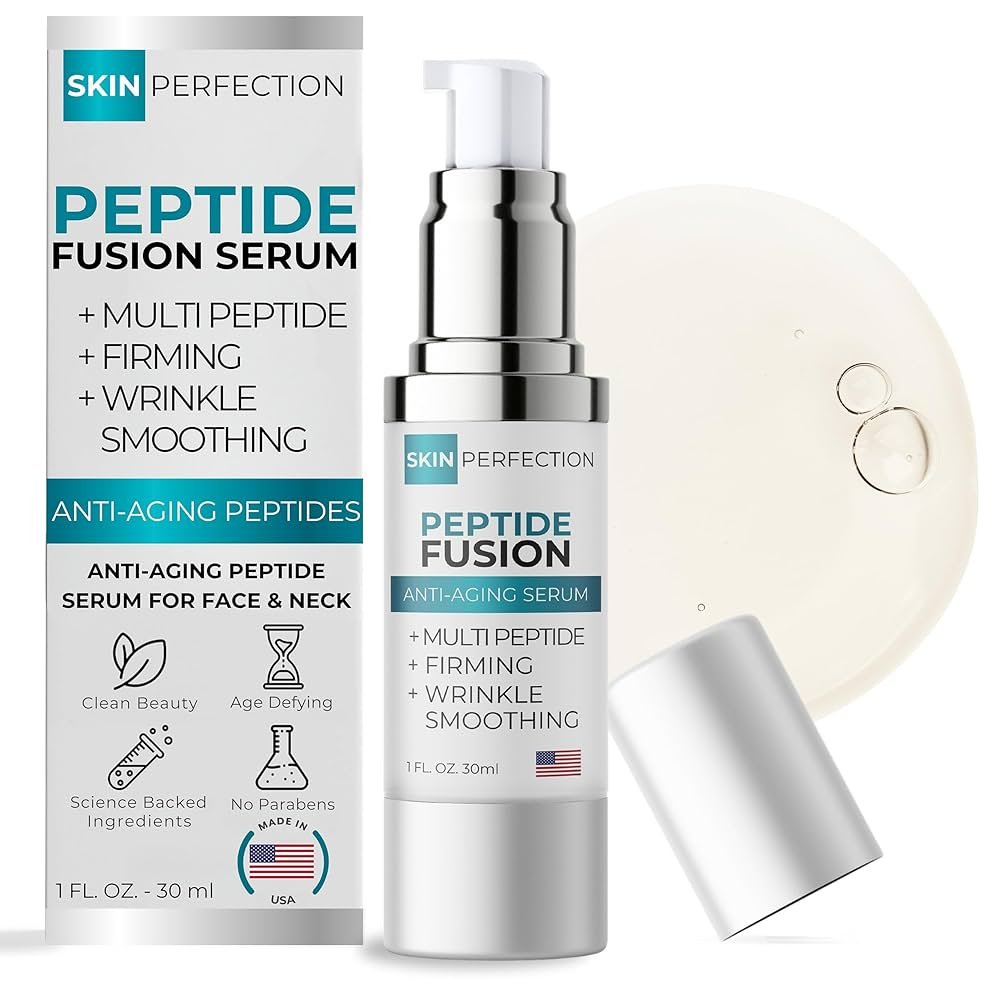
Credit: www.amazon.com
Choosing The Right Peptide Products
Choosing the right peptide products can boost your skin’s health and fight signs of aging. Peptides work by signaling your skin to produce more collagen. This helps reduce wrinkles and improves skin texture. Not all peptide products are the same. Some have better ingredients and formulas. Knowing what to check can save you time and money.
Key Ingredients To Look For
- Palmitoyl Pentapeptide-4: Stimulates collagen and skin repair.
- Acetyl Hexapeptide-8: Reduces muscle contractions to smooth wrinkles.
- Copper Peptides: Promote healing and skin regeneration.
- Matrixyl: Encourages collagen and elastin production.
- Synthetic Peptides: Designed for specific anti-aging benefits.
Formulations That Maximize Effectiveness
Peptides work best in water-based serums or creams. These allow peptides to penetrate the skin easily. Look for products with added antioxidants like vitamin C or E. Antioxidants protect peptides and boost skin health. Avoid heavy oils or thick creams. They can block peptide absorption.
Tips For Reading Labels
- Check the peptide concentration; higher is not always better.
- Look for products with peptides near the top of the ingredients list.
- Spot preservatives and avoid harsh chemicals like parabens.
- Note the product’s pH; peptides work best around pH 5-7.
- Find clear instructions on how to use the product for best results.
Incorporating Peptides Into Your Routine
Incorporating peptides into your skincare routine can boost skin health and reduce signs of aging. These small proteins help stimulate collagen and repair skin damage. Using peptides correctly enhances their benefits and keeps your skin looking fresh and firm.
Best Application Practices
- Apply peptides on clean, dry skin for better absorption.
- Use gentle tapping motions instead of rubbing harshly.
- Layer peptide products before heavier creams or oils.
- Store peptides in a cool, dark place to maintain potency.
- Patch test new peptide products to check for sensitivity.
Combining Peptides With Other Skincare Ingredients
Peptides work well with many skincare ingredients. They pair nicely with hyaluronic acid to boost hydration. Vitamin C can enhance peptide effects by promoting collagen. Avoid mixing peptides with strong acids like AHAs or BHAs in the same step. This keeps peptides stable and effective.
Frequency And Timing For Optimal Results
- Use peptide products once or twice daily for best results.
- Apply peptides in the morning and at night if possible.
- Consistent use over weeks improves skin texture and firmness.
- Allow peptides to fully absorb before applying sunscreen or makeup.
- Adjust frequency if skin feels irritated or dry.

Credit: www.amazon.com
Common Myths About Peptides
Peptides have gained a lot of attention in the world of anti-aging skincare. However, many myths surround their use and effectiveness. Understanding these myths can help you make better choices for your skincare routine and avoid disappointment.
Debunking Ineffective Claims
Some people believe peptides work instantly or provide miracle results overnight. This is not true. Peptides support your skin’s natural repair process, which takes time and consistent use to show visible changes.
Another common false claim is that all peptides are the same. Different peptides serve different purposes, such as collagen production or reducing inflammation. Knowing which peptide fits your skin concern is key.
Clarifying Misconceptions On Usage
Many think peptides should only be used in expensive products or prescribed by dermatologists. In reality, peptides are found in a wide range of affordable skincare products suitable for daily use.
Some users avoid combining peptides with other active ingredients, fearing negative reactions. Peptides generally work well with ingredients like hyaluronic acid and antioxidants, enhancing overall skin health.
Understanding Realistic Expectations
Peptides are not a quick fix for deep wrinkles or severe skin damage. They improve skin texture and firmness gradually, so patience is essential.
Have you ever given up on a product too soon because results didn’t appear overnight? With peptides, waiting at least 4 to 6 weeks before judging effectiveness is crucial.
Peptides work best as part of a balanced skincare regimen, not as a standalone solution. Combining them with sun protection and hydration will maximize their benefits.
Peptides Vs Other Anti-aging Ingredients
When deciding on the best anti-aging ingredients for your skincare routine, understanding how peptides compare to other popular options can help you make smarter choices. Each ingredient offers unique benefits and suits different skin needs. Let’s look closely at how peptides stack up against retinoids and antioxidants, and when you might want to pick peptides over other alternatives.
Comparing Peptides And Retinoids
Peptides and retinoids both target signs of aging but work in very different ways. Retinoids speed up cell turnover and boost collagen production, which can lead to faster results but sometimes cause irritation.
Peptides, on the other hand, gently signal your skin to produce more collagen without the harsh side effects. If you have sensitive skin or prefer a milder option, peptides might be your go-to. Have you ever experienced redness or dryness with retinoids? Peptides could be a more comfortable choice for you.
Peptides And Antioxidants Synergy
Antioxidants fight damage from free radicals, which accelerates skin aging. Peptides don’t neutralize free radicals but encourage skin repair and firmness.
Using peptides alongside antioxidants can give you a powerful one-two punch. Antioxidants protect your skin from daily damage, while peptides help rebuild and strengthen it. Think of this combo as both defense and repair working hand in hand.
When To Choose Peptides Over Alternatives
Peptides shine when your skin feels delicate or you want to avoid irritation from stronger actives. They are ideal if you need hydration and firmness without redness or peeling.
Also, peptides work well if you’re layering multiple products since they generally play nice with other ingredients. Are you looking for a gentle yet effective way to improve skin elasticity? Peptides could be the answer.
Consider your skin’s tolerance and goals before choosing. Sometimes, a blend of peptides with antioxidants or mild retinoids offers the best results without overwhelming your skin.
Safety And Side Effects
Peptides are popular ingredients in anti-aging skincare. They offer benefits like boosting collagen and improving skin texture. Understanding their safety and side effects helps you use them wisely. Most people tolerate peptides well, but some may face mild issues. Knowing potential risks ensures safer, more effective skincare routines.
Potential Allergic Reactions
Peptides rarely cause strong allergic reactions. Mild redness, itching, or swelling can happen. These symptoms usually appear soon after application. Stop using the product if irritation worsens or spreads. Consult a healthcare provider for persistent reactions. Patch testing new peptide products can help prevent allergies.
Who Should Avoid Peptides
People with very sensitive skin might want to avoid peptides. Those with active skin infections or open wounds should skip them. Pregnant or breastfeeding women should consult a doctor before use. Anyone with known allergies to peptide ingredients needs caution. Always check product labels and ask a dermatologist if unsure.
Tips For Sensitive Skin
- Start with a low concentration peptide product.
- Apply a small amount on a test area first.
- Use peptides alongside gentle, fragrance-free moisturizers.
- Avoid mixing peptides with strong acids or retinoids initially.
- Keep skin hydrated and protected with sunscreen daily.
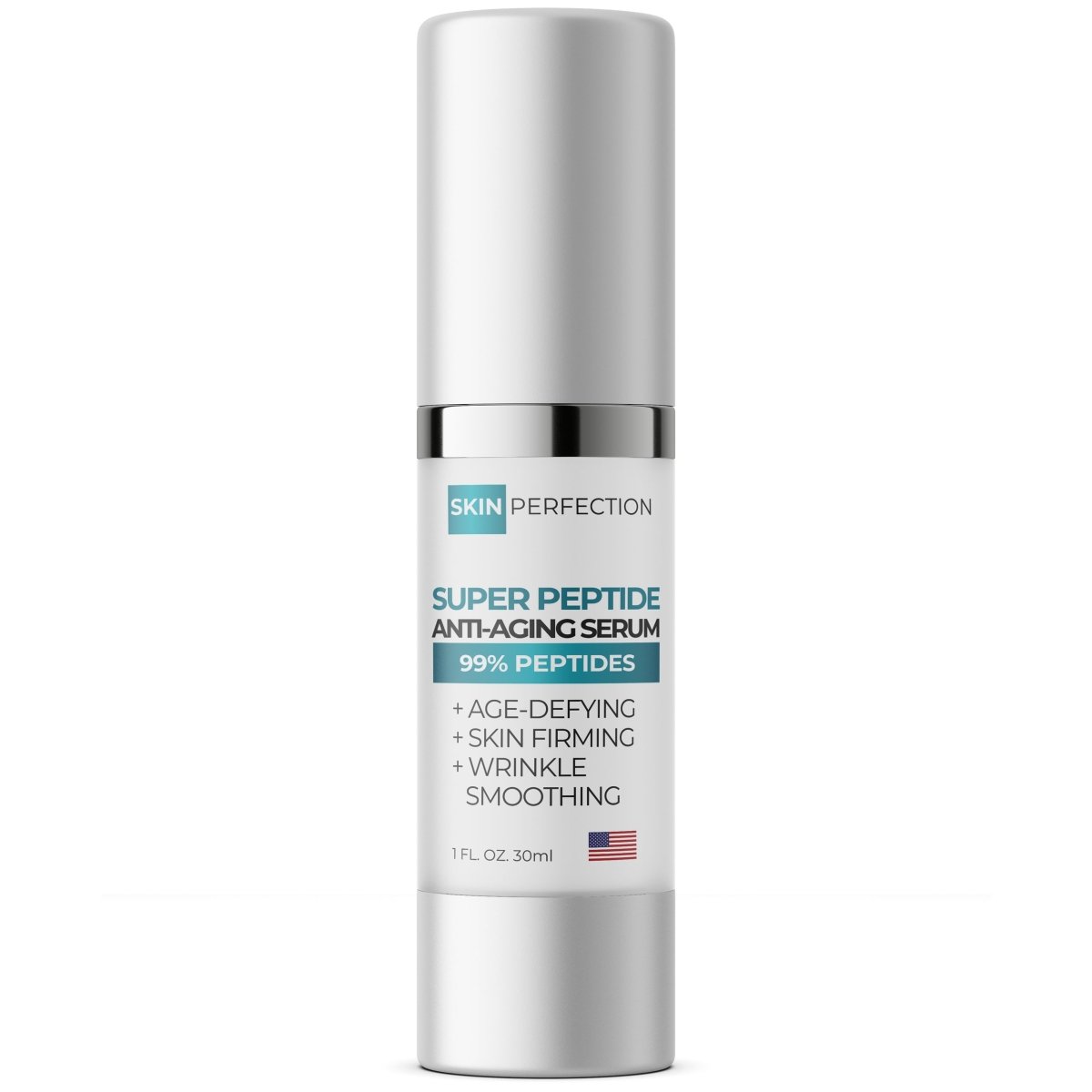
Credit: www.naturalorganicskincare.com
Frequently Asked Questions
What Are Peptides In Anti-aging Skincare?
Peptides are short chains of amino acids that boost collagen production. They help reduce wrinkles and improve skin firmness. Peptides support skin repair and hydration, making them key ingredients in anti-aging products.
How Do Peptides Reduce Wrinkles Effectively?
Peptides signal skin cells to produce more collagen and elastin. This increases skin elasticity and smoothness. Regular use of peptide-based products can visibly minimize fine lines and wrinkles over time.
Are Peptide Anti-aging Products Safe For All Skin Types?
Yes, peptide products are generally safe and gentle for all skin types. They rarely cause irritation or allergies. Always patch test new products and consult a dermatologist if you have sensitive skin.
How Long Does It Take For Peptides To Show Results?
Peptides typically show visible results in 4 to 8 weeks. Consistent daily use enhances skin texture, firmness, and hydration. Patience and regular application are key to effective anti-aging benefits.
Conclusion
Peptides help reduce wrinkles and improve skin texture. They support collagen, making skin firmer and smoother. Using peptide products can boost your skin’s natural repair. Results appear with regular and consistent use. Choose peptides suited for your skin type and needs.
Healthy skin care habits work well alongside peptides. Small changes lead to better skin over time. Peptides offer a gentle way to fight aging signs. Give your skin time to show its improvements. A simple step toward younger-looking skin.