You use your makeup sponge every day to create a flawless look, but have you ever stopped to think about how clean it really is? If you’re not washing your sponge the right way, you could be spreading bacteria, causing breakouts, or ruining your makeup application.
Don’t worry—cleaning your makeup sponge doesn’t have to be hard or time-consuming. You’ll discover simple and effective steps to keep your sponge fresh, soft, and ready to give you that perfect finish every time. Keep reading to learn how to make your beauty routine healthier and more hygienic—your skin will thank you!
Why Clean Makeup Sponges Matter
Keeping your makeup sponge clean is more than just a hygiene habit—it directly affects your skin’s health and the quality of your makeup look. Dirty sponges can hold onto oils, dirt, and bacteria that you don’t want on your face. Have you ever thought about how often your sponge could be harboring unseen grime?
Preventing Bacteria Build-up
Your makeup sponge is a breeding ground for bacteria if left unwashed. Each use deposits dead skin cells, oils, and leftover makeup inside the sponge’s porous surface. This environment quickly becomes a hotspot for bacteria, which can cause breakouts or infections.
Regular cleaning stops bacteria from multiplying and keeps your skin safer. Imagine applying foundation with a sponge that’s cleaner than your hands—it’s a simple way to avoid unnecessary skin problems.
Extending Sponge Lifespan
Cleaning your sponge isn’t just about hygiene—it saves you money too. Makeup sponges cost money, and replacing them frequently can add up. When you clean them properly, you prevent the material from breaking down prematurely.
Think of your sponge as an investment. Treat it well with regular washes, and it will maintain its shape and texture much longer. This means fewer purchases and less waste piling up in your bathroom.
Improving Makeup Application
Have you noticed how a dirty sponge can make your makeup look patchy or uneven? Residue inside the sponge affects how product spreads and blends on your skin. A clean sponge ensures smooth application and a flawless finish.
Using a fresh, clean sponge helps your foundation, concealer, or any cream product glide effortlessly. This gives you a natural, airbrushed look instead of a blotchy or cakey appearance. Isn’t that the result you want every time?
Best Cleaning Materials
Choosing the right materials to clean your makeup sponge can make all the difference. The best cleaning materials not only remove makeup effectively but also keep your sponge soft and extend its life. Let’s look at the options that work best, so you can find the perfect fit for your routine.
Gentle Cleansers
Strong soaps can damage your sponge, causing it to break down faster. Gentle cleansers designed specifically for makeup tools work wonders without harsh chemicals. Look for products labeled “sulfate-free” or “for sensitive skin” to avoid irritation and maintain sponge quality.
I once switched from a regular dish soap to a gentle makeup cleanser, and I noticed my sponge stayed softer and lasted twice as long. Have you ever considered how your cleanser choice affects your sponge’s texture?
Natural Alternatives
If you prefer a more natural approach, options like coconut oil, olive oil, or castile soap can clean your sponge effectively. These ingredients break down makeup residues while being kind to your skin and the environment. Plus, they often leave a subtle, pleasant scent behind.
Natural alternatives require a bit more rinsing to avoid residue buildup, but many find the trade-off worth it. Could going natural be the solution for your skin sensitivity and eco-friendly lifestyle?
Tools And Accessories
Using the right tools can speed up the cleaning process and improve results. Silicone scrubbers or textured cleaning mats provide gentle friction to lift makeup without tearing the sponge. They’re small, easy to use, and help you get a deeper clean with less effort.
- Silicone scrubbers with soft bristles
- Textured cleansing mats with ridges and bumps
- Mesh laundry bags for machine washing (only if your sponge is machine-safe)
Have you tried any cleaning accessories before? Sometimes, a simple tool can transform your routine from tedious to enjoyable.
Step-by-step Washing Process
Keeping your makeup sponge clean is essential for flawless makeup application and healthy skin. The washing process is simple but requires attention to detail to remove all residue without damaging the sponge. Let’s break down each part of the cleaning routine so you know exactly what to do every time.
Pre-rinse Tips
Start by rinsing your makeup sponge under warm water to remove surface product. Make sure the water runs clear before moving on. Press the sponge gently to help release any trapped foundation or powder.
Does your sponge feel sticky even after rinsing? That’s a sign to soak it a bit longer next time or try a stronger cleanser.
Applying Cleanser
Use a mild liquid soap, baby shampoo, or a cleanser designed specifically for makeup tools. Apply a small amount directly onto the damp sponge.
Work the cleanser into the sponge by squeezing and massaging it gently. This helps break down oils and makeup buildup deep inside.
Deep Cleaning Techniques
If your sponge is heavily stained, try a double-cleanse. After the initial wash, soak it in warm, soapy water for 5–10 minutes.
- Use your fingers to knead the sponge while it’s soaking.
- For stubborn spots, a soft brush can help loosen makeup without harming the sponge.
Have you noticed how a quick soak refreshes your sponge’s texture? It’s a game-changer for maintaining softness.
Rinsing Thoroughly
Rinse the sponge again under running water until all soap and makeup residue disappear. Squeeze repeatedly but avoid twisting to prevent tearing.
Check for any leftover color on your hands or sponge. If you see traces, repeat the cleansing steps. Clean rinse water means clean sponge.
Drying Methods
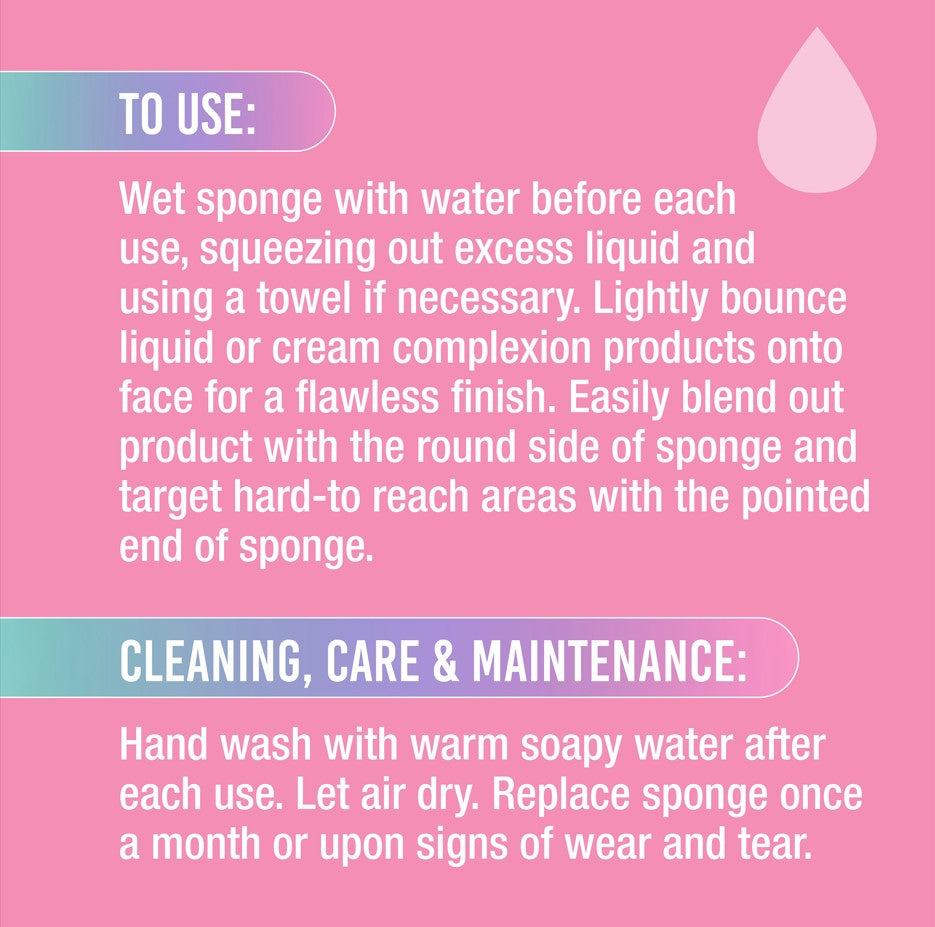
Pat your sponge with a clean towel to remove excess water. Then, leave it to air dry in a well-ventilated area away from direct sunlight.
Never store your sponge in a closed container while damp; this invites mold and bacteria growth. Do you have a favorite drying spot that keeps your sponge fresh?
Credit: salonperfect.com
Tips For Maintaining Sponge Cleanliness
Keeping your makeup sponge clean is essential not just for flawless makeup application but also for healthy skin. Dirt, oil, and bacteria can build up quickly if you don’t maintain your sponge properly. Here are some practical tips to help you keep your sponge fresh and ready to use every day.
Cleaning Frequency
How often you clean your makeup sponge can make a big difference. Ideally, you should wash it after every use to prevent product buildup and bacterial growth.
If washing daily feels overwhelming, aim for at least twice a week. You’ll notice your skin feels less irritated, and your makeup applies more smoothly.
Storage Practices
Where you keep your sponge matters just as much as how you clean it. Avoid storing it in closed containers or damp environments because these can encourage mold growth.
Instead, store your sponge in a breathable container or on a clean surface where it can air dry completely between uses. Have you ever found your sponge smelling off? That’s a sign it’s time to change your storage habit.
Quick Clean Hacks
Sometimes you need a fast clean before heading out. Rubbing your damp sponge on a bar of gentle soap and rinsing under warm water works well for a quick fix.
Another trick is to use a spray cleanser designed for makeup tools; just spritz, squeeze out the residue, and you’re good to go.
These quick methods keep your sponge usable without the full wash, especially when you’re short on time.
Common Mistakes To Avoid
Washing your makeup sponge seems straightforward, but many make mistakes that can reduce its lifespan and effectiveness. Knowing what to avoid is just as important as knowing how to clean it. Let’s look at some common errors that might be holding you back from keeping your sponge truly clean and safe.
Using Harsh Chemicals
It might be tempting to grab any strong cleaner to get rid of makeup residue quickly. However, harsh chemicals can break down the sponge’s material, causing it to tear or lose its softness.
Instead, use gentle cleansers specifically designed for makeup tools or mild soap. Have you noticed your sponge getting rough or crumbly after cleaning? That’s often the result of harsh products attacking its delicate structure.
Skipping Drying Steps
After washing, many skip the drying part or leave the sponge in a damp environment. This creates the perfect breeding ground for mold and bacteria, which can lead to skin irritation and infections.
Always squeeze out excess water gently and let your sponge air dry completely in a well-ventilated area. Have you ever forgotten this step and ended up with a funky smell? That’s your warning sign to change your drying routine.
Over-washing Risks
While cleanliness is crucial, washing your sponge too often or too aggressively can damage it. Over-washing wears down the sponge’s texture, making it less effective at blending and more prone to tearing.
Try to find a balance by washing after every few uses rather than after each one. Ask yourself: are you cleaning to maintain hygiene or just because it feels necessary? This mindset helps protect your sponge’s lifespan and performance.
Credit: themallbd.com

Credit: www.rmsbeauty.com
Frequently Asked Questions
How Often Should You Wash A Makeup Sponge?
Wash your makeup sponge after every use to prevent bacteria buildup. Regular cleaning keeps your skin healthy and makeup flawless.
What Is The Best Method To Clean A Makeup Sponge?
Use warm water and a gentle cleanser or soap. Squeeze the sponge repeatedly until the makeup residue is gone, then rinse well.
Can You Use Dish Soap To Wash A Makeup Sponge?
Yes, dish soap works well to break down oils and makeup. Make sure to rinse thoroughly to avoid residue on your skin.
How Do You Dry A Makeup Sponge After Washing?
Gently squeeze out excess water with a clean towel. Air dry your sponge in a well-ventilated area to prevent mold growth.
Conclusion
Caring for your makeup sponge is simple and important. Regular cleaning keeps it fresh and bacteria-free. Use gentle soap and warm water to clean. Squeeze out excess water and let it air dry. Clean your sponge weekly for best results.
A clean sponge ensures smooth makeup application. Your skin will thank you for it. Keep your tools clean and your makeup flawless. Enjoy a fresh and healthy look every day. With these steps, maintaining your sponge is hassle-free. Your routine will be easier and more effective.
Always prioritize cleanliness in your beauty routine.