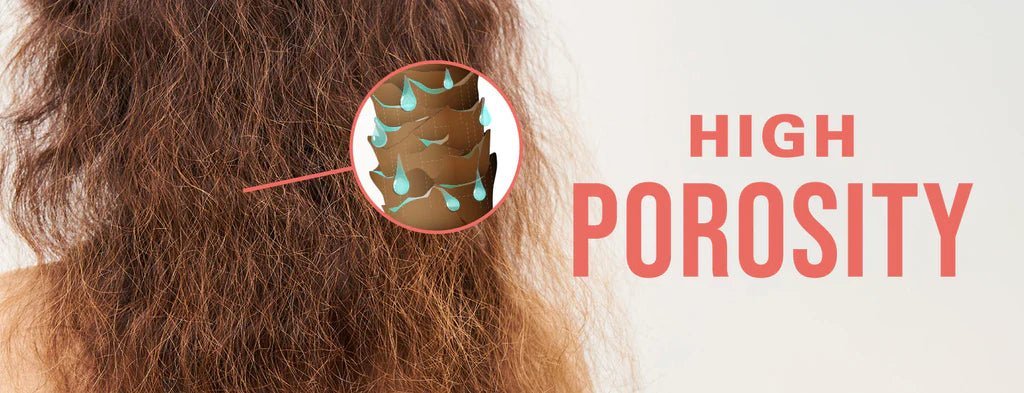
Do you struggle with dry, frizzy, or brittle hair that just won’t hold moisture? If your hair feels like it soaks up water but dries out quickly, you might have high porosity hair.
Caring for high porosity hair can be tricky, but with the right approach, you can transform your locks into soft, healthy strands that shine with life. You’ll discover simple, effective tips tailored just for your hair type. Ready to unlock the secrets to beautiful, nourished hair?
Keep reading to learn how to give your high porosity hair the care it truly needs.
Characteristics Of High Porosity Hair
High porosity hair has unique features that affect its care needs. This hair type absorbs moisture quickly but loses it just as fast. The hair cuticles have gaps and holes, making the strands rough and fragile. Understanding these characteristics helps in choosing the right products and routines. Proper care keeps high porosity hair healthy and strong.
Why Hair Becomes High Porosity
Hair becomes high porosity due to damage or natural factors. Chemical treatments like bleaching or coloring create holes in the cuticle. Heat styling tools cause breakage and rough cuticles. Environmental factors like sun, wind, and pollution wear down hair over time. Genetics also play a role in natural porosity levels. Damaged cuticles let moisture escape quickly, leading to dryness and frizz.
Common Signs To Identify
- Hair dries very fast after washing.
- Hair feels rough or straw-like to touch.
- Easy tangling and breakage.
- Hair looks dull and lacks shine.
- Colors fade quickly after dyeing.
- Hair absorbs products quickly but loses moisture fast.

Credit: theradome.com
Moisture Retention Strategies
Keeping moisture locked in is a game-changer for high porosity hair. This hair type soaks up water quickly but loses it just as fast, leaving your strands dry and brittle. Moisture retention strategies help you maintain that hydration, so your hair stays soft, manageable, and healthy-looking.
Best Hydrating Ingredients
Look for ingredients that attract and hold water in your hair. Humectants like glycerin and honey pull moisture from the air into your strands. Aloe vera gel is another excellent option; it hydrates deeply without weighing hair down.
Proteins such as hydrolyzed keratin or silk protein can help repair damage and strengthen the hair shaft. Oils like jojoba and argan oil add a layer of moisture but won’t clog your pores or feel greasy. What hydrating ingredients have you tried that made your hair feel instantly softer?
Sealing Techniques For Lasting Moisture
After applying water-based moisturizers, sealing your hair is key to trapping that hydration. Use heavier oils or butters like shea butter or castor oil to lock moisture inside. Applying these while your hair is still damp seals in the water before it evaporates.
Try the “LOC” method—liquid, oil, cream—to create multiple layers of moisture protection. You can also use protective styles like braids or twists to reduce exposure to drying elements. How do you seal moisture to keep your hair feeling nourished all day?
Cleansing And Conditioning
Cleansing and conditioning are crucial for high porosity hair care. This hair type absorbs moisture quickly but loses it just as fast. Proper cleansing removes buildup without stripping natural oils. Conditioning restores moisture and strengthens the hair cuticle. Both steps protect hair from damage and maintain softness.
Gentle Cleansing Options
Choose shampoos with mild ingredients. Sulfate-free shampoos work best to avoid dryness. Co-washing, or conditioner washing, can clean hair gently.
- Use lukewarm water to open hair cuticles slightly.
- Massage scalp softly to remove dirt and oil.
- Rinse thoroughly to prevent residue buildup.
These gentle methods keep hair hydrated and healthy.
Deep Conditioning Treatments
Deep conditioners add extra moisture and repair damage. Use rich, creamy formulas with natural oils and proteins.
- Apply deep conditioner after cleansing hair.
- Cover hair with a plastic cap to trap heat.
- Leave on for 20 to 30 minutes for best results.
- Rinse with cool water to close cuticles.
Regular deep conditioning improves elasticity and shine. It helps hair resist breakage and frizz over time.
Styling Tips For Shine
Shiny hair looks healthy and vibrant, especially for high porosity hair. This hair type needs special care to keep its shine without damage. Using the right styling tips can make your hair glow. Protecting hair from heat and applying oils or serums properly helps seal moisture and boost shine.
Heat Protection Methods
High porosity hair absorbs moisture fast but loses it quickly. Heat styling tools can cause more damage and dryness. Protect hair before using any heat source.
- Use a heat protectant spray or cream every time before styling.
- Choose products with ingredients like silicone or natural oils for a barrier.
- Set heat tools to medium or low temperatures to avoid burning hair.
- Limit heat exposure to short sessions to reduce damage.
These simple steps keep hair smooth and prevent breakage while adding shine.
Using Oils And Serums Effectively
Oils and serums add shine and lock in moisture for high porosity hair. Use them correctly to avoid greasy or heavy hair.
- Apply oils or serums on damp hair to seal in moisture after washing.
- Focus on mid-lengths and ends where hair is driest and most damaged.
- Use a small amount to avoid weighing hair down or making it look oily.
- Choose lightweight oils like argan, jojoba, or grapeseed for shine without heaviness.
- Serums with silicone create a smooth surface that reflects light well.
Regular use of oils and serums helps maintain shine and softness throughout the day.
Avoiding Damage And Breakage
High porosity hair tends to absorb moisture quickly but loses it just as fast. This makes it fragile and prone to damage. Avoiding breakage requires gentle care and smart habits. Protecting hair strands from harsh treatment helps keep hair strong and healthy.
Best Practices For Detangling
Detangling high porosity hair requires patience and care. Use a wide-tooth comb or fingers to gently separate knots. Start from the ends and work up to the roots. Wet hair can be more fragile, so detangle when hair is damp but not soaking wet.
- Apply a leave-in conditioner or detangling spray to soften hair.
- Hold sections of hair firmly to reduce pulling and breakage.
- Work slowly to avoid snapping strands.
Nighttime Hair Care Routines
Nighttime care can prevent damage and keep hair moisturized. Use a satin or silk pillowcase to reduce friction. Wrap hair in a silk scarf or bonnet to protect strands from rubbing and drying out.
- Moisturize hair with a light oil or leave-in conditioner before bed.
- Consider braiding or loosely twisting hair to avoid tangles.
- Keep hair away from rough fabrics that cause friction.
Credit: clorebeauty.com
Recommended Products
Choosing the right products makes a big difference in managing high porosity hair. Your hair needs moisture but also protection to keep it from drying out quickly. Products designed specifically for high porosity hair help seal the cuticle and lock in hydration, giving you smoother, stronger strands.
Shampoos And Conditioners
Look for shampoos that are gentle and sulfate-free to avoid stripping your hair’s natural oils. Ingredients like aloe vera, glycerin, and natural oils work well to add moisture without weighing your hair down.
Conditioners should focus on deep hydration and repair. Products with proteins like keratin or hydrolyzed wheat protein help fill in the gaps in your hair cuticle, making your hair feel less rough and more manageable. I found that switching to a conditioner rich in protein made my hair softer and less prone to breakage after every wash.
- Shea Moisture Raw Shea Butter Restorative Shampoo
- OGX Coconut Milk Conditioner
- Aussie 3 Minute Miracle Moist Deep Conditioner
Leave-in Conditioners And Masks
Leave-in conditioners are your secret weapon for high porosity hair. They keep moisture locked in throughout the day and protect your hair from environmental damage. Pick leave-ins with humectants like honey or panthenol to attract and hold moisture.
Masks are a must at least once a week. A rich, protein-packed mask strengthens hair, while a moisturizing mask replenishes lost hydration. Alternating between the two types can balance your hair’s needs and prevent it from becoming brittle or overly soft.
- Kinky-Curly Knot Today Leave-In Conditioner
- Mielle Organics Babassu Oil & Mint Deep Conditioner
- Aphogee Two-Step Protein Treatment

Credit: zaphiranature.com
Frequently Asked Questions
What Is High Porosity Hair?
High porosity hair has open cuticles that absorb moisture quickly. It often feels dry, frizzy, and prone to damage. This hair type requires extra hydration and protection to maintain health and shine.
How To Care For High Porosity Hair?
Use moisturizing shampoos and deep conditioners regularly. Avoid harsh chemicals and heat styling. Seal moisture with oils and butters to prevent dryness and breakage in high porosity hair.
Which Products Work Best For High Porosity Hair?
Look for hydrating leave-in conditioners, protein treatments, and natural oils like argan or coconut. These products strengthen and lock moisture, improving your hair’s texture and manageability.
Can Diet Affect High Porosity Hair Health?
Yes, a balanced diet rich in vitamins and proteins supports hair strength. Hydration and nutrients help repair damage and maintain healthy high porosity hair.
Conclusion
Caring for high porosity hair requires patience and dedication. Use gentle products. Moisture is key. Deep conditioning helps retain hydration. Protect hair from heat and harsh weather. Trim regularly to prevent split ends. Avoid heavy styling products. They can weigh hair down.
Natural oils like argan or coconut can nourish. Experiment with different routines. Find what works best for your hair. Listen to your hair’s needs. Over time, you’ll notice improved texture and shine. Embrace your hair’s uniqueness. Celebrate its beauty. With the right care, high porosity hair can look healthy and vibrant.
