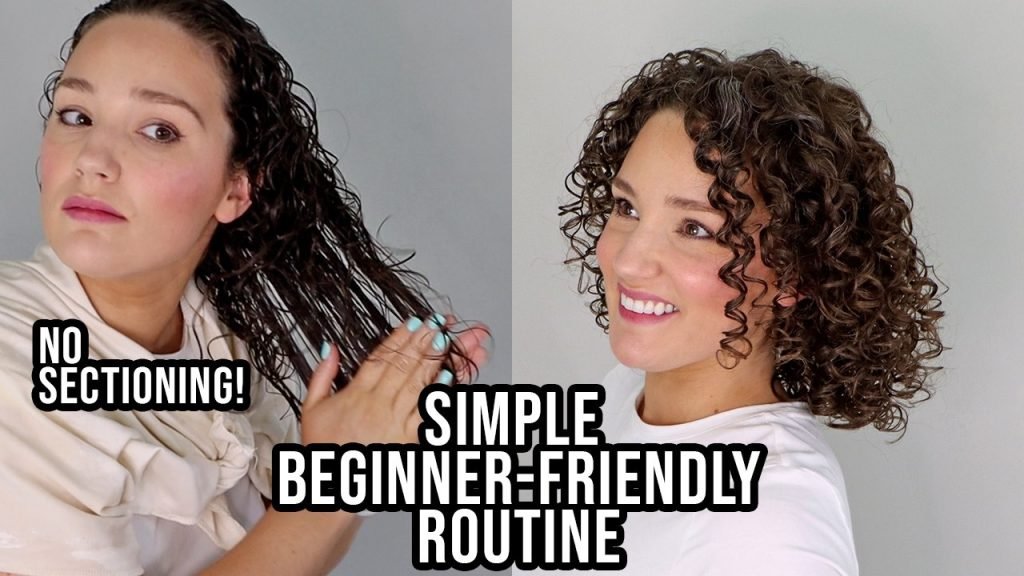
Wavy hair can be a beautiful mix of straight and curly, but it also comes with its own set of challenges. If you’re new to caring for wavy hair, you might feel unsure about the best way to keep your waves looking fresh and healthy.
The good news? With the right steps, your waves can become your favorite feature. In this guide, you’ll discover simple and effective tips to nourish, style, and protect your wavy hair every day. Ready to unlock the secret to effortless, stunning waves?
Keep reading—you’re about to master the art of wavy hair care.

Credit: www.youtube.com
Wavy Hair Basics
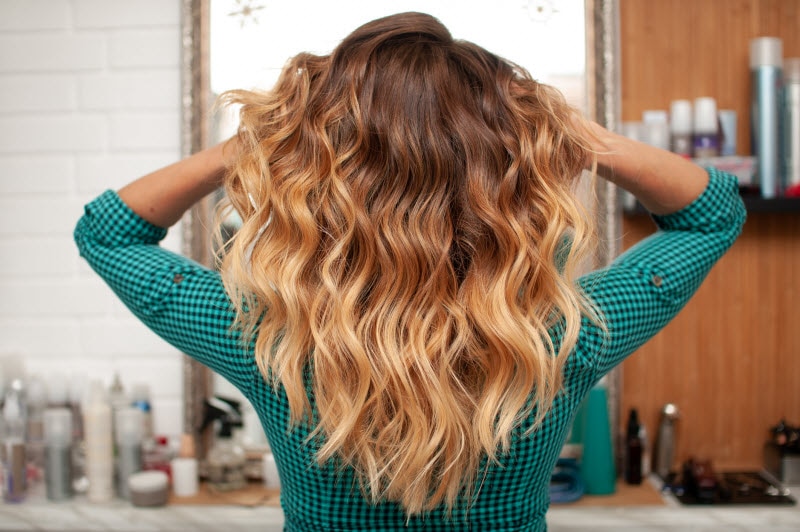
Wavy hair sits between straight and curly hair types. It has a natural bounce and flow that makes it unique. Understanding the basics of wavy hair helps you care for it better. Simple steps can keep your waves healthy and defined.
Characteristics Of Wavy Hair
- Forms loose S-shaped waves along the hair shaft
- Usually fine to medium texture
- Has a natural shine and body
- Tends to be prone to frizz
- Can change appearance with humidity and weather
Common Challenges
- Frizz and flyaways are frequent problems
- Waves can lose shape and look limp
- Difficult to find the right products that enhance waves
- Overwashing can dry out hair and damage waves
- Heat styling may cause wave distortion or damage
Credit: www.vitacost.com
Cleansing Tips
Cleansing is the first step to keep wavy hair healthy and fresh. Proper cleansing removes dirt, oil, and product buildup without drying out your waves. Choosing the right shampoo and finding the best washing frequency help maintain your hair’s natural texture and shine. Gentle care during cleansing supports soft, bouncy waves that look great every day.
Choosing The Right Shampoo
Pick shampoos made for wavy or curly hair. These shampoos usually have mild ingredients. Avoid harsh sulfates that strip natural oils. Look for hydrating formulas with ingredients like aloe vera or coconut oil. These keep waves soft and defined. A shampoo with a balanced pH helps protect your scalp and hair. Also, consider shampoos without heavy silicones. They can weigh down your waves and cause buildup.
Washing Frequency
Wavy hair does not need daily washing. Washing too often can dry out your hair and scalp. Try washing your hair 2 to 3 times a week. On non-wash days, use a gentle conditioner or a refreshing spray. If your scalp feels oily, rinse with water or use a dry shampoo. Adjust washing times based on your hair’s oiliness and lifestyle. Less frequent washing helps keep natural oils that define waves.
Conditioning Routine
Conditioning is a key part of caring for wavy hair. It keeps your waves soft, defined, and frizz-free. Without the right routine, your hair can feel dry and look dull. Let’s break down what types of conditioners work best and why deep conditioning can be a game-changer.
Types Of Conditioners
Choosing the right conditioner can feel overwhelming with so many options. Here are the main types you should know about:
- Rinse-out conditioners:These are your everyday conditioners. Apply after shampooing, leave for a few minutes, then rinse out. They help detangle and add moisture without weighing hair down.
- Leave-in conditioners:These stay in your hair after washing. They boost hydration throughout the day and protect against environmental damage. They’re perfect if your waves tend to dry out quickly.
- Co-wash conditioners:Designed for cleansing without shampoo. Ideal if you want to wash your hair more often but avoid stripping natural oils.
Think about your hair’s needs and how often you wash. Do you struggle with dryness or frizz? That will help you pick the right type.
Deep Conditioning Benefits
Deep conditioning is like a spa treatment for your wavy hair. It delivers intense moisture and repairs damage from heat styling or sun exposure.
Try to deep condition once a week or every two weeks depending on how dry your hair feels. It can improve elasticity and make your waves bounce back faster after styling.
Using a deep conditioner with ingredients like shea butter, coconut oil, or keratin makes a big difference. I noticed my waves became smoother and less prone to breakage after adding deep conditioning to my routine.
Are you willing to spend a little extra time on your hair for noticeable results? Deep conditioning might be the step you’re missing.
Styling Essentials
Styling wavy hair needs the right tools and products to keep waves soft and defined. Using the proper essentials helps protect hair and makes styling easier. Focus on lightweight products that enhance waves without weighing them down. Protect hair from heat damage when using styling tools.
Leave-in Products
Choose leave-in conditioners made for wavy hair. These keep waves hydrated and reduce frizz. Use a small amount on damp hair. Distribute evenly from roots to ends. Look for products with natural oils or light moisturizers. Avoid heavy creams that can make waves limp. Leave-in sprays and creams help maintain wave shape throughout the day.
Heat Styling Tips
Limit heat styling to prevent damage. Always use a heat protectant spray before applying heat. Select tools with adjustable temperature settings. Use low or medium heat to style. Avoid brushing waves after heat styling to keep texture. Finger combing or using a wide-tooth comb works best. Let hair air dry partially before using heat to reduce dryness.
Drying Techniques
Drying your wavy hair correctly can make a huge difference in how your waves look and feel. The right drying techniques help reduce frizz, maintain your natural texture, and keep your hair healthy. Let’s dive into simple but effective ways to dry your waves without damaging them.
Air Drying Methods
Air drying is the gentlest way to dry wavy hair. It allows your waves to form naturally without heat damage. But you need to be patient and careful with how you prep your hair before letting it dry.
- Start with a microfiber towel or a cotton t-shirtto gently squeeze out excess water. Avoid rubbing your hair harshly as this causes frizz.
- Apply a leave-in conditioner or curl creamwhile your hair is still damp to keep waves defined and hydrated.
- Don’t touch your hair too muchwhile it’s drying. The more you mess with it, the more frizz and breakage you might cause.
- Try “plopping” your hairby wrapping it in a cotton t-shirt or microfiber towel on top of your head. This helps enhance wave formation.
Have you noticed how your waves look different when you just let them dry naturally versus when you use a towel aggressively? Experimenting with these gentle techniques can reveal your hair’s true texture.
Using Diffusers
Diffusers are a great tool if you want to speed up drying without losing your waves’ shape. They spread the airflow over a larger area, reducing frizz and maintaining curl patterns.
- Set your hair dryer to low heat and low speedto avoid heat damage and keep waves intact.
- Flip your head upside down or tilt it to the sideto add volume while drying with the diffuser.
- Gently cup sections of your hair in the diffuserand hold for a few seconds before moving to the next section.
- Finish with a cool air shotto lock in your waves and add shine.
Using a diffuser might feel awkward at first, but it’s worth practicing. It helped me reduce frizz and keep my waves bouncy, even on busy mornings. What’s your experience with heat styling tools—help or harm?
Maintenance Tips
Maintaining wavy hair helps keep its natural bounce and shine. Proper care stops frizz and damage. Regular routines make waves look healthy and soft.
Trimming Frequency
Trim wavy hair every 6 to 8 weeks. This removes split ends and stops breakage. Fresh trims keep waves defined and prevent frizz. Regular trims help hair grow stronger and look neat.
Protecting Hair At Night
Protect waves while sleeping to keep their shape. Use a silk or satin pillowcase to reduce friction. Wrap hair loosely in a silk scarf or use a satin bonnet. These methods prevent tangles and dryness overnight.
Common Mistakes To Avoid
Taking care of wavy hair can be tricky for beginners. Many make simple mistakes that damage waves or cause frizz. Avoiding these errors helps keep hair healthy and beautiful. Here are common mistakes to watch out for.
Using The Wrong Shampoo
Many shampoos strip natural oils from wavy hair. This makes hair dry and frizzy. Choose sulfate-free shampoos made for wavy or curly hair. They clean gently without removing moisture.
Overwashing Hair
Washing hair too often removes natural oils. These oils protect and define waves. Wash hair two to three times a week to keep waves soft and shiny.
Skipping Conditioner
Conditioner adds moisture and smooths hair cuticles. Skipping it leads to dryness and frizz. Use a lightweight conditioner every time you wash hair.
Brushing Dry Hair
Brushing wavy hair when dry breaks waves and causes frizz. Use a wide-tooth comb or fingers to detangle hair when wet or damp.
Using High Heat On Hair
Heat styling tools damage wavy hair quickly. They dry hair and ruin natural texture. Use low heat settings and always apply heat protectant spray.
Not Protecting Hair While Sleeping
Sleeping on rough pillowcases causes friction and breakage. Use a silk or satin pillowcase to protect waves. You can also wrap hair in a silk scarf.

Credit: www.youtube.com
Frequently Asked Questions
How Often Should I Wash Wavy Hair?
Wavy hair should be washed 2-3 times weekly to avoid dryness. Use a gentle, sulfate-free shampoo to maintain natural oils and prevent frizz. Overwashing can strip moisture, so balance cleansing with conditioning for healthy waves.
What Is The Best Conditioner For Wavy Hair?
Choose a lightweight, moisturizing conditioner for wavy hair. It should hydrate without weighing waves down. Look for ingredients like argan oil or shea butter to enhance softness and definition while controlling frizz and dryness.
How Can I Reduce Frizz In Wavy Hair?
To reduce frizz, use a leave-in conditioner or anti-frizz serum on damp hair. Avoid towel rubbing; instead, gently squeeze out water with a microfiber towel. Limit heat styling and use a diffuser on low heat for better wave formation.
What Styling Products Work Best For Wavy Hair?
Lightweight mousses, curl creams, and sea salt sprays work well for wavy hair. These products enhance natural texture without heaviness. Apply to damp hair and scrunch gently to define waves and add volume with a natural finish.
Conclusion
Caring for wavy hair can be simple and fun. Focus on hydration. Choose the right products for your unique texture. Avoid heat styling tools whenever possible. Air-dry your hair for natural waves. Trim regularly to prevent split ends. Detangle gently with a wide-tooth comb.
Embrace your waves and their natural beauty. Experiment with different styles and routines. Discover what works best for you. Enjoy the journey and love your wavy locks. With patience and care, your waves will shine beautifully. Remember, healthy hair is happy hair.
Keep it simple. Stay consistent. Your waves deserve it.
