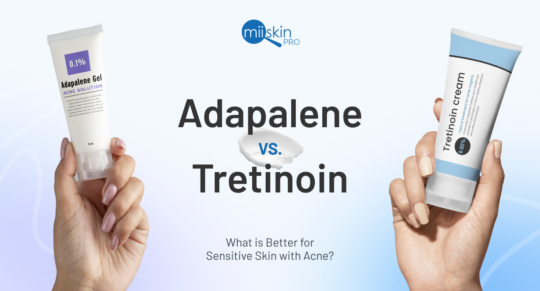
Imagine finding a secret weapon in the fight against aging that’s both effective and accessible. Adapalene, traditionally known for its acne-fighting abilities, is now making waves in the anti-aging world.
Are you curious about how this skincare ingredient can transform your skin’s appearance and help you maintain a youthful glow? You’re not alone. Many people, just like you, are eager to discover new ways to enhance their skincare routine and combat the signs of aging.
We’ll dive into how adapalene works, why it’s gaining popularity, and how you can incorporate it into your daily regimen for healthier, rejuvenated skin. Keep reading to unlock the potential of adapalene and uncover the science-backed benefits that could revolutionize your skincare journey.
Credit: www.huffpost.com
What Is Adapalene
Adapalene is a skincare ingredient known for its benefits in treating acne. Recently, it has gained attention for its anti-aging properties. It belongs to a group called retinoids, which are derived from vitamin A. Adapalene helps to improve skin texture and reduce signs of aging.
This ingredient works by speeding up the skin cell turnover process. It clears dead skin cells and stimulates the growth of new ones. This process can smooth fine lines and reduce wrinkles. It also helps to even out skin tone and reduce dark spots.
What Is Adapalene?
Adapalene is a synthetic retinoid used in skincare. It is often found in creams and gels. Originally, it was made to treat acne by preventing clogged pores. Its gentle nature makes it suitable for sensitive skin.
How Adapalene Works On Skin
Adapalene affects the skin’s outer layer. It promotes shedding of old skin cells. New skin cells replace the old ones faster. This process helps to reduce fine lines and wrinkles.
Benefits Of Adapalene For Aging Skin
- Reduces the appearance of wrinkles
- Improves skin texture and smoothness
- Fades dark spots and uneven skin tone
- Increases skin firmness
- Minimizes pores
Who Can Use Adapalene?
People with aging skin or early wrinkles can use adapalene. It suits most skin types, including oily and sensitive skin. A doctor’s advice is important before starting use, especially for sensitive skin.
How Adapalene Fights Aging
Adapalene is well-known for treating acne, but it also helps fight aging. It works deep within the skin to improve signs of aging. This ingredient supports skin renewal and boosts its natural defenses. It offers a gentle yet effective way to keep skin looking youthful. Below are the main ways adapalene helps reduce aging effects.
Stimulating Collagen Production
Collagen keeps skin firm and elastic. As we age, collagen production slows down. Adapalene stimulates cells to produce more collagen. This increased collagen strengthens skin structure. Firmer skin reduces sagging and promotes a youthful look.
Reducing Fine Lines And Wrinkles
Fine lines and wrinkles appear due to skin damage and aging. Adapalene encourages skin cell turnover. This process helps smooth out wrinkles over time. It also improves skin’s ability to heal from daily damage. Regular use reduces the depth and visibility of lines.
Improving Skin Texture
Rough or uneven skin texture makes skin look older. Adapalene removes dead skin cells gently. It reveals fresh, smooth skin underneath. This leads to a softer, more even skin surface. Improved texture helps skin reflect light better, giving a healthy glow.
Benefits Beyond Wrinkles
Adapalene is often praised for its wrinkle-fighting properties, but its benefits extend well beyond smoothing fine lines. It actively improves various skin concerns that many overlook in their anti-aging routines. If you want more than just wrinkle reduction, Adapalene offers a versatile approach to achieving healthier, clearer, and more radiant skin.
Minimizing Dark Spots
Dark spots can make your skin look uneven and older than it is. Adapalene helps by speeding up cell turnover, which gently fades hyperpigmentation over time.
Using Adapalene consistently can reduce the appearance of sun spots, age spots, and post-inflammatory marks from acne. Have you noticed how targeting pigmentation early can save you from costly treatments later?
Controlling Acne Breakouts
Acne isn’t just a teenage problem; it can persist or even start in adulthood, affecting your skin’s texture and tone. Adapalene keeps pores clear by preventing dead skin cells from clogging them, reducing the frequency of breakouts.
By controlling acne, it helps maintain a smoother complexion, which is crucial for youthful-looking skin. Are you treating breakouts while targeting aging, or focusing on one and ignoring the other?
Enhancing Skin Radiance
Dull skin can make you look tired and aged. Adapalene encourages the shedding of dead cells, revealing fresher, brighter skin underneath.
With regular use, you’ll notice a natural glow that doesn’t rely on makeup. What if brighter skin was just a consistent skincare step away?
Using Adapalene Safely
Using adapalene safely is key to getting the best results without harming your skin. This topical retinoid helps reduce wrinkles and fine lines but needs careful use. Understanding the right concentration, how to apply it, and managing side effects makes the process smooth and effective.
Choosing The Right Concentration
Adapalene comes in different strengths, such as 0.1% and 0.3%. Start with the lowest concentration to see how your skin reacts. Sensitive or dry skin types should use a milder formula. Stronger concentrations may cause irritation if used too soon.
Consult a dermatologist for advice on which strength suits your skin type. Patience is important; results take several weeks. Gradually increase the concentration only if your skin tolerates it well.
Application Tips
- Clean your face gently before applying adapalene.
- Use a pea-sized amount for the entire face to avoid irritation.
- Apply the product once daily, preferably at night.
- Avoid sensitive areas like eyes, lips, and nostrils.
- Follow with a moisturizer to keep skin hydrated.
- Use sunscreen daily, as adapalene increases sun sensitivity.
Managing Side Effects
Some dryness, redness, or peeling is normal during the first weeks. These side effects usually lessen as your skin adjusts. Reduce application frequency if irritation becomes severe.
Keep your skin moisturized to reduce dryness and flakiness. Avoid harsh skincare products like exfoliants and alcohol-based toners while using adapalene. If side effects persist, seek advice from a healthcare professional.
Comparing Adapalene With Other Retinoids
Adapalene has gained popularity as an effective anti-aging retinoid, but how does it stack up against other retinoids like tretinoin or retinol? Understanding their differences can help you choose the right product for your skin type and budget. Let’s compare these options based on key factors that matter most to you.
Effectiveness
Adapalene is known for its ability to speed up cell turnover and stimulate collagen production, which reduces fine lines and improves skin texture. Compared to retinol, adapalene is more stable and delivers faster results because it doesn’t break down as easily when exposed to light or air.
Tretinoin, however, is often considered the gold standard due to its strong potency and proven anti-aging effects in clinical studies. But this strength can also mean more irritation for some users. Have you noticed faster improvements with certain retinoids in your routine?
Skin Sensitivity
Many people find adapalene gentler on their skin than tretinoin, making it a better choice if you have sensitive or reactive skin. It causes less dryness and redness, which means you can use it more consistently without discomfort.
Retinol, being milder, is often recommended for beginners or those with very sensitive skin, but it takes longer to see visible changes. If you’ve struggled with irritation before, adapalene might offer a nice balance between effectiveness and tolerance.
Cost And Accessibility
Adapalene is widely available over-the-counter and usually costs less than prescription tretinoin, making it a budget-friendly option for many. Retinol products vary greatly in price depending on the brand and concentration, so you can find options that fit your budget.
Prescription tretinoin often requires a doctor’s visit and can be more expensive, but some find the investment worth it for the results. What’s your priority: convenience, cost, or maximum effectiveness?

Credit: curistrelief.com
Incorporating Adapalene Into Skincare Routine
Adding adapalene to your daily skincare can significantly improve the texture and appearance of your skin. It works gently yet effectively to reduce fine lines and promote cell turnover. Understanding how and when to use it ensures you get the best out of this powerful ingredient without irritating your skin.
Best Time To Apply
Adapalene is most effective when applied at night. Your skin repairs itself while you sleep, so applying it before bed helps the active ingredients work uninterrupted.
Make sure your face is clean and completely dry before applying a thin layer. This reduces the chance of irritation and enhances absorption.
Combining With Other Products
Be cautious about what you pair with adapalene. Avoid using harsh exfoliants, vitamin C serums, or other retinoids on the same night to prevent redness and peeling.
Moisturizers are your best friend here. Apply a gentle, fragrance-free moisturizer after adapalene to soothe your skin and keep it hydrated.
Have you noticed your skin feels drier or more sensitive? Adding a moisturizer can help balance this and keep your routine comfortable.
Long-term Results
Patience is key. Visible improvements in fine lines and skin texture typically appear after 8 to 12 weeks of consistent use.
Stick with it even if you experience some initial dryness or mild irritation. These side effects often fade as your skin adjusts.
Think about how your skin looked a few months ago—are you already seeing the subtle changes that encourage you to keep going?
Real User Experiences
Real user experiences offer valuable insight into how adapalene works for anti-aging. They show the effects beyond clinical studies. These stories reveal common struggles and successful outcomes.
Users often share their journeys, showing the impact on skin texture, wrinkles, and overall glow. Their feedback helps others set realistic expectations and understand the process better.
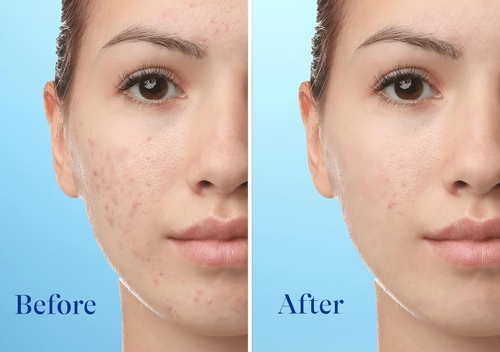
Before And After Results
Many users post photos comparing skin before and after using adapalene. Visible changes include:
- Smoother skin surface
- Reduced fine lines and wrinkles
- Less redness and irritation over time
- Improved skin tone and brightness
Results usually appear after consistent use for several weeks. Early stages may show mild dryness or peeling, but these often improve.
Common Challenges
Adapalene’s active nature can cause initial skin irritation. Users report:
- Dryness and flaking
- Redness and mild burning
- Increased sensitivity to sunlight
Patience is key. Gradual introduction and moisturizing help reduce discomfort. Many find these effects lessen after the first month.
Success Stories
Numerous users share positive experiences with long-term adapalene use. Highlights include:
- Noticeable wrinkle softening
- Firmer, youthful skin appearance
- Improved confidence and satisfaction
- Clearer complexion with fewer blemishes
These stories inspire others to maintain their skincare routine despite initial challenges.
Credit: www.allure.com
Frequently Asked Questions
What Is Adapalene Used For In Anti-aging?
Adapalene is a topical retinoid that helps reduce fine lines and wrinkles. It promotes cell turnover and collagen production, improving skin texture and firmness. This makes it effective for anti-aging skincare routines.
How Does Adapalene Improve Skin Aging Signs?
Adapalene accelerates skin cell renewal and reduces inflammation. It smooths wrinkles, fades dark spots, and evens out skin tone. Regular use leads to a more youthful, radiant complexion over time.
Can Adapalene Prevent Premature Skin Aging?
Yes, adapalene protects skin by promoting collagen and reducing damage from free radicals. It also unclogs pores and improves skin resilience, helping to prevent early signs of aging.
Is Adapalene Safe For Sensitive Aging Skin?
Adapalene is generally safe but may cause mild irritation initially. Start with a low concentration and use moisturizer to minimize dryness. Consult a dermatologist if you have very sensitive or reactive skin.
Conclusion
Adapalene helps reduce wrinkles and smooth skin texture. It works by speeding up skin cell renewal. This can make your skin look younger and fresh. Use it carefully to avoid dryness or irritation. Always follow the instructions and protect your skin from the sun.
Many people see results after a few weeks. Consistency is key for lasting effects. Adapalene is a useful option for anti-aging care. Try it as part of your daily skincare routine. Your skin can feel healthier and more vibrant.
