
Do you know that dirty makeup brushes can harm your skin and ruin your look? If you want your makeup to always look flawless and your skin to stay healthy, cleaning your brushes is a must.
But how often should you wash them? And what’s the best way to do it without damaging the bristles? Keep reading, because you’ll discover simple and effective steps to wash your makeup brushes the right way. Your skin will thank you, and your makeup will never look better!
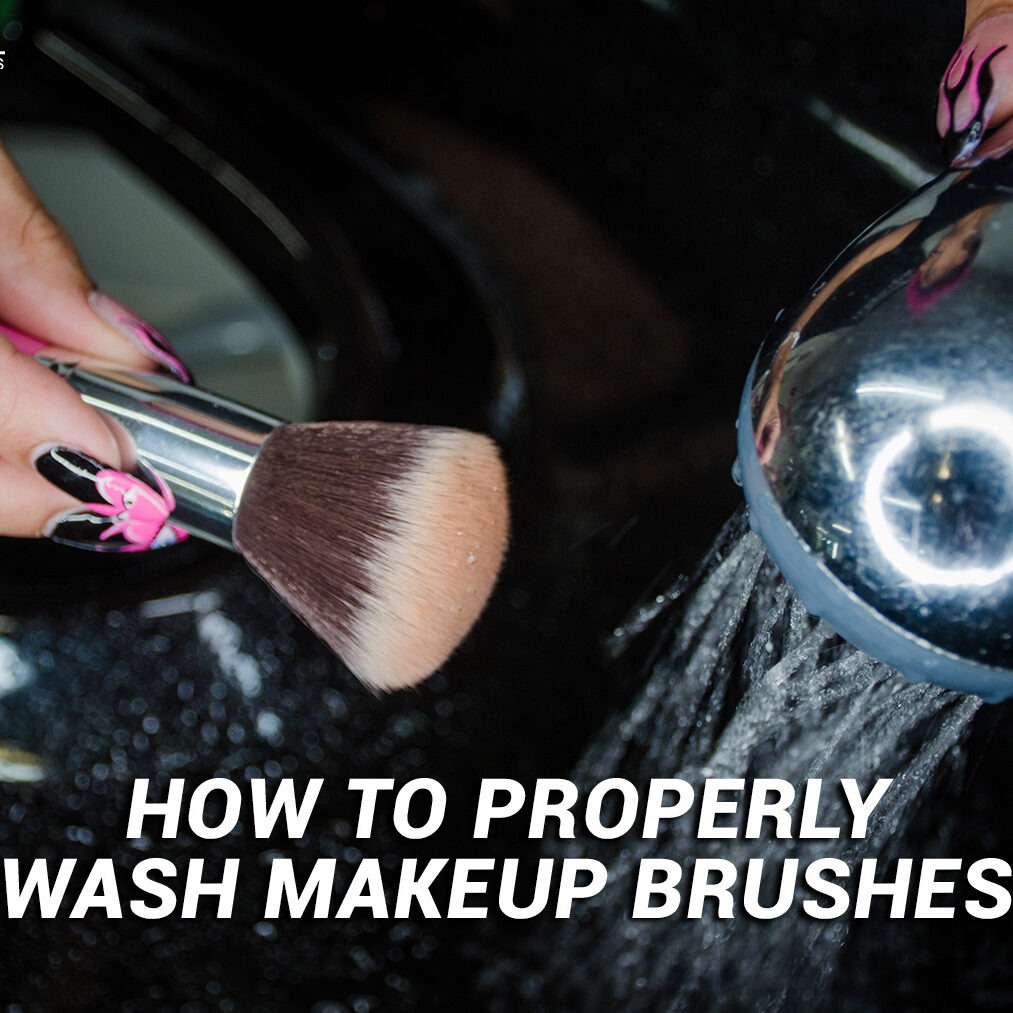
Credit: www.ogleschool.edu
Why Clean Makeup Brushes Matter
Cleaning makeup brushes is essential for many reasons. Dirty brushes can cause skin problems and affect your makeup look. Regular cleaning keeps your brushes in good shape and helps your makeup apply smoothly. Understanding why clean brushes matter helps you care for them better.
Impact On Skin Health
Makeup brushes collect oil, dirt, and bacteria from your skin. Using dirty brushes can cause breakouts and irritation. Clean brushes reduce the risk of acne and infections. Healthy skin starts with clean tools.
Brush Longevity
Dirt and makeup buildup damage brush bristles. Cleaning removes residue that wears down the fibers. Well-maintained brushes last longer and stay soft. This saves money by avoiding frequent replacements.
Makeup Application Quality
Clean brushes pick up and blend makeup better. They prevent patchy or uneven makeup. Fresh brushes help you achieve a flawless finish. Your makeup looks natural and smooth with clean tools.
When To Wash Your Brushes
Knowing when to wash your makeup brushes keeps your skin healthy and makeup flawless. Dirty brushes hold bacteria and old makeup. This can cause breakouts and dull application. Regular cleaning removes buildup and extends brush life. The timing depends on use and brush type. Some need daily care, others weekly. Paying attention to signs helps you clean brushes at the right time.
Daily Vs Weekly Cleaning
Some brushes need daily cleaning. Those used with liquid products like foundation or concealer can harbor bacteria fast. Wiping these brushes after each use prevents germs and stains.
Other brushes, like powder or blush brushes, need weekly cleaning. These dry brushes collect less oil and bacteria. Cleaning once a week removes dust and product residue.
For best results:
- Clean liquid product brushes daily with a quick brush cleanser.
- Wash powder brushes thoroughly once a week with soap and water.
Signs Brushes Need Cleaning
Brushes show clear signs when they need cleaning. Watch for:
- Makeup buildup on bristles or handle.
- Brushes feel stiff or sticky.
- Colors blend poorly on skin.
- Skin breaks out after using brushes.
- Brushes have a bad or sour smell.
Cleaning brushes as soon as you notice these signs keeps your skin safe. It also ensures smooth, even makeup every time.
Essential Tools For Cleaning
Keeping your makeup brushes clean is not just about hygiene; it also helps maintain the quality and performance of your brushes. Having the right tools at hand makes the cleaning process easier, faster, and more effective. Let’s look at the essential tools you need to wash your makeup brushes properly and keep them in top shape.
Brush Cleansers
Choosing the right brush cleanser is key to removing makeup, oils, and bacteria without damaging the bristles. You can find specialized brush cleansers in beauty stores that are gentle yet effective. Some are designed for specific brush types, like synthetic or natural hair, so check the label before buying.
If you want a deeper clean, consider a cleanser with antibacterial properties. These help reduce the risk of breakouts caused by dirty brushes. Have you ever noticed your foundation looking patchy? Often, a clean brush cleanser can make all the difference.
Alternative Cleaning Agents
If you don’t have a dedicated brush cleanser, don’t worry—you can use household items to clean your brushes safely. Mild dish soap, baby shampoo, or even olive oil mixed with soap work well to break down makeup residue.
Be cautious with harsh detergents or alcohol-based products as they can dry out the bristles. Using gentle, alternative agents can save you money and still keep your brushes fresh. Have you tried any of these alternatives yet? You might be surprised at how well they work.
Drying Tools
After washing, drying your brushes correctly is crucial to prevent damage and maintain their shape. Use a clean towel to gently squeeze out excess water. Avoid twisting or pulling the bristles, which can cause shedding.
Some beauty lovers use a drying rack or lay brushes flat on a surface with the bristles hanging off the edge. This helps them dry evenly and keeps moisture away from the handle. What’s your go-to drying method? Trying a new drying tool might improve your brush’s lifespan.
Step-by-step Deep Cleaning Process
Keeping your makeup brushes clean is essential for flawless application and healthy skin. A deep cleaning process removes buildup and bacteria that regular quick cleans can’t tackle. Let’s dive into the detailed steps to make your brushes fresh and ready for your next makeup session.
Removing Makeup Residue
Start by gently wiping off excess makeup from your brushes. You can use a tissue or a brush cleansing pad designed to catch pigment. This step helps prevent the buildup of stubborn stains and makes the deep clean more effective.
Think about how your brushes feel after a long day—oily and sticky. Removing residue first saves time during washing and protects the brush bristles from damage caused by harsh scrubbing. Have you noticed how much easier the brush cleans when you skip this step?
Lathering And Rinsing
Use a gentle soap or a specialized brush cleaner to create a rich lather. Swirl your brush bristles in the soap, working the cleanser deep into the fibers without forcing or pulling. This loosens dirt, oils, and leftover makeup trapped inside.
Rinse the brush under lukewarm water, pointing the bristles downward to avoid water seeping into the handle. Repeat lathering and rinsing until the water runs clear. This ensures all grime is washed away, leaving your brushes spotless.
Drying Techniques
After washing, gently squeeze out excess water with a clean towel. Reshape the bristles to maintain their form. Lay your brushes flat on a towel with the bristles hanging off the edge of a counter—this helps them dry evenly and prevents mold growth.
Have you tried standing brushes upright to dry? It might seem convenient, but water can seep into the handle and loosen the glue. Proper drying extends the life of your brushes and keeps them hygienic for every use.
Tips For Maintaining Clean Brushes
Keeping makeup brushes clean is key to healthy skin and flawless makeup. Proper care stops bacteria buildup and brush damage. Follow simple tips to maintain clean brushes and extend their life.
Storage Solutions
Store brushes in a dry place to avoid mold and bacteria. Use brush holders or cups that keep bristles upright. Avoid closed containers that trap moisture. Keep brushes separate from other items to prevent dirt.
Regular Quick Cleans
Do quick cleans after each use to remove surface makeup. Use brush cleaning sprays or gentle wipes. This stops product buildup and keeps brushes ready. Quick cleans take just a few minutes but make a big difference.
Avoiding Common Mistakes
- Never soak brushes in hot water; it damages bristles.
- Do not dry brushes with the bristles facing up; water can loosen glue.
- Avoid harsh soaps that dry out brushes and skin.
- Don’t skip drying time; wet brushes grow bacteria.

Credit: www.bebeautiful.in
Diy Brush Cleaning Recipes
Cleaning your makeup brushes at home can be simple and safe. DIY brush cleaning recipes use common ingredients to keep brushes fresh. These recipes avoid harsh chemicals that can damage bristles or irritate skin.
Using natural and cost-effective solutions helps maintain brush quality and saves money. These recipes are easy to make and use ingredients you likely have in your kitchen. Clean brushes improve makeup application and reduce skin problems.
Natural Cleansers
Natural cleansers gently remove makeup and dirt. They keep bristles soft and extend brush life. Here are some popular natural options:
- Olive Oil and Dish Soap:Mix equal parts olive oil and gentle dish soap. Olive oil conditions bristles while soap cleanses.
- Honey and Water:Combine one teaspoon honey with two tablespoons warm water. Honey is antibacterial and soothes brushes.
- Castile Soap:Use diluted castile soap with water. It’s a plant-based cleanser that is gentle and effective.
Cost-effective Solutions
Affordable cleaning methods save money and work well. They use ingredients found in most homes. These options keep brushes clean without extra expenses.
- Vinegar and Water:Mix one part white vinegar with two parts water. This solution disinfects and removes buildup.
- Baking Soda Paste:Make a paste with baking soda and water. Use it to scrub brushes lightly and rinse thoroughly.
- Baby Shampoo:Dilute baby shampoo with water for a mild cleanser. It cleans brushes without harsh chemicals.

Credit: www.victoriagreen.com
Frequently Asked Questions
How Often Should I Wash Makeup Brushes?
Washing makeup brushes weekly prevents bacteria buildup and skin irritation. Regular cleaning maintains brush quality and ensures flawless makeup application. For brushes used with liquid products, wash more frequently to avoid residue and clogging.
What Is The Best Way To Wash Makeup Brushes?
Use a gentle cleanser or brush shampoo with lukewarm water. Swirl the brush in the cleanser, rinse thoroughly, and reshape the bristles. Avoid soaking the handle to prevent damage.
Can I Use Household Soap To Clean Brushes?
Mild household soaps can work but may dry out bristles. It’s best to use a cleanser designed for makeup brushes to preserve softness and longevity.
How Do I Dry Makeup Brushes Properly?
After washing, gently squeeze out excess water with a towel. Lay brushes flat with bristles hanging off the edge to air dry. Avoid drying brushes upright to prevent water damage.
Conclusion
Caring for makeup brushes keeps them clean and effective. Regular cleaning prevents bacteria build-up, ensuring healthy skin. Use gentle soap and lukewarm water for the best results. Dry brushes thoroughly to maintain their shape. Consistent care extends the life of your brushes.
Plus, it keeps makeup application smooth and flawless. Make cleaning a regular habit. Your skin will thank you, and your makeup will look better. Enjoy the benefits of fresh, clean brushes every time. Clean brushes lead to a more hygienic beauty routine.
Happy cleaning!