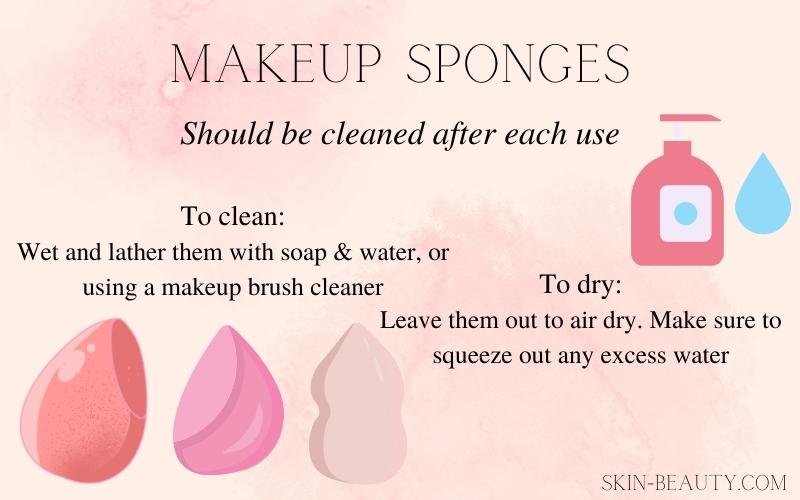
You use your makeup sponge every day to create a flawless look, but have you ever stopped to think about how clean it really is? Dirty sponges can harbor bacteria, cause breakouts, and ruin your makeup application.
Cleaning your makeup sponges might seem like a hassle, but with the right steps, it can be quick and easy. You’ll discover simple, effective ways to keep your sponges fresh and safe for your skin. Keep reading to learn how to protect your skin and make your makeup last longer by mastering the art of cleaning your makeup sponges.
Why Clean Makeup Sponges
Cleaning makeup sponges is a simple task that has big benefits. Dirt and oils collect on sponges after use. This buildup can harm your skin and affect your makeup look. Regular cleaning keeps your sponges fresh and safe for daily use. It also helps your makeup apply smoothly and evenly. Taking care of your sponges extends their life, saving you money. Here is why cleaning makeup sponges matters.
Preventing Bacteria Build-up
Makeup sponges trap oils, dirt, and dead skin cells. This creates a perfect place for bacteria to grow. Using dirty sponges can cause skin problems like acne and irritation. Cleaning sponges stops bacteria from multiplying. It protects your skin from infections and breakouts. Clean sponges keep your face healthy and clear.
Improving Makeup Application
Dirty sponges absorb more product and do not blend well. This leads to uneven makeup and patchy skin. Clean sponges spread foundation and concealer smoothly. They help create a flawless, natural finish. Fresh sponges give better control and precision. Your makeup looks fresh and lasts longer.
Extending Sponge Lifespan
Makeup sponges are soft and delicate. Dirt and makeup residue can break down their material. This makes sponges tear or lose shape quickly. Cleaning sponges gently removes buildup without damage. Well-maintained sponges last longer and stay soft. You save money by not replacing them often.
Credit: www.walmart.ca
Tools And Materials Needed
Cleaning makeup sponges requires a few simple tools and materials. These items help remove dirt, oil, and makeup residue. Using the right products protects your skin and keeps sponges soft. Gather these essentials before starting the cleaning process.
Types Of Cleansers
- Gentle liquid soap: Mild and safe for delicate sponges
- Specialty sponge cleansers: Designed specifically for makeup tools
- Baby shampoo: A gentle alternative for deep cleaning
- Bar soap: Works well for stubborn makeup stains
- Olive oil and dish soap mix: Breaks down heavy makeup effectively
Additional Cleaning Aids
- Warm water: Opens pores in the sponge for better cleaning
- Clean bowl or sink: Holds water and cleanser during washing
- Soft washcloth: Helps scrub without damaging the sponge
- Clean towel: For gentle drying after rinsing
- Mesh laundry bag: Protects sponges in washing machines
Step-by-step Cleaning Process
Keeping your makeup sponges clean is essential not just for flawless makeup application but also for skin health. The cleaning process might seem tedious, but it’s straightforward and quick once you get the hang of it. Let’s break down how you can refresh your sponge effectively with simple steps that fit right into your routine.
Rinsing The Sponge
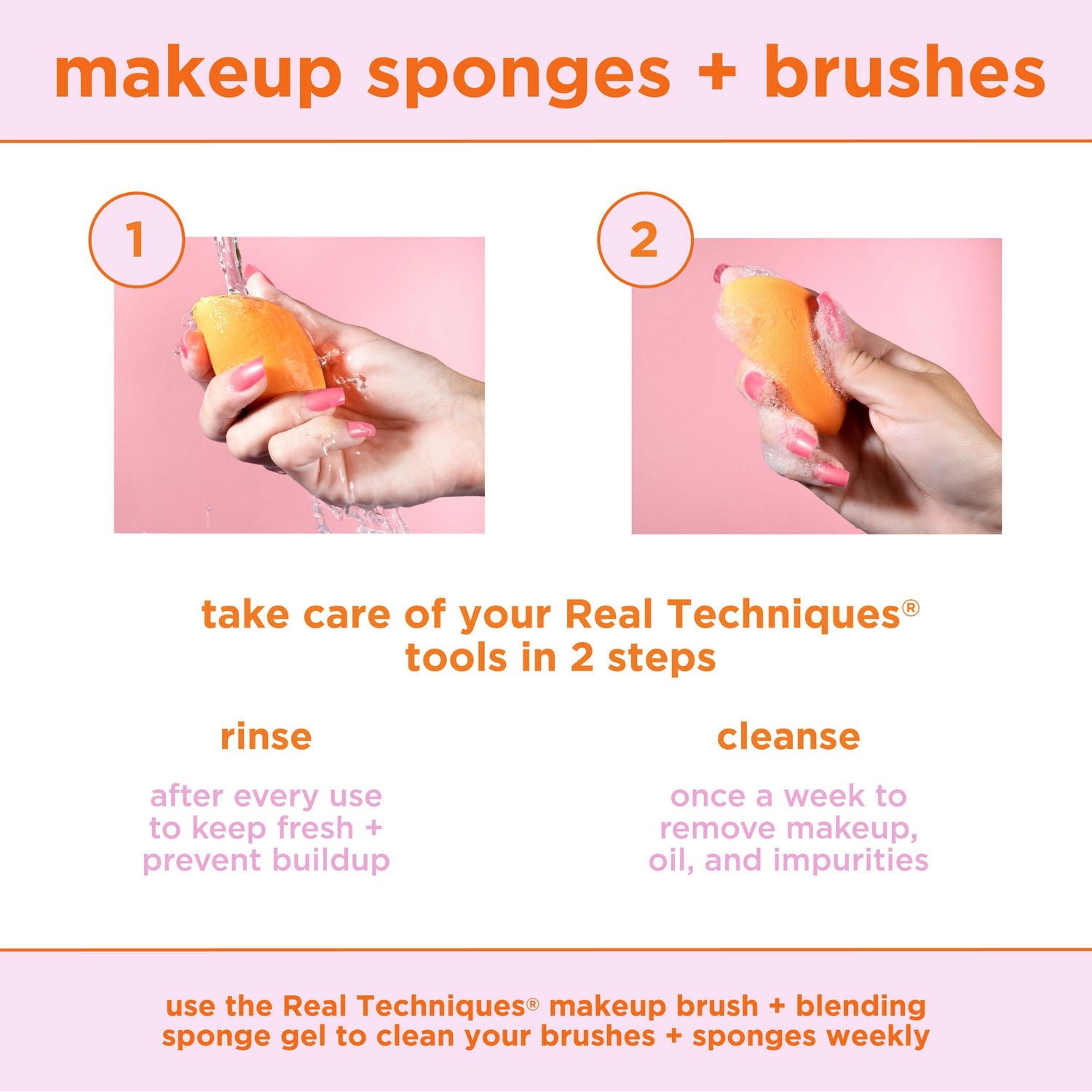
Start by running your makeup sponge under warm water. Make sure it’s fully soaked to soften any dried makeup stuck inside. This initial rinse helps loosen up the product, making it easier to clean deeply.
Applying Cleanser
Next, apply a gentle cleanser directly onto the sponge. You can use a liquid soap, baby shampoo, or a cleanser made specifically for makeup tools. Don’t be shy with the amount; a good lather starts with enough cleanser to cover the surface.
Massaging And Lathering
Gently massage the sponge using your fingers, pressing it repeatedly to work the cleanser inside. Focus on areas with heavy makeup build-up. This action helps break down oils and pigments trapped in the sponge’s pores.
Rinsing Thoroughly
Rinse the sponge under warm running water while squeezing it to remove soap and makeup residue. Keep rinsing until the water runs clear. If the water is still colored, repeat the cleansing and massaging steps to avoid leftover grime.
Squeezing Out Excess Water
Once your sponge is clean, press it firmly between your palms to squeeze out as much water as possible. Avoid twisting or wringing, which can damage the sponge’s shape. Removing excess water speeds up the drying process and keeps it ready for your next use.
Drying Properly
Place your sponge in a well-ventilated area to air dry completely. Avoid storing it in closed containers while damp, as this can cause bacteria growth. Have you noticed how a dry sponge feels different on your skin? That freshness is key to a healthy makeup routine.
Deep Cleaning Tips
Cleaning your makeup sponges deeply is essential to keep them fresh and extend their life. Surface cleaning often misses the buildup inside the sponge, which can cause bacteria growth and affect your skin. Below are some effective tips to help you get your sponges thoroughly clean and ready for flawless makeup application.
Using Oil-based Cleansers
Oil-based cleansers break down stubborn makeup, especially waterproof formulas. Apply a small amount of cleanser directly onto your damp sponge and gently massage it in circular motions. You’ll see the makeup dissolving, making it easier to rinse away without damaging the sponge.
After massaging, rinse the sponge under warm water until the water runs clear. This technique not only removes makeup but also keeps your sponge soft and pliable. Have you tried using your regular facial oil as a cleanser? It can work surprisingly well!
Microwave Cleaning Method
This method uses heat to kill bacteria trapped inside your sponge. First, soak your sponge in a bowl of water mixed with a few drops of liquid soap. Place the bowl in the microwave and heat it for about one minute.
Be careful when removing the bowl as it will be hot. The heat and soap work together to deep clean your sponge. After microwaving, squeeze out excess water and let the sponge air dry completely.
Freezing To Remove Residue
Freezing might sound unusual, but it helps remove dried makeup residue effectively. Place your damp sponge inside a sealable plastic bag and freeze it overnight. The cold hardens the makeup, making it easier to break off when you squeeze or rinse the sponge the next day.
This method is gentle and prevents the sponge from wearing out quickly. Have you noticed how sometimes residue just won’t come off with regular washing? Freezing could be your secret weapon.
How Often To Clean Sponges
Knowing how often to clean your makeup sponges keeps your skin healthy and your makeup flawless. Dirty sponges can harbor bacteria and cause breakouts. Regular cleaning also extends the life of the sponge and improves makeup application. The frequency depends on how often you use the sponge and the type of makeup applied.
Daily Vs Weekly Cleaning
Daily cleaning removes surface product and oils after each use. This quick rinse helps prevent buildup and bacteria growth. Use a gentle cleanser or soap and rinse with warm water. Let it air dry before the next use.
Weekly deep cleaning removes stubborn makeup and grime. Soak the sponge in warm water with cleanser for several minutes. Gently squeeze and rinse until the water runs clear. This deep clean keeps the sponge fresh and hygienic.
Signs Your Sponge Needs Cleaning
- Makeup does not blend well or looks patchy
- Sponge feels sticky or heavy with product
- Unpleasant smell coming from the sponge
- Visible stains or buildup on the sponge surface
- Skin irritation or breakouts after use
Cleaning your sponge at the right time ensures smooth makeup and clear skin. Watch for these signs and clean accordingly.

Credit: m.youtube.com
Common Mistakes To Avoid
Cleaning your makeup sponges might seem straightforward, but many fall into common traps that reduce their lifespan and effectiveness. Avoiding these mistakes keeps your tools hygienic and your skin healthy. Let’s look at some key errors you should watch out for to get the best results from your cleaning routine.
Using Harsh Chemicals
Many people think stronger cleaning agents will do a better job. However, harsh chemicals can break down the sponge material quickly. This not only shortens the sponge’s life but also risks skin irritation when you use it later.
Stick to gentle cleansers designed for delicate beauty tools or mild soap. Your sponge will stay soft and effective longer, and your skin will thank you for it.
Improper Drying
Have you ever stored your sponge right after washing, still damp? This mistake invites mold and bacteria growth inside the sponge. Even if it looks clean, a damp environment can turn your sponge into a breeding ground for germs.
Always squeeze out excess water gently and let your sponge air dry in a well-ventilated area. Avoid tossing it into closed drawers or makeup bags until it’s completely dry.
Neglecting Regular Cleaning
It’s tempting to skip cleaning your sponge after every use, especially when you’re in a rush. But neglecting regular cleaning allows makeup residue and oils to build up, which can clog pores and cause breakouts.
Try to clean your sponges at least twice a week if you use them daily. Keeping a quick-clean routine will make deep cleaning easier and your application smoother.
Maintaining Sponge Hygiene
Keeping your makeup sponges clean is essential for healthy skin and flawless makeup application. Dirty sponges can harbor bacteria, cause breakouts, and affect the performance of your products. Paying attention to how you store and replace your sponges helps you maintain optimal hygiene and enjoy better results every day.
Storage Tips
How you store your makeup sponge directly impacts its cleanliness. Avoid tossing it into a closed container right after use, as moisture can lead to mold growth. Instead, let your sponge air dry completely in a well-ventilated area.
Using a breathable mesh bag or a sponge holder with holes can keep your sponge dry and free from dust. If you travel often, consider a case that allows airflow rather than a sealed plastic box. Have you noticed your sponge smelling off after storage? That’s a sign to rethink how you’re storing it.
Replacing Sponges
Even with regular cleaning, makeup sponges don’t last forever. Over time, they break down and become less effective at blending. You should replace your sponge every 1 to 3 months, depending on usage and care.
Keep an eye out for changes like tears, discoloration, or persistent odors that don’t go away after washing. These are clear indicators it’s time for a new sponge. Think of it as an investment in your skin’s health and makeup’s appearance—would you want to use a worn-out tool on your face?

Credit: www.rmsbeauty.com
Frequently Asked Questions
How Often Should I Clean Makeup Sponges?
You should clean makeup sponges after every use. This prevents bacteria buildup and skin irritation. Regular cleaning keeps the sponge effective and extends its life.
What Is The Best Way To Clean Makeup Sponges?
Use gentle soap or a cleanser specifically for makeup tools. Wet the sponge, lather the soap, and rinse thoroughly. Repeat until water runs clear to remove all makeup residue.
Can I Use A Microwave To Clean Makeup Sponges?
Yes, microwaving damp sponges for about 30 seconds can sanitize them. Ensure the sponge is wet to avoid damage. Let it cool before handling to prevent burns.
How Do I Dry Makeup Sponges Properly?
Squeeze out excess water gently without twisting. Place the sponge in a well-ventilated area to air dry. Avoid storing in closed containers when damp to prevent mold growth.
Conclusion
Cleaning makeup sponges is easy with the right steps. Regular cleaning keeps them fresh and bacteria-free. Use gentle soap and warm water for best results. Squeeze out excess water and let them dry completely. This routine ensures your skin stays healthy and clean.
Dirty sponges can cause breakouts and skin issues. Clean sponges apply makeup smoothly and evenly. Keep your beauty tools in top condition. Your skin will thank you for it. Simple maintenance, big benefits. Enjoy a flawless makeup routine every day.
