Your nails might seem like a small part of your body, but if you have diabetes, they need special care. Ignoring your nails can lead to serious problems, from infections to painful wounds.
Taking a few simple steps today can protect your feet and keep you comfortable. You’ll discover easy and effective ways to care for your nails, helping you stay healthy and avoid complications. Keep reading to learn how to make your nail care routine safe and simple.
Credit: upperlinehealth.com
Impact Of Diabetes On Nail Health
Diabetes doesn’t just affect your blood sugar levels—it also takes a toll on your nail health. Nails may seem small, but changes in their condition can signal deeper issues related to diabetes. Understanding how your nails are impacted can help you catch problems early and maintain overall foot and hand health.
How Diabetes Affects Nails
High blood sugar levels can damage blood vessels and nerves, reducing circulation to your extremities. This poor circulation means your nails receive less oxygen and nutrients, making them weaker and more prone to injury.
Additionally, nerve damage (neuropathy) can make it harder for you to notice cuts or infections around your nails. This delay in detection often leads to complications that are tougher to treat.
Have you ever felt numbness or tingling in your fingers or toes? That sensation is a warning sign your nail health might be at risk.
Common Nail Problems In Diabetics
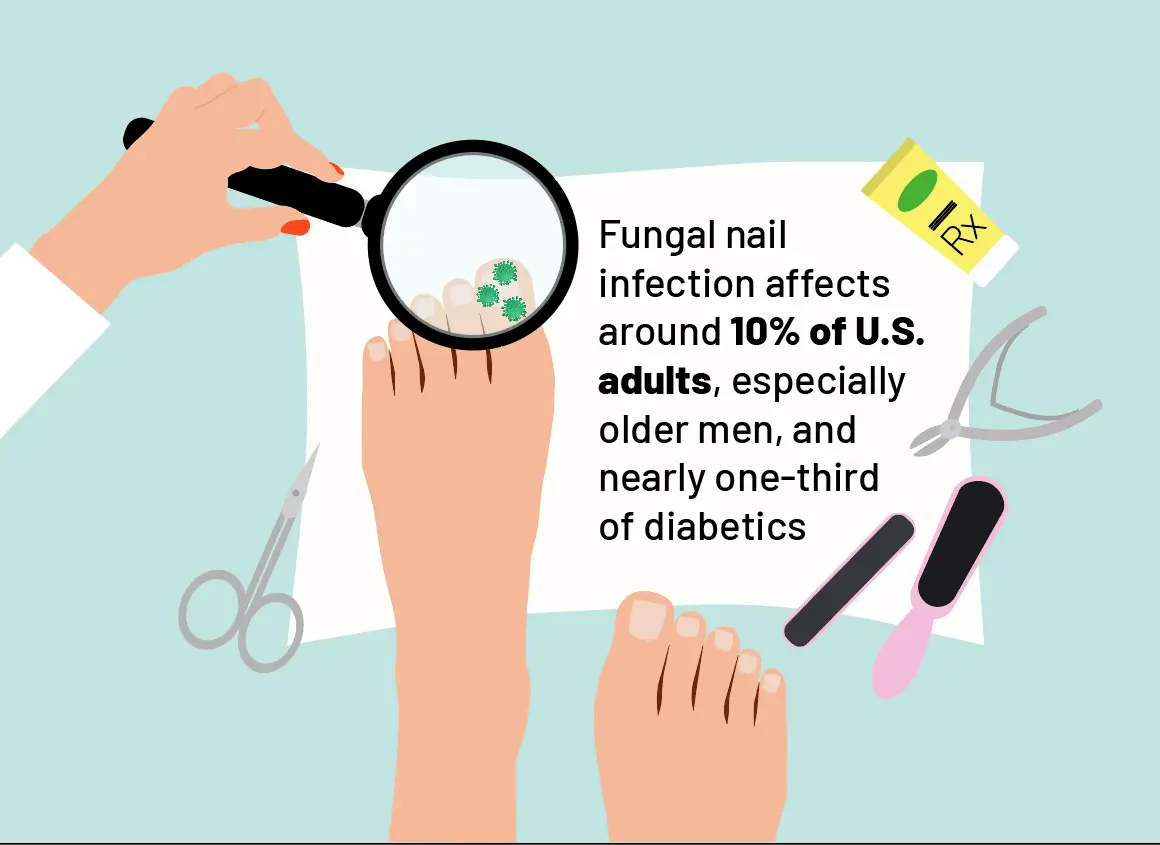
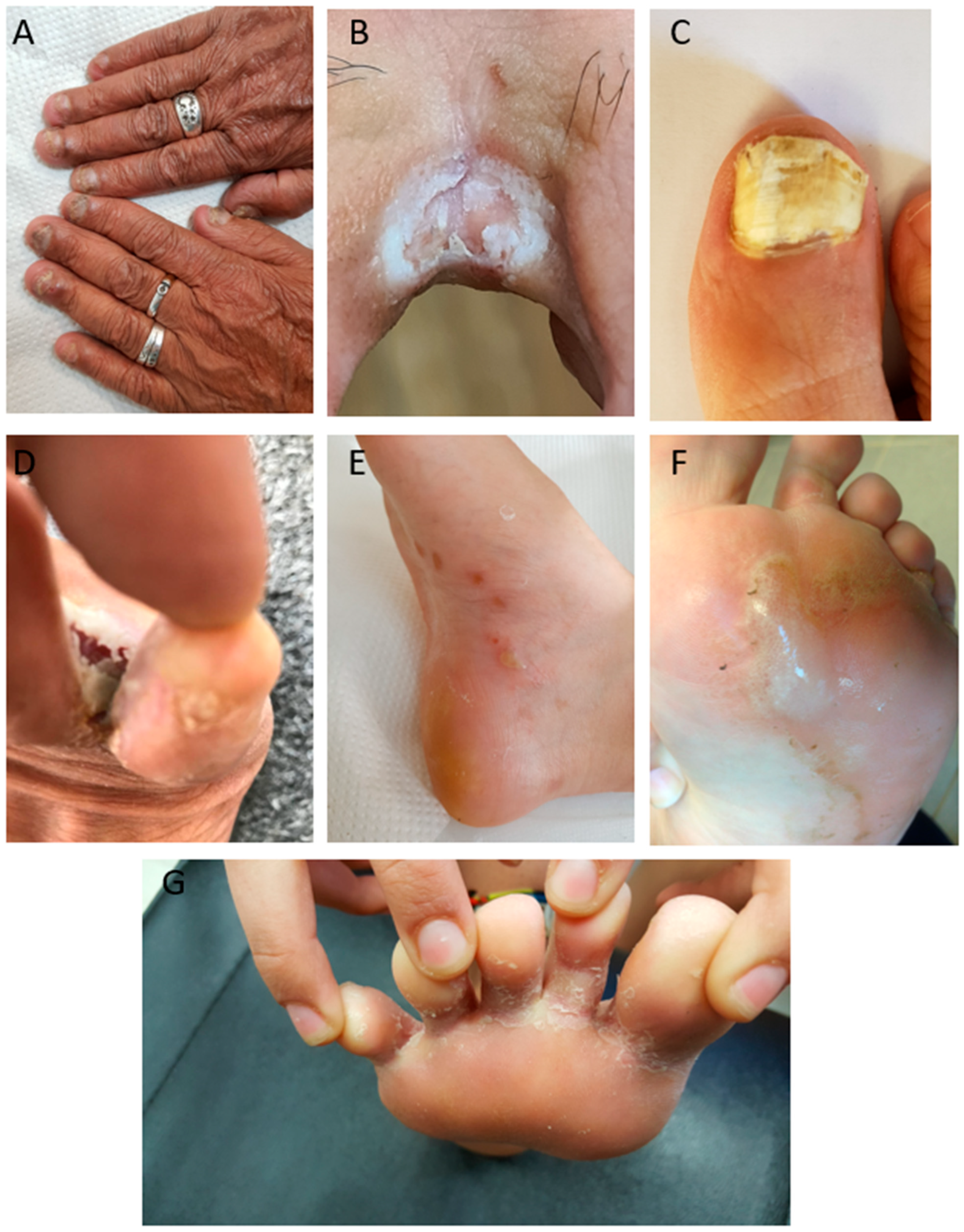
- Fungal infections:Thickened, discolored, or brittle nails often point to fungal growth, which thrives in warm, moist environments common in people with diabetes.
- Ingrown nails:Due to poor healing and neuropathy, ingrown nails can quickly become infected and painful.
- Slow nail growth:Reduced blood flow slows down nail regeneration, making them more fragile and prone to splitting.
- Clubbing and discoloration:Nails may become rounded or yellowish, indicating circulation problems or infections.
Taking care of your nails goes beyond aesthetics—it’s about protecting your overall health. What small steps can you take today to keep your nails healthy and avoid serious complications?
Daily Nail Care Routine
Maintaining a daily nail care routine is essential for people with diabetes. Your nails can easily become a source of infection or discomfort if not cared for properly. Simple, consistent habits can keep your nails healthy and prevent complications.
Cleaning And Moisturizing
Keep your nails clean by gently washing them with warm water and mild soap every day. Dirt and bacteria can hide under your nails, increasing the risk of infections.
After cleaning, dry your feet and nails thoroughly. Moisturize your skin daily to prevent dryness and cracking, which can lead to wounds. Avoid applying lotion between your toes to reduce the chance of fungal growth.
Proper Nail Trimming Techniques
Trim your nails straight across to avoid ingrown nails, which can cause pain and infection. Use clean, sharp nail clippers designed for toenails or fingernails.
If your nails are thick or hard to cut, soaking them in warm water for a few minutes softens them. Never cut nails too short or round the edges, as this can lead to cuts or ingrown nails.
Have you checked your nails today? Paying attention to small changes can help you act early and protect your health.
Choosing The Right Nail Products
Choosing the right nail products is crucial for people with diabetes. Nails can become fragile and prone to infections. Using safe products helps protect nail health and avoid complications. It is important to select nail polish and care items that do not irritate the skin or weaken the nails.
Safe Nail Polish Options
Pick nail polishes labeled as “non-toxic” or “free from harmful chemicals.” These formulas reduce the risk of irritation. Water-based nail polishes are gentler and easier to remove. Look for brands that avoid strong solvents and allergens. Nail polishes with added vitamins or strengthening agents can support nail health. Always test a small area first to check for reactions.
Avoiding Harmful Chemicals
Steer clear of nail products containing formaldehyde, toluene, and dibutyl phthalate (DBP). These chemicals can cause dryness and damage nails. Avoid acetone-based removers that dry out the skin. Choose gentle, moisturizing removers instead. Nail hardeners with harsh chemicals should be avoided. Check ingredient lists carefully before buying any product.
Preventing Infections And Injuries
Taking good care of your nails is crucial when you have diabetes. Even small cuts or infections can lead to serious problems because diabetes can slow down healing and reduce blood flow. Paying attention to your nails helps you avoid pain and complications that might affect your overall health.
Signs Of Nail Infections
Knowing the signs of nail infections can help you act quickly. Watch for redness, swelling, or warmth around the nail. You might also notice pus, pain, or an unpleasant smell.
If your nail changes color, becomes thick, or starts to separate from the skin, these could be warning signs too. Don’t ignore any unusual symptoms—your body is telling you something needs attention.
Protective Measures For Nails
Protecting your nails means creating a safe environment for them every day. Keep your nails trimmed straight across to avoid ingrown nails, which can cause infections.
Wear comfortable shoes that don’t squeeze your toes, and always check your feet for cuts or blisters after walking. Moisturize your feet and nails regularly, but avoid putting lotion between your toes to prevent fungal growth.
- Use clean nail tools and avoid sharing them
- Wear socks that wick moisture away from your skin
- Avoid walking barefoot, even at home
Have you ever noticed how a tiny nail injury can turn into a big problem? Taking these simple steps can protect you from painful infections and keep your nails healthy.
When To See A Healthcare Professional
Knowing when to seek professional help for your nails is crucial if you have diabetes. Nail problems can quickly escalate into serious infections due to reduced blood flow and nerve sensitivity. Paying attention to changes and acting early can save you from painful complications.
Warning Signs Requiring Medical Attention
Watch for redness, swelling, or pus around your nails. These could be signs of infection that need immediate treatment.
If your nails become thick, discolored, or start to separate from the skin, don’t ignore these symptoms. They might indicate fungal infections or other issues that require a healthcare professional’s care.
Persistent pain, bleeding, or ulcers near your nails are serious warning signals. These symptoms should prompt you to contact your doctor without delay.
Role Of Podiatrists And Dermatologists
Podiatrists specialize in foot and nail health, making them ideal for managing diabetic nail problems. They can trim thick or ingrown nails safely and treat infections before they worsen.
Dermatologists focus on skin and nail disorders and can diagnose fungal infections or other nail diseases. Their expertise helps in prescribing the right medications and treatments tailored to your condition.
Both specialists work together to protect your nails and prevent complications. Have you checked your nails closely today? Early care could make all the difference.
Credit: www.360healthpharmacy.ca
Lifestyle Tips For Stronger Nails
Strong nails need more than just regular trimming. Daily habits play a big role in nail health, especially for people with diabetes. Careful attention to lifestyle can reduce nail problems and boost strength. Simple changes can make nails less likely to break or get infections.
Nutrition For Nail Health
Eating the right foods helps nails grow strong. Nutrients like biotin, zinc, and protein are key. Include these in meals:
- Eggs for protein and biotin
- Leafy greens for vitamins and minerals
- Nuts and seeds for healthy fats and zinc
- Lean meats and fish for iron and protein
- Fruits rich in vitamin C for collagen production
Drink plenty of water to keep nails hydrated. Avoid diets low in essential nutrients to prevent brittle nails.
Managing Blood Sugar Levels
Stable blood sugar helps maintain healthy nail tissue. High sugar levels can cause poor circulation and infections.
- Check blood sugar regularly
- Follow medication and diet plans
- Avoid sugary snacks and drinks
- Exercise to improve circulation
- Keep feet and hands clean and dry
Good control reduces the risk of nail damage and infections. Healthy blood sugar supports nail growth and repair.
Credit: www.mdpi.com
Frequently Asked Questions
How Does Diabetes Affect Nail Health?
Diabetes can cause poor blood circulation and nerve damage. This leads to slow nail growth and infections. High blood sugar increases the risk of fungal nail infections and wounds that heal slowly.
What Are The Best Nail Care Tips For Diabetics?
Keep nails clean and dry to prevent infections. Trim nails straight and avoid cutting cuticles. Moisturize daily and check feet regularly for cuts or sores.
Can Diabetic Patients Safely Get Professional Manicures?
Yes, but choose salons with strict hygiene. Inform the technician about diabetes. Avoid aggressive nail treatments that may cause cuts or infections.
Why Is Monitoring Foot And Nail Health Crucial For Diabetics?
Diabetics have higher risk of infections and ulcers. Early detection of nail problems prevents complications like gangrene. Regular inspection helps maintain overall foot health.
Conclusion
Caring for nails is crucial for people with diabetes. Proper nail care can prevent infections and complications. Always keep nails clean and trimmed. Moisturize your feet to avoid dryness. Check regularly for any signs of problems. Seek medical help if you notice anything unusual.
Healthy habits ensure happy feet. Simple steps can make a big difference. Prioritize your nail care routine. It’s essential for overall health and well-being. Remember, healthy feet mean a healthier you. Stay proactive and vigilant. Your feet will thank you for it.
