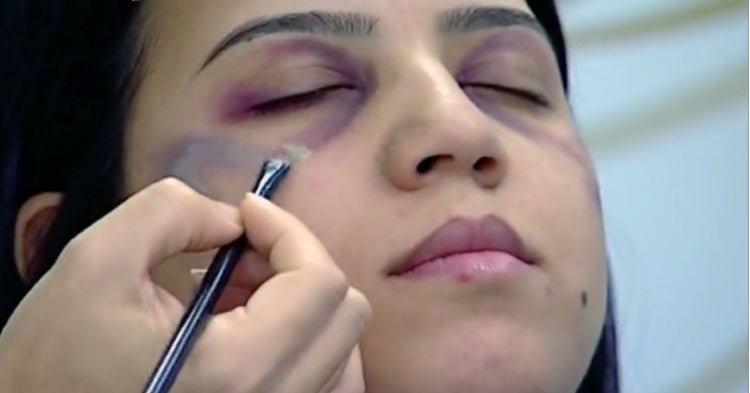
Have you ever wished you could instantly hide a bruise before heading out? Whether it’s from a small accident or an unexpected bump, a bruise can make you feel self-conscious.
The good news is, with the right makeup tricks, you can quickly cover it up and feel confident again. You’ll discover simple, step-by-step tips to conceal your bruise like a pro. Keep reading, and you’ll learn how to make your skin look flawless in no time.
Prepare The Skin
Preparing your skin before covering a bruise with makeup is crucial. It creates a smooth base that helps the makeup stay put and look natural. Skipping this step can cause your makeup to cake or fade quickly, especially over sensitive areas like bruises.
Cleanse And Moisturize
Start with a gentle cleanser to remove dirt and oils from your skin. This step prevents makeup from sliding off and ensures better adhesion. After cleansing, apply a lightweight moisturizer to keep your skin hydrated without making it greasy.
Hydrated skin helps makeup blend seamlessly, especially around uneven textures caused by bruises. Have you noticed how dry skin makes concealers look patchy? Moisturizing minimizes that problem and protects your skin during heavy makeup use.
Apply Primer
Primer acts like a glue for your makeup, helping it stick better and last longer. Choose a primer that suits your skin type—mattifying for oily skin or hydrating for dry skin. Applying primer smooths out your skin’s surface, reducing the appearance of bumps or discoloration around the bruise.
Think of primer as your secret weapon for flawless coverage. It creates an even canvas, making it easier to layer color-correcting concealers and foundation without emphasizing the bruise. Have you tried skipping primer and noticed your makeup fading too soon?
Choose The Right Products
Choosing the right products makes covering a bruise easier and more effective. The right items help hide colors and textures beneath your skin. They create a natural look without feeling heavy or cakey. Quality products also last longer throughout the day. Focus on items designed for full coverage and color correction. This will give the best results for bruises.
Color Correctors For Bruises
Color correctors help neutralize the bruise color before applying foundation or concealer. Different bruise colors need different corrector shades. For example:
- Yellow or green bruises: Use a purple or lavender corrector
- Red or pink bruises: Use a green corrector
- Blue or purple bruises: Use a yellow or peach corrector
Apply a thin layer of corrector with a clean brush or fingertip. Blend gently to cover the discoloration without rubbing it off.
Concealers With Full Coverage
Choose a concealer labeled as full coverage or high coverage. These conceal strong colors and dark spots better than light concealers. Cream or stick concealers usually offer thicker coverage than liquids. Pick a shade that matches your skin tone closely. Dab the concealer on top of the color corrector and blend the edges softly. Avoid using too much product to keep a natural finish.
Setting Powders And Sprays
Setting powders help lock makeup in place and reduce shine. Use a translucent powder to avoid changing the concealer’s color. Lightly press the powder over the covered bruise with a fluffy brush or makeup sponge. Setting sprays add extra hold and prevent makeup from sliding off. Spray from a distance to keep the makeup intact and fresh for hours.
Step-by-step Application
Covering a bruise with makeup can feel tricky, but breaking it down into clear steps makes the process much easier. You want your makeup to look natural, not cakey or obvious. Focus on neutralizing the color first, then building coverage, and finally blending everything seamlessly into your skin.
Neutralize The Discoloration
Start by identifying the bruise’s color. Bruises often have blue, purple, or green tones. Use a color corrector that cancels out these hues—peach or orange shades work well for blue and purple, while yellow tones help with green.
Apply the corrector lightly using a small brush or your fingertip. Dab gently instead of rubbing to avoid irritating the skin. Have you noticed how a little color corrector can make the concealer work so much better?
Build Coverage With Concealer
Choose a concealer that matches your skin tone exactly. Use a creamy formula for better coverage without dryness. Apply it over the corrected area in thin layers.
Pat the concealer with a sponge or your finger, layering gradually until the bruise fades. Avoid heavy application at once; building coverage slowly looks more natural. Do you find that layering helps the makeup last longer throughout your day?
Blend Seamlessly
Blending is key to making the makeup look like your skin. Use a damp makeup sponge or a soft brush to blend the edges of the concealer into the surrounding skin. This softens the lines and avoids any harsh contrast.
Set the area with a light dusting of translucent powder to keep everything in place. Be careful not to over-powder, or the makeup may crack. What’s your favorite tool for blending—sponge, brush, or fingers?
Credit: www.lemon8-app.com
Tips For Different Bruise Colors
Bruises change colors as they heal. Each color needs a different makeup approach. Using the right color corrector helps hide the bruise better. This section explains how to cover purple, blue, green, yellow, red, and pink bruises effectively.
Purple And Blue Bruises
Purple and blue bruises are common right after injury. Use a yellow or peach color corrector. These colors cancel out purple tones well. Dab the corrector gently on the bruise. Blend the edges softly for a natural look. Then apply foundation on top to match your skin.
Green And Yellow Bruises
Green and yellow bruises appear as healing progresses. Use a pink or red color corrector to cover green areas. For yellow bruises, try a lavender or light purple corrector. These neutralize yellow tones effectively. Apply the corrector in thin layers. Follow with foundation and set with powder.
Red And Pink Bruises
Red and pink bruises look fresh and inflamed. Use a green color corrector to balance redness. Apply it lightly and blend well around the edges. After, cover with foundation that matches your skin tone. Finish with a setting powder to keep makeup in place longer.
Maintain The Look All Day
Keeping your makeup flawless all day can be a real challenge, especially when you’re covering up a bruise. The key is to protect your hard work without feeling like you’re constantly babysitting your face. Let’s look at simple ways to maintain that fresh, natural look from morning coffee to evening plans.
Avoid Touching The Area
It’s tempting to rub or scratch the spot, especially if it feels tender. But touching your bruise can smudge the makeup and make it fade faster. Try to keep your hands away, and be mindful when you’re washing your face or adjusting your hair.
Have you noticed how a quick touch can undo hours of careful application? Keeping your hands off is the easiest way to hold onto your coverage.
Reapply Concealer If Needed
No makeup lasts perfectly without a little touch-up. Carry a small concealer stick or pot with you for quick fixes during the day. Dab a tiny amount on any areas where the bruise starts to peek through, and gently blend with your fingertip or a clean brush.
This quick reapplication can boost your confidence without requiring a full makeup redo. It’s a small step that makes a big difference.
Use Setting Spray
A good setting spray locks your makeup in place and keeps it looking fresh. After finishing your coverage, spritz a light mist over your face, holding the bottle about 8-10 inches away. This creates a protective barrier that helps prevent fading and creasing.
Many find that setting spray not only extends wear time but also reduces the need for multiple touch-ups. Have you tried one yet? It might just become your new makeup essential.

Credit: www.ulike.com
Common Mistakes To Avoid
Covering up a bruise with makeup might seem straightforward, but many people unknowingly make mistakes that make the bruise more noticeable. Avoiding these common errors can save you time and frustration, and give you a flawless finish that blends naturally with your skin. Let’s look at some pitfalls you should steer clear of to improve your makeup game.
Overusing Product
Applying too much concealer or foundation is a common trap. It can make the skin look cakey and draw more attention to the bruise rather than hiding it.
Instead, start with a thin layer and build coverage slowly. Use a light hand and blend well to keep the texture natural and smooth.
Ask yourself: have you ever noticed makeup cracking or looking heavy around problem areas? That’s usually too much product at work.
Skipping Color Correction
Bruises often have blue, purple, or green tones that regular concealers can’t fully cover. Skipping color correction means your makeup might not neutralize these colors effectively.
Use a color corrector before concealer—peach or orange shades work well for blue and purple bruises. This step balances out discoloration and creates a better base for concealer.
Why settle for patchy coverage when a simple color corrector can even out skin tone dramatically?
Ignoring Skin Type
Your skin type affects how makeup sits and lasts. If you have dry skin, heavy creams can highlight dryness and flakes, making the bruise more visible.
Oily skin types may find thick formulas slide off or settle into pores, ruining the coverage. Choose products designed for your skin type—hydrating formulas for dry skin and mattifying options for oily skin.
Have you tried a product that looked great at first but faded or cracked after a few hours? Matching your makeup to your skin type can prevent that.

Credit: www.reddit.com
Frequently Asked Questions
How Do I Prep Skin Before Covering A Bruise?
Cleanse and moisturize the skin gently. Use a primer to create a smooth base. This helps makeup adhere better and last longer on the bruise.
What Makeup Products Best Cover Bruises?
Use a color corrector, concealer, and foundation. Green correctors neutralize redness, while yellow or peach tones hide purple bruises. Choose full-coverage, long-wear formulas for the best results.
Can I Cover A Bruise Without It Looking Cakey?
Yes, apply thin layers and blend well. Use a damp makeup sponge for natural finish. Avoid heavy powders and set lightly with translucent powder.
How Long Does Makeup Coverage On Bruises Last?
Makeup can last 6 to 12 hours depending on product quality. Use setting spray to extend wear. Reapply concealer if needed throughout the day.
Conclusion
Hiding a bruise with makeup is simple with the right steps. Clean your skin gently. Apply a color corrector to neutralize the bruise. Use concealer to blend with your skin tone. Set with a light dusting of powder. Practice makes it easier.
Always be gentle to avoid further irritation. Remember, makeup is temporary. Allow your bruise time to heal naturally. With patience and practice, you can confidently conceal any bruise. Makeup is your tool for quick cover-ups. Feel comfortable and confident in your skin every day.