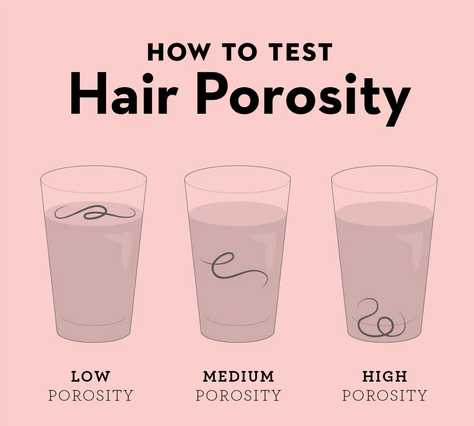
If you have low porosity hair, you might often feel like your hair just won’t absorb moisture no matter what you try. It can be frustrating when products sit on your hair instead of working their magic.
But don’t worry—understanding how to care for low porosity hair can change everything. You’ll discover simple, effective tips to keep your hair hydrated, healthy, and full of life. Ready to unlock the secret to your best hair days? Keep reading, because your hair deserves the right care.
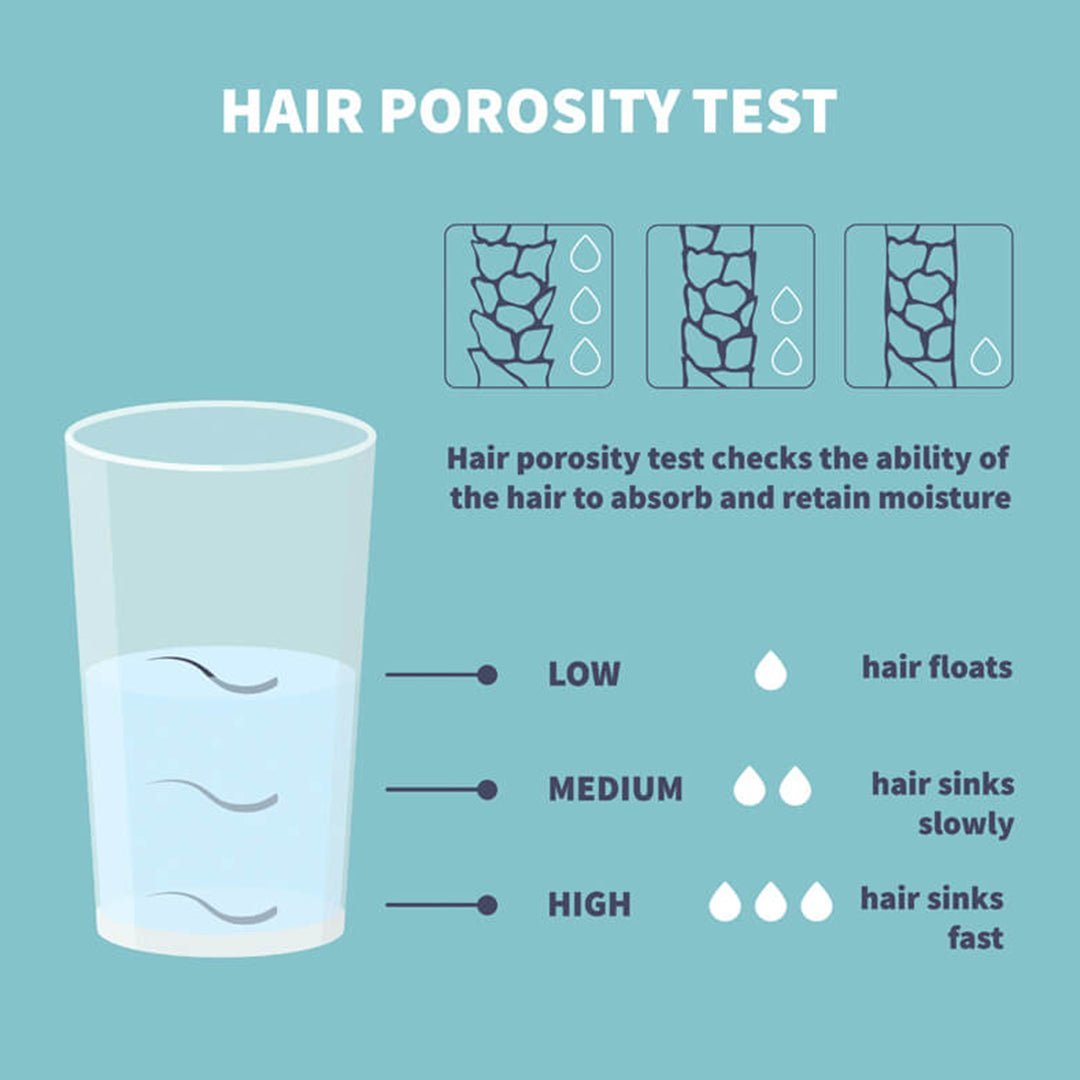
Credit: theorganibrands.com
Characteristics Of Low Porosity Hair
Low porosity hair has unique features that affect how it absorbs and retains moisture. Understanding these characteristics helps you choose the right care routine. If you’ve ever felt like your hair just won’t soak up products, you might have low porosity hair.
Identifying Low Porosity Hair
Low porosity hair has a tightly bound cuticle layer that lies flat. This tight structure makes it hard for moisture and oils to penetrate.
Here are some signs to check if your hair is low porosity:
- Water beads up on your hair instead of soaking in quickly.
- Products tend to sit on top of your hair and feel sticky or heavy.
- Your hair takes a long time to dry after washing.
- It resists chemical treatments or color changes.
If your hair feels stiff or you notice build-up from products, these are clues pointing to low porosity. Have you ever wondered why some shampoos leave your hair feeling coated instead of clean?
Common Challenges Faced
Low porosity hair often struggles with product buildup. Since moisture and oils can’t easily get inside, products tend to accumulate on the surface.
This can make hair look dull and feel heavy. You might also find it hard to keep your hair hydrated despite regular moisturizing.
Another challenge is heat styling. Low porosity hair can be resistant to heat, causing styling tools to take longer to work. But be careful—using too much heat can cause damage, as your hair doesn’t absorb moisture well to protect itself.
Do you find your hair feels dry even after using hydrating products? That’s a common issue with low porosity hair and a signal to adjust your hair care approach.
Effective Cleansing Techniques
Effective cleansing is key to healthy low porosity hair. This hair type resists moisture, so cleaning must be gentle yet thorough. Proper cleansing removes dirt and buildup without stripping natural oils. It prepares hair to absorb treatments and stay hydrated. Choosing suitable products and avoiding buildup keeps hair light and manageable. Below are essential tips to cleanse low porosity hair well.
Choosing The Right Shampoo
Pick shampoos designed for low porosity hair or gentle cleansing. Look for sulfate-free shampoos to prevent dryness and irritation. Lightweight formulas work best to avoid weighing hair down. Clarifying shampoos help remove buildup but use them sparingly. Shampoos with natural ingredients like aloe or tea tree soothe the scalp. Avoid heavy creams or oils in shampoos that block moisture absorption.
Avoiding Product Buildup
Low porosity hair easily traps products on the surface. Buildup makes hair feel stiff and dull. Rinse hair well after shampooing and conditioning. Use a clarifying shampoo once every two weeks to clear residue. Limit heavy oils, silicones, and waxes in styling products. Choose water-based or light leave-in conditioners. Regularly cleaning tools like combs and brushes also prevents buildup.
Moisturizing Strategies
Moisturizing low porosity hair can feel like a challenge because the hair cuticles are tightly packed, making it hard for moisture to penetrate. You might notice products just sit on your hair rather than soaking in. The key lies in choosing the right ingredients and using techniques that actually help your hair absorb and retain moisture effectively.
Best Hydrating Ingredients
Look for lightweight humectants that draw moisture without weighing your hair down. Ingredients like glycerin, aloe vera, and honey are excellent because they attract water to your strands.
Oils such as jojoba, argan, and grapeseed are great too. They seal in moisture without creating a heavy barrier. Avoid thick butters like shea or cocoa butter initially, as they can sit on top of your hair and block hydration.
Adding a water-based leave-in conditioner can also boost moisture levels. I found that switching to these lighter products made a noticeable difference in how soft and manageable my hair felt.
Methods To Enhance Absorption
Using warm water or steam before applying moisturizer helps open up your hair cuticles slightly. This increases the chances of products penetrating rather than just coating your hair.
Try applying moisturizer to damp hair rather than dry hair. Damp strands are more receptive and allow hydrating ingredients to sink in better.
Another useful tip is the “warm oil treatment.” Gently heat your chosen oil and massage it into your scalp and hair. Cover your hair with a warm towel for 20-30 minutes to boost absorption. Have you ever noticed how your hair drinks up oil faster after a warm treatment?
Lastly, avoid overloading your hair with products. Sometimes, less is more when it comes to moisturizing low porosity hair. Focus on quality and technique to see real results.
Deep Conditioning Tips
Deep conditioning is key for healthy low porosity hair. It helps to add moisture and soften strands. This type of hair resists water and products, so deep conditioning needs care and patience. Choosing the right conditioner and using heat can improve results.
Selecting Suitable Conditioners
Look for conditioners with light, water-based formulas. Ingredients like aloe vera, glycerin, and honey work well. Avoid heavy oils and butters that can sit on the hair surface. Protein treatments can help, but use them sparingly. Overuse may cause stiffness or dryness.
- Choose moisturizing, lightweight conditioners
- Include humectants like glycerin or honey
- Use protein treatments carefully
- Avoid heavy oils and waxy products
Heat Application Benefits
Heat opens hair cuticles for better product absorption. Use warm towels or a heat cap during deep conditioning. Even gentle heat boosts moisture penetration. Avoid high heat to prevent damage. Keep sessions short, around 15-30 minutes, for best results.
- Apply warmth to open hair cuticles
- Use heat caps or warm towels
- Do not use excessive heat
- Limit deep conditioning to 15-30 minutes
Styling And Maintenance
Styling and maintaining low porosity hair requires a thoughtful approach that respects its unique texture and moisture needs. You want to keep your hair healthy while experimenting with styles that protect and showcase its beauty. The right care routine can make your hair easier to manage and help it thrive.
Protective Hairstyles
Protective hairstyles shield your hair from damage and reduce the need for constant manipulation. Styles like twists, braids, buns, and updos keep your ends tucked away and prevent breakage.
Try simple two-strand twists or a sleek bun to minimize friction and moisture loss. These styles are low maintenance and can last several days, giving your hair a break from daily styling stress.
Have you noticed how your hair responds after wearing protective styles? Many find less frizz and stronger strands over time, especially when combined with proper moisturizing techniques.
Daily Hair Care Routines
Consistency in daily care is key for low porosity hair. Start by gently detangling your hair with a wide-tooth comb or your fingers to avoid unnecessary breakage.
Use light, water-based leave-in conditioners to add moisture without weighing hair down. Avoid heavy oils or creams that can sit on the surface and cause buildup.
Consider spritzing your hair with water or a hydrating mist each morning to refresh your style and boost moisture. This simple step can make your hair feel softer and more manageable throughout the day.

Credit: goldielocks.com
Avoiding Common Mistakes
Taking care of low porosity hair can be tricky, especially when common mistakes sneak into your routine without you realizing it. These errors can leave your hair feeling heavy, dry, or unmanageable. Avoiding these pitfalls will help you keep your hair healthy and vibrant.
Overusing Heavy Products
Low porosity hair struggles to absorb moisture, so piling on heavy creams and oils can create buildup instead of hydration. When I first started using thick butters daily, my hair felt weighed down and limp. Have you noticed your hair feeling greasy or sticky even after washing?
Try using lighter products like water-based leave-ins or light oils such as argan or jojoba. Apply products sparingly and focus on the ends rather than the roots to prevent excess buildup. Remember, less is often more with low porosity hair.
Skipping Regular Clarification
Clarifying your hair removes product buildup and helps moisture penetrate better. Skipping this step can cause your hair to look dull and feel dry, no matter how much conditioner you use. I found that clarifying once every two weeks made a huge difference in how my hair absorbed treatments.
Use a gentle clarifying shampoo or an apple cider vinegar rinse to refresh your scalp and strands. Be careful not to over-clarify, as this can strip natural oils and cause dryness. How often do you clean your scalp beyond regular shampooing?
Recommended Products For Low Porosity Hair
Choosing the right products for low porosity hair can make a huge difference in how your hair feels and looks. Since low porosity hair has tightly closed cuticles, it resists moisture absorption, so you need products that are lightweight and can penetrate without weighing your hair down. Let’s look at some product types that work well and why they suit your hair type.
Lightweight Oils And Butters
Heavy oils can sit on top of low porosity hair and cause buildup, making your hair look dull and feel greasy. Instead, opt for lightweight oils like argan oil, jojoba oil, or grapeseed oil. These oils absorb quickly and nourish your strands without blocking moisture from entering.
Light butters such as mango butter or shea butter in small amounts can also work well. They provide softness and manageability without weighing hair down. Have you ever tried layering a lightweight oil after your leave-in conditioner? It helps lock in moisture without creating a heavy film.
Leave-in Conditioners
Leave-in conditioners designed for low porosity hair usually contain humectants and light emollients that help open the cuticles and attract moisture. Look for products with ingredients like aloe vera, glycerin, and panthenol, which hydrate without heaviness.
Avoid thick creams or conditioners with heavy silicones that can cause buildup. Instead, choose sprays or light lotions that spread easily and rinse out without residue. Have you noticed how your hair responds differently to leave-ins in various climates? Adjusting your choice depending on humidity can improve your results.
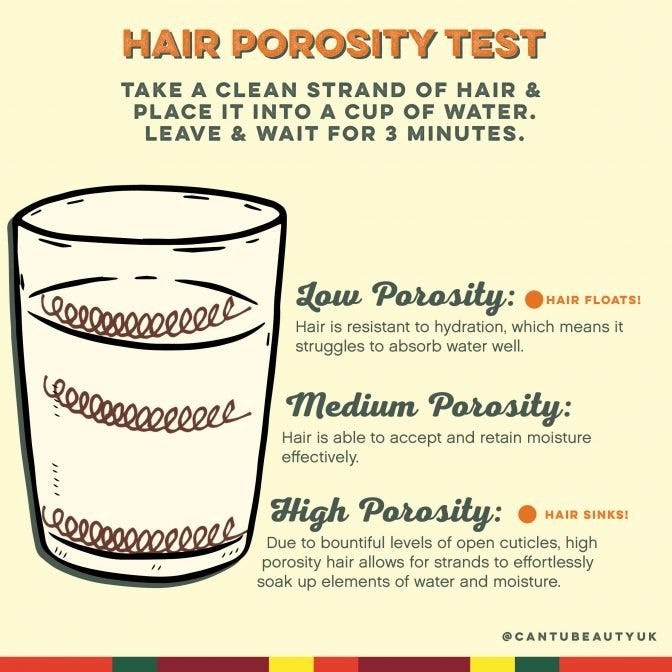
Credit: estherjordan.medium.com
Frequently Asked Questions
What Is Low Porosity Hair?
Low porosity hair has a tightly bound cuticle layer. It resists moisture absorption but retains moisture well once hydrated.
How Do I Moisturize Low Porosity Hair?
Use lightweight, water-based moisturizers and avoid heavy oils. Apply products on damp hair for better absorption.
Which Shampoos Work Best For Low Porosity Hair?
Choose gentle, sulfate-free shampoos that won’t strip natural oils. Clarify occasionally to remove product buildup.
Can Heat Help Low Porosity Hair Absorb Products?
Yes, using warm water or steam opens the cuticle. This allows better product penetration and hydration.
Conclusion
Caring for low porosity hair requires patience and consistency. Start by using lightweight products. They help moisture penetrate better. Regularly clarify your hair to remove product buildup. This keeps your strands healthy. Warm water opens the cuticle, aiding in moisture absorption.
Avoid heavy oils and butters. They can weigh your hair down. Use a steamer or hooded dryer for deep conditioning. It enhances moisture retention. Remember, healthy hair starts with understanding your hair type. With these simple tips, your low porosity hair can thrive and shine beautifully.
Enjoy the journey to healthy, radiant hair.
