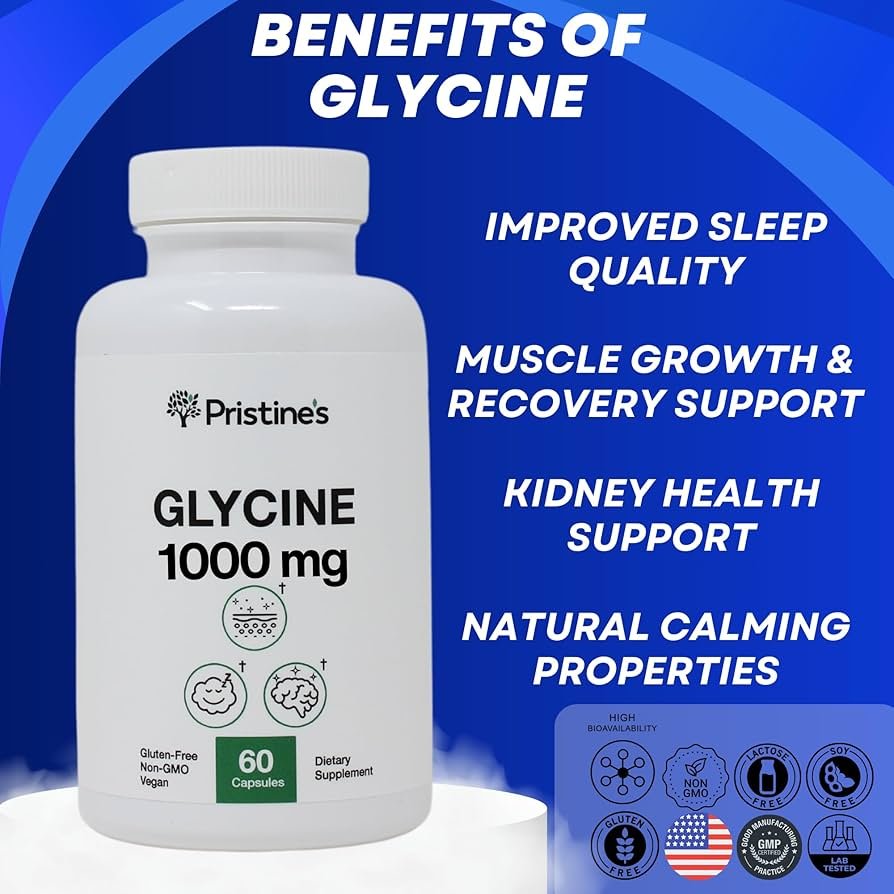
Are you searching for a natural way to turn back the clock on aging? If you’re eager to maintain that youthful glow and vitality, you might want to pay attention to glycine.
This powerful amino acid is gaining attention for its potential anti-aging benefits. But how much should you take to see results? That’s the million-dollar question. You’ll discover the optimal glycine dosage for anti-aging and learn how it could be the secret weapon in your fight against time.
Don’t miss out on the chance to unlock the secrets of glycine and its age-defying properties. Read on to find out how you can incorporate this simple yet effective compound into your daily routine.

Credit: www.amazon.com
Role Of Glycine In Skin Health
Glycine plays a crucial role in maintaining your skin’s health and youthfulness. It is a simple amino acid but has a big impact on how your skin looks and feels. Understanding glycine’s function can help you make better choices about your anti-aging routine.
Glycine As A Collagen Building Block
Collagen is the main protein that keeps your skin firm and strong. Glycine makes up about one-third of collagen’s amino acids, making it essential for collagen production. Without enough glycine, your body struggles to build and repair collagen, leading to sagging skin and wrinkles.
Think about a time when you noticed your skin losing its bounce after a stressful period or poor diet. Glycine shortage might have played a part. Adding glycine through diet or supplements supports your skin’s natural repair process.
Impact On Skin Elasticity And Hydration
Elasticity and hydration are key to youthful skin. Glycine helps maintain the structure of collagen fibers, which keeps skin elastic and less prone to damage. It also supports the production of natural moisturizing factors that keep your skin hydrated.
Have you ever wondered why some people age with fewer wrinkles despite similar sun exposure? Their bodies might be better at maintaining glycine levels, preserving skin elasticity and moisture. You can boost your skin’s resilience by ensuring adequate glycine intake daily.
Optimal Glycine Dosage For Anti-aging
Finding the optimal glycine dosage for anti-aging can make a real difference in how your body repairs and regenerates. Glycine plays a key role in collagen production, which supports skin elasticity and joint health. But knowing how much to take is essential to see these benefits without overdoing it.
Recommended Daily Intake
The typical daily intake of glycine from food is about 2 to 3 grams, mainly from protein-rich sources like meat, fish, and dairy. For anti-aging effects, many experts suggest supplementing with an additional 3 to 5 grams per day.
Some studies show benefits at doses ranging from 3 to 15 grams daily, but starting at the lower end allows you to monitor how your body responds. You can take glycine as a powder mixed in water or as capsules, ideally spread out during the day.
Are you currently tracking your protein intake? Adding glycine supplements might fill in the gaps if your diet is low in collagen-rich foods.
Factors Influencing Dosage Needs
Your age, activity level, and overall health can affect how much glycine you need. Older adults or those recovering from injury may require higher doses for effective tissue repair.
People who exercise intensely often use more glycine to support muscle recovery and reduce joint pain. Also, if your diet lacks collagen-rich foods, supplementing becomes more important.
It’s important to listen to your body. If you notice improved sleep or reduced stiffness after starting glycine, you might be hitting the right dosage. If not, adjusting the amount or timing could help.
Forms Of Glycine Supplements
Glycine supplements come in different forms, and choosing the right one can impact how effectively you address anti-aging goals. Understanding these forms helps you pick what fits your lifestyle and preferences best. Let’s break down the most common options and how they might work for you.
Powder Vs Capsules
Glycine powder offers flexibility. You can mix it into water, juice, or smoothies, adjusting the dose easily. This form often absorbs faster and is usually more cost-effective.
Capsules, on the other hand, provide convenience. They are pre-measured, making them perfect for on-the-go use. However, capsules can be less flexible if you want to tweak your dosage and might take longer to digest.
Which form suits your daily routine? If you prefer quick dosing and portability, capsules might be your go-to. But if you want control and don’t mind a bit of mixing, powder could be better.
Combining With Other Nutrients
Glycine doesn’t work alone in the body. It often pairs well with other nutrients that support skin health and collagen production. For instance, vitamin C enhances collagen synthesis, making your anti-aging efforts more effective.
Some users find that mixing glycine with magnesium or zinc supplements improves overall results. These minerals support cellular repair and reduce inflammation, which are key for youthful skin.
Have you tried pairing glycine with other nutrients? Experimenting might reveal combinations that boost your anti-aging benefits. Just keep track of how your body responds to each mix.

Credit: www.amazon.com
Benefits Beyond Skin Appearance
Glycine offers benefits beyond just improving skin appearance. This simple amino acid plays many important roles in the body. It supports overall health and well-being, helping the body age more gracefully.
Joint Health Support
Glycine helps build collagen, a key protein in joints and cartilage. Strong collagen keeps joints flexible and reduces stiffness. This can ease joint pain and improve movement. People with joint issues may notice less discomfort after taking glycine regularly.
It also supports the repair of damaged tissues. Glycine reduces inflammation around joints, which helps decrease swelling. Healthy joints contribute to an active and comfortable lifestyle as you age.
Improved Sleep And Cognitive Function
Glycine promotes better sleep quality by calming the brain and nervous system. Good sleep is vital for overall health and mental clarity. Many users report falling asleep faster and feeling more rested.
This amino acid supports brain function by helping produce neurotransmitters. These chemicals improve memory, focus, and mood. Taking glycine can boost mental performance and reduce stress levels. Restful sleep combined with sharp thinking enhances daily life.
Potential Side Effects And Safety
Glycine is popular for its anti-aging benefits. Understanding its safety and side effects is important before use. Most people tolerate glycine well. Still, some may experience mild effects. Knowing these helps you use glycine safely.
Common Side Effects
- Stomach upset or nausea
- Headache in some users
- Drowsiness or fatigue
- Occasional mild dizziness
These side effects are usually mild and short-lived. They often go away as the body adjusts. Taking glycine with food may reduce stomach issues.
Precautions And Interactions
- Consult a doctor if pregnant or breastfeeding
- Avoid high doses without medical advice
- Check interactions with medications like sedatives
- People with kidney or liver problems should be cautious
Glycine may interact with some drugs. It can increase sedation when combined with sleep aids. Always inform your healthcare provider before starting supplements.
Integrating Glycine Into Your Routine
Integrating glycine into your daily routine supports anti-aging efforts effectively. This amino acid plays a key role in skin health, joint support, and overall cell repair. Consistent intake can enhance your body’s natural ability to regenerate and stay youthful. Understanding how to time your glycine intake and including it in your diet is essential for best results.
Timing And Consistency
Taking glycine at the right time boosts its benefits. Many find it helpful to consume glycine before bedtime. This timing supports deeper sleep, which aids in body repair and anti-aging. Regular intake is important. Daily consistency helps maintain steady levels in your body. Avoid skipping doses to keep the effects strong and lasting.
Dietary Sources Of Glycine
Natural foods provide glycine along with other nutrients. Bone broth is rich in glycine and easy to add to meals. Other sources include:
- Chicken skin and pork rind
- Gelatin and collagen supplements
- Fish and meat
- Legumes like beans and lentils
Eating these foods supports your glycine intake naturally. Combining dietary sources with supplements can enhance anti-aging results.

Credit: www.amazon.com
Frequently Asked Questions
What Is The Ideal Glycine Dosage For Anti-aging?
The ideal glycine dosage for anti-aging ranges from 3 to 5 grams daily. This amount supports collagen production and improves skin elasticity. Always start with a lower dose and consult a healthcare professional before increasing it.
How Does Glycine Help With Anti-aging?
Glycine promotes collagen synthesis, which maintains skin firmness and reduces wrinkles. It also acts as an antioxidant, protecting cells from aging damage. These effects contribute to healthier, younger-looking skin over time.
Can Glycine Supplements Improve Skin Health?
Yes, glycine supplements enhance skin hydration and elasticity. They support collagen, essential for skin structure and repair. Regular intake may reduce visible signs of aging like fine lines and dullness.
Are There Any Side Effects Of Glycine For Anti-aging?
Glycine is generally safe with minimal side effects at recommended doses. Some may experience mild digestive discomfort. It’s best to follow dosage guidelines and consult a doctor if unsure.
Conclusion
Glycine may support healthy skin and slow aging signs. Taking the right dosage is important for safety and results. Start with a small amount and watch how your body reacts. Consistency helps achieve better effects over time. Always talk to a doctor before adding supplements.
Healthy habits like good sleep and balanced diet also help. Small steps can lead to lasting changes. Stay patient and listen to your body’s needs.
