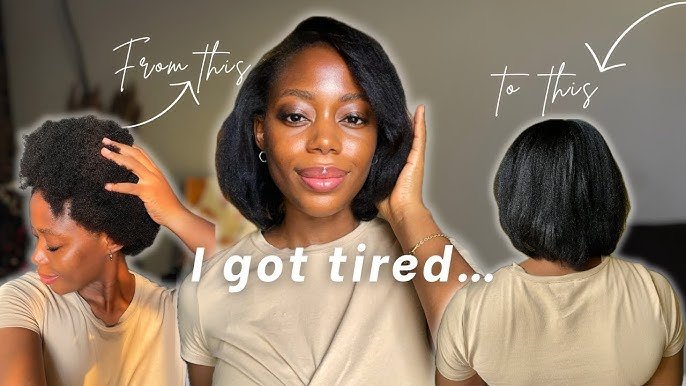
Caring for relaxed hair can feel tricky, but it doesn’t have to be. If you want your hair to stay healthy, shiny, and strong, you need the right steps and simple habits.
You might have faced dryness, breakage, or scalp irritation before—these are common challenges, but they can be managed. Imagine running your fingers through smooth, soft hair every day without worrying about damage. You’ll discover easy and effective ways to care for your relaxed hair.
Keep reading, and learn how to make your hair look and feel its best, no matter the season.
Daily Care Routine
Caring for relaxed hair daily is essential to keep it healthy and vibrant. Your hair needs a routine that balances cleansing, moisturizing, and protection. Without these key steps, relaxed hair can become dry and brittle quickly.
Gentle Cleansing
Use a sulfate-free shampoo to cleanse your hair without stripping away natural oils. Harsh shampoos can make relaxed hair dry and prone to breakage. If you notice your scalp feeling tight or itchy, it might be time to switch to a milder formula.
Try washing your hair every 7-10 days to maintain cleanliness without over-drying. Between washes, use a co-wash or a gentle conditioner to refresh your hair. Have you ever felt your hair losing its softness after washing? That’s a sign to adjust your cleansing routine.
Moisturizing Techniques
Moisture is the lifeline for relaxed hair. After washing, apply a leave-in conditioner while your hair is still damp to lock in hydration. Follow up with natural oils like coconut or jojoba to seal moisture inside the hair shaft.
Daily moisturizing doesn’t mean soaking your hair in heavy products. Instead, use a light water-based spray or hair milk to keep your strands soft and manageable. What’s your go-to product for keeping your hair moisturized during dry weather?
Protective Styling
Protective styles reduce manipulation and help prevent breakage. Braids, twists, or buns can shield your ends from damage caused by friction and environmental exposure. Just make sure the style isn’t too tight, which can cause tension and hair loss.
At night, wrap your hair with a satin or silk scarf to minimize moisture loss and friction. Pillowcases made from these materials also work well if you prefer not to wrap your hair. Have you noticed how your hair feels smoother after sleeping with a silk pillowcase?

Credit: www.reddit.com
Deep Conditioning
Deep conditioning is a key step to keep your relaxed hair healthy and strong. It helps restore moisture lost during the relaxing process and repairs damage from heat styling and environmental exposure. Taking time for deep conditioning can make your hair softer, shinier, and less prone to breakage.
Choosing The Right Conditioner
Look for conditioners rich in proteins, natural oils, and humectants like glycerin or aloe vera. These ingredients help rebuild your hair’s structure and lock in moisture.
Avoid heavy silicones that can weigh your hair down or cause buildup. Instead, focus on lightweight formulas that nourish without making your hair greasy.
Do you know if your current conditioner is actually helping your hair or just coating it? Reading ingredient lists can give you better insight into what your hair truly needs.
Frequency Of Treatments
Deep condition your relaxed hair once a week if it feels dry or brittle. Otherwise, every two weeks is enough to maintain moisture and strength.
Keep an eye on how your hair reacts; if it starts feeling limp or greasy, reduce the frequency. Your hair’s needs can change with the seasons or styling habits.
Ask yourself: Is your hair craving extra care or could it benefit from a break? Listening to your hair prevents over-conditioning, which can cause buildup and dullness.
Diy Deep Masks
Making your own deep conditioning mask can be both fun and effective. Ingredients like honey, avocado, and coconut oil provide intense hydration and shine.
Try mixing mashed avocado with a tablespoon of honey and a splash of olive oil. Apply it to damp hair, cover with a shower cap, and leave for 30 minutes before rinsing.
Have you experimented with natural ingredients yet? DIY masks let you customize treatments based on what your hair feels like it needs right now.
Minimizing Damage
Relaxed hair needs gentle care to stay healthy and strong. Minimizing damage helps keep your hair smooth and prevents breakage. Simple habits can protect your hair from stress and dryness.
Heat Styling Tips
Use heat tools on low to medium settings. High heat can cause dryness and damage your hair. Always apply a heat protectant spray before styling. Limit the use of flat irons and curling wands to once or twice a week. Give your hair time to rest between heat styling sessions.
Avoiding Chemical Overprocessing
Do not relax your hair too often. Overlapping chemicals can weaken hair strands. Wait at least 8 to 12 weeks between relaxer treatments. Avoid mixing relaxers with other chemical treatments like coloring. Always follow the instructions carefully or consult a professional stylist.
Handling Breakage
Use a wide-tooth comb to detangle hair gently. Start detangling from the ends and work your way up. Avoid harsh brushing, which can cause breakage. Keep hair moisturized with leave-in conditioners and oils. Trim split ends regularly to prevent further damage.

Credit: designessentials.com
Nighttime Protection
Nighttime protection is essential for relaxed hair. It prevents breakage and dryness. During sleep, hair rubs against rough surfaces. This causes damage and frizz. Protecting hair at night keeps it smooth and healthy.
Silk And Satin Accessories
Use silk or satin pillowcases instead of cotton. These materials reduce friction and keep hair moist. Silk or satin bonnets and scarves also protect hair. They prevent hair strands from breaking. These accessories keep your hairstyle intact overnight.
Protective Hairstyles For Sleep
Choose loose protective hairstyles before bed. Styles like braids, twists, or a loose bun work well. They prevent tangling and hair loss. Avoid tight hairstyles that pull on the scalp. Protective styles help maintain hair length and strength.
Scalp Care
Taking care of your scalp is just as important as caring for your relaxed hair strands. A healthy scalp creates the perfect environment for hair growth and helps prevent issues like irritation, flakiness, and hair loss. Paying attention to your scalp’s needs can make a noticeable difference in how your hair looks and feels.
Maintaining Scalp Health
Keep your scalp clean by washing it regularly with a gentle shampoo designed for relaxed hair. Overwashing can strip natural oils, so aim for washing once or twice a week.
Massage your scalp during washing to boost blood circulation. This helps deliver nutrients to hair follicles, promoting stronger hair growth.
Use lightweight oils like jojoba or grapeseed to keep your scalp moisturized without clogging pores. Avoid heavy products that can build up and cause irritation.
Dealing With Dryness And Itchiness
Dryness and itchiness can make caring for relaxed hair frustrating. Try applying a soothing scalp treatment with ingredients like aloe vera or tea tree oil, which calm irritation and reduce dryness.
If you notice persistent itchiness, check if your shampoo or styling products contain harsh chemicals. Switching to milder, sulfate-free options can ease discomfort significantly.
Have you ever felt the urge to scratch your scalp only to make it worse? Instead, gently pat or apply a cooling moisturizer to relieve itchiness without damaging your hair or scalp.

Credit: m.youtube.com
Trimming And Maintenance
Trimming and maintenance keep relaxed hair healthy and looking fresh. Regular trims prevent split ends from traveling up the hair shaft. They also help maintain the style and shape you want. Caring for relaxed hair means paying attention to both length and health. A well-maintained trim routine can make your hair easier to manage and style.
When To Trim
Trim relaxed hair every 6 to 8 weeks. This timing stops split ends and damage from spreading. Watch for signs like:
- Split or frayed ends
- Hair that breaks easily
- Uneven or ragged edges
Regular trims help your hair grow stronger and stay smooth. Do not wait too long. Overgrown damaged ends can cause more hair breakage.
Maintaining Shape And Length
Trimming keeps your hairstyle neat and balanced. Choose a stylist who knows how to handle relaxed hair. They can shape your hair while preserving length.
Use trims to remove bulk or shape layers. This keeps the hair light and easy to style. Avoid cutting too much at once. Trim small amounts for steady growth.
Maintain length by protecting your ends daily. Use moisturizing products and gentle combing. Healthy ends mean less trimming is needed over time.
Frequently Asked Questions
What Is The Best Shampoo For Relaxed Hair?
Use a sulfate-free, moisturizing shampoo to protect relaxed hair. It prevents dryness and breakage by maintaining natural oils and hydration.
How Often Should I Deep Condition Relaxed Hair?
Deep condition relaxed hair once a week. This restores moisture, strengthens strands, and reduces damage caused by chemical treatments.
Can I Use Heat On Relaxed Hair Safely?
Yes, but use heat protectant sprays before styling. Limit heat exposure to prevent dryness and breakage in relaxed hair.
How Do I Prevent Breakage In Relaxed Hair?
Moisturize regularly, avoid excessive heat, and use gentle detangling methods. Protective styles also help reduce tension and breakage.
Conclusion
Caring for relaxed hair requires patience and commitment. Simple steps can help. Use gentle products. Moisturize regularly to prevent dryness. Protect hair from heat damage. Trim ends to avoid split ends. Avoid tight hairstyles that stress the hair. Sleep on a silk pillowcase for less friction.
Healthy hair reflects consistent care. Listen to your hair’s needs. Adjust routines as necessary. With time, your hair can look vibrant and feel strong. Enjoy the journey of nurturing your relaxed hair.
