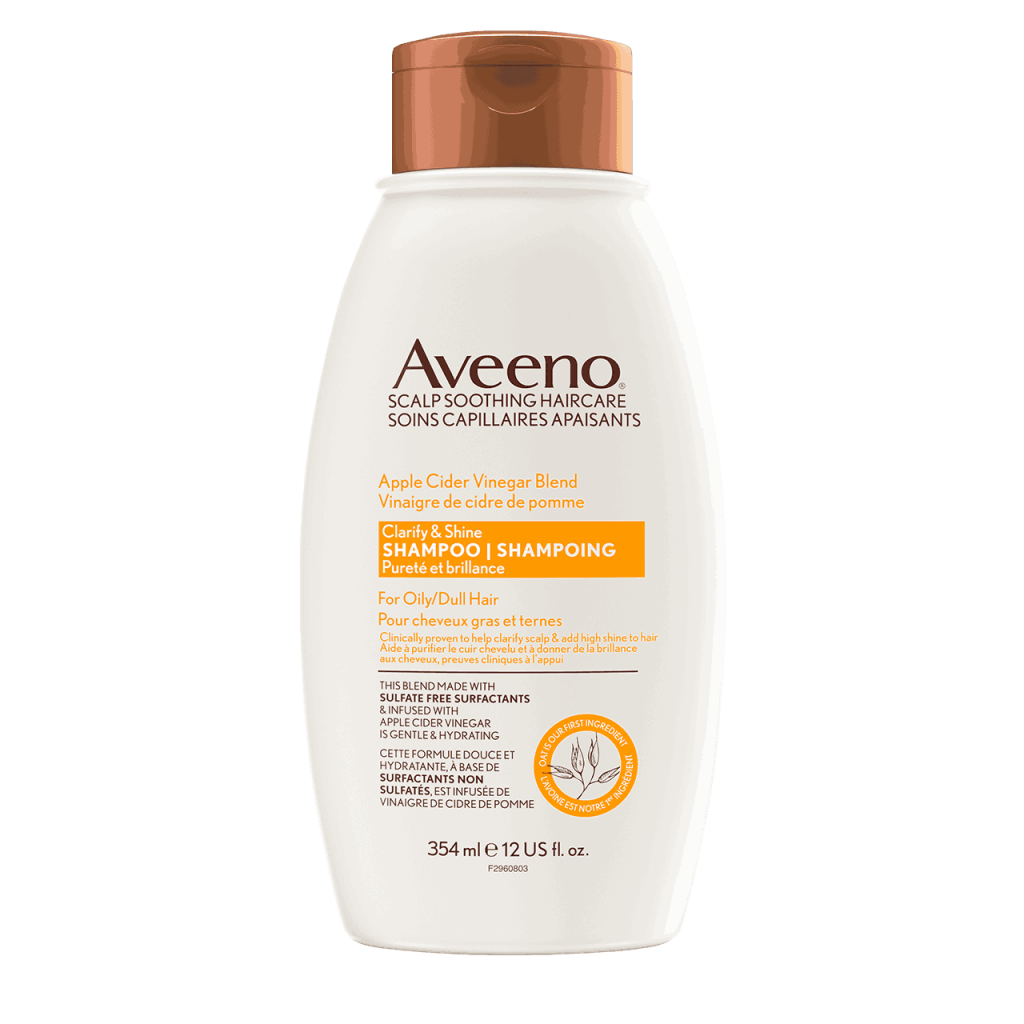
Are you looking for a simple, natural way to improve your hair’s health? Hair care with apple cider vinegar might be the secret you’ve been missing.
This everyday kitchen ingredient can transform your hair, making it shinier, stronger, and fresher. Imagine having a quick and easy solution that fights dandruff, balances your scalp, and adds a natural glow to your locks. Keep reading to discover how apple cider vinegar can become your new hair care hero and why so many people are turning to it for better hair.
Your best hair days are just a few drops away!

Credit: www.amazon.com
Benefits Of Apple Cider Vinegar For Hair
Apple cider vinegar (ACV) offers several benefits for your hair that go beyond simple cleansing. Its natural acids and nutrients work gently yet effectively to improve your scalp and hair health. Incorporating ACV into your hair care routine can lead to noticeable changes in texture, shine, and scalp comfort.
Balances Scalp Ph
Your scalp has a natural pH level that helps keep it healthy and protected. Using harsh shampoos can disrupt this balance, leading to dryness or excess oiliness. Apple cider vinegar helps restore your scalp’s pH to its natural acidic level, creating an environment where your hair can thrive.
Have you noticed your scalp feeling oily one day and dry the next? Adjusting the pH with ACV might be the simple fix you need.
Reduces Dandruff And Itchiness
Dandruff often results from a dry, flaky scalp or fungal overgrowth. ACV’s antibacterial and antifungal properties help reduce these issues. Regular rinses with diluted apple cider vinegar can soothe itchiness and minimize flakes without harsh chemicals.
People who struggled with persistent dandruff found relief after just a few uses of ACV rinse. Could this be your answer to a calmer scalp?
Enhances Hair Shine
ACV helps smooth the hair cuticles, which makes your hair reflect light better. This smoothing effect results in natural shine that looks healthy and vibrant. Instead of relying on expensive serums, a simple ACV rinse can give your hair a glossy finish.
Try rinsing your hair with ACV after shampooing and watch the difference in how your hair catches the light throughout the day.
Strengthens Hair Strands
The nutrients and acids in apple cider vinegar help strengthen hair strands by closing the cuticle and preventing damage. Stronger hair is less prone to breakage and split ends. Regular use can contribute to thicker, more resilient hair over time.
Imagine reducing hair breakage just by adding a natural step to your routine. Isn’t that worth trying?

Credit: www.amazon.ca
How To Use Apple Cider Vinegar
Using apple cider vinegar (ACV) for hair care can seem tricky at first, but it’s straightforward once you know the right steps. The key is to balance its acidity so it benefits your hair without causing irritation. Let’s look at how to prepare and apply ACV based on your hair type, the best ways to use it, and how often you should do it.
Dilution Ratios For Different Hair Types
Apple cider vinegar is strong, so diluting it correctly matters a lot. The ideal ratio depends on your hair’s texture and sensitivity.
- Fine or oily hair:Mix 1 part ACV with 4 parts water. This helps control oil without weighing hair down.
- Normal hair:A balanced mix of 1 part ACV to 3 parts water works well to maintain shine and scalp health.
- Dry or curly hair:Use 1 part ACV to 5 parts water to avoid over-drying your strands.
Have you noticed your scalp feeling itchy or dry? Adjust the dilution to be milder to prevent irritation. Remember, you can always increase strength slowly as your hair adapts.
Application Methods
Getting the ACV evenly distributed on your scalp and hair is key to seeing results. Start by shampooing and rinsing your hair thoroughly.
- Pour the diluted ACV into a spray bottle for easy application directly on your scalp.
- Massage gently with your fingertips to stimulate blood flow and ensure it reaches your roots.
- Work the rest through the lengths of your hair to smooth and detangle.
- Leave it on for 2-5 minutes before rinsing with cool water to seal the cuticle and boost shine.
Some prefer using ACV as a final rinse after every wash, while others like it as a weekly scalp treatment. How do you think your hair would respond to a gentle massage with ACV?
Frequency Of Use
Too much of a good thing can backfire, especially with ACV. How often you use it depends on your hair’s needs and reaction.
- For oily or acne-prone scalps, 2-3 times a week can help keep buildup in check.
- Normal hair types benefit from once or twice a week to maintain balance and shine.
- If your hair is dry or fragile, limit use to once every 10-14 days to avoid stripping natural oils.
Pay attention to how your hair feels after each application. If it feels dry or brittle, reduce frequency or dilute more. Have you tried adjusting your routine based on what your hair tells you?
Apple Cider Vinegar Hair Rinse Recipes
Apple cider vinegar (ACV) rinses help balance scalp pH and remove buildup. They leave hair shiny and soft without harsh chemicals. Different recipes suit various hair needs and types. Simple to make at home, these rinses are natural and cost-effective.
Basic Acv Rinse
This rinse uses just two ingredients and works well for most hair types.
- 1 to 2 tablespoons of apple cider vinegar
- 1 cup of water
Mix vinegar and water. After shampooing, pour the rinse over hair. Leave for a few minutes, then rinse with cool water.
Herbal Infused Acv Rinse
Adding herbs boosts scalp health and adds a pleasant scent.
- 1 cup apple cider vinegar
- 1 cup water
- 2 tablespoons dried herbs (chamomile, rosemary, or lavender)
Heat water slightly. Steep herbs for 15 minutes. Strain herbs and mix with ACV. Use after shampooing and rinse off after 5 minutes.
Acv And Essential Oils Blend
Essential oils add extra nourishment and fragrance to the rinse.
- 1 cup water
- 2 tablespoons apple cider vinegar
- 3 to 5 drops of essential oils (tea tree, lavender, or peppermint)
Combine all ingredients. Apply after shampooing. Massage into scalp and rinse after a few minutes for fresh, balanced hair.
Credit: www.target.com
Precautions And Tips
Using apple cider vinegar (ACV) for hair care has many benefits. It can improve shine and balance scalp pH. Still, some care is needed to avoid problems. Follow these precautions and tips to keep your hair and scalp healthy.
Avoiding Scalp Irritation
ACV is acidic and may cause irritation if used too strong. Always dilute it with water before applying. Test on a small skin area first to check for sensitivity. Avoid applying ACV on broken or itchy skin. Limit use to once or twice a week to prevent dryness. Rinse hair well after treatment to remove all vinegar residue.
When To Skip Acv Treatments
Do not use ACV if your scalp is very dry or damaged. Avoid it during scalp infections or wounds. People with allergies to vinegar should not apply ACV. Skip treatments if you experience burning or redness after use. Consult a doctor before use if you have a scalp condition like eczema or psoriasis.
Choosing The Right Apple Cider Vinegar
Select raw, organic, and unfiltered ACV for best results. It contains beneficial enzymes and nutrients. Avoid ACV with added colors or flavors. Look for a cloudy appearance, which shows it is unprocessed. Store ACV in a cool, dark place to keep quality intact.
Comparing Acv With Other Natural Hair Treatments
Natural hair treatments offer gentle care with fewer chemicals. Apple cider vinegar (ACV) stands out for its ability to balance scalp pH and clarify hair. Comparing ACV with other popular natural treatments helps you choose what suits your hair type and needs best.
Acv Vs. Coconut Oil
ACV cleanses and removes buildup from hair and scalp. Coconut oil deeply moisturizes and protects hair strands. ACV is lightweight and rinses out easily. Coconut oil can feel heavy on thin hair. ACV helps with dandruff and scalp itchiness. Coconut oil reduces protein loss and prevents damage. Both can be part of a hair care routine but serve different purposes.
Acv Vs. Aloe Vera
ACV works as a natural cleanser and pH balancer. Aloe vera soothes the scalp and promotes hair growth. ACV removes residue and tightens hair cuticles. Aloe vera hydrates and nourishes dry hair. ACV has a strong smell that fades after rinsing. Aloe vera has a mild, refreshing scent. Use ACV for oily or dandruff-prone scalp. Aloe vera suits sensitive or irritated scalp better.
Acv Vs. Baking Soda
ACV is acidic and restores scalp balance. Baking soda is alkaline and can strip natural oils. ACV gently removes buildup without over-drying. Baking soda can cause dryness and irritation if overused. ACV smooths hair cuticles for shine. Baking soda may roughen hair texture. ACV is safer for frequent use. Baking soda should be used sparingly and followed by ACV rinse.
Real User Experiences And Results
Many people share their stories about using apple cider vinegar for hair care. These real experiences show the effects and results of this natural treatment. Hearing from others helps understand how it works on different hair types and conditions.
Success Stories
Users often report softer and shinier hair after regular use. Some notice reduced dandruff and less scalp itchiness. Others say their hair feels lighter and less oily. A few mention improved hair growth and fewer split ends. These successes encourage more people to try apple cider vinegar rinses.
Common Challenges
Some users face issues like dryness or a strong vinegar smell. Overuse can cause scalp irritation or hair brittleness. Finding the right dilution and frequency is key to avoid problems. Patience is important, as results may take weeks to appear. Not every hair type reacts the same way.
Expert Recommendations
- Always dilute apple cider vinegar with water before use.
- Start with a small amount to test your scalp’s reaction.
- Use it once or twice a week, not daily.
- Rinse hair well after application to remove any residue.
- Combine with gentle shampoos for best results.
- Consult a dermatologist if irritation occurs.
Frequently Asked Questions
What Are The Benefits Of Apple Cider Vinegar For Hair?
Apple cider vinegar balances hair pH, reduces dandruff, and smooths hair cuticles. It also adds shine and removes product buildup, promoting healthier hair.
How Do I Use Apple Cider Vinegar For Hair Care?
Mix one part apple cider vinegar with two parts water. Apply after shampooing, leave for a few minutes, then rinse. Use once or twice weekly for best results.
Can Apple Cider Vinegar Help With Dandruff?
Yes, apple cider vinegar’s acidity helps restore scalp pH and fights yeast causing dandruff. Regular use can reduce flakes and soothe scalp irritation effectively.
Is Apple Cider Vinegar Safe For All Hair Types?
Apple cider vinegar is generally safe for all hair types. However, dilute it properly to avoid irritation. Perform a patch test if you have sensitive skin or scalp.
Conclusion
Apple cider vinegar can transform your hair care routine. It offers natural shine and strength. This simple ingredient balances pH levels. It also fights dandruff and soothes the scalp. Easy to use and affordable, it benefits all hair types. So, why not give it a try?
With consistent use, your hair may become healthier and more vibrant. Remember to dilute it before applying. Enjoy the journey to better hair health with this natural remedy. Your hair deserves the best care. Keep it simple, keep it natural.
