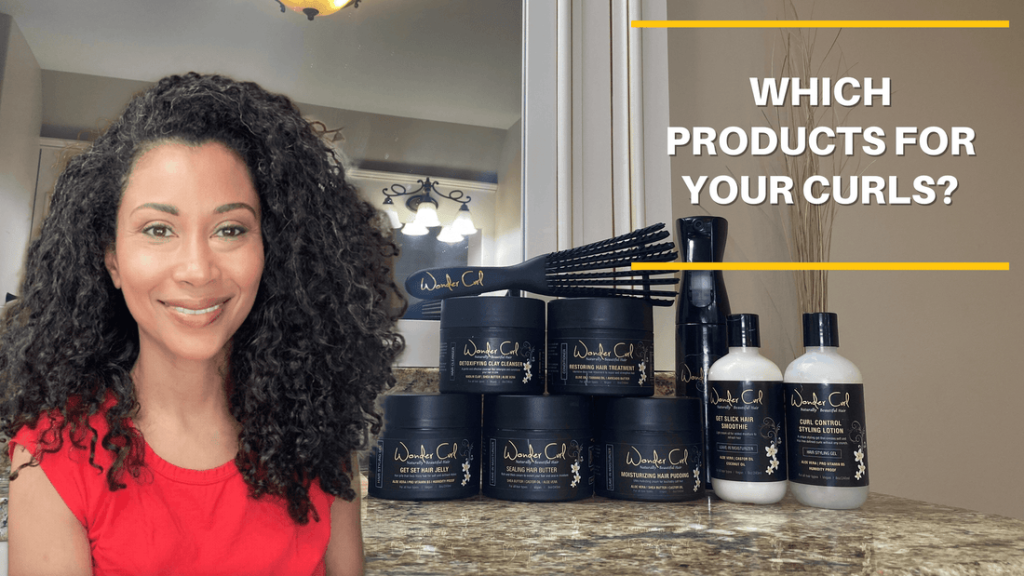
Your natural hair is unique, beautiful, and deserves special care. But sometimes, managing it can feel tricky or overwhelming.
What if you had simple, effective tips that make your hair healthier, shinier, and easier to style? This guide is designed just for you—to help you understand your natural hair better and show you how to nurture it with the right care.
Keep reading, and discover the secrets to loving your natural hair every day.
Credit: afrocenchix.com
Daily Hair Care Routine
Daily hair care is essential for maintaining healthy natural hair. A consistent routine helps keep hair strong, hydrated, and free from damage. Simple habits build a foundation for beautiful, manageable hair every day.
Focus on gentle cleansing, proper moisturizing, and careful detangling. These steps protect natural hair’s unique texture and prevent breakage.
Cleansing Techniques
Use sulfate-free shampoos to avoid stripping natural oils. Wash hair with lukewarm water to open the cuticles gently. Concentrate shampoo on the scalp, not the ends. Rinse thoroughly to remove all product residue.
Co-washing, or washing with conditioner only, can be useful between shampoos. It helps keep hair clean without drying it out. Limit shampooing to once or twice a week for best results.
Moisturizing Methods
Apply a leave-in conditioner after washing to lock in moisture. Use natural oils like coconut or jojoba to seal hydration. Focus on the ends, where hair is driest. Avoid heavy products that weigh hair down.
Spritz hair with water or a water-based moisturizer daily. Cover hair with a satin or silk scarf at night to reduce moisture loss. This simple step preserves hydration while sleeping.
Detangling Tips
Detangle hair when it is damp and coated with conditioner. Use a wide-tooth comb or fingers to gently work through knots. Start from the ends and move upward to prevent breakage.
Be patient and gentle. Rough handling causes split ends and damage. Regular detangling keeps hair smooth and easy to manage.

Credit: www.bouncecurl.com
Choosing The Right Products
Choosing the right products is key for healthy natural hair. Each product serves a special role. Using the wrong ones can cause dryness or damage. Focus on gentle, nourishing ingredients. Products should match your hair’s needs and texture. Simple, clear labels help pick the best items.
Shampoos And Conditioners
Choose shampoos that cleanse without stripping natural oils. Look for sulfate-free formulas to protect hair moisture. Conditioners must hydrate and soften curls. Ingredients like shea butter and aloe vera work well. Avoid heavy silicones that build up on hair.
Leave-in Treatments
Leave-in treatments keep hair soft and manageable all day. They help with detangling and reduce breakage. Pick lightweight creams or sprays with natural extracts. These products seal moisture and protect from dryness. Use them on damp hair for best results.
Natural Oils And Butters
Natural oils and butters nourish and strengthen hair strands. Coconut oil, jojoba oil, and shea butter are top choices. They lock in moisture and add shine. Apply sparingly to avoid greasy hair. These ingredients also soothe the scalp and reduce frizz.
Protective Hairstyles
Protective hairstyles are essential for maintaining the health and strength of your natural hair. They help reduce breakage, retain moisture, and give your hair a chance to grow without constant manipulation. By wearing styles that shield your ends and scalp, you can prevent damage caused by daily wear and environmental factors.
Braids And Twists
Braids and twists lock your hair in place, minimizing friction and tangling. These styles can last for weeks, which means less daily styling stress on your strands. Choose sizes and patterns that don’t pull too tightly to avoid scalp discomfort and hairline damage.
If you want to add some flair, try mixing braids with colorful thread or beads. Have you noticed how protective styles like box braids or Senegalese twists can give your scalp a break? They also make moisturizing easier since you can apply oils directly to your scalp without disturbing your style.
Updos And Buns
Updos and buns keep your hair gathered and protected, especially around the edges. These styles prevent your hair from rubbing against clothes or surfaces that cause breakage. A loose bun can protect your curls while still looking chic and polished.
Be careful not to tie your hair too tightly; too much tension can lead to breakage and traction alopecia. Do you find that switching between buns and other protective styles helps balance your hair’s need for rest and style versatility?
Nighttime Protection
Nighttime routines are just as important as daytime styling for natural hair care. Wrapping your hair with a satin or silk scarf reduces friction while you sleep, keeping your strands smooth and preventing split ends. Using a satin pillowcase can add extra protection if you prefer not to wrap your hair.
Many people overlook how much moisture is lost overnight. Spritz your hair with a light leave-in conditioner or oil before wrapping to keep it hydrated. How does your hair feel in the morning after you’ve protected it overnight?
Dealing With Common Issues
Natural hair faces many challenges daily. Understanding these common issues helps maintain healthy hair. Proper care prevents damage and promotes growth. Focus on key areas for better hair health.
Dryness And Breakage
Natural hair tends to be dry. Oils from the scalp have a hard time traveling down the hair shaft. This causes dryness and breakage.
- Use moisturizing shampoos and conditioners.
- Apply leave-in conditioners regularly.
- Seal moisture with natural oils like coconut or jojoba oil.
- Avoid heat styling tools that cause damage.
- Trim split ends often to prevent breakage.
Scalp Care
A healthy scalp supports strong hair growth. It can become dry, itchy, or flaky without care.
- Cleanse the scalp gently with sulfate-free shampoos.
- Massage the scalp to improve blood flow.
- Use light oils like tea tree or peppermint for scalp health.
- Keep the scalp moisturized to avoid dryness.
- Protect the scalp from harsh weather with hats or scarves.
Shrinkage Management
Shrinkage is natural and shows healthy curls. It can make hair appear shorter than it is.
- Stretch hair with twists, braids, or bantu knots.
- Use heavy moisturizers to elongate curls.
- Avoid products that cause stiffness or crunchiness.
- Finger detangle gently to maintain curl pattern.
- Accept shrinkage as part of natural hair beauty.
Healthy Hair Habits
Healthy hair habits are the foundation of maintaining natural hair that looks and feels its best. Small daily choices can have a big impact on your hair’s strength, shine, and growth. Taking care of your hair means caring for your body and being mindful of how you treat your strands.
Diet And Hydration
Your hair needs nutrients to grow strong and healthy. Eating foods rich in vitamins A, C, D, E, zinc, and biotin helps your hair stay vibrant. Think leafy greens, nuts, eggs, and fish as your hair’s best friends.
Drinking enough water is just as important. Hydration keeps your scalp moisturized from the inside out. Ever noticed your hair feeling dry and brittle? It might be time to drink more water.
Regular Trimming
Trimming your natural hair regularly stops split ends from traveling up the hair shaft and causing more damage. Even if you’re growing your hair out, a trim every 6-8 weeks can prevent breakage.
I used to avoid trims because I thought it would slow growth. But cutting off damaged ends actually made my hair appear thicker and healthier. Could trimming be the secret you’ve been missing?
Avoiding Heat Damage
Heat tools can cause serious damage to natural hair if not used carefully. Try air drying your hair whenever possible or use heat protectant sprays before styling.
Limit flat ironing or blow drying to special occasions. Your hair will thank you by staying resilient and less prone to breakage. How often do you let your hair rest from heat styling?

Credit: toallmyblackgirls.com
Frequently Asked Questions
How Often Should I Wash Natural Hair?
Washing natural hair every 7 to 10 days helps maintain moisture and prevent dryness. Use sulfate-free shampoos to protect natural oils. Over-washing can cause breakage and scalp irritation.
What Are The Best Moisturizers For Natural Hair?
Lightweight oils like jojoba, argan, and coconut oil work well for natural hair. Leave-in conditioners with shea butter and aloe vera also provide long-lasting moisture. Avoid heavy products that cause buildup.
How Can I Prevent Breakage In Natural Hair?
Use wide-tooth combs to detangle gently and avoid harsh brushing. Deep condition weekly to strengthen hair strands. Protect hair at night with satin scarves or pillowcases to reduce friction.
Is Heat Styling Safe For Natural Hair?
Heat styling can damage natural hair if overused. Always apply a heat protectant before styling. Limit heat exposure to prevent dryness, breakage, and loss of natural curl pattern.
Conclusion
Caring for natural hair can seem challenging, but it’s truly rewarding. Embrace its unique texture and needs. Regular moisturizing keeps hair healthy and strong. Use gentle products to avoid damage. Protect your hair from heat and harsh weather. Consistent routines make a big difference.
Remember, patience is key. Celebrate your hair’s natural beauty. It tells a story all its own. By following these simple steps, your hair will thrive. Enjoy the journey of natural hair care. It’s all about love and patience. Your hair deserves the best care possible.
Happy hair journey!
