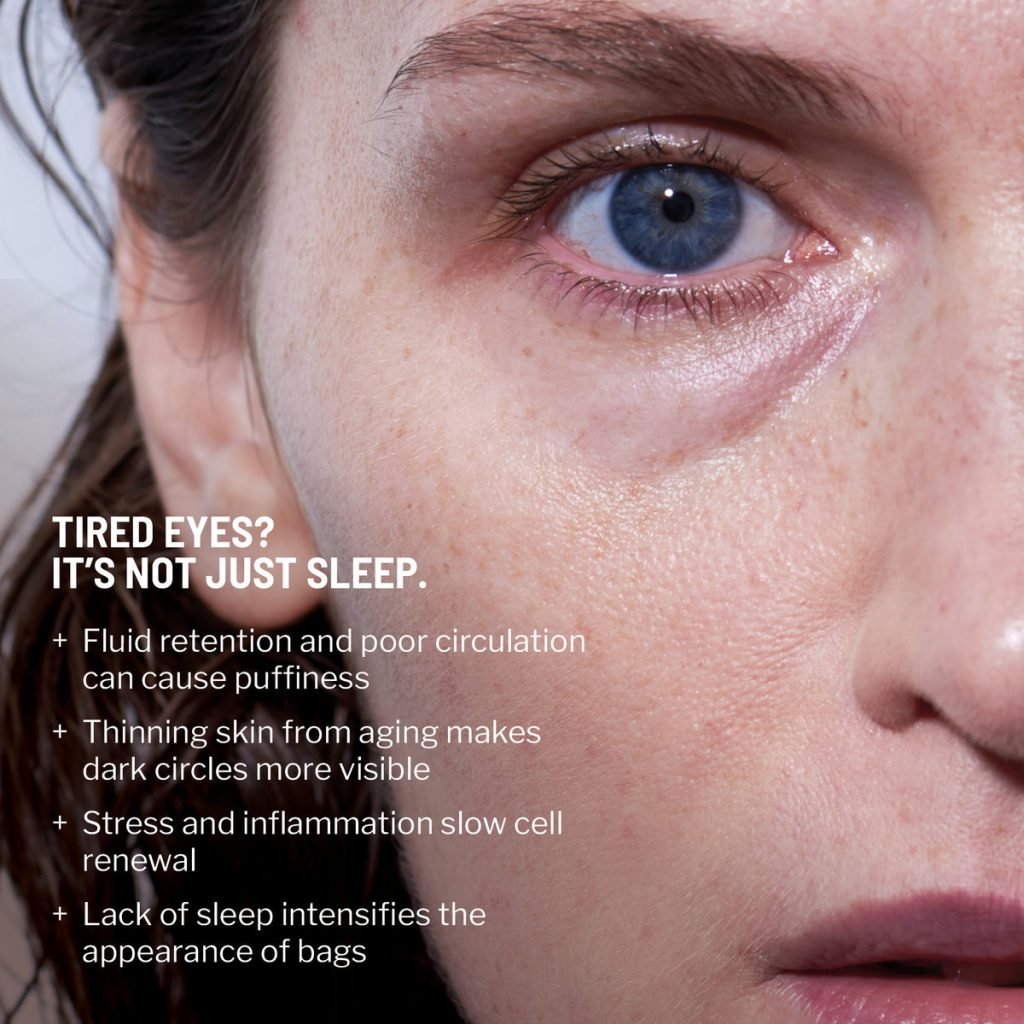
Are you curious about whether Bosnians have dark circles under their eyes? Maybe you’ve heard someone mention it, or perhaps you’re just intrigued by this unique cultural question.
Dark circles are a common beauty concern worldwide, but what about in Bosnia? This article will uncover the truth behind this claim, explore possible reasons, and give you insights that might surprise you. You’ll discover whether genetics, lifestyle, or something else plays a role.
Get ready to dive into an engaging exploration that could change the way you view beauty and health forever. Stay with us as we unravel this mystery—you might just find some helpful tips for your own skincare routine along the way!
Credit: cocobeauty.com
Genetics And Skin Traits
Understanding genetics and skin traits is key to figuring out why some Bosnians might have dark circles under their eyes. Genetics influence many aspects of your skin, including thickness, pigmentation, and how blood vessels show through. These factors combine to shape the appearance of the delicate skin around your eyes.
Common Skin Types In Bosnia
Many Bosnians have a skin type that ranges from light to medium with cool or neutral undertones. This skin often reacts differently to sun exposure, leading to varied pigmentation patterns. Some people notice that their skin around the eyes is thinner or more transparent, which can make veins more visible and create dark circles.
Your skin type also affects how prone you are to dryness or oiliness, both of which impact skin health under the eyes. If you have drier skin, fine lines and shadows can appear more noticeable. On the other hand, oily skin might hide some discoloration but could cause puffiness, which also affects the eye area’s look.
Role Of Melanin In Dark Circles
Melanin is the pigment responsible for your skin color. People with more melanin generally have darker skin tones, which can hide blood vessels better but sometimes show hyperpigmentation around the eyes more clearly.
In Bosnians, melanin levels can vary widely, affecting how dark circles appear. If your skin produces extra melanin in response to irritation or sun exposure, you might notice darker patches under your eyes. This is called periorbital hyperpigmentation and is quite common.
Think about your own experience: have you noticed your dark circles getting worse after stress or lack of sleep? That’s partly because these conditions can increase blood flow and melanin production around your eyes.
Lifestyle Factors
Lifestyle plays a big role in whether someone has dark circles under their eyes, and Bosnians are no exception. These factors often influence skin health more than genetics alone. Understanding how your daily habits affect your appearance can help you make better choices.
Sleep Patterns And Their Impact
Sleep quality and duration directly affect the appearance of dark circles. If you’re skimping on rest or have irregular sleep hours, your skin doesn’t get enough time to repair itself. This can cause blood vessels under the eyes to become more visible, leading to those dreaded dark shadows.
Think about your own routine—are you consistently getting 7 to 8 hours of sleep? Poor sleep not only darkens your under-eye area but also makes you look tired overall. Many Bosnians juggling work and social life find it hard to maintain steady sleep, which can explain why dark circles are common.
Diet And Hydration Habits
Your diet impacts your skin’s health and how pronounced your dark circles appear. A lack of essential vitamins, especially vitamin K and iron, can worsen the darkness under your eyes. Eating meals rich in fresh vegetables, fruits, and lean proteins supports healthier skin.
Hydration is just as crucial. Dehydration causes your skin to look dull and sunken, making dark circles stand out more. Drinking enough water daily—at least 8 glasses—can help plump up the skin and reduce shadows.
- Limit salty foods that cause water retention and puffiness around the eyes.
- Add foods high in antioxidants to fight skin damage.
- Try herbal teas like chamomile to soothe and hydrate.
Are you paying attention to what you eat and drink every day? Small changes in your diet and hydration can make a visible difference in your under-eye area.
Environmental Influences
Environmental factors play a significant role in the appearance of dark circles under the eyes, impacting skin health in subtle yet powerful ways. Understanding how your surroundings affect your skin can help you manage or even reduce these dark circles. Let’s look closely at how climate and living conditions influence the skin around your eyes.
Climate Effects On Skin
The climate in Bosnia varies greatly, from cold winters to hot summers, and these changes can stress your skin. Cold weather often dries out the skin, making dark circles more noticeable because the skin becomes thinner and more fragile. On the other hand, too much sun exposure can cause pigmentation changes and damage the delicate skin under your eyes.
Have you noticed your dark circles worsen during certain seasons? That’s a common experience. Protecting your skin with moisturizers in winter and sunscreen in summer can help maintain a healthier look.
Urban Vs Rural Living Conditions
Living in a city or a rural area in Bosnia can affect your skin differently. Cities usually have more pollution, which can clog pores and irritate the skin, making dark circles appear worse. Rural areas might offer cleaner air, but other factors like hard water or limited access to skincare products can also impact skin health.
Think about your environment: Are you exposed to smoke, dust, or harsh weather regularly? Small changes, like using a gentle cleanser or wearing protective eyewear, can make a big difference in reducing those dark circles.
Credit: www.loopsbeauty.com
Health And Medical Causes
Dark circles under the eyes are often more than just a cosmetic concern. They can signal underlying health and medical issues that affect anyone, including Bosnians. Understanding these causes helps you address the root of the problem rather than just masking the symptoms.
Allergies And Sinus Issues
Allergies and sinus problems are common reasons for dark circles. When your sinuses get inflamed, they can cause swelling and discoloration around your eyes. Have you noticed your eyes itch or water before those circles appear? That’s often a sign of allergies at work.
These issues restrict blood flow, making veins under your eyes more visible. You might also experience nasal congestion or headaches alongside the dark circles. Taking care of allergies with antihistamines or nasal sprays can reduce this discoloration over time.
Nutritional Deficiencies
Lack of certain nutrients can make dark circles more prominent. For example, iron deficiency often causes paleness and dark shadows under the eyes. If your diet is low in iron-rich foods like spinach, beans, or red meat, this could be the reason you see those circles.
Vitamin C and K deficiencies also play a role in skin health and blood circulation. Think about what you eat daily—are you getting enough fruits and vegetables? Improving your nutrition might be a simple way to brighten your under-eye area.
Cultural Beauty Standards
Cultural beauty standards shape how people see themselves and others. In Bosnia, these standards influence the way dark circles under the eyes are perceived and treated. Understanding these views helps you connect with Bosnian culture beyond surface appearances.
Perceptions Of Dark Circles In Bosnian Society
Dark circles in Bosnia are often linked to hard work and long hours. Many people see them as a sign of dedication rather than just tiredness. This outlook can make dark circles less of a beauty flaw and more of a badge of honor.
However, younger generations are starting to view dark circles differently. Social media and global beauty trends introduce new ideas about skincare and appearance. You might notice that some Bosnians now consider dark circles something to minimize for a fresh, youthful look.
Have you ever wondered how a community’s daily life and values shape what is seen as beautiful or not? Bosnia’s mix of tradition and modern influence creates a unique balance in this regard.
Traditional Remedies And Treatments
Many Bosnians rely on natural remedies passed down through families to reduce dark circles. Common treatments include:
- Cucumber slices, known for their cooling and soothing effects
- Cold milk compresses, which help lighten the skin under the eyes
- Herbal teas like chamomile, used both as compresses and in skincare routines
These remedies are easy to try at home and connect you to a long history of caring for your skin naturally. Some Bosnians also use olive oil or rose water, believing these ingredients nourish delicate skin around the eyes.
Would you consider trying these simple, natural treatments before opting for commercial products? They offer a gentle, budget-friendly way to address dark circles and honor Bosnian traditions at the same time.

Credit: www.drbrandtskincare.com
Comparisons With Other Populations
Comparing the occurrence of dark circles under the eyes among Bosnians with other populations can reveal interesting patterns about genetics, lifestyle, and environment. Understanding these differences helps you see if dark circles are more about regional habits or deeper biological factors. Let’s look at how Bosnians stack up against their neighbors and people around the world.
Dark Circles In Neighboring Countries
In countries close to Bosnia, like Serbia, Croatia, and Montenegro, dark circles are a common concern as well. These populations share similar genetic backgrounds and climates, which influence skin pigmentation and the tendency to develop under-eye discoloration.
However, some differences arise from lifestyle factors. For example:
- Diet: Traditional diets vary slightly, affecting nutrient intake important for skin health.
- Sleep patterns: Work culture and stress levels differ, impacting fatigue-related dark circles.
- Sun exposure: Regions with more intense sunlight can cause more pigmentation under the eyes.
Have you noticed if your friends or family from neighboring countries have more or fewer dark circles compared to Bosnians? This might reflect these subtle lifestyle and environmental differences.
Global Perspectives On Under-eye Discoloration
Looking beyond the Balkans, dark circles appear differently across the globe. In some populations, genetics play a larger role, while in others, external factors dominate.
For example, people with darker skin tones, such as many in South Asia or the Middle East, often have more visible pigmentation around their eyes. This is largely due to melanin concentration, which can make any discoloration stand out more.
Conversely, in Northern European countries, pale skin may make blood vessels under the eyes more noticeable, creating a bluish tint rather than a brownish one.
What you might find surprising is how much your own environment—like pollution levels and humidity—affects your under-eye appearance. Are your dark circles a result of where you live or something inherited from your ancestors?
Frequently Asked Questions
Do Bosnians Commonly Have Dark Circles Under Their Eyes?
Dark circles are not specific to Bosnians; they occur in all ethnicities. Factors like genetics, lack of sleep, and health affect their appearance universally.
What Causes Dark Circles Among Bosnians?
Dark circles in Bosnians result from genetics, fatigue, stress, and sometimes allergies. Lifestyle and environmental factors also contribute to their visibility.
Can Lifestyle Changes Reduce Dark Circles In Bosnians?
Yes, improving sleep, hydration, and diet can help reduce dark circles. Managing stress and avoiding allergens also benefit skin health around the eyes.
Are Dark Circles A Sign Of Health Issues In Bosnians?
Dark circles can indicate fatigue or allergies but are not always a health concern. Persistent dark circles may require medical advice for underlying conditions.
Conclusion
Dark circles under the eyes can affect anyone, including Bosnians. Many factors cause them, like genetics, tiredness, or stress. Not all Bosnians have dark circles, but some do. Taking care of health and sleep helps reduce their appearance. Simple habits like drinking water and resting well matter most.
Understanding these causes can guide better care. Everyone’s skin is different and needs gentle attention. Dark circles do not define beauty or health. They are common and treatable with patience and care.
