
Do you often find yourself dealing with those pesky dark circles under your eyes, no matter how much sleep you get? You might be surprised to learn that anemia could be playing a significant role.
Anemia is more than just feeling a little tired; it can have visible effects on your appearance, like those stubborn dark circles. Understanding this link could be the key to not just improving your health, but also enhancing your overall look and confidence.
Ready to uncover the hidden connection between anemia and dark circles under your eyes? Keep reading to discover how addressing this common condition can help you feel and look your best.

Credit: www.medichecks.com
Link Between Anemia And Dark Circles
Noticing dark circles under your eyes might make you think of sleepless nights or stress, but have you ever considered anemia as a cause? Anemia, a condition marked by low levels of red blood cells or hemoglobin, can directly affect the appearance of your skin, especially around your eyes. Understanding this link can help you identify whether those dark circles signal a deeper health issue.
How Anemia Affects Skin
Anemia reduces the oxygen-carrying capacity of your blood. This means less oxygen reaches your skin cells, making your complexion look pale and tired.
When your skin lacks oxygen, it becomes thin and dull. This thinning effect is particularly noticeable under the eyes, where the skin is already delicate.
Have you ever felt that your skin looks washed out even after a good night’s sleep? It could be your body’s way of showing that it’s not getting enough iron or nutrients essential for healthy blood.
Why Dark Circles Appear
Dark circles happen when blood vessels under the eyes become more visible due to thinner skin or poor circulation. Anemia can worsen this by causing blood vessels to dilate or leak, creating a shadowy effect.
In addition, anemia can lead to fatigue and poor sleep quality, which further darkens those circles. The combination of pale skin and visible veins makes the darkness even more pronounced.
Think about the last time you saw your reflection and noticed those shadows. Could addressing your iron levels or consulting a healthcare provider reduce them? Taking action early might improve both your energy and your appearance.
Common Causes Of Anemia
Anemia happens when the body has fewer red blood cells than normal. These cells carry oxygen to all parts of the body. Without enough oxygen, the skin and under-eye areas can look pale or dark. Many factors can cause anemia. Understanding these causes helps in managing and preventing it.
Nutritional Deficiencies
Iron is key to making red blood cells. Low iron in the diet often leads to anemia. Vitamin B12 and folate are also important for healthy blood. Lack of these nutrients can reduce red blood cell production. Foods rich in iron and vitamins are essential to avoid this type of anemia.
Chronic Diseases
Some long-term illnesses affect red blood cell production. Diseases like kidney failure, cancer, and rheumatoid arthritis can cause anemia. These conditions may lower the body’s ability to make or keep red blood cells. Managing the disease often helps improve anemia symptoms.
Blood Loss
Blood loss reduces the number of red blood cells quickly. This can happen during heavy menstrual periods or injuries. Internal bleeding from ulcers or stomach problems also causes anemia. The body needs time and nutrients to replace lost blood.
Other Reasons For Dark Circles
Dark circles under the eyes aren’t always caused by anemia. Many factors can contribute to those stubborn shadows, and understanding these can help you tackle them more effectively. Let’s look at some common reasons beyond anemia that might be affecting your skin.
Genetics And Aging
Your genes play a huge role in how your skin looks. If your parents have dark circles, you might have inherited thin skin or pigmentation that makes veins more visible under your eyes.
As you age, the skin around your eyes loses collagen and becomes thinner. This makes dark circles more noticeable, even if you’re healthy and well-rested.
Lack Of Sleep
Not getting enough sleep can cause your skin to look dull and pale. This makes blood vessels under your eyes more visible, creating that tired, shadowy effect.
Have you noticed your circles getting worse after a few late nights? Your body needs rest to repair skin and reduce puffiness.
Allergies And Skin Conditions
Allergies often cause your eyes to itch and rub, which can darken the skin and cause swelling. Conditions like eczema or dermatitis can also lead to irritation and discoloration.
Managing allergies and avoiding irritants can help reduce dark circles. Have you tried using hypoallergenic skincare or allergy treatments to see if your under-eye area improves?

Credit: wwwphilhealthgovph.online
Quick Remedies For Dark Circles
Dark circles under your eyes can be frustrating, especially when linked to anemia. The good news is, there are quick remedies you can try at home to reduce their appearance. These simple changes can make a noticeable difference and boost your confidence.
Home Treatments
Applying cold compresses can instantly reduce puffiness and dark circles. Try placing chilled cucumber slices or cold tea bags on your eyes for 10-15 minutes daily.
Another effective home remedy is gently massaging the under-eye area with almond oil or vitamin E oil before bed. This helps improve blood circulation and nourishes the delicate skin.
Dietary Changes
Boosting your iron intake can help if anemia is causing your dark circles. Add foods like spinach, lentils, and lean meats to your meals.
Vitamin C-rich foods such as oranges and strawberries aid iron absorption, making your efforts more effective. Are you paying attention to how your diet affects your skin?
Lifestyle Adjustments
Sleep plays a crucial role in reducing dark circles. Aim for 7-8 hours of quality sleep every night to help your body repair itself.
Stress can worsen dark circles, so find time for relaxation techniques like deep breathing or yoga. These small shifts can have a big impact on your skin’s appearance.
Medical Treatments For Anemia
Medical treatments for anemia target the root cause of low red blood cell count or hemoglobin levels. Addressing anemia effectively can reduce symptoms like fatigue, weakness, and those stubborn dark circles under your eyes. Understanding your treatment options helps you take control of your health and appearance.
Iron Supplements
Iron deficiency is the most common cause of anemia. Taking iron supplements can quickly boost your iron levels and improve symptoms.
These supplements come in various forms such as ferrous sulfate, ferrous gluconate, and ferrous fumarate. Your doctor will recommend the right type and dosage for your needs.
It’s important to take iron supplements on an empty stomach to improve absorption, but if you experience stomach upset, try taking them with a small amount of food.
Vitamin Therapy
Sometimes anemia is caused by a lack of vitamins like B12 or folate. Vitamin therapy involves taking supplements or receiving injections to restore these essential nutrients.
You might be surprised how a simple vitamin B12 shot can dramatically improve your energy and reduce those dark circles. This treatment is especially important for people with absorption issues or dietary restrictions.
Regular monitoring ensures your vitamin levels stay balanced and prevent recurrence of anemia symptoms.
When To See A Doctor
Not all dark circles and fatigue are caused by anemia, but if these symptoms persist, it’s crucial to get a professional diagnosis.
Consult your doctor if you experience severe tiredness, pale skin, shortness of breath, or persistent dark circles that don’t improve with rest.
Early diagnosis allows for timely treatment, which can prevent complications and improve your quality of life.
Preventing Anemia And Dark Circles
Preventing anemia and dark circles under the eyes requires a healthy lifestyle and good habits. Both conditions often share common causes like poor nutrition, lack of sleep, and untreated health issues. Taking simple steps daily can keep these problems away and improve overall well-being.
Balanced Diet Tips
A well-rounded diet helps maintain healthy blood and skin. Include foods rich in iron, vitamin C, and B vitamins. These nutrients support red blood cell production and skin health.
- Eat leafy greens like spinach and kale
- Include lean meats such as chicken and fish
- Consume beans and lentils for plant-based iron
- Add citrus fruits to boost vitamin C absorption
- Choose whole grains over processed foods
Regular Health Checkups
Routine medical tests help detect anemia early. Blood tests measure hemoglobin and iron levels. Timely diagnosis allows for prompt treatment. Regular checkups also catch other health issues causing dark circles.
- Schedule annual physical exams
- Discuss any fatigue or skin changes with your doctor
- Follow prescribed treatments and advice
- Monitor chronic conditions like thyroid or kidney issues
Effective Sleep Habits
Good sleep is vital for skin repair and blood health. Poor sleep can worsen dark circles and increase anemia risk. Create a calm bedtime routine and set consistent sleep hours.
- Aim for 7 to 8 hours of sleep nightly
- Keep your bedroom dark and quiet
- Avoid screens at least one hour before bed
- Limit caffeine and heavy meals in the evening
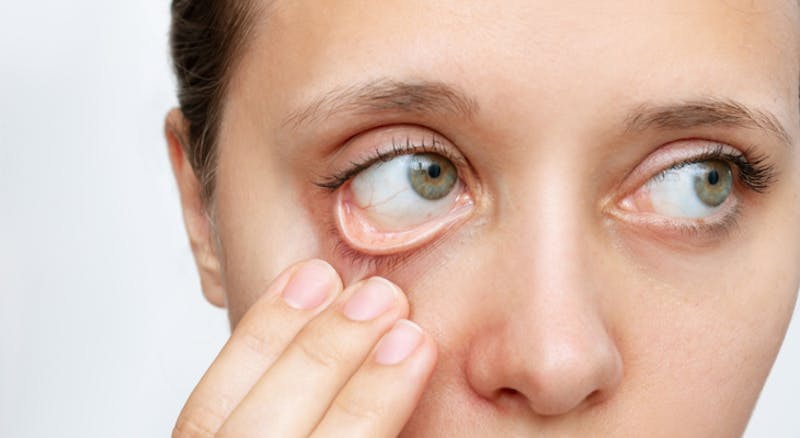
Credit: www.ncophth.com
Frequently Asked Questions
Can Anemia Cause Dark Circles Under The Eyes?
Yes, anemia reduces oxygen in the blood, leading to pale skin and dark circles. Low iron levels affect skin color, making veins under the eyes more visible.
How Does Iron Deficiency Relate To Dark Circles?
Iron deficiency lowers hemoglobin, reducing oxygen flow to skin. This causes dull skin and dark shadows under the eyes, highlighting tiredness and fatigue.
What Are Quick Remedies For Anemia-related Dark Circles?
Increase iron-rich foods like spinach and red meat. Stay hydrated, get enough sleep, and consider iron supplements after doctor advice to reduce dark circles.
When Should I See A Doctor For Dark Circles?
If dark circles persist despite lifestyle changes or worsen with fatigue, consult a doctor. They can diagnose anemia or other underlying health issues.
Conclusion
Anemia can cause dark circles under your eyes. Low iron reduces oxygen in your blood. This makes skin look pale and tired. Eating iron-rich foods helps improve your condition. Rest and hydration also support healthy skin. If dark circles stay, see a doctor for tests.
Early care can improve both anemia and skin. Take small steps daily for better health. Simple changes can make a big difference. Keep track of your symptoms and act soon. Your eyes can look brighter with proper care.
