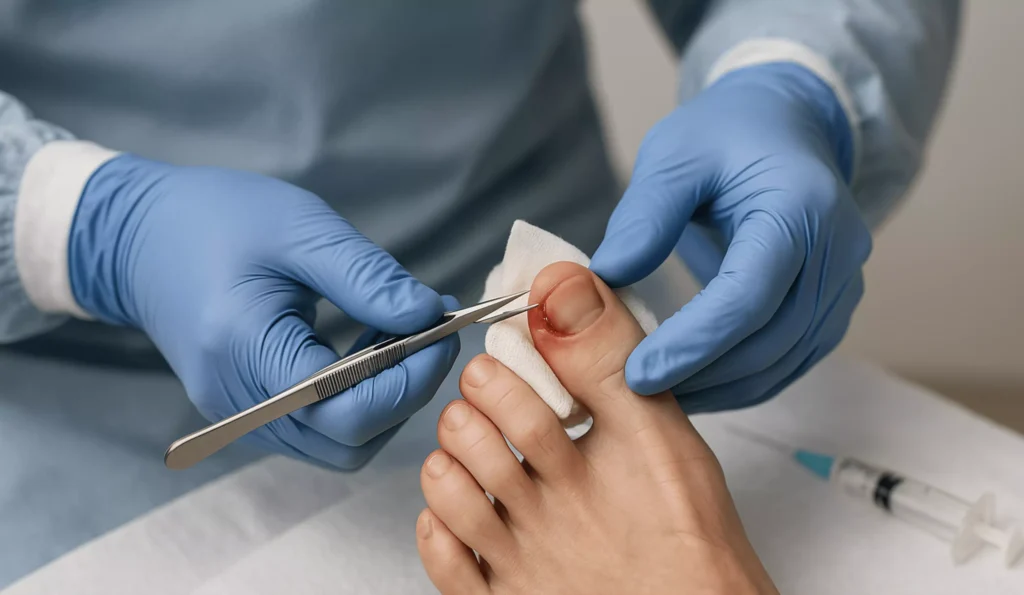
Have you just experienced a nail avulsion or are worried about how to care for your injured nail? Proper nail avulsion care is crucial to prevent infection, reduce pain, and help your nail heal faster.
If you’re unsure about what steps to take or how to manage discomfort, this guide will walk you through everything you need to know. By following simple, effective care tips, you can protect your nail and get back to feeling comfortable sooner.
Keep reading to learn how to take the best care of your nail and avoid common mistakes that could slow down your recovery.

Credit: www.onepodiatry.co.uk
Causes Of Nail Avulsion
Nail avulsion happens when a nail separates from the nail bed. Understanding the causes helps in preventing this painful condition. Various factors can lead to nail avulsion, including physical damage, infections, and underlying health issues. Each cause affects the nail differently and requires specific care.
Trauma And Injuries
Physical impact is a common cause of nail avulsion. Dropping heavy objects on toes or fingers can lift the nail. Sports injuries often cause sudden nail separation. Repeated pressure or pinching also damages the nail. These traumas break the bond between the nail and skin.
Infections And Medical Conditions
Bacterial and fungal infections weaken nails over time. Infections cause swelling and pain, leading to nail loss. Conditions like psoriasis and eczema affect nail health. Poor circulation and diabetes increase the risk of nail problems. These medical issues make nails more fragile and prone to avulsion.
Nail Disorders
Some nail diseases cause structural changes. Onycholysis, where the nail lifts from the bed, can lead to avulsion. Thickened or brittle nails are more likely to detach. Repeated nail biting or picking also damages the nail surface. These disorders disrupt normal nail growth and attachment.

Credit: www.katyfootcare.com
Immediate Actions After Avulsion
Immediate care after nail avulsion is crucial to prevent infection and reduce pain. Acting quickly helps the wound heal well and lowers the risk of complications. Follow these steps carefully to manage the injury.
Cleaning The Wound
Gently rinse the injured area with clean, cool water. Avoid using harsh soaps or chemicals. Pat the wound dry with a clean cloth or sterile gauze. Keep the area free from dirt and debris to reduce infection risk.
Controlling Bleeding
Apply gentle pressure using a clean cloth or sterile gauze. Hold the pressure for several minutes until bleeding slows or stops. Avoid removing the cloth too soon. Elevate the hand or foot to help reduce blood flow to the area.
Protecting The Area
Cover the wound with a sterile bandage or dressing. Change the dressing daily or if it becomes wet or dirty. Keep the area dry and avoid tight shoes or gloves. Rest the injured finger or toe to prevent further damage.
Home Care Tips
Taking care of your nail avulsion injury at home is crucial for proper healing and preventing infection. Your approach to pain, dressing, and avoiding irritants can make a big difference in recovery speed and comfort. Let’s look at practical tips you can apply immediately to manage your nail avulsion effectively.
Pain Management
Managing pain early helps you stay comfortable and reduces stress on your body. Over-the-counter pain relievers like ibuprofen or acetaminophen work well to ease discomfort. Applying a cold compress for 15-20 minutes every few hours can also reduce swelling and numb pain.
Have you noticed how your pain fluctuates throughout the day? Tracking it can help you time your medication and rest periods better. Avoid activities that put pressure on the injured finger or toe to prevent sharp pain spikes.
Dressing And Bandaging
Keeping your wound clean and covered protects it from infection and promotes healing. Use sterile gauze pads to cover the area and wrap it loosely with a bandage to allow airflow. Change your dressing daily or whenever it becomes wet or dirty.
Choosing the right bandage matters. Elastic bandages provide gentle compression, which can reduce swelling, but make sure they’re not too tight to cut off circulation. You might find it helpful to secure the bandage with medical tape that won’t irritate your skin.
Avoiding Irritants
Exposure to dirt, harsh soaps, or chemicals can slow healing and increase infection risk. Wash your hands before touching the injury, and avoid soaking the finger or toe in water for long periods. Use mild, fragrance-free soaps when cleaning the area.
Think about your daily routine—are there tasks that expose your wound to irritants? Wearing a protective glove during chores like dishwashing or gardening can shield your injury. Also, steer clear of nail polish or artificial nails until your skin is fully healed.
When To See A Doctor
Knowing when to see a doctor after a nail avulsion can make a big difference in your healing process. Not every symptom means trouble, but some signs should never be ignored. Paying attention to how your body reacts helps you avoid complications and get the right treatment quickly.
Signs Of Infection
Redness, swelling, and warmth around the nail area are common infection signs you should watch for. If you notice pus or a foul smell, it’s time to seek medical help immediately. Don’t wait for the pain to get worse—early treatment can prevent serious issues.
Persistent Pain Or Bleeding
It’s normal to feel some pain and minor bleeding after a nail avulsion, but if these last more than a few days, something might be wrong. Persistent pain that doesn’t improve with over-the-counter painkillers should raise a red flag. Continuous bleeding also means your wound isn’t healing properly and needs professional care.
Nail Bed Damage
If the nail bed looks damaged or if you notice the nail growing back irregularly, you should see a doctor. Damage to the nail bed can cause long-term problems with nail growth. Sometimes, what looks like a small injury can hide deeper tissue issues that only a professional can fix.
Promoting Faster Healing
Proper care after nail avulsion speeds healing and reduces pain. Small steps help the skin and nail bed recover well. Focus on good habits that protect and support new nail growth.
Nutrition For Nail Growth
Healthy nails need vitamins and minerals. Eat foods rich in:
- Biotin – found in eggs and nuts
- Vitamin C – in citrus fruits and strawberries
- Zinc – available in meat and seeds
- Protein – from meat, beans, and dairy
These nutrients help build strong, new nail tissue fast.
Keeping The Area Dry And Clean
Moisture slows healing and invites infection. Keep the nail bed dry by:
- Gently cleaning with mild soap and water
- Patting dry with a clean towel
- Changing dressings often
- Avoiding soaking the finger or toe in water
This reduces bacteria and speeds tissue repair.
Avoiding Pressure And Trauma
Protect the area from knocks or pressure. Avoid:
- Wearing tight shoes or gloves
- Using the injured finger or toe for heavy tasks
- Touching or picking at the healing skin
Rest lets the new nail grow without problems or pain.
Credit: medium.com
Long-term Nail Care
Long-term nail care is essential after a nail avulsion. It helps the nail grow back healthy and reduces the risk of future problems. Careful attention and simple habits support strong nail regrowth.
Monitoring Nail Regrowth
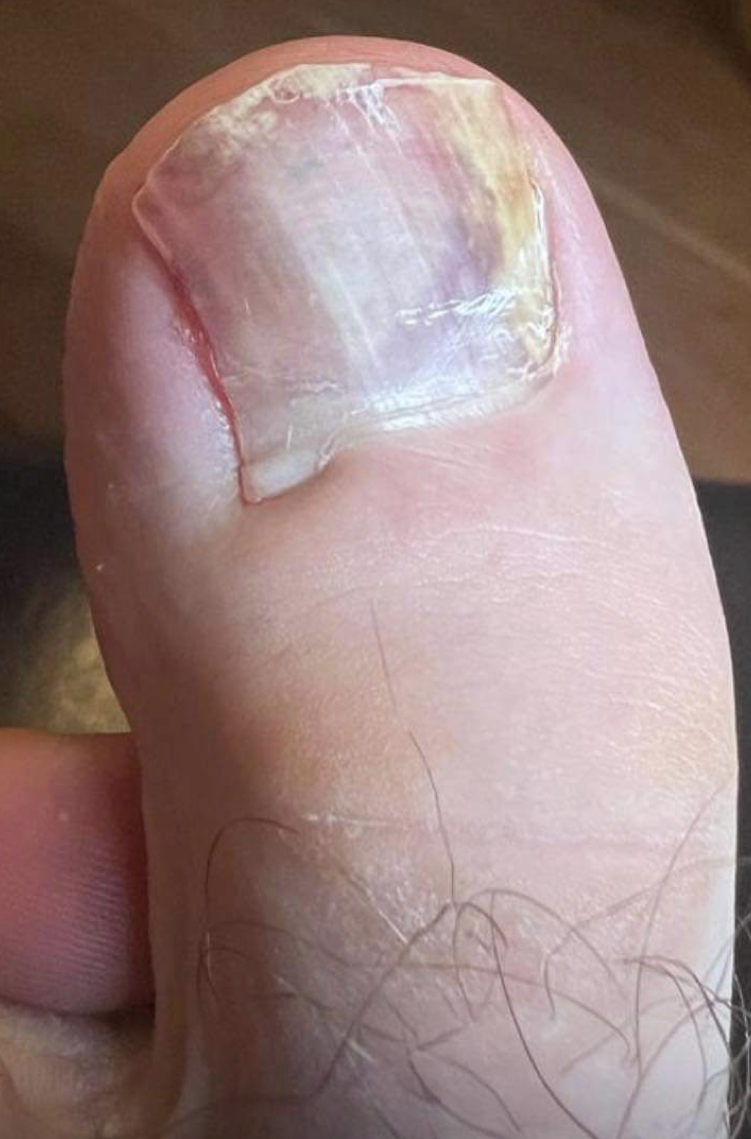
Check your nail regularly for signs of healthy growth. A new nail should grow steadily without pain or discoloration. Watch for unusual changes like thickening or redness. These may indicate infection or damage. Keep the area clean and dry to encourage healing.
Preventing Future Injuries
Avoid activities that put pressure on your nails. Do not bite or pick at your nails or cuticles. Trim nails carefully to avoid cuts or tears. Wear shoes that fit well to prevent nail trauma. Protect nails during sports or work by using gloves or guards.
Using Protective Measures
Use moisturizing creams to keep the skin around nails soft. Apply nail hardeners if nails are weak or brittle. Avoid harsh chemicals like detergents without gloves. Keep nails short to reduce chances of injury. Consider silicone or gel covers to shield new nails during regrowth.
Frequently Asked Questions
What Is Nail Avulsion And Why Is It Done?
Nail avulsion is the removal of a nail from its bed. It treats infections, injuries, or nail disorders. This procedure helps relieve pain and promotes healing of underlying issues.
How Should I Care For My Nail After Avulsion?
Keep the area clean and dry. Apply antibiotic ointment as directed. Change dressings regularly and avoid trauma to the nail bed. Follow your doctor’s instructions carefully.
How Long Does It Take For A Nail To Regrow?
Nail regrowth usually takes 4 to 6 months. Toenails may take longer, sometimes up to 12 months. Proper care during healing supports healthy and timely regrowth.
When Should I See A Doctor After Nail Avulsion?
Seek medical advice if you notice increased pain, redness, swelling, or pus. Fever or worsening symptoms also require prompt attention. Early treatment prevents infection complications.
Conclusion
Taking care of a nail avulsion is important for healing. Clean the area gently. Keep it dry and protected. Use recommended ointments or bandages. Watch for signs of infection like redness or swelling. Seek medical help if needed. Regularly check progress to ensure proper healing.
Rest your finger or toe to prevent further injury. Follow these tips for healthy nail recovery. Your care and attention matter. Heal well, stay healthy, and get back to your usual activities soon.