Your natural African hair is unique, beautiful, and full of life. But caring for it can sometimes feel confusing or overwhelming.
What if you had simple, effective tips that make your hair healthier, stronger, and more vibrant every day? You’ll discover easy steps to nourish your curls, protect your strands, and boost your hair’s natural shine. Ready to unlock the true potential of your hair?
Keep reading and transform your hair care routine for good.

Credit: dailynews.co.za
Hair Type Basics
Understanding the basics of your natural African hair is essential to giving it the care it deserves. Your hair type shapes how you should treat and style it, making knowledge about its characteristics and challenges a valuable tool for your hair care routine. Let’s break down what makes your hair unique and what common hurdles you might face.
Characteristics Of Natural African Hair
Natural African hair is known for its tight curls and coils, which create a beautiful, voluminous look. It often has a dense, thick texture but can also feel fragile and dry because the natural oils from the scalp have a harder time traveling down the twists and turns of the hair strands.
You might notice that your hair shrinks significantly when it dries—this is called shrinkage, a sign of healthy elasticity. The shape of the hair follicles (usually elliptical) causes this curl pattern, which varies widely, from loose curls to very tight coils.
Have you ever wondered why your hair feels so soft yet breaks easily? This softness combined with fragility is typical because of the natural curl pattern and the way the hair cuticles overlap. Knowing these traits can help you choose the right products and techniques to keep your hair strong and moisturized.
Common Challenges
Dryness is the most common challenge you’ll face. Since natural oils have difficulty traveling down the curls, your hair can feel dry and brittle. This dryness can lead to breakage if you’re not careful with moisturizing and handling.
Another issue is tangling and knotting, which happens because the curls intertwine tightly. This can make detangling time-consuming and sometimes painful if not done gently.
Many people also struggle with managing shrinkage, which can make it hard to gauge your hair’s true length and can affect certain hairstyles. How do you balance embracing shrinkage with styling needs? Finding a routine that respects your hair’s natural pattern while protecting it from damage is key.

Credit: www.news24.com
Cleansing Techniques
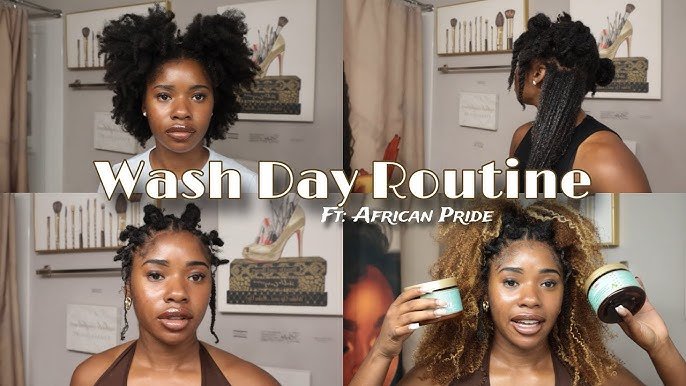
Cleansing natural African hair is more than just washing—it’s about maintaining moisture, preventing breakage, and keeping your scalp healthy. The right cleansing routine respects your hair’s unique texture and needs. Let’s dive into how you can clean your hair effectively without stripping away its natural oils.
Choosing The Right Shampoo
Pick shampoos that are sulfate-free and rich in moisturizing ingredients like shea butter, coconut oil, or aloe vera. Sulfates can dry out your hair and scalp, leading to brittleness and irritation.
Look for shampoos labeled as “hydrating” or “gentle.” If you struggle with dandruff or scalp buildup, a clarifying shampoo used occasionally can help, but avoid overusing it as it can dry your hair.
Frequency Of Washing
How often you wash depends on your lifestyle and scalp condition. Washing every 7 to 14 days usually works well for natural African hair, allowing natural oils to nourish your strands.
Washing too frequently can strip moisture, while washing too infrequently might cause buildup. Listen to your scalp—if it feels itchy or oily, it might be time to cleanse.
Detangling Tips
Detangling during cleansing can reduce breakage and pain. Use a wide-tooth comb or your fingers to gently separate knots while your hair is wet and conditioned.
Apply a generous amount of conditioner or a detangling spray before you start. Start detangling from the ends and work your way up to the roots to avoid pulling out healthy strands.
Moisturizing Methods
Moisturizing natural African hair is key to keeping it healthy and strong. This hair type tends to be dry because its curls slow down natural oils from reaching the ends. Proper hydration prevents breakage and helps maintain softness and shine.
Using the right methods for moisturizing can make a big difference. Let’s explore the importance of hydration, the best oils and butters to use, and a simple daily moisture routine.
Importance Of Hydration
Hydration keeps hair flexible and less prone to damage. Dry hair breaks easily and looks dull. Water is the best moisturizer because it penetrates the hair shaft. Without enough moisture, curls become brittle and frizzy. Regular hydration supports growth and scalp health. It also helps maintain elasticity and reduces tangling.
Best Oils And Butters
Natural oils and butters lock in moisture and nourish hair. Choose oils that absorb well without feeling heavy. Some of the best options include:
- Coconut oil – penetrates deeply and reduces protein loss
- Jojoba oil – mimics natural scalp oil and balances moisture
- Olive oil – rich in antioxidants and smooths hair cuticles
- Shea butter – thick and nourishing, great for sealing moisture
- Mango butter – softens hair and protects from dryness
Mix oils and butters for a personalized blend. Apply them after water or leave-in conditioner to trap moisture.
Daily Moisture Routine
Keeping a simple daily routine helps maintain hydration levels. Follow these steps:
- Spritz hair lightly with water or a water-based leave-in
- Apply a small amount of oil or butter to seal moisture
- Gently massage the scalp to boost circulation
- Protect hair with a satin scarf or bonnet at night
Adjust the routine based on your hair’s needs and weather changes. Consistency is key for healthy, moisturized natural hair.
Styling Tips
Styling your natural African hair can be both fun and rewarding, but it requires care and attention to keep your hair healthy. Choosing the right styles and handling your hair gently will help you maintain its strength and beauty. Let’s dive into some practical styling tips that protect your hair and reduce damage.
Protective Styles
Protective styles shield your hair from daily wear and tear. Styles like braids, twists, and buns keep your ends tucked away and reduce manipulation.
Try styles that don’t pull too tightly on your scalp to avoid tension and discomfort. Adding silk or satin scarves at night can also protect your style and prevent frizz.
Have you noticed how your hair feels after wearing tight braids for weeks? Looser styles help your scalp breathe and promote healthy growth.
Heat Usage Guidelines
Heat can damage natural hair quickly if not used carefully. Limit heat styling tools like flat irons and blow dryers to occasional use rather than daily routines.
Always apply a heat protectant before styling and use the lowest effective temperature setting. This helps prevent moisture loss and breakage.
Consider air-drying or using heat-free styling methods like twist-outs or roller sets. Have you tried heatless curls? They give you beautiful texture without the risk of heat damage.
Avoiding Breakage
Breakage often happens when hair is dry or handled roughly. Keep your hair moisturized and detangle gently using a wide-tooth comb or your fingers.
Avoid styles that require constant pulling or tight bands that snap your strands. Silk pillowcases and satin bonnets reduce friction while you sleep, protecting your hair.
Think about your daily hair routine—are you rushing through detangling or styling? Slowing down and being gentle can save your hair from unnecessary breakage.
Scalp Care
Taking care of your scalp is just as important as caring for your natural African hair strands. A healthy scalp creates the perfect environment for hair growth and helps prevent common issues like dryness, itchiness, and flaking. Nourishing and protecting your scalp ensures your hair remains strong and vibrant.
Maintaining Scalp Health
Cleanse your scalp regularly to remove dirt and buildup. Use gentle shampoos that do not strip natural oils. Massage your scalp gently with fingertips to boost blood flow. This encourages hair follicles to stay active. Keep your scalp moisturized using light oils or scalp sprays. Avoid scratching or harsh treatments that can cause damage.
Dealing With Dryness And Itchiness
Dry scalp can cause discomfort and hair breakage. Use natural oils like jojoba, coconut, or castor oil to soothe dryness. Apply oils in small amounts to avoid clogging pores. Hydrate your scalp by drinking enough water daily. Avoid products with alcohol or strong fragrances. These can worsen dryness and irritation.

Credit: toallmyblackgirls.com
Nighttime Routine
Taking care of your natural African hair at night is just as important as your daytime routine. Nighttime is when your hair repairs itself, so how you treat it before bed can make a big difference. A good routine can help reduce breakage, retain moisture, and keep your curls looking fresh.
Protective Night Styles
Choose styles that keep your hair secure but gentle. Braids, twists, or bantu knots work well because they prevent tangling and reduce friction. These styles also help keep your ends tucked away, which protects them from damage.
I’ve noticed that even simple two-strand twists overnight keep my hair hydrated and manageable the next day. You don’t need complicated styles—just something that keeps your hair in place without pulling too tight.
Using Silk And Satin
Switching to silk or satin pillowcases or hair wraps can dramatically improve your hair health. Cotton absorbs moisture from your hair and creates friction, which leads to dryness and breakage. Silk and satin help your hair retain moisture and glide smoothly through the night.
Try using a silk bonnet or scarf to cover your hair before you sleep. It feels luxurious and keeps your hair soft. Have you ever noticed how your hair feels rough after sleeping on cotton? This simple change can stop that.
Diet And Lifestyle
Taking care of natural African hair means caring for your body from the inside out. Your diet and lifestyle play a big role in hair health. Eating the right foods and managing stress help your hair grow strong and stay healthy. Simple changes in daily habits can make a big difference.
Foods That Promote Hair Growth
Your hair needs nutrients to grow well. Eating foods rich in vitamins and minerals supports strong hair strands and scalp health.
- Spinach:Full of iron and vitamins A and C, which help produce scalp oils.
- Eggs:Provide protein and biotin, essential for hair strength.
- Sweet potatoes:Packed with beta-carotene that converts to vitamin A for hair growth.
- Nuts and seeds:Contain zinc, vitamin E, and healthy fats for hair moisture.
- Fish:Rich in omega-3 fatty acids that nourish hair follicles.
Stress Management
Stress can cause hair to fall out and slow growth. Reducing stress helps maintain healthy hair cycles.
- Practice deep breathing or meditation daily.
- Exercise regularly to release tension and boost circulation.
- Get enough sleep to allow hair cells to repair and grow.
- Take breaks and enjoy hobbies to relax your mind.
Frequently Asked Questions
How Often Should I Wash Natural African Hair?
Washing natural African hair once every 1-2 weeks is ideal. This frequency maintains moisture and prevents dryness. Use sulfate-free shampoos to avoid stripping natural oils. Conditioning after washing helps keep hair soft and manageable.
What Are The Best Moisturizers For African Hair?
Use water-based leave-in conditioners and natural oils like coconut, shea butter, or jojoba. These moisturizers lock in hydration. Avoid heavy products that cause buildup. Regular moisturizing prevents breakage and keeps hair healthy.
How Can I Prevent Breakage In Natural African Hair?
Gentle handling is key to preventing breakage. Avoid excessive heat and tight hairstyles. Use wide-tooth combs and detangle hair carefully. Regular deep conditioning strengthens strands and reduces damage.
Is Protective Styling Beneficial For Natural African Hair?
Yes, protective styles like braids and twists shield hair ends. They reduce manipulation and moisture loss. Protective styling promotes growth and reduces breakage when done properly without tight tension.
Conclusion
Caring for natural African hair requires patience and love. Regular moisturizing helps prevent dryness. Use gentle shampoos to avoid stripping oils. Deep conditioning is essential for strength and shine. Protective styles reduce breakage. Sleep with a satin scarf to keep hair healthy.
Avoid heat styling to prevent damage. Eat a balanced diet for better hair growth. Always listen to your hair’s needs. Experiment with different products to find what works best. Celebrate and embrace your beautiful curls. Taking care of your hair is a journey, enjoy it every step of the way.