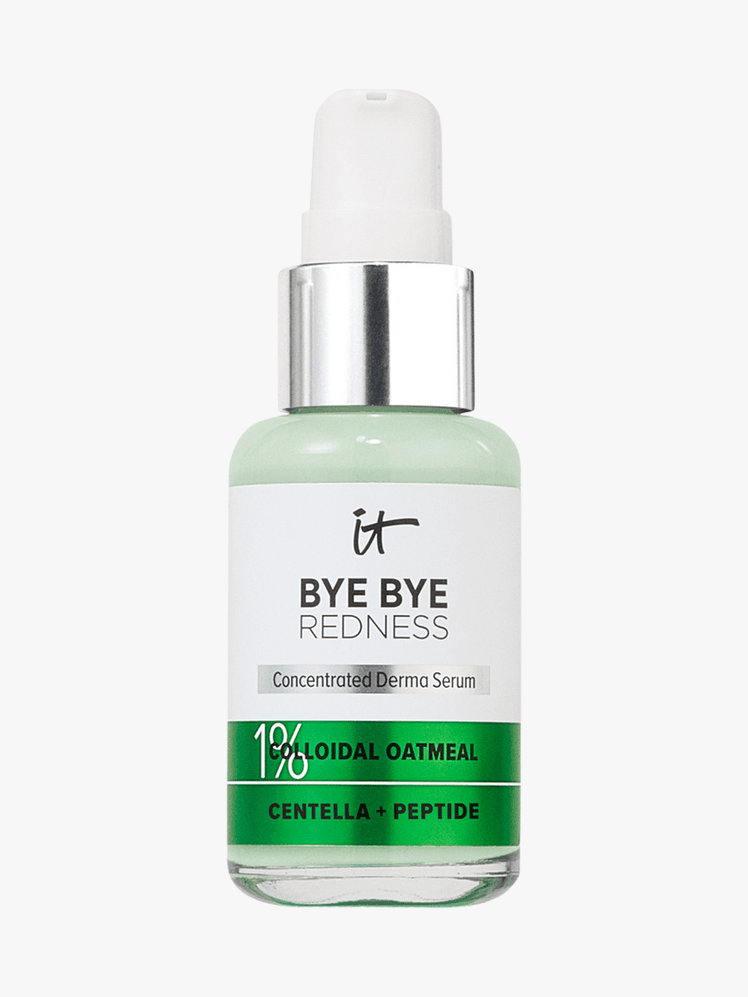
Are you tired of seeing redness in the mirror every morning? You’re not alone.
Many people struggle with skin that flushes too easily, causing embarrassment and discomfort. Redness can be more than just a cosmetic concern; it can affect your confidence and how you feel about yourself. But what if there was a way to calm your skin and reclaim your natural glow?
We’re diving into the world of skincare specifically for redness. Discover what causes those pesky red patches and learn simple, effective solutions to soothe your skin. With the right tips and tricks, you can say goodbye to redness and hello to a more even complexion. Ready to unlock the secrets to healthier-looking skin? Let’s get started!

Credit: www.ulta.com
Causes Of Skin Redness
Skin redness can appear for many reasons. It often signals irritation or inflammation. Understanding the causes helps in managing and preventing redness. Some causes are simple triggers from the environment. Others are linked to skin conditions that need care.
Common Triggers
- Sun exposure – causes redness and sunburn quickly.
- Harsh skincare products – irritate sensitive skin.
- Hot water – strips natural oils and causes redness.
- Cold weather – dries skin and leads to redness.
- Stress – can increase skin sensitivity and redness.
- Allergic reactions – to foods, cosmetics, or fabrics.
- Physical irritation – from scratching or rubbing skin.
Skin Conditions Linked To Redness
- Rosacea – causes persistent redness and visible blood vessels.
- Eczema – leads to red, itchy, and inflamed patches.
- Psoriasis – creates red, scaly skin plaques.
- Contact dermatitis – redness after touching irritants.
- Acne – inflamed pimples cause localized redness.
- Seborrheic dermatitis – causes red, flaky skin, especially on the face.
Choosing Gentle Skincare Products
Choosing gentle skincare products is key for reducing redness and calming sensitive skin. Harsh ingredients can worsen irritation and cause more redness. Gentle products help protect the skin barrier and soothe inflammation.
Focus on products that support skin health without causing harm. Simple formulas with fewer ingredients often work best. The right ingredients can calm redness and reduce discomfort.
Ingredients To Avoid
- Alcohol (denatured or ethanol) – dries out and irritates skin
- Fragrances – often cause allergic reactions and redness
- Sulfates (like Sodium Lauryl Sulfate) – strip natural oils, leading to dryness
- Harsh exfoliants (like walnut shell powder) – create micro-tears and worsen redness
- Essential oils – can be too strong and trigger sensitivity
- Artificial dyes – may cause irritation and redness
Soothing Ingredients To Look For
- Aloe vera – calms and hydrates irritated skin
- Chamomile – reduces redness and inflammation
- Niacinamide – strengthens the skin barrier and evens skin tone
- Oat extract – soothes and protects sensitive skin
- Ceramides – restore skin’s natural barrier
- Green tea extract – contains antioxidants and anti-inflammatory properties
Daily Skincare Routine For Redness
Managing redness in the skin requires a gentle, consistent daily routine. Each step helps calm irritation and strengthens the skin barrier. A proper routine reduces flare-ups and soothes sensitive skin effectively.
Cleansing Tips
Choose a mild cleanser designed for sensitive skin. Avoid harsh soaps or scrubs that can worsen redness. Use lukewarm water to wash your face, as hot water can irritate skin. Gently pat your face dry with a soft towel, without rubbing.
Moisturizing Strategies
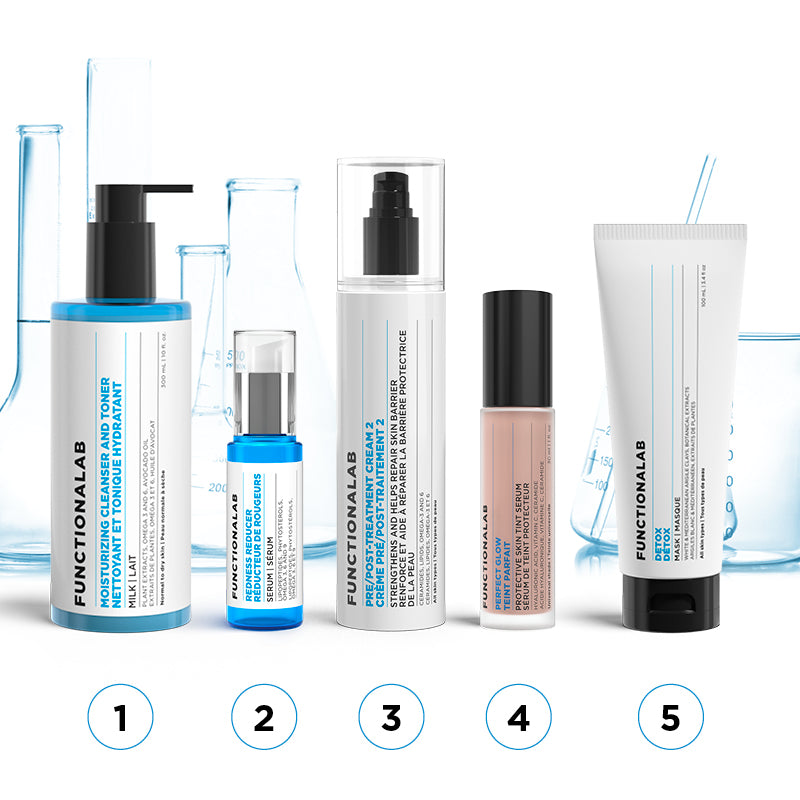
Apply a fragrance-free moisturizer to lock in hydration. Look for ingredients like ceramides and hyaluronic acid. These help repair the skin barrier and reduce redness. Moisturize twice a day, morning and night, for best results.
Sun Protection Importance
Sun exposure can increase redness and damage sensitive skin. Use a broad-spectrum sunscreen with at least SPF 30 daily. Choose mineral-based sunscreens with zinc oxide or titanium dioxide. Reapply sunscreen every two hours, especially outdoors.
Credit: www.functionalab.com
Home Remedies To Calm Red Skin
Redness on your skin can be uncomfortable and frustrating. It often feels like your skin is constantly irritated or inflamed. Luckily, simple home remedies can help soothe the redness and bring relief without harsh chemicals.
Cooling Treatments
Applying something cool to your skin can reduce redness quickly. Cold compresses or chilled cucumber slices work well because they constrict blood vessels, calming inflammation.
Try wrapping ice cubes in a soft cloth and gently pressing it on the red areas for a few minutes. Avoid putting ice directly on your skin to prevent frostbite. You might be surprised how a simple cool towel can instantly ease that burning sensation.
Natural Anti-inflammatories
Certain natural ingredients have anti-inflammatory properties that help calm red skin. Aloe vera gel is a popular choice; it soothes irritation and moisturizes without clogging pores.
Green tea bags, once cooled, can be placed on your face to reduce redness thanks to their antioxidants. Honey is another option—you can apply a thin layer to your skin and leave it for about 15 minutes before rinsing off.
Have you tried any of these natural remedies? Sometimes, the simplest ingredients from your kitchen can make a noticeable difference in your skin’s calmness and comfort.
Lifestyle Changes To Reduce Redness
Reducing skin redness often requires small changes in daily habits. Lifestyle adjustments can calm irritated skin and prevent flare-ups. Focus on what you eat, how you handle stress, and the environment around you. These factors play a big role in skin health and redness control.
Diet And Hydration
Foods affect skin condition directly. Avoid spicy foods and alcohol, as they can increase redness. Eat more fruits and vegetables rich in antioxidants. Drink plenty of water to keep skin hydrated and flush out toxins. Proper hydration helps skin stay smooth and less irritated.
Stress Management
Stress triggers inflammation and worsens redness. Try deep breathing exercises or meditation to relax. Regular physical activity releases feel-good hormones that reduce stress. Sleep well to help skin repair itself overnight. Calm mind, calm skin.
Environmental Factors
Wind, sun, and pollution can irritate sensitive skin. Protect your face with a gentle sunscreen daily. Wear a scarf or hat in harsh weather. Use a humidifier indoors to keep air moist. Avoid extreme temperatures to prevent flare-ups.
When To Seek Professional Help
Redness in the skin can be normal or a sign of a problem. Knowing when to seek professional help is important. Some types of redness need expert care to avoid complications. Early action can protect your skin and health.
Signs Of Serious Conditions
- Redness lasts more than two weeks without improvement
- Severe pain or swelling accompanies the redness
- Red patches spread quickly or turn into sores
- Visible pus or discharge from the red area
- Skin feels hot or warm to the touch
- Fever or other signs of infection appear
- Redness affects your vision or causes eye pain
- Redness causes constant itching or burning
Treatment Options Available
Professionals can diagnose the cause of redness accurately. Treatment depends on the condition and severity. Options may include:
- Topical creams to reduce inflammation and soothe skin
- Oral medications for infections or allergic reactions
- Light therapy for chronic redness or rosacea
- Advice on skincare routines to prevent flare-ups
- Guidance on avoiding triggers that worsen redness
- Referral to specialists for complex skin diseases
Seeking expert help ensures proper care and faster healing. Do not wait if redness worsens or causes discomfort.

Credit: www.amazon.ca
Frequently Asked Questions
What Causes Redness In The Skin?
Redness in skin is often caused by inflammation, irritation, or broken capillaries. Common triggers include sun exposure, allergies, rosacea, and harsh skincare products.
How Can I Reduce Facial Redness Quickly?
To reduce redness fast, use a cold compress or soothing aloe vera gel. Avoid hot water and harsh cleansers to prevent irritation.
Which Ingredients Help Soothe Redness-prone Skin?
Look for calming ingredients like niacinamide, chamomile, green tea, and centella asiatica. These reduce inflammation and strengthen the skin’s barrier.
Can Diet Affect Skin Redness?
Yes, spicy foods, alcohol, and caffeine can worsen redness. Eating anti-inflammatory foods like berries and leafy greens can help calm your skin.
Conclusion
Reducing skin redness takes time and gentle care. Choose products made for sensitive skin. Avoid harsh ingredients that can cause irritation. Keep your skin clean but not dry. Drink plenty of water to stay hydrated. Protect your face from sun damage every day.
Patience helps your skin heal and feel calm. Small changes can lead to big results. Take care of your skin with kindness and consistency. Your skin will thank you with a healthy glow.
