
Welcoming a newborn into your life is an exciting and joyful experience. Among the many things you learn as a new parent, understanding how to care for your baby’s delicate hair is crucial.
You might wonder how much care those tiny tresses really need and what steps you can take to ensure they remain healthy. In this blog post, we’ll unravel the mysteries of newborn hair care, offering you easy-to-follow tips and insights.
Whether your little one has a full head of hair or just a few wisps, you’ll discover gentle and effective ways to keep their scalp clean, comfortable, and healthy. Dive in, and equip yourself with the essential knowledge to make your baby’s hair care routine a breeze, leaving you more time to enjoy those precious cuddles.
Choosing The Right Shampoo
Choosing the right shampoo for your newborn is more important than many realize. Your baby’s scalp is delicate and sensitive, so the shampoo you pick should protect without causing irritation. A gentle, safe formula helps keep your baby comfortable while supporting healthy hair growth.
Avoiding Harsh Chemicals
Many shampoos contain sulfates, parabens, and artificial fragrances that can irritate a newborn’s sensitive skin. These harsh chemicals strip natural oils, leaving the scalp dry and itchy. Look for products labeled “free from sulfates and parabens” to reduce the risk of irritation.
I once used a shampoo with synthetic fragrance on my baby, and noticed redness and fussiness after bath time. Switching to a mild, chemical-free option immediately made a difference in comfort and scalp health.
Selecting Hypoallergenic Products
Hypoallergenic shampoos minimize the chance of allergic reactions. This doesn’t guarantee zero sensitivity, but it greatly lowers the risk. Choose formulas that specifically state they are hypoallergenic and tested for sensitive skin.
Hypoallergenic options often use natural ingredients like chamomile or aloe vera, which soothe and calm the scalp. Check the label and avoid products with dyes or strong scents, as these can cause discomfort even if the shampoo is mild.
Frequency Of Washing
How often should you wash your newborn’s hair? Washing too frequently can dry out the scalp, while washing too little may allow dirt buildup. For most newborns, 2-3 times a week is enough to keep hair clean without stripping natural oils.
Observe your baby’s scalp condition. If you notice dryness or flakiness, try spacing out washes. If the scalp seems oily or dirty, a gentle wash might be necessary more often. What’s your baby’s hair type telling you about their washing needs?

Credit: theindimums.com
Gentle Washing Techniques
Washing a newborn’s hair needs extra care and softness. Their scalp is delicate and sensitive. Using gentle washing techniques helps keep their skin healthy and comfortable. It also makes bath time a calm, happy moment for both baby and parent.
Using Lukewarm Water
Always use lukewarm water, not hot or cold. Lukewarm water feels gentle on the baby’s skin. Test the water temperature with your wrist or elbow. The water should feel warm but not hot. This keeps the scalp from drying out or getting irritated.
Soft Massage Movements
Use your fingertips to massage the scalp softly. Avoid scratching or rubbing hard. Gentle circular motions help clean the scalp and relax the baby. This also improves blood flow and promotes healthy hair growth. Keep the touch light and soothing.
Protecting The Eyes And Ears
Keep soap and water away from the baby’s eyes and ears. Use a damp washcloth to clean around these areas carefully. Tilt the baby’s head slightly back to prevent water from entering the ears. This prevents irritation and makes the baby feel safe.
Managing Cradle Cap
Managing cradle cap is a common concern for many parents of newborns. This harmless skin condition causes flaky, yellowish patches on the baby’s scalp. It may look uncomfortable but rarely causes pain or itching. Early care helps keep the scalp clean and smooth. Understanding cradle cap helps in gentle treatment and avoiding irritation.
Identifying Early Signs
Cradle cap appears as greasy, yellow scales on the scalp. These patches can be thick or thin and may cover small or larger areas. The skin under flakes looks red or irritated. It usually starts within the first few weeks after birth. The scalp might feel rough or bumpy to touch. Babies do not usually scratch or seem bothered by it.
Safe Removal Methods
Use a soft baby brush or a gentle comb to loosen flakes. Wash the baby’s hair with mild baby shampoo regularly. After shampooing, gently massage the scalp to remove flakes. Avoid hard scrubbing to prevent skin damage. Natural oils like coconut oil can help soften scales before washing. Apply oil, leave it on for 10–15 minutes, then shampoo gently. Repeat this a few times a week for best results.
When To Consult A Pediatrician
See a doctor if the cradle cap worsens or spreads to other areas. Consult if redness, swelling, or bleeding occurs. Seek advice if the baby seems uncomfortable or scratches a lot. If flakes do not improve after home care, professional help is needed. The pediatrician may recommend special treatments or creams. Early consultation ensures the best care for the baby’s sensitive skin.
Daily Hair Care Routine
Creating a gentle daily hair care routine for newborns helps maintain healthy hair and scalp. Simple steps protect soft hair and delicate skin. Consistent care supports natural growth without causing irritation. Focus on brushing, moisturizing, and careful product use to keep your baby comfortable.
Brushing And Combing Tips
Use a soft-bristled baby brush or wide-tooth comb. Brush hair gently to avoid pulling or scratching the scalp. Start from the front and move backward in small strokes. Brushing helps remove flakes and stimulates the scalp. Avoid brushing wet hair, as it can cause breakage.
Keeping The Scalp Moisturized
Apply a small amount of natural oil like coconut or almond oil. Gently massage it into the scalp to prevent dryness and flakiness. Do this once a day or a few times a week. Avoid heavy creams or lotions that can clog pores. Keeping the scalp soft supports healthy hair growth.
Avoiding Overuse Of Products
Newborn hair needs minimal product use. Avoid shampoos with harsh chemicals or fragrances. Use mild, baby-specific shampoo only during baths. Skip daily shampooing to protect natural oils. Overusing products can irritate the scalp and dry the hair. Keep the routine simple for best results.
Environmental Factors
Environmental factors play a big role in the health of your newborn’s hair. These tiny strands are delicate and need extra care to protect them from outside elements. Understanding how sun and cold weather affect your baby’s hair can help you keep it soft, strong, and healthy.
Protecting From Sun Exposure
Did you know that direct sunlight can damage a newborn’s hair just like it can harm their skin? The sun’s UV rays can dry out the hair, making it brittle and prone to breakage. Always try to keep your baby’s head covered with a soft hat when outdoors.
If your baby spends time outside, look for hats with wide brims that shield the scalp and hair. Using a lightweight, baby-safe sunscreen on exposed skin is helpful, but avoid applying it directly on the hair or scalp. Have you noticed your baby’s hair feeling dry after a sunny day? That’s a sign to add more moisture with gentle oils or conditioners designed for infants.
Avoiding Cold Weather Damage
Cold air can strip moisture from your newborn’s hair, leading to dryness and static. This can make the hair look dull and feel rough to the touch. Keeping your baby’s head covered with a warm, breathable hat helps trap heat and protect the hair from harsh winds.
Indoor heating during winter also dries out the air, which affects your baby’s scalp and hair. Using a humidifier in your baby’s room adds moisture to the air and prevents hair from becoming too dry. Have you ever felt your own hair getting frizzy in winter? Your newborn’s hair needs the same care, if not more.
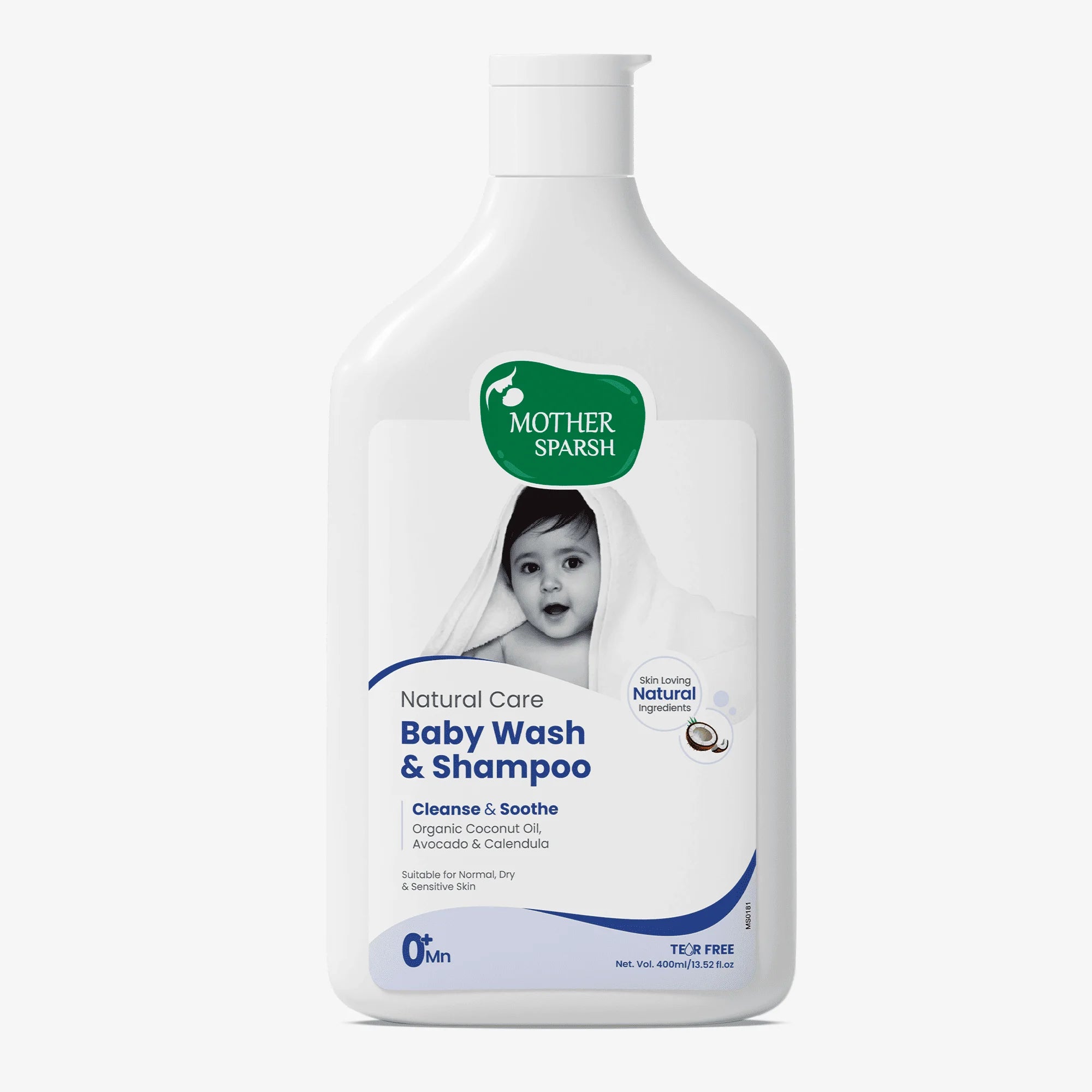
Credit: mothersparsh.com
Signs Of Scalp Issues
Newborns have delicate scalps that need gentle care. Sometimes, their scalp may show signs of problems. Spotting these signs early helps protect your baby’s comfort and health. Watch for changes in the scalp’s look and feel. Understanding these signs aids in quick care and relief.
Recognizing Irritation And Allergies
Redness or tiny bumps on the scalp may mean irritation. Your baby might scratch or rub the head often. Allergic reactions can cause swelling or flaky skin. Certain shampoos or fabrics can trigger allergies. Keep an eye on your baby’s scalp after using new products.
Dealing With Excessive Dryness Or Oiliness
A dry scalp looks flaky and feels rough to touch. It may cause discomfort and mild itching. Too much oil can make the scalp shiny and greasy. Oiliness might lead to clogged pores and small pimples. Both dryness and oiliness need gentle treatment to balance the scalp’s health.

Credit: www.nofrills.ca
Frequently Asked Questions
How Often Should I Wash My Newborn’s Hair?
Wash your newborn’s hair 2-3 times a week using mild baby shampoo. Overwashing can dry out their delicate scalp and hair.
What Shampoo Is Safe For Newborn Hair Care?
Choose a gentle, tear-free, hypoallergenic shampoo made specifically for babies. Avoid products with harsh chemicals, fragrances, or dyes.
Can Newborns Have Cradle Cap, And How To Treat It?
Yes, cradle cap is common in newborns. Use a soft brush and baby oil to gently loosen flakes. Consult a pediatrician if severe.
When Can I Start Combing My Baby’s Hair?
You can start gently combing your baby’s hair as soon as it grows. Use a soft-bristle brush to avoid scalp irritation.
Conclusion
Caring for a newborn’s hair takes gentle hands and patience. Use mild shampoo and soft brushes to protect delicate scalp skin. Keep hair clean but avoid washing too often to prevent dryness. Watch for signs of irritation or dryness and act quickly.
Healthy hair starts with gentle care every day. Small steps make a big difference in your baby’s comfort and health. Remember, soft touches and love help your baby grow strong. Keep it simple and consistent for the best results.
