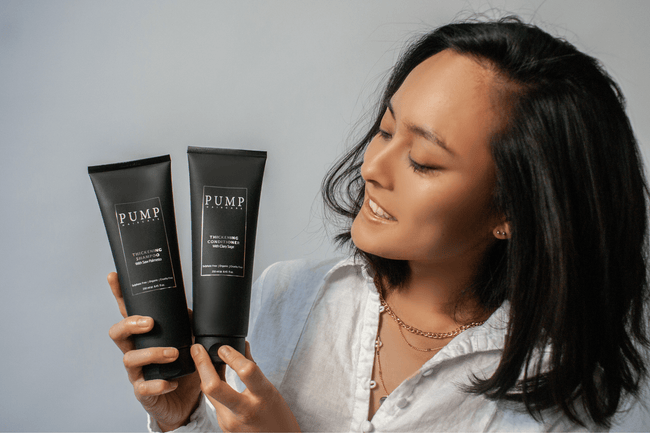
Is your fine hair leaving you frustrated and yearning for more volume and vitality? You’re not alone.
Managing fine hair can sometimes feel like an uphill battle, with limp strands and a lack of body often standing in the way of the luscious locks you dream about. But here’s the good news: with the right care and attention, you can transform your fine hair into a crowning glory that turns heads.
In this guide, we’ll explore practical, tried-and-true strategies to nurture your delicate strands. Get ready to discover secrets that will boost your hair’s health, resilience, and beauty. Stick with us, and unlock the potential your hair has been hiding all along.
Characteristics Of Fine Hair
Fine hair has unique qualities that set it apart from other hair types. Understanding these characteristics helps you choose the right care routine and products to keep your hair healthy and looking its best. Let’s break down what makes fine hair special and the hurdles you might face.
Common Traits
- Thin strands:Each hair strand is narrower than average, giving your hair a delicate feel.
- Lightweight texture:Fine hair feels soft and can appear silky, but it often lacks volume.
- Sheen:Fine hair tends to reflect light easily, making it look shiny and smooth.
- Easy to style:Its softness allows for quick styling, but it may not hold curls or volume well.
Have you noticed your hair falls flat quickly or struggles to hold a style? These are typical signs of fine hair.
Challenges Faced
Fine hair is more vulnerable to damage than thicker hair types. It can break easily when brushed too harshly or exposed to heat styling without protection.
Because strands are thin, oil from your scalp spreads quickly, causing hair to look greasy faster. This means you might feel the need to wash your hair more often, which can strip natural oils and dry it out.
Finding products that add volume without weighing hair down can be tricky. Have you ever tried a volumizing shampoo only to find your hair feels sticky or heavy afterward? That’s a common problem with fine hair care products.
:max_bytes(150000):strip_icc()/byr-best-hair-dryers-for-fine-hair-tout-2c78b7fc24314d9ca7a537bc5a36e91c.jpg)
Credit: www.byrdie.com
Choosing The Right Shampoo
Choosing the right shampoo is a crucial step in caring for fine hair. Your shampoo should gently cleanse without weighing your hair down or causing damage. The right product can add volume and maintain the natural bounce of your strands.
Lightweight Formulas
Fine hair benefits from shampoos with lightweight formulas that don’t leave residue. Look for products labeled as volumizing or clarifying, as they are often designed to lift hair at the roots.
Shampoos with light ingredients help your hair feel fresh and full without feeling greasy or heavy. Have you ever noticed how some shampoos leave your hair flat and limp? That’s usually because they are too rich for fine hair.
Try shampoos containing ingredients like aloe vera, chamomile, or green tea. These ingredients cleanse gently and add a natural shine without buildup.
Avoiding Harsh Ingredients
Harsh chemicals can strip fine hair of its natural oils, making it brittle and prone to breakage. Steer clear of shampoos with sulfates, parabens, and alcohols that dry out your scalp and hair.
Instead, choose shampoos with natural cleansing agents like decyl glucoside or coco-glucoside. These are mild and preserve your hair’s moisture balance.
Have you checked the ingredient list on your shampoo lately? Avoiding harsh ingredients can make a noticeable difference in how soft and manageable your fine hair feels after washing.
Conditioning Tips
Conditioning fine hair needs a gentle and smart approach. Using the right conditioner and applying it correctly can keep hair soft without weighing it down. This helps maintain volume and shine. Here are some tips to help you condition fine hair effectively.
Using Lightweight Conditioners
Choose conditioners labeled as lightweight or volumizing. These formulas add moisture without making hair greasy or flat. Look for products that contain ingredients like aloe vera, glycerin, or panthenol. Avoid heavy oils and butters that can weigh down fine strands.
Lightweight conditioners help keep hair bouncy and fresh. They nourish hair while preserving natural movement. Using the right product ensures hair stays soft and easy to style.
Proper Application Techniques
Apply conditioner mainly on the ends and mid-lengths of hair. Avoid roots to prevent excess oiliness and limpness. Use a small amount of product and spread it evenly with fingers or a wide-tooth comb.
Rinse thoroughly with cool water to seal the hair cuticle. This adds shine and reduces frizz. Pat hair gently with a towel to remove excess water. Avoid rubbing, which can cause breakage in fine hair.
Styling Strategies
Styling fine hair can be tricky. It often looks flat and lacks body. Using the right strategies helps add life and shape. Choose techniques that protect your hair and boost volume. These tips make styling easier and keep hair healthy.
Volume-boosting Techniques
Start with a lightweight mousse or volumizing spray. Apply to damp hair, focusing on roots. Blow-dry hair upside down to lift strands away from the scalp. Use a round brush to add shape and fullness. Avoid heavy products that weigh hair down. Try gentle teasing at the crown for extra height. Use dry shampoo on clean hair to add texture and volume.
Heat Protection
Heat styling tools can damage fine hair easily. Always use a heat protectant spray before drying or straightening. Choose sprays with ingredients that shield hair from high temperatures. Limit heat to low or medium settings. Avoid using heat every day to prevent breakage. Let hair air dry partially before using hot tools. Regularly trim ends to keep hair healthy and strong.
Daily Hair Care Habits
Daily hair care habits have a huge impact on the health of fine hair. Small changes in how you treat your strands every day can make your hair look fuller and feel stronger. Are you ready to adjust your routine to protect and enhance your delicate locks?
Gentle Brushing
Fine hair is fragile and breaks easily, so brushing it gently is essential. Use a brush with soft bristles or a wide-tooth comb to avoid pulling and snapping strands. Start detangling from the ends and slowly work your way up to the roots to minimize damage.
Have you noticed how rough brushing can leave your hair looking limp and lifeless? Switching to gentle brushing not only reduces breakage but also helps distribute natural oils, giving your hair a natural shine. Try brushing your hair when it’s dry or slightly damp—wet hair is more prone to breakage.
Avoiding Overwashing
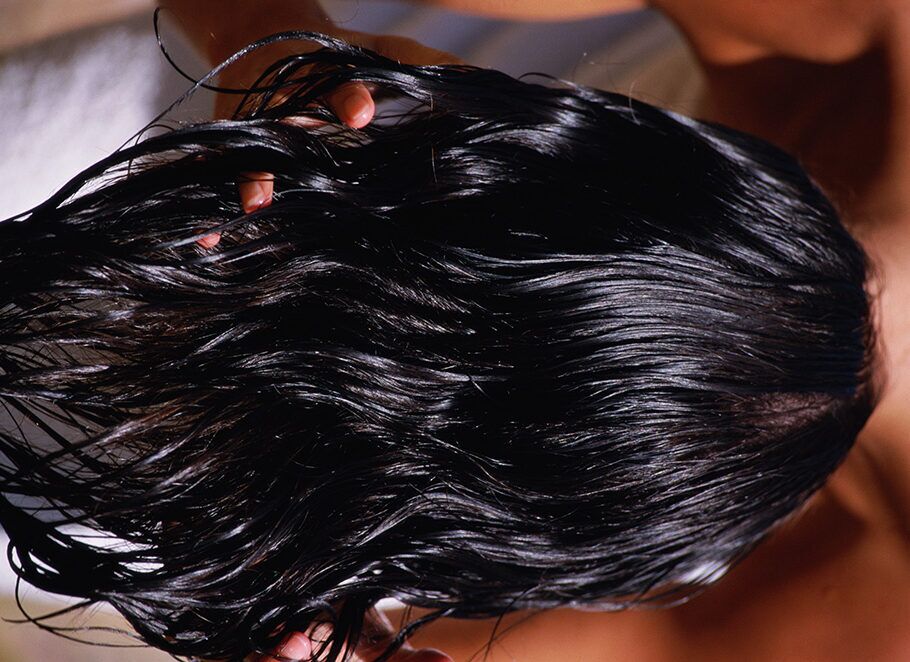
Washing fine hair too often can strip away natural oils that protect and nourish your scalp and strands. Instead, aim to wash your hair every two to three days to keep it clean without drying it out. If your hair feels oily between washes, dry shampoo can be a great quick fix.
Think about how often you reach for the shampoo. Could cutting back help your hair feel thicker and less fragile? Overwashing can lead to scalp irritation and cause your hair to look flat. Be mindful of the products you use—choose gentle, sulfate-free shampoos designed for fine hair to maintain moisture balance.
Credit: www.newbeauty.com
Diet And Hydration
Your diet and how much water you drink play a big role in how fine hair looks and feels. Hair needs the right nutrients to grow strong and shiny. Without proper care from inside, even the best hair products won’t work as well.
Nutrients For Hair Health
Hair is made mostly of protein, so getting enough protein in your diet is key. Foods like eggs, chicken, and beans help your hair stay thick and healthy.
Don’t forget vitamins and minerals. Vitamin D and iron support hair growth, while zinc and biotin prevent hair from breaking easily.
Have you ever noticed your hair feels dull after a week of eating junk food? That’s because your hair isn’t getting the nutrients it needs. Try adding these to your meals:
- Leafy greens like spinach and kale
- Nuts and seeds such as almonds and sunflower seeds
- Fatty fish like salmon for omega-3 fatty acids
Importance Of Water Intake
Water keeps your hair hydrated from the inside out. When you don’t drink enough, your hair becomes dry and more prone to breakage.
Think about how your hair feels after a long day in the sun or in dry air. It’s thirsty too. Drinking at least eight glasses of water a day helps keep your scalp healthy and your hair shiny.
If you struggle to drink plain water, try infusing it with lemon or cucumber for a refreshing twist. What simple change can you make today to boost your water intake?
Professional Treatments
Professional treatments offer targeted care for fine hair. They help improve hair strength and volume. Experts use specific products and techniques to support delicate strands. Such treatments also promote a healthy scalp, essential for hair growth.
Scalp Care
A healthy scalp forms the base for strong hair. Professionals use gentle exfoliation to remove dead skin and buildup. This process clears hair follicles and boosts circulation. Nourishing scalp masks add moisture and soothe irritation. Regular scalp treatments can reduce flakiness and dryness. They create a better environment for fine hair to thrive.
Salon Services For Fine Hair
Salons provide treatments tailored to fine hair needs. Volumizing haircuts add body without weighing hair down. Deep conditioning treatments restore moisture and shine. Protein treatments strengthen fragile strands and prevent breakage. Some salons offer scalp massages to stimulate growth. These services help maintain hair health and improve appearance.

Credit: www.youtube.com
Frequently Asked Questions
How Often Should I Wash Fine Hair?
Washing fine hair 2-3 times a week is ideal. Over-washing strips natural oils, causing dryness. Use gentle, volumizing shampoos to avoid weighing hair down. Dry shampoo can help extend time between washes and maintain freshness without buildup.
What Products Work Best For Fine Hair?
Lightweight, volumizing products work best for fine hair. Avoid heavy creams and oils that can weigh hair down. Use mousse or root-lifting sprays to add volume. Choose sulfate-free shampoos and conditioners to maintain hair health and prevent breakage.
How Can I Add Volume To Fine Hair?
To add volume, use a root-lifting spray on damp hair. Blow-dry with a round brush, lifting roots upward. Avoid heavy styling products that flatten hair. Regular trims keep ends healthy and prevent limpness, enhancing overall volume.
Is Heat Styling Safe For Fine Hair?
Heat styling is safe if done carefully. Always apply a heat protectant before using hot tools. Use lower heat settings to minimize damage. Limit heat styling frequency to prevent breakage and dryness, keeping fine hair healthy and strong.
Conclusion
Taking care of fine hair needs patience and the right steps. Use gentle shampoos and avoid heavy products. Regular trims keep hair healthy and fresh. Protect hair from heat and harsh weather. Eat well and stay hydrated for strong hair.
Small changes make a big difference over time. Enjoy your soft, shiny hair every day. Keep these tips in mind for best results. Your fine hair can look its best with care.
