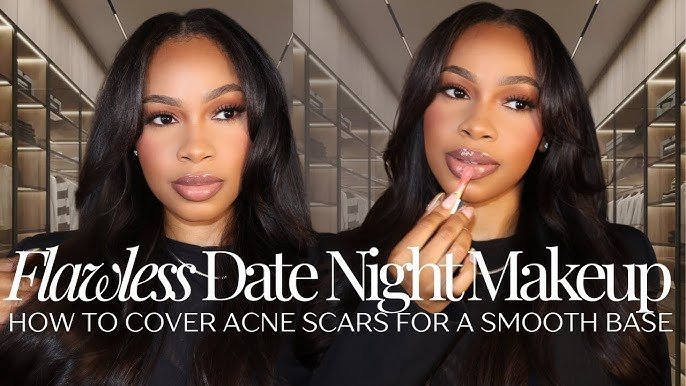
Acne is one of those unwelcome guests that pops up at the most inconvenient times. Whether it’s a big event or just another day, dealing with blemishes can be frustrating.
You might feel like everyone is staring at your skin, but the truth is, most people are too busy worrying about their own imperfections. The good news? You can cover acne with makeup effectively and boost your confidence in no time.
Imagine stepping out with skin that looks flawless and knowing you’ve mastered a skill that enhances your natural beauty. In this guide, you’ll discover easy, proven makeup techniques that will transform your skin and leave you feeling empowered. Ready to unlock the secrets to a smoother complexion? Let’s dive in and tackle those blemishes together.
)
Credit: www.pulse.ng
Choosing The Right Products
Choosing the right makeup products is the first step to effectively cover acne without making your skin feel heavy or irritated. The goal is to find formulas that not only provide good coverage but also support your skin’s health. Knowing what ingredients to look for and which ones to avoid can make a huge difference in how your makeup looks and feels throughout the day.
Best Foundations For Acne
Look for foundations labeled as non-comedogenic, meaning they won’t clog pores. Mineral foundations are often gentle and help reduce inflammation. Lightweight, buildable coverage is ideal because it lets you control how much you apply without feeling cakey.
Matte finishes help control shine, but if your skin is dry, try a foundation with hydrating properties. Some brands include soothing ingredients like salicylic acid or tea tree oil, which can help calm breakouts while covering them. Have you noticed a difference when switching to foundations with added skincare benefits?
Concealers That Work
Concealers with a creamy texture blend easily and provide targeted coverage for blemishes. Choose a concealer that matches your skin tone exactly to avoid drawing attention to the spot you want to hide. High-pigment concealers with a slightly thicker consistency tend to cover redness better.
Apply concealer with a clean brush or your fingertip to avoid spreading bacteria. Some concealers also include ingredients like zinc oxide, which can protect and soothe irritated skin. What’s your go-to trick for making concealer last all day without cracking?
Setting Powders And Sprays
Setting your makeup locks everything in place and controls oil throughout the day. Use a finely milled, translucent setting powder to avoid adding extra coverage that can look cakey. Press the powder gently with a puff instead of sweeping to keep the concealer intact.
Setting sprays add a natural finish and help makeup withstand heat and humidity. Look for sprays with calming ingredients like aloe vera or chamomile to keep your skin comfortable. Have you tried layering powder and spray for longer-lasting coverage?
Preparing Your Skin
Preparing your skin well is essential before applying makeup to cover acne. It creates a smooth base and helps makeup stay longer. Proper skin preparation reduces irritation and improves the final look.
Cleansing And Moisturizing
Start with a gentle cleanser to remove dirt and oil. Use lukewarm water to avoid drying your skin. Pat your face dry with a soft towel.
Apply a lightweight, non-comedogenic moisturizer. It keeps skin hydrated without clogging pores. Let the moisturizer absorb fully before makeup.
Primers For Smooth Application
Choose a primer suited for acne-prone skin. Primers fill in pores and fine lines. They create an even surface for foundation.
Apply primer gently on areas with acne. Avoid rubbing hard to prevent irritation. This step helps makeup last longer and look natural.
Dealing With Sensitive Areas
Acne spots can be tender and red. Use a soothing product before makeup to calm these areas.
Apply makeup carefully around sensitive spots. Use a clean brush or sponge for precision. Pat, don’t rub, to avoid redness.
Application Techniques
Applying makeup to cover acne requires careful techniques. The goal is to hide blemishes without making them more visible. Using the right tools and methods helps create a smooth, natural look. Proper application also keeps skin comfortable and prevents irritation.
Layering For Coverage
Start with a clean, moisturized face. Apply a primer to create a smooth base. Use a lightweight foundation first. Apply it gently with a sponge or brush. Add a thicker concealer on acne spots. Dab it lightly without rubbing. Build coverage gradually in thin layers. Avoid applying too much product at once. This reduces cakiness and makes makeup last longer.
Using Brushes Vs. Sponges
Brushes provide precise application and work well for foundation. They help spread the product evenly over large areas. Sponges are soft and blend makeup seamlessly. They work well for dabbing concealer on acne. Use a damp sponge for a natural finish. Clean your tools often to prevent bacteria buildup. Choose the tool that feels comfortable and gives the best result.
Blending Tips
Blend edges carefully to avoid harsh lines. Use light, tapping motions with a sponge or brush. Blend foundation into the neck and jawline for a uniform look. For concealer, blend only around the edges. Avoid spreading product over clear skin. Set makeup with a translucent powder to reduce shine. This keeps makeup in place and smooth.

Credit: www.reddit.com
Hiding Different Types Of Acne
Acne appears in different forms on the skin. Each type needs a different makeup approach. Knowing how to hide redness, bumps, scars, and active breakouts can improve your look. Use the right products and techniques for the best results.
Covering Redness And Bumps
Redness and bumps often need color correction before foundation. Use a green color corrector to neutralize the red areas. Apply it lightly with a clean finger or brush. Blend gently to avoid removing the product.
Next, choose a foundation with medium to full coverage. Use a damp makeup sponge for smooth application. Pat the foundation over the corrected skin instead of rubbing. This keeps the coverage intact on bumps.
Camouflaging Scars And Marks
Scars and marks can be tricky to cover. Use a concealer that matches your skin tone exactly. Look for thick, creamy formulas for better coverage. Apply with a small brush or fingertip for precision.
Layer the concealer on scars and gently blend edges. Avoid over-blending to keep the coverage strong. Set the area with a translucent powder to prevent creasing and fading.
Dealing With Active Breakouts
Active breakouts are sensitive and need gentle care. Start with a soothing primer to calm the skin. Choose non-comedogenic makeup to avoid clogging pores.
Use a high-coverage concealer with anti-inflammatory ingredients if possible. Dab the concealer lightly on pimples without rubbing. Build coverage slowly to keep the look natural.
Finish with a light layer of foundation and set with powder. Avoid heavy makeup to let the skin breathe and heal faster.
Long-lasting Makeup Tips
Keeping your makeup intact all day while covering acne can feel like a battle. But with the right approach, you can enjoy a flawless look without constant touch-ups. These long-lasting makeup tips help you stay confident and fresh from morning till night.
Setting Your Makeup
After applying your foundation and concealer, locking it in place is key. Use a translucent setting powder to avoid adding extra color but still absorb excess oil. Press the powder gently with a fluffy brush or makeup sponge instead of sweeping, so your coverage stays put.
Setting sprays are another powerful tool. Choose one designed for long wear and lightly mist your face to seal everything. This step creates a barrier against sweat and humidity, helping your makeup resist fading.
Touch-up Tricks Throughout The Day
Carrying a few essentials can save your look when you’re on the go. Blotting papers are fantastic for removing shine without disturbing your makeup. They prevent the need to add more powder, which can build up and look cakey.
For quick fixes, a small concealer stick or pen makes it easy to cover new blemishes that appear during the day. Instead of layering too much product, gently pat and blend to keep it natural. Have you noticed how a little targeted touch-up can boost your confidence instantly?
Avoiding Cakey Finish
Too much product can make your skin look heavy and unnatural. Start with a thin layer of foundation and build coverage only where needed. This prevents your makeup from settling into acne scars or pores.
Moisturizing well before applying makeup keeps your skin smooth and helps foundation glide on evenly. If your skin feels dry or flaky, makeup will cling to those areas and appear cakey. Have you tried mixing a bit of moisturizer or primer with your foundation for a lighter feel?
Remember, less is often more. Focus on enhancing your natural skin instead of masking it completely, and your makeup will last longer without looking heavy or cracked.
Additional Skincare Advice
Covering acne with makeup is just one part of the solution. Taking care of your skin outside of makeup application plays a huge role in how your skin heals and looks overall. Paying attention to your skincare habits can reduce breakouts and make makeup application smoother and more effective.
Nighttime Skin Care Routine
Your skin repairs itself mostly at night, so a good nighttime routine is essential. Start by gently removing all makeup with a mild cleanser to avoid clogging pores. Follow up with a toner or serum containing ingredients like salicylic acid or niacinamide to calm inflammation and prevent new acne.
Moisturizing is just as important, even if your skin is oily. Look for non-comedogenic moisturizers that hydrate without causing breakouts. Have you noticed your skin looking better on days when you don’t skip this step?
Products To Avoid
Choosing the wrong products can make acne worse or irritate your skin, making it harder to cover with makeup. Avoid heavy creams, oil-based products, and anything labeled “fragrance” or “alcohol” that can strip your skin’s natural barrier.
Makeup brushes and sponges also need regular cleaning. Dirty tools can transfer bacteria to your face, causing more breakouts. Ask yourself: how often do you clean your makeup tools?
Boosting Skin Healing
Supporting your skin’s healing process goes beyond topical treatments. Drinking plenty of water and eating foods rich in antioxidants like berries and leafy greens can speed up recovery and reduce inflammation.
Consider adding a gentle exfoliant once or twice a week to remove dead skin cells and promote cell turnover. But be careful not to over-exfoliate; it can lead to redness and irritation.
Have you tried any natural remedies or supplements that helped your skin heal faster? Sometimes simple lifestyle changes make the biggest difference.

Credit: www.youtube.com
Frequently Asked Questions
How Do I Prepare My Skin Before Applying Makeup For Acne?
Cleanse your face gently to remove oil and dirt. Apply a lightweight, non-comedogenic moisturizer to hydrate. Use a primer to smooth skin texture and create a base for makeup. This helps makeup last longer and reduces irritation on acne-prone skin.
Which Makeup Products Are Best For Covering Acne?
Choose non-comedogenic, oil-free makeup products to avoid clogging pores. Use a full-coverage concealer with a creamy texture for better blending. Opt for mineral-based powders to set makeup gently. These products help cover acne without causing more breakouts.
How Can I Apply Concealer Effectively On Acne Spots?
Use a clean brush or fingertip to dab concealer directly on blemishes. Blend gently around the edges without wiping it off. Layer concealer for better coverage, but avoid thick application. Set with a light powder to prevent smudging and shine.
Can Makeup Worsen Acne Or Cause Breakouts?
Makeup can worsen acne if it clogs pores or irritates skin. Always remove makeup thoroughly before bed to prevent breakouts. Use non-comedogenic and hypoallergenic products for sensitive skin. Proper skin care and makeup removal reduce the risk of acne flare-ups.
Conclusion
Covering acne with makeup can boost your confidence daily. Choose the right products for your skin type. Use gentle techniques to avoid irritation or damage. Blend carefully to create a natural look. Practice patience; skills improve with time. Remember, makeup hides acne but does not cure it.
Keep your skin clean and healthy underneath. Feel good in your skin, makeup or not. Small steps lead to big changes in how you feel. Enjoy the process of finding what works best.
