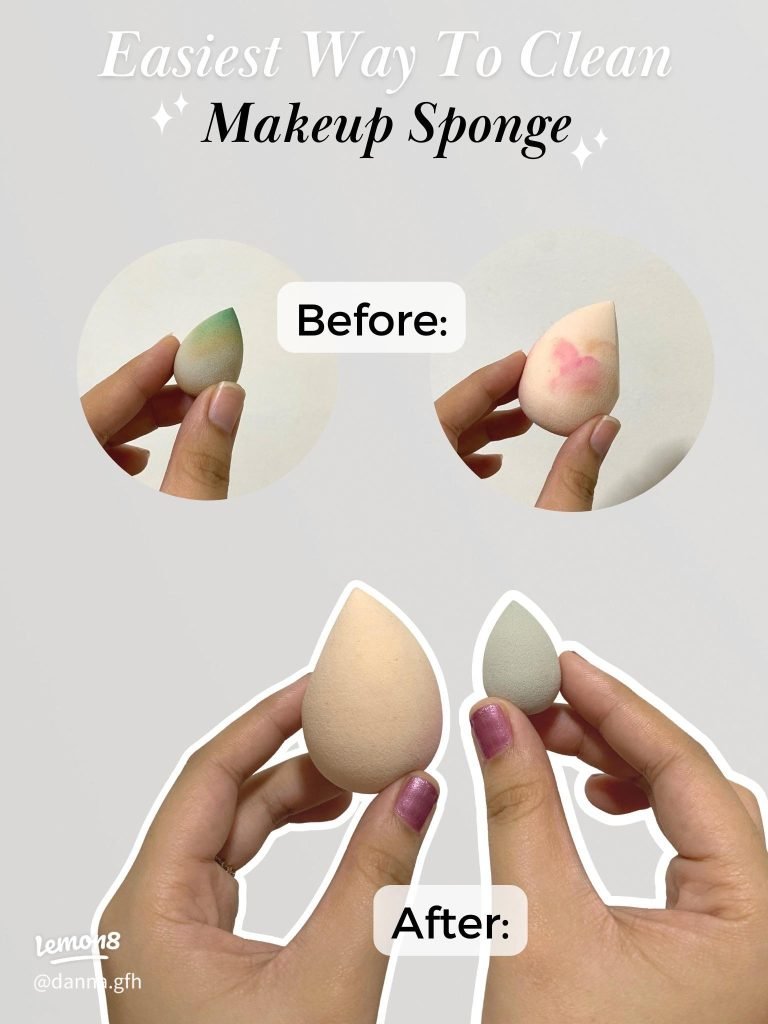
Are you tired of your makeup sponge looking a bit worse for wear? You’re not alone.
Many people overlook the importance of keeping their makeup tools clean, but did you know that a clean sponge can make all the difference in your makeup application? A fresh sponge not only ensures a flawless finish but also keeps your skin healthier by reducing the risk of breakouts and irritation.
Imagine the confidence boost of applying your makeup with tools that feel brand new. In this guide, you’ll discover simple, effective steps to wash your makeup sponge, ensuring it stays in top condition. Dive in and unlock the secret to a cleaner, more radiant you!
Why Clean Makeup Sponges Matter
Cleaning your makeup sponge isn’t just about keeping it looking nice—it directly impacts your skin’s health and how well your makeup applies. Dirty sponges can harbor bacteria, oils, and leftover makeup, which can lead to breakouts and irritation. Taking a few minutes to wash your sponge regularly makes a big difference in your skincare routine.
Protecting Your Skin From Bacteria
Makeup sponges trap dirt and bacteria every time you use them. If you don’t clean them, these germs multiply and transfer to your face, causing pimples and redness. Have you ever noticed unexplained breakouts after heavy makeup days? Dirty sponges might be the hidden culprit.
Ensuring Flawless Makeup Application
A clean sponge blends foundation and concealer smoothly without streaks or patches. Residue buildup makes your sponge less effective and can cause uneven coverage. Imagine applying your favorite foundation only to see blotchy spots—keeping your sponge clean helps avoid that frustration.
Extending The Life Of Your Makeup Sponge
Regular cleaning prevents your sponge from breaking down prematurely. Leftover makeup and oils can cause the material to degrade faster, meaning you’ll need to replace it sooner. Treat your sponge well, and it will serve you longer, saving you money over time.
Maintaining Hygiene In Your Beauty Routine
Using clean tools is a basic step toward a healthier beauty routine. It shows you care about what goes on your skin and helps prevent infections or allergic reactions. Isn’t it worth a few minutes to keep your routine safe and effective?

Credit: www.amazon.ae
When To Wash Your Sponge
Knowing when to wash your makeup sponge is crucial for both your skin’s health and the longevity of your sponge. Using a dirty sponge can clog your pores and cause breakouts. Plus, makeup buildup can make your application uneven and patchy.
Think about how often you use your sponge. Do you apply makeup daily or only a few times a week? Your cleaning routine should match your usage to keep the sponge fresh and bacteria-free.
After Each Use
Cleaning your sponge right after every makeup session prevents product buildup and stops bacteria from multiplying. If you skip this, old makeup and oils stay trapped inside, which can irritate your skin.
I once ignored this step and ended up with a stubborn breakout. Washing immediately helped me avoid that problem in the future.
When You Notice Stains Or Odor
If your sponge starts to look stained or smells off, it’s a sign to wash it thoroughly. These signs mean bacteria are growing and the sponge isn’t clean anymore.
Don’t wait until it’s too late—your skin will thank you for keeping things fresh.
At Least Once A Week For Light Users
If you use your sponge less frequently, washing it once a week is still important. Even without daily use, makeup residue and dust can collect on the sponge.
Keeping a regular schedule ensures your sponge stays ready for flawless application whenever you need it.
Choosing The Right Cleaning Supplies
Choosing the right cleaning supplies is key to keeping your makeup sponge fresh and safe. The right products protect the sponge’s texture and remove makeup without harsh chemicals. It saves your skin from irritation and extends the life of your sponge.
Simple, gentle ingredients work best. Strong soaps can damage the sponge and cause it to break down faster. Using tools designed for cleaning sponges helps reach deep inside the pores. This removes all leftover makeup and bacteria.
Gentle Cleansers
Choose cleansers made for delicate materials. Look for:
- Mild liquid soaps without fragrances or dyes
- Special sponge cleansers found in beauty stores
- Baby shampoo as a gentle alternative
These options clean effectively without rough chemicals. They keep your sponge soft and stretchy. Avoid harsh detergents or antibacterial soaps that dry out the sponge.
Tools For Deep Cleaning
Using the right tools helps clean your sponge deeply. Consider:
- Silicone cleaning pads with tiny bumps
- Soft brushes made for makeup tools
- Mesh laundry bags for machine washing
These tools help remove hidden makeup and oils. They make cleaning faster and more thorough. Always be gentle to avoid tearing the sponge.

Credit: www.amazon.com
Step-by-step Cleaning Process
Cleaning your makeup sponge properly keeps it fresh and safe for your skin. A clear routine helps remove dirt, oils, and makeup residue. Follow this simple process to clean your sponge deeply and gently. Each step is important for best results.
Pre-rinse Tips
Start by rinsing your sponge under warm water. This loosens the makeup and dirt inside. Use gentle pressure to avoid tearing the sponge. Wetting it fully prepares the sponge for deep cleaning.
Applying Cleanser
Choose a mild cleanser designed for makeup tools or a gentle soap. Apply a small amount directly onto the sponge. Focus on areas with heavy makeup stains. Avoid harsh detergents that can damage the sponge material.
Massaging And Rinsing
Gently massage the cleanser into the sponge with your fingers. Work in circular motions to break down makeup and oils. Rinse the sponge under warm water as you massage. Repeat until water runs clear and all cleanser is gone.
Squeezing Out Excess Water
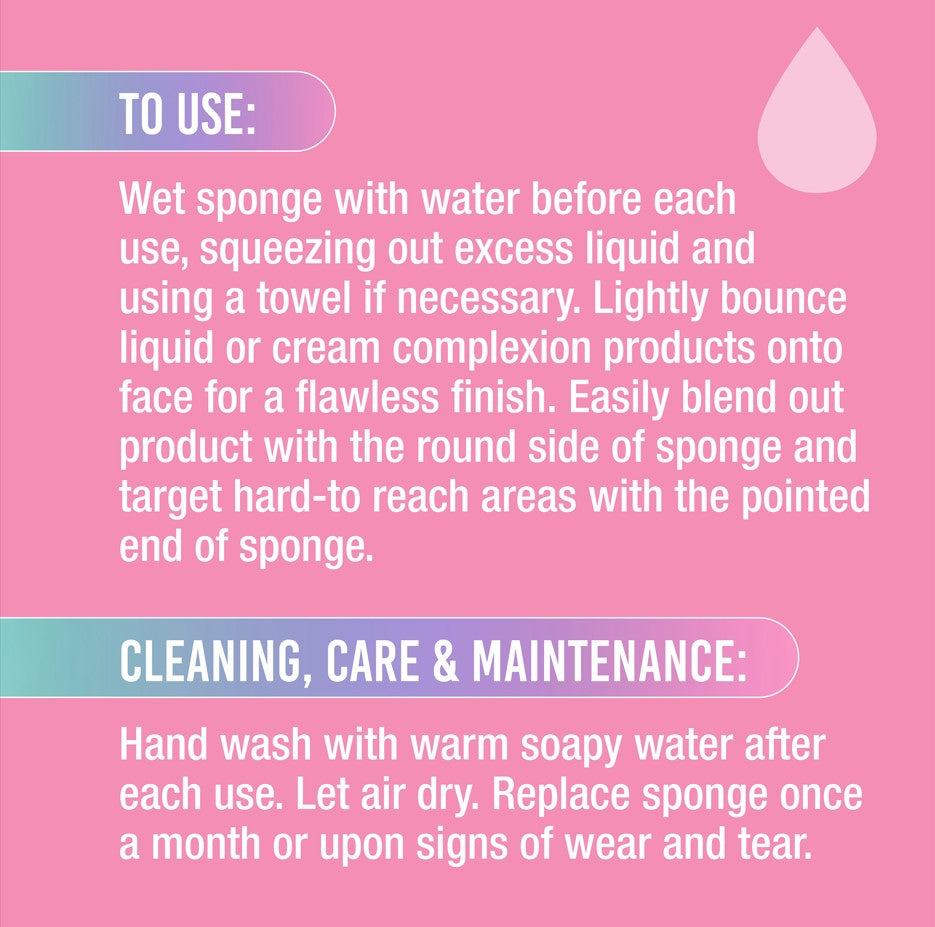
Press the sponge gently to remove water without twisting. Use a clean towel to pat it dry. Leave the sponge in a well-ventilated area to air dry completely. Proper drying prevents bacteria growth and keeps your sponge fresh.
Drying Techniques To Prevent Damage
Proper drying is key to keeping your makeup sponge in good shape. Moisture left inside can lead to bacteria growth. This damages the sponge and can harm your skin. Using the right drying methods helps the sponge last longer and stay clean.
Air Drying Best Practices
Pat the sponge gently with a clean towel to remove extra water. Place the sponge in a well-ventilated area. Avoid storing it in closed spaces. Let it dry completely before the next use. Position the sponge on a clean surface or a sponge holder. This allows air to flow around it evenly. Change the drying spot regularly to prevent mold buildup.
Avoiding Heat
Never use a hairdryer or place the sponge near heaters. High heat can break down the sponge material. It causes cracks and reduces softness. Avoid drying the sponge under direct sunlight. Heat speeds up wear and tear. Stick to natural air drying to keep the sponge safe and durable.
Credit: salonperfect.com
Common Mistakes To Avoid
Washing a makeup sponge seems easy, but many make mistakes. These errors can damage the sponge or leave it dirty. Knowing what to avoid helps keep your sponge clean and lasts longer. Here are common mistakes to watch out for.
Using Harsh Soaps Or Detergents
Strong soaps can break down the sponge material. Choose gentle cleansers made for delicate beauty tools. Harsh chemicals dry out the sponge and cause cracks.
Not Rinsing Thoroughly
Soap residue inside the sponge causes irritation and build-up. Rinse under running water until all soap is gone. Squeeze gently while rinsing to remove trapped cleanser.
Washing Too Infrequently
Leaving makeup and bacteria inside the sponge leads to breakouts. Clean your sponge after every few uses. Regular washing prevents germs and keeps skin healthy.
Using Hot Water
Hot water weakens the sponge and alters its shape. Use lukewarm or cool water instead. Hot water causes the sponge to wear out faster.
Not Drying Properly
Storing a damp sponge invites mold and bacteria. Squeeze out excess water and air dry in a clean place. Avoid putting the sponge in dark, humid spots.
Twisting Or Pulling The Sponge
Rough handling damages the sponge’s texture and shape. Press and squeeze gently during cleaning. Avoid harsh twisting or pulling motions.
Extending Sponge Lifespan
Keeping your makeup sponge clean helps it last longer and work better. Dirt and makeup buildup can break down the sponge material. Proper care protects the sponge from damage and bacteria. Follow simple steps to maintain your sponge’s quality and lifespan.
Storage Tips
Store your sponge in a dry, clean place. Avoid keeping it in closed containers while wet. Moist areas encourage mold and bacteria growth. Use a breathable container or holder to air dry the sponge. Keep it away from direct sunlight and dust. Clean storage helps maintain the sponge’s shape and texture.
When To Replace
Replace your sponge every 3 to 4 months. Check for tears, discoloration, or a bad smell. If the sponge feels rough or breaks apart, it is time to get a new one. Using an old sponge can harm your skin and ruin makeup application. Regular replacement ensures hygiene and better makeup results.
Frequently Asked Questions
How Often Should I Wash My Makeup Sponge?
You should wash your makeup sponge after every use. This prevents bacteria buildup and keeps your skin healthy. Regular washing also prolongs the sponge’s lifespan and maintains makeup application quality.
What Is The Best Soap For Cleaning Makeup Sponges?
Use a gentle, fragrance-free cleanser or a specialized sponge cleaner. Avoid harsh soaps that can damage the sponge. Mild baby shampoo or liquid soap works well and removes makeup residue effectively.
Can I Use A Washing Machine To Clean Makeup Sponges?
It is not recommended to wash makeup sponges in a washing machine. Hand washing ensures thorough cleaning without damaging the delicate sponge material. Gentle hand washing preserves the sponge’s shape and quality.
How Do I Dry A Makeup Sponge After Washing?
Squeeze out excess water gently without twisting. Place the sponge in a well-ventilated area to air dry. Avoid using a dryer or direct sunlight, as heat can damage the sponge.
Conclusion
Cleaning your makeup sponge keeps your skin healthy and makeup flawless. Wash it regularly with gentle soap and warm water. Squeeze out all the dirt and makeup to avoid bacteria buildup. Let it dry completely before the next use. A clean sponge lasts longer and works better.
Simple steps make a big difference in your beauty routine. Keep your sponge fresh for smooth, glowing skin every day.
