
Have you ever wondered why men spent a staggering $9.5 million on grooming back in 1995? It might surprise you to learn that this wasn’t just a passing trend or a fleeting fad.
Dive into the intriguing world of men’s grooming from the mid-90s to uncover the reasons behind this massive investment. You’ll discover how societal shifts, evolving perceptions of masculinity, and the rise of metrosexual culture played pivotal roles. This article will take you on a fascinating exploration that not only satisfies your curiosity but also sheds light on how these changes continue to influence grooming habits today.
Keep reading to unlock the secrets behind this remarkable phenomenon and see how it might relate to your own grooming choices now.

Credit: en.wikipedia.org
Market Growth In Male Grooming
The market growth in male grooming during 1995 marked a turning point in how men approached personal care. Spending $9.5 million wasn’t just about buying products; it reflected deeper economic and social shifts. Understanding these changes helps you see why male grooming became a booming industry.
Economic Factors Driving Spending
In 1995, many men found themselves with more disposable income. Economic growth and higher employment rates meant budgets allowed for extra spending on grooming products.
Brands responded by offering a wider range of affordable products tailored to men’s needs. This encouraged more frequent purchases and experimentation with new grooming routines.
Think about your own spending habits. How often do you buy grooming items because they fit your budget or lifestyle? This simple factor played a huge role in the market’s expansion.
Rise Of Male Consumerism
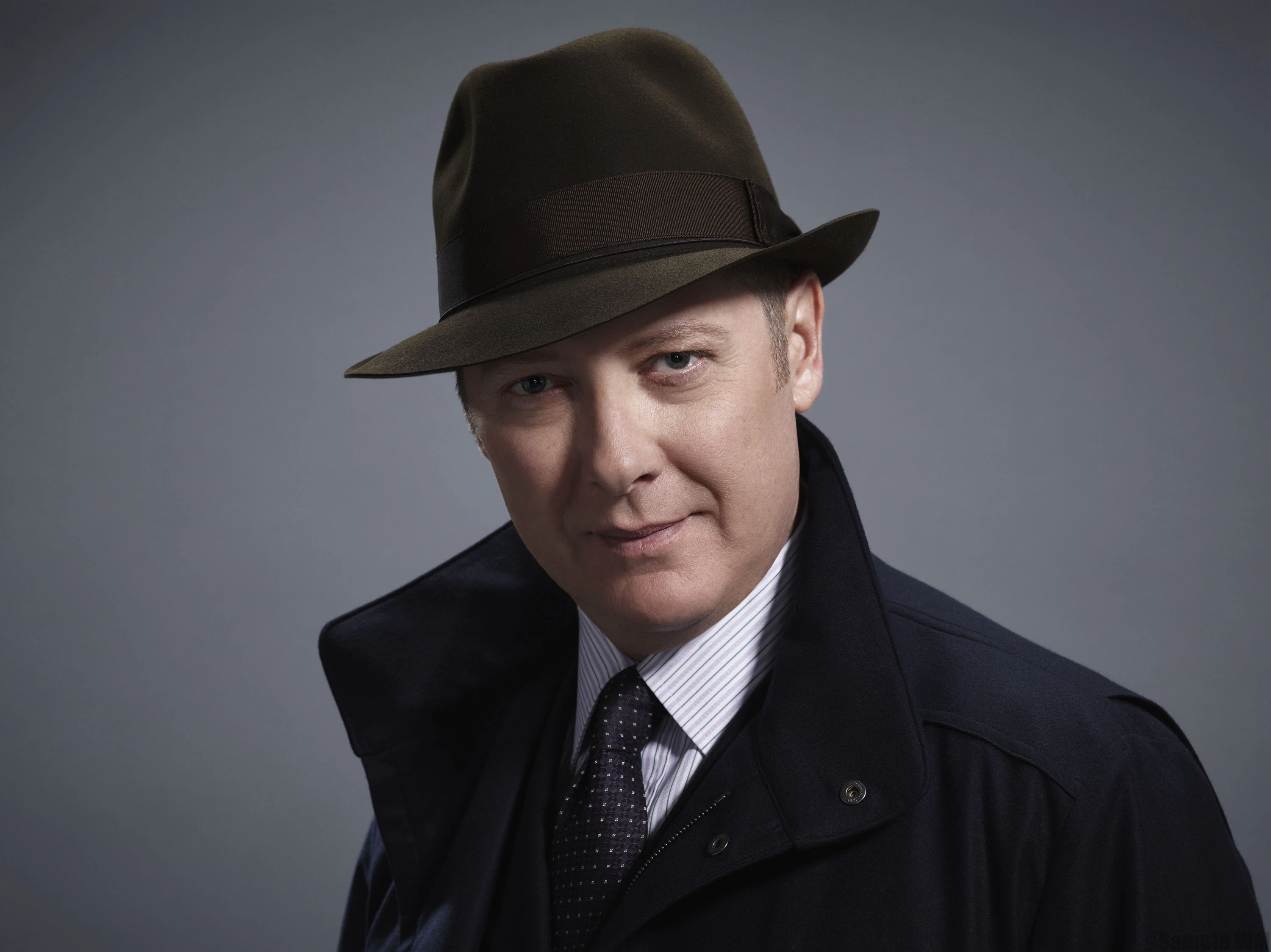
Men started to see grooming as a way to express themselves rather than just a necessity. Advertisers targeted this idea, showing that using grooming products could boost confidence and social status.
This shift led to a surge in product variety—from hair care to skincare and fragrances—designed specifically for men. It was no longer about basic hygiene but about looking and feeling your best.
Have you noticed how grooming choices reflect your personality? This rise in male consumerism turned grooming into a lifestyle, driving the $9.5 million spend and setting the stage for today’s market.
Credit: the-blacklist.fandom.com
Changing Social Norms
The surge in men’s spending on grooming products in 1995 was more than just a trend—it reflected a deeper shift in society’s expectations. Social norms around masculinity and appearance were evolving rapidly. Men were no longer confined to traditional roles that ignored personal care, opening the door to new grooming habits and standards.
Shift In Male Beauty Standards
Men’s beauty standards started to embrace more than just ruggedness. The idea of a well-groomed man gained traction, encouraging attention to skin, hair, and overall hygiene. Suddenly, it wasn’t just about looking clean—it was about expressing personality and confidence through appearance.
Think about how men began experimenting with hairstyles, skincare routines, and even cosmetics. This change wasn’t about vanity; it was about self-respect and social acceptance. Have you noticed how this shift challenges the old “tough guy” stereotype?
Influence Of Media And Advertising
Media played a huge role in reshaping male grooming habits. Advertisements started targeting men directly, presenting grooming as an essential part of daily life. You saw more commercials for products like moisturizers, hair gels, and deodorants designed specifically for men.
Movies, TV shows, and magazines showcased well-groomed male icons, making grooming aspirational. This constant exposure pushed men to invest more time and money in their appearance. Could this media-driven pressure be why men felt the need to spend 9.5 million on grooming in 1995?
Product Innovations
Product innovations played a key role in men spending $9.5 million on grooming in 1995. New ideas and better tools made grooming easier and more appealing. Companies introduced products designed to meet men’s needs. Technology also helped create smarter grooming devices. These changes attracted more men to try and buy grooming products.
New Grooming Products Launch
In 1995, brands launched many new grooming products for men. These included facial cleansers, moisturizers, and shaving creams made just for men’s skin. The market saw more options like beard oils and styling gels. Products promised better results and a fresh look. These launches made grooming feel more personal and important.
Impact Of Technology On Grooming
Technology improved grooming tools in 1995. Electric razors became more advanced and easier to use. Trimmers offered better precision for beards and mustaches. New materials made products more durable and comfortable. These tech improvements saved time and effort. Men found grooming more convenient and effective thanks to technology.
Cultural Influences
Cultural influences played a huge role in why men spent $9.5 million on grooming in 1995. This wasn’t just about looking good; it was about fitting into new social norms shaped by media, fashion, and global connections. Your grooming choices started reflecting more than personal style—they mirrored cultural shifts around you.
Celebrity Trends And Endorsements
Have you noticed how certain hairstyles or beard styles suddenly become popular after a celebrity adopts them? In the 90s, male icons like David Beckham and Brad Pitt set grooming trends that millions wanted to copy.
Brands saw this and jumped on the opportunity by partnering with famous faces. Their endorsements made grooming products more desirable and trustworthy. You probably remember how a shampoo or cologne could become a must-have just because a star used it.
This created a cycle where men spent more to look like their role models. It wasn’t just vanity; it was about belonging to a culture that valued appearance as part of identity.
Globalization And Style Exchange
Globalization connected cultures like never before, bringing new grooming ideas to men everywhere. Suddenly, styles from Tokyo or Milan felt accessible and exciting to men in the U.S. or Australia.
Travel, TV, and magazines introduced diverse grooming habits—like the clean-cut look from Europe or the rugged beard styles from the Middle East. You could easily borrow from these trends to craft your unique image.
This exchange made grooming more than a local routine; it became a global dialogue. With so many influences, spending on grooming products and services grew as men experimented with different looks.
Psychological Motivations
In 1995, men spent $9.5 million on grooming products and services. This spending was driven by deep psychological reasons. Grooming was more than just hygiene. It reflected how men saw themselves and wanted others to see them. Understanding these motivations reveals why grooming became essential for many men during this time.
Self-confidence And Appearance
Men used grooming to boost their self-confidence. Looking neat and well-kept helped them feel better about themselves. A tidy appearance often led to positive reactions from others. This feedback made men more confident in social and work settings. Grooming was a simple way to improve mood and self-esteem.
Grooming As A Status Symbol
Grooming signaled success and social status. Well-groomed men often appeared more professional and attractive. This created an image of power and control. Spending on grooming products showed that men cared about their looks and lifestyle. Grooming became a way to express identity and social standing.
Credit: www.polarismarketresearch.com
Retail And Marketing Strategies
Retail and marketing strategies played a crucial role in why men spent a whopping $9.5 million on grooming in 1995. Brands and retailers shifted their focus to meet the evolving needs of male consumers, making grooming products more visible and appealing. These changes didn’t just happen overnight; they involved smart targeting and expanding access to products that fit men’s lifestyles.
Targeted Advertising Campaigns
Advertising began to speak directly to men, highlighting the benefits of grooming beyond just looking good. Campaigns showed how grooming could boost confidence at work or in social situations, making it relevant to men’s daily lives.
Ads featured real men in relatable scenarios rather than just models, creating a stronger connection. You might have noticed commercials on TV or magazines that addressed men’s specific concerns like beard care or skincare. This personal touch made men feel understood and encouraged them to try new products.
Expansion Of Male Grooming Retail Outlets
Retailers responded by increasing the number of stores and sections dedicated to men’s grooming products. This made it easier for men to find everything they needed in one place, from razors to cologne.
The rise of specialty stores and dedicated aisles in supermarkets put men’s grooming front and center. Ever wonder why you started seeing more men’s products at your local drugstore around that time? It was all about making the shopping experience more convenient and welcoming for men.
Frequently Asked Questions
Why Did Men Spend $9.5 Million On Grooming In 1995?
Men’s grooming became a growing trend in 1995 due to rising awareness of personal care. Increased advertising and product variety encouraged men to invest more in grooming products and services, driving the $9. 5 million spending surge.
What Grooming Products Were Popular Among Men In 1995?
In 1995, men favored products like hair gel, aftershave, deodorants, and skincare creams. These items catered to improving appearance and hygiene, reflecting changing social attitudes towards male grooming.
How Did Advertising Influence Men’s Grooming Spending In 1995?
Advertising played a key role by targeting men with appealing messages. It highlighted grooming as essential for confidence and success, motivating men to allocate more budget toward grooming products.
Did Cultural Shifts Impact Men’s Grooming Habits In 1995?
Yes, cultural shifts in the 1990s encouraged men to care about their looks. Media portrayal of stylish men and celebrity endorsements influenced grooming trends and spending habits.
Conclusion
Men spent 9. 5 million on grooming in 1995 because they wanted to look good. Personal care became more important for many men that year. They saw grooming as a way to feel confident and smart. This spending showed a change in how men cared about their appearance.
Grooming habits started to grow and stay popular after 1995. Today, this trend continues as more men invest in self-care. The 1995 numbers remind us how grooming began to shape men’s daily lives. Small choices made a big impact on style and confidence.
