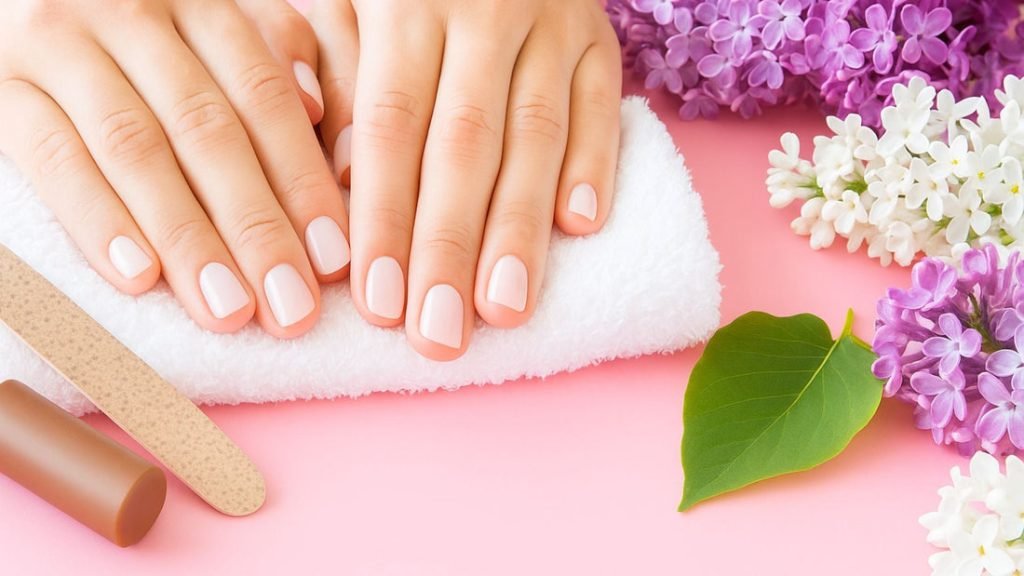
Imagine glancing down at your hands and feeling a rush of pride instead of a pang of insecurity. Your nails, often overlooked, are more than just a canvas for colorful polish.
They are a reflection of your overall health and personal style. Whether you’re a minimalist or a nail art enthusiast, proper nail care is essential. Are you tired of brittle nails, unsightly cuticles, or polish that chips too soon? You’re not alone.
This article will delve into practical, easy-to-follow tips to transform your nail care routine, helping you achieve the beautiful, healthy nails you’ve always dreamed of. Stay with us, and discover how a few simple changes can make all the difference.

Credit: nailboo.com
Nail Anatomy Basics
Your nails are more than just a cosmetic feature—they are complex structures that protect the tips of your fingers and toes. Understanding the basics of nail anatomy helps you take better care of them and spot issues early. Let’s look closely at what makes up your nails and common problems that might affect them.
Structure Of The Nail
Your nail consists of several key parts working together:
- Nail Plate:The visible hard part you usually think of as the nail. It’s made of keratin, a tough protein that shields your fingers.
- Nail Bed:The skin beneath the nail plate, full of blood vessels that give your nails their pink color.
- Cuticle:The thin layer of dead skin at the base of your nail that protects new cells as they grow.
- Matrix:The root under the skin where new nail cells form. Damage here can affect nail growth permanently.
- Lunula:The white crescent shape at the nail base, part of the matrix visible through the nail plate.
Knowing these parts can help you understand why nails react to injuries or diseases the way they do. Have you ever noticed changes in your nail color or texture and wondered what’s happening underneath?
Common Nail Problems
Nails can show signs of health issues or damage in many ways. Some common problems include:
- Brittle Nails:Nails that split or break easily, often due to dryness or frequent exposure to water and chemicals.
- Fungal Infections:Thick, discolored nails often caused by fungi thriving in warm, moist environments.
- Ingrown Nails:Nails that grow into the skin, causing pain and sometimes infection, usually on toes.
- Discoloration:Yellowing, white spots, or dark lines can signal infections, trauma, or underlying health conditions.
- Ridges and Pitting:Vertical or horizontal lines and small dents can be a sign of aging or diseases like psoriasis.
Have you ever ignored a small nail change, only to find it worsened later? Paying attention to your nails’ condition helps you catch problems early and seek care before they become serious.
Daily Nail Care Routine
Keeping your nails healthy doesn’t require complicated routines. A simple daily nail care routine can make a big difference in how your nails look and feel. Small habits, practiced every day, protect your nails from damage and keep them strong.
Cleaning And Moisturizing
Clean nails are the foundation of good nail health. Use a soft brush to gently remove dirt from under your nails. Avoid harsh scrubbing, which can damage the nail bed and cuticles.
Moisturizing is just as important as cleaning. Apply a nourishing hand cream or cuticle oil daily to prevent dryness and cracking. You might notice that your nails become less brittle and your skin around them stays smooth.
Proper Trimming Techniques
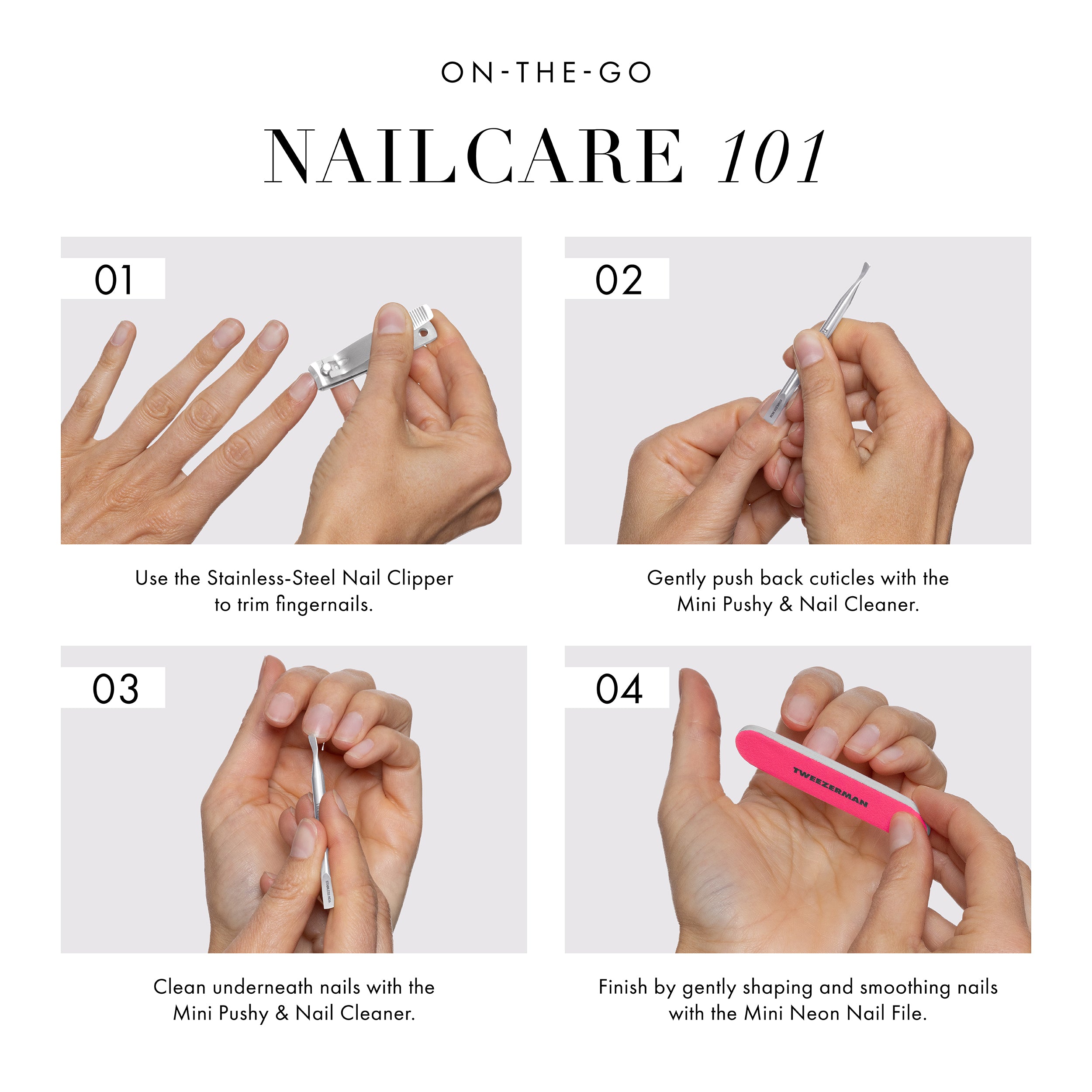
Cutting your nails the right way helps avoid painful issues like ingrown nails. Trim nails straight across using sharp nail clippers. Don’t cut them too short; leave a small white edge to protect your fingertips.
After trimming, gently file the edges with a fine-grit nail file. Avoid using a back-and-forth sawing motion, as it can weaken your nails. Instead, file in one direction to keep nails strong and prevent splitting.
Diet And Nail Health
Healthy nails start from the inside. Your diet plays a key role in nail strength and growth. Nails need vitamins, minerals, and proteins to stay strong and avoid breakage. Eating the right foods helps nails look shiny and smooth. Poor nutrition can make nails weak, brittle, and slow to grow.
Nutrients For Strong Nails
Certain nutrients boost nail health and prevent damage. Protein is essential because nails are mostly made of keratin, a type of protein. Biotin, a B vitamin, supports nail growth and reduces brittleness. Zinc helps repair tissues, including nails. Iron prevents nails from becoming thin and concave. Vitamin E protects nails from damage and dryness.
- Protein: eggs, lean meats, beans
- Biotin: nuts, seeds, sweet potatoes
- Zinc: pumpkin seeds, chickpeas, spinach
- Iron: red meat, spinach, lentils
- Vitamin E: almonds, sunflower seeds, avocado
Foods To Avoid
Certain foods can harm nail health. Excess sugar reduces collagen, which weakens nails. Processed foods lack nutrients and may slow nail growth. Too much caffeine can dehydrate nails, making them brittle. High salt intake causes water loss, leading to dry nails. Avoiding these foods supports stronger, healthier nails.
Credit: mavala.com.au
Protecting Nails From Damage
Nails need care to stay strong and healthy. They face damage from daily activities and exposure to harmful substances. Protecting nails from damage helps keep them looking good and prevents problems like splitting or brittleness. Small changes in habits can make a big difference in nail health.
Avoiding Harsh Chemicals
Certain chemicals weaken nails and cause dryness. Nail polish removers with acetone strip natural oils. Cleaning products contain strong chemicals that can damage nails.
- Choose acetone-free nail polish removers.
- Limit contact with cleaning agents.
- Use gentle soaps for handwashing.
By avoiding harsh chemicals, nails stay hydrated and less prone to breakage.
Using Gloves For Protection
Gloves create a barrier between nails and damaging elements. Wearing gloves during chores protects nails from water and chemicals. Use rubber gloves when washing dishes or cleaning surfaces.
- Wear cotton gloves under rubber gloves for comfort.
- Use gloves for gardening to avoid dirt and injury.
- Change gloves if they get wet or torn.
Proper glove use preserves nail strength and prevents infections.
Home Remedies For Nail Strength
Strengthening your nails at home is easier than you might think. Simple ingredients from your kitchen or bathroom can nourish your nails deeply. These natural remedies help restore moisture and prevent breakage without harsh chemicals.
Natural Oils And Treatments
Oils like coconut, olive, and almond are rich in vitamins that boost nail health. Applying them regularly can improve nail flexibility and reduce peeling. Just massage a few drops into your nails and cuticles daily to see noticeable changes.
Tea tree oil is another powerful option, especially if your nails are brittle or prone to infections. It acts as a natural antifungal and keeps your nails clean and strong. Dilute it with a carrier oil before applying to avoid irritation.
Diy Nail Masks
Creating your own nail masks at home can provide a quick nutrient boost. A simple mask using honey and lemon juice hydrates and brightens nails.
- Mix 1 tablespoon of honey with 1 teaspoon of lemon juice.
- Apply the mixture to your nails and leave it on for 15 minutes.
- Rinse with warm water and pat dry.
Have you tried using avocado for your nails? Its creamy texture and healthy fats make it a great mask base. Mash half an avocado and mix with a teaspoon of olive oil, then apply for 20 minutes for a nourishing treatment.
When To See A Specialist
Knowing when to see a specialist for your nails can save you from discomfort and potential complications. Nails often show signs of underlying health issues before other symptoms appear. Paying close attention to changes and knowing when to seek expert advice is key to maintaining healthy nails.
Signs Of Nail Infections
Watch for redness, swelling, or pain around your nails. These are common signs of infections that might need medical treatment. If you notice pus or a foul smell, these symptoms indicate a bacterial or fungal infection requiring prompt care.
Changes in nail color, such as yellowing or dark streaks, can also signal infection. Sometimes, nails become thick, brittle, or start to separate from the nail bed. These changes are not just cosmetic; they often mean your nails need professional attention.
Persistent Nail Issues
If your nails remain brittle, cracked, or discolored despite home care, it’s time to consult a specialist. Persistent nail problems can be a sign of underlying conditions like psoriasis, eczema, or even thyroid issues.
Have you ever tried treating a nail problem for weeks with no improvement? That’s a clear sign you need expert help. Specialists can diagnose the root cause and recommend treatments that go beyond over-the-counter solutions.
Don’t ignore recurring nail pain or discomfort. Chronic problems might affect your daily activities and overall nail health. Seeing a specialist early can prevent these issues from worsening.
Tips For Healthy Nail Growth
Healthy nail growth doesn’t just happen overnight. It requires consistent care and smart habits that protect your nails from damage and encourage strength. Small changes in your daily routine can make a big difference in how your nails look and feel.
Avoiding Nail Biting
Nail biting can cause serious damage to your nails and the skin around them. It weakens the nail bed and can lead to infections. If you find yourself biting your nails, try keeping them trimmed short to reduce temptation.
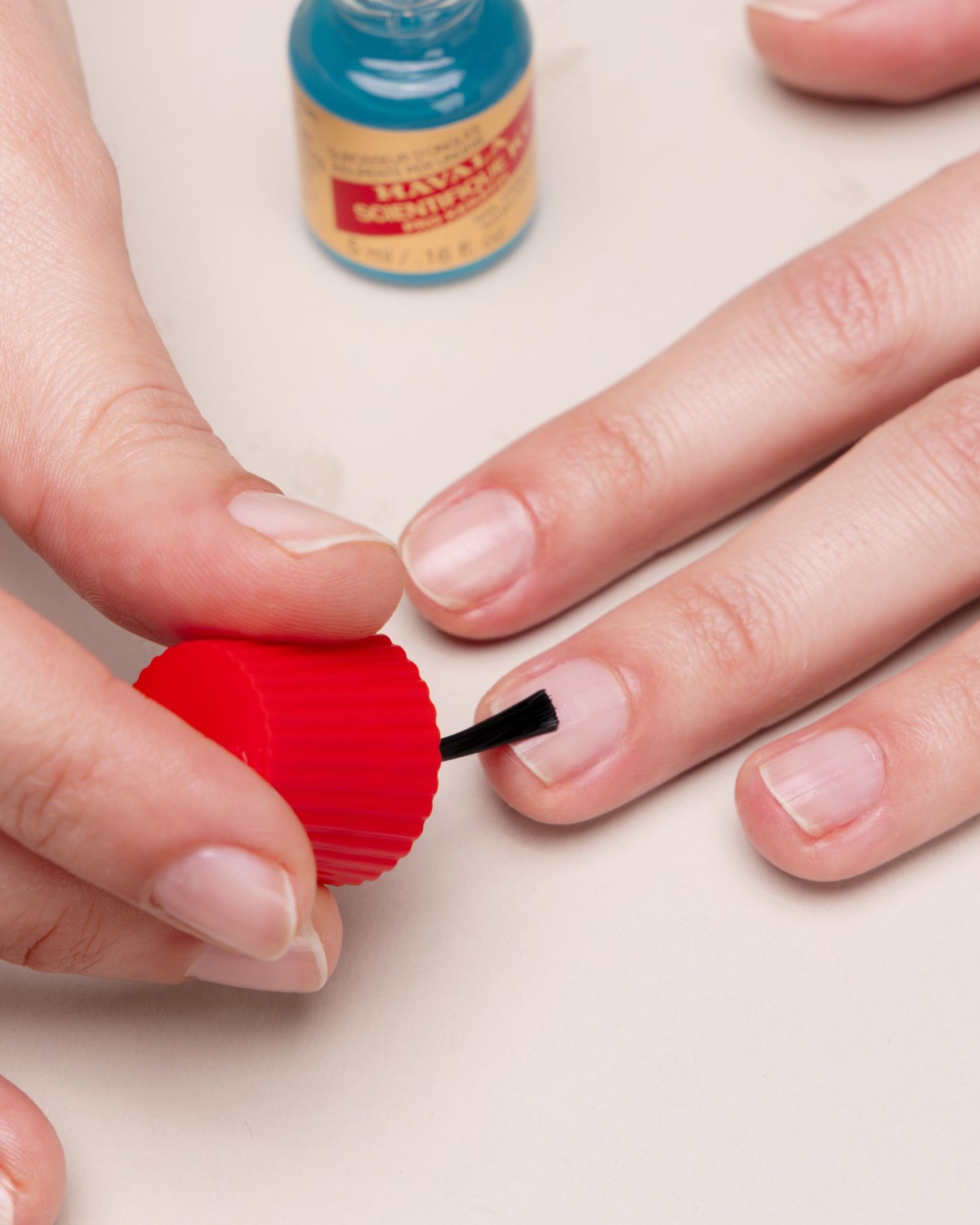
Applying a bitter-tasting nail polish can also help break the habit. Sometimes, stress triggers nail biting—have you tried other stress-relief methods like deep breathing or squeezing a stress ball? Finding what works for you can protect your nails and improve their growth.
Regular Nail Care Habits
Healthy nails need regular attention. Trim your nails straight across and then round the tips gently to avoid snags. Filing in one direction prevents splitting and keeps nails smooth.
Moisturizing your nails and cuticles daily is crucial. Use a hand cream or oils like jojoba or almond oil to keep the skin around your nails hydrated. Dry cuticles can crack and slow nail growth.
Also, protect your nails from harsh chemicals by wearing gloves while cleaning or washing dishes. Have you noticed your nails breaking more after certain chores? Gloves can be a simple fix to keep them strong.
Credit: tweezerman.com
Frequently Asked Questions
How Often Should I Trim My Nails For Best Care?
Trim your nails every one to two weeks. Regular trimming prevents breakage and keeps nails healthy. Use sharp, clean clippers to avoid damage.
What Is The Best Way To Moisturize Nails?
Apply a nourishing cuticle oil or hand cream daily. Moisturizing prevents dryness and brittleness. Focus on cuticles and nail beds for stronger nails.
Can Diet Affect Nail Health And Growth?
Yes, a balanced diet rich in vitamins and minerals improves nail strength. Include biotin, zinc, and protein for optimal nail growth and health.
How Can I Prevent Nail Infections Effectively?
Keep nails clean and dry. Avoid biting or picking at nails. Use gloves when handling harsh chemicals or water to reduce infection risks.
Conclusion
Healthy nails need regular care and attention. Clean and trim them often to avoid damage. Moisturize your nails and cuticles to keep them soft. Avoid biting nails or using them as tools. A balanced diet helps nails grow strong and shiny.
Protect nails from harsh chemicals by wearing gloves. Simple habits make a big difference over time. Your nails show your overall health and hygiene. Take small steps daily to keep nails looking their best. Caring for nails is easy and worth the effort.
