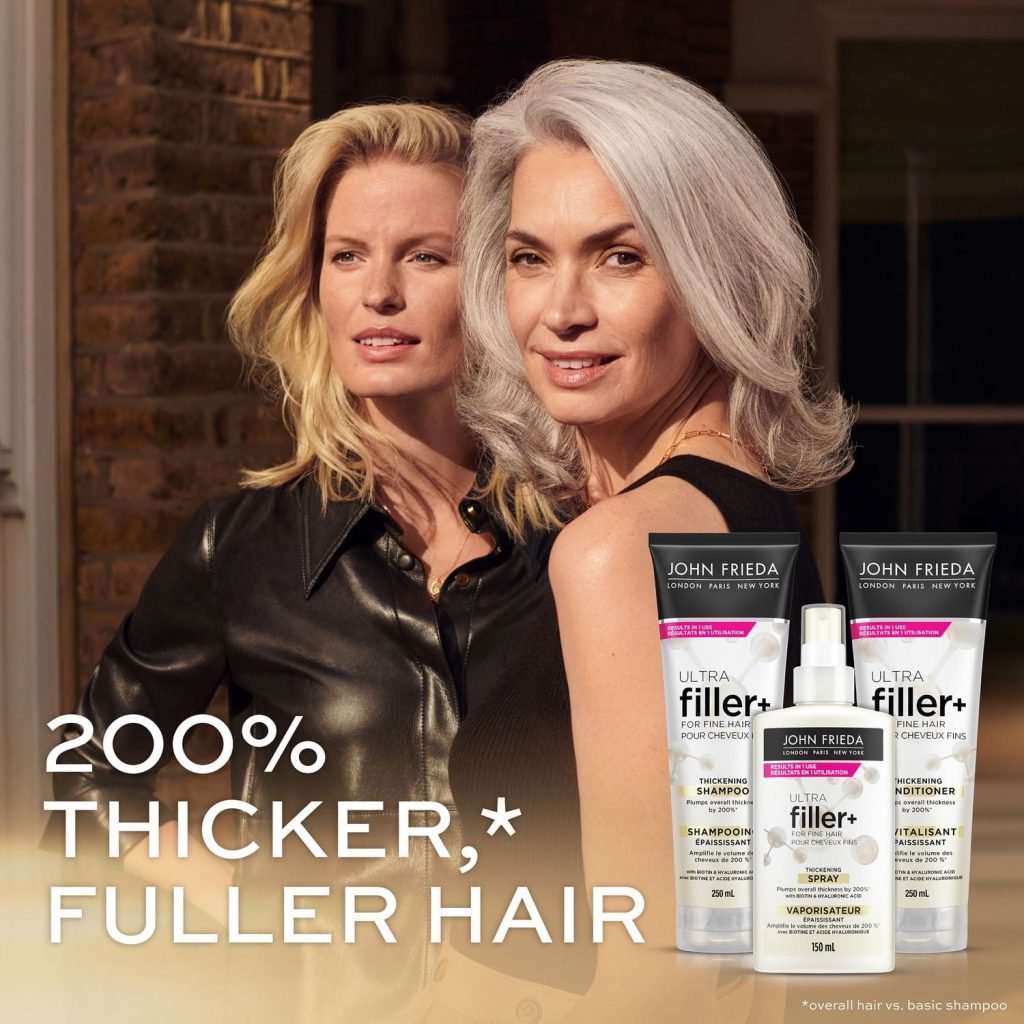
Struggling with thin hair can be frustrating, especially when it feels like you’ve tried everything to add volume and life to your locks. You might find yourself wondering why nothing seems to work or if there’s a secret you’re missing out on.
Well, you’re not alone. Many people share your concerns about thin hair, and the good news is that you can transform your hair care routine with just a few simple tweaks. Imagine finally achieving the fuller, healthier hair you’ve always wanted.
Sounds appealing, right? Stick around, because we’re about to explore how you can make that a reality with effective thin hair care strategies tailored just for you.
Causes Of Thin Hair
Thin hair can be caused by many factors. Understanding these causes helps in caring for your hair better. Some reasons are natural, while others come from daily habits. Identifying the root cause can guide you to healthier hair.
Genetics And Aging
Hair thickness often runs in families. Genes play a big role in hair growth and density. As people age, hair naturally becomes thinner. Hair follicles shrink, producing finer strands over time. This process varies for everyone.
Nutritional Deficiencies
Poor diet can lead to weak hair. Lack of vitamins like B, D, and iron affects hair health. Protein is essential for strong hair strands. Without enough nutrients, hair loses strength and volume. Eating balanced meals supports healthy hair growth.
Stress And Lifestyle Factors
High stress levels impact hair growth cycles. Stress can cause hair to fall out more easily. Lack of sleep and poor habits worsen hair condition. Smoking and excessive alcohol also harm hair health. Managing stress improves hair strength and shine.
Hair Damage And Overstyling
Heat tools and chemicals damage hair structure. Frequent coloring, bleaching, and straightening weaken strands. Tight hairstyles pull hair and cause breakage. Overwashing strips natural oils, leaving hair dry. Gentle care preserves hair thickness and vitality.
Credit: www.walmart.ca
Choosing The Right Shampoo
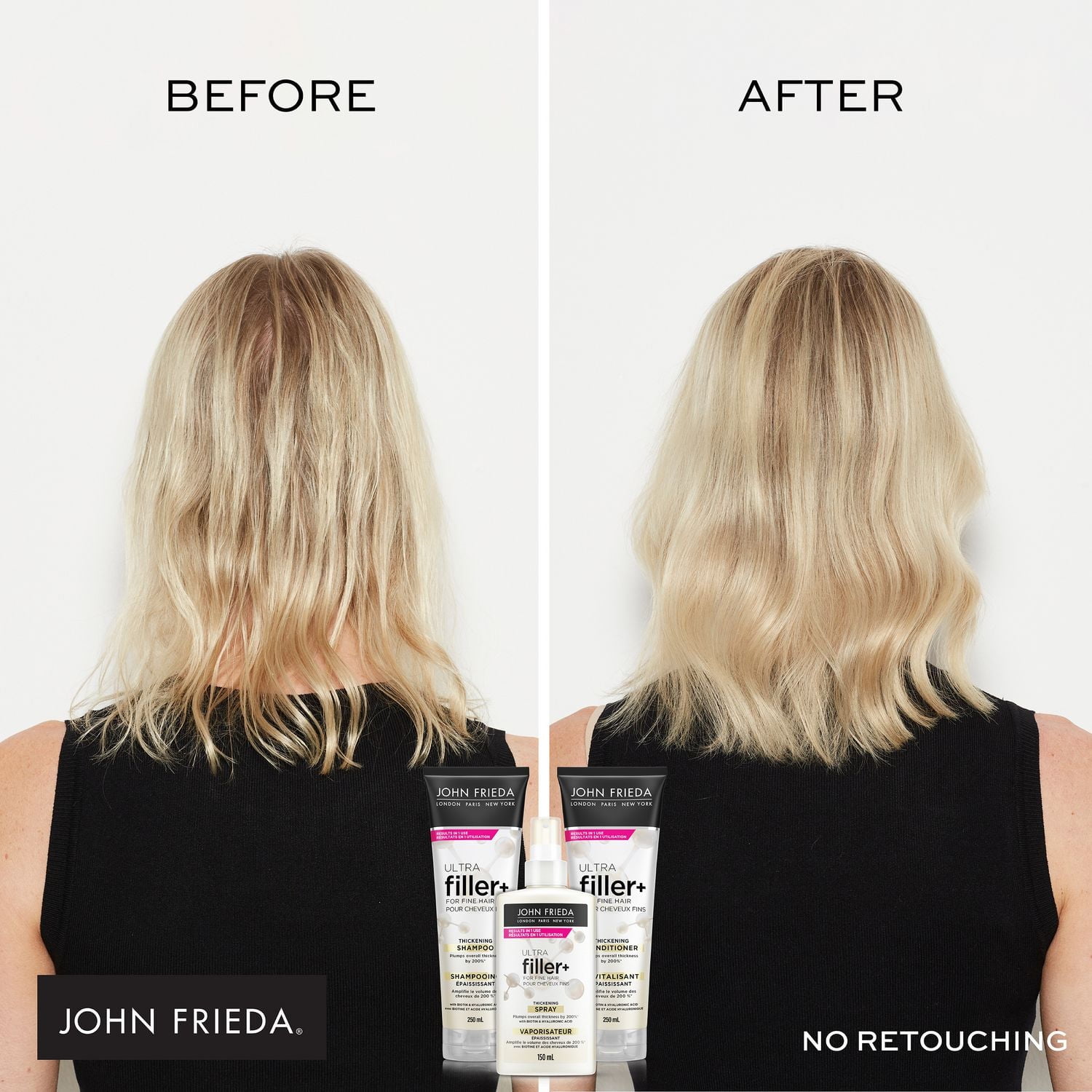
Choosing the right shampoo can make a huge difference in how your thin hair looks and feels. The right product gives your hair volume, strength, and a healthy shine without weighing it down. But with so many options on the market, how do you pick one that truly benefits thin hair?
Volumizing Formulas
Look for shampoos labeled as volumizing or thickening. These shampoos usually contain ingredients that lift hair strands and add body. They help your hair appear fuller and more textured, which is exactly what thin hair needs.
Some volumizing shampoos include proteins like keratin or wheat protein that temporarily strengthen hair strands. Others use lightweight ingredients that won’t weigh your hair down. Have you noticed how some shampoos leave your hair feeling flat? Switching to a volumizing formula can change that feeling completely.
Sulfate-free Options
Sulfates are common cleansing agents but can be harsh on thin hair. They strip away natural oils, leaving your scalp dry and hair brittle. Choosing a sulfate-free shampoo helps maintain moisture and prevents breakage.
Many sulfate-free shampoos use gentler cleansers that still remove dirt and oil effectively. If your scalp feels itchy or your hair breaks easily, trying a sulfate-free option might improve your hair’s health. Have you ever considered that harsh shampoos could be causing your hair to thin faster?
Ingredients To Avoid
Some ingredients do more harm than good for thin hair. Avoid shampoos with heavy silicones, which can build up and weigh hair down over time. Also, stay away from alcohols like isopropyl alcohol that dry out strands.
Fragrances and dyes may irritate your scalp and lead to hair fall. Checking the label for these ingredients can save you from unwanted damage. What if the shampoo you’re using is silently harming your hair’s growth?
Conditioning Tips For Thin Hair
Conditioning thin hair requires a delicate balance. You want to nourish and protect without weighing your strands down. The right techniques and products can make a noticeable difference in your hair’s volume and health.
Lightweight Conditioners
Choosing a lightweight conditioner is crucial for thin hair. Heavy creams and oils can leave your hair feeling flat and greasy. Look for conditioners labeled as “volumizing” or “weightless,” often formulated with ingredients like aloe vera or panthenol.
These conditioners hydrate without buildup, allowing your hair to stay bouncy and soft. Have you ever noticed how some conditioners make your hair limp? Switching to a lighter option could be the fix you need.
Proper Application Techniques
How you apply conditioner matters as much as what you use. Avoid the roots to prevent your scalp from becoming oily quickly. Instead, focus on the mid-lengths and ends where your hair is driest.
Try using your fingers or a wide-tooth comb to distribute the conditioner evenly. This method prevents clumping and ensures every strand gets some care. Have you tried rinsing with cool water? It seals the cuticle, adding shine and reducing frizz.
Deep Conditioning Treatments
Once a week, treat your hair to a deep conditioning mask. Thin hair benefits from extra moisture and protein without extra weight. Masks with ingredients like keratin or rice protein can strengthen strands gently.
Apply the treatment carefully, avoiding the scalp to keep roots light. Leave it on for about 10-15 minutes, then rinse thoroughly. You might find that deep conditioning improves your hair’s texture and resilience over time.

Credit: www.amazon.ca
Styling Tricks For Volume
Adding volume to thin hair can feel like a challenge, but small changes in how you style can make a big difference. The right techniques lift your hair from the roots, creating the illusion of fullness without weighing it down. Let’s look at some practical tricks that boost volume and give your hair a lively, thicker appearance.
Blow-drying Methods
Try flipping your head upside down while blow-drying. This simple move encourages your roots to lift naturally, giving your hair instant bounce. Use a round brush to gently lift sections of hair at the roots as you dry, focusing on the crown area where volume matters most.
Keep the blow dryer moving to avoid overheating any part of your hair. Finish with a cool shot to set the style and lock in volume. Have you noticed how drying your hair upside down makes a difference in fullness?
Using Root Lifting Products
Root lifting sprays or mousses are your best friends for thin hair. Apply them directly to damp roots before drying to create a firm base that holds your hair up. Choose lightweight formulas that won’t leave your hair sticky or crunchy.
Distribute the product evenly by using your fingers to lift hair at the roots while applying. This gives every strand a chance to stand tall. How often do you check if your styling products actually add volume instead of weighing your hair down?
Avoiding Heavy Styling Products
Heavy gels, waxes, or creams can flatten thin hair, making it look limp and lifeless. Opt for lighter alternatives like texturizing sprays or light foams instead. These add grip and body without dragging your hair down.
Read labels carefully and stay away from ingredients that cause buildup or greasiness. Your hair needs space to breathe and move freely to look full and vibrant. Have you tried swapping your heavy products for lighter ones and noticed an improvement?
Diet And Supplements
Diet and supplements play a key role in caring for thin hair. Eating the right foods supports hair growth and strength from the inside. Nutrients help repair damaged hair and slow hair loss. Supplements can fill gaps in nutrition when meals fall short. Healthy hair starts with what you put on your plate.
Foods That Promote Hair Growth
- Salmon and other fatty fish provide omega-3 fatty acids.
- Spinach and kale offer iron and vitamin C.
- Nuts like almonds and walnuts supply vitamin E and zinc.
- Eggs contain protein and biotin, essential for hair health.
- Sweet potatoes are rich in beta-carotene, which helps scalp health.
These foods nourish hair follicles and boost scalp circulation. Including them regularly supports stronger, thicker hair strands.
Vitamins And Minerals For Hair Health
| Vitamin/Mineral | Role in Hair Care | Food Sources |
|---|---|---|
| Biotin (Vitamin B7) | Strengthens hair and prevents breakage | Eggs, nuts, whole grains |
| Vitamin D | Stimulates hair follicle growth | Fatty fish, fortified dairy |
| Iron | Prevents hair thinning by oxygen transport | Spinach, red meat, legumes |
| Zinc | Supports scalp health and repair | Oysters, pumpkin seeds, beef |
When To Consider Supplements
Supplements help when diet lacks key nutrients. Hair may become thin due to stress, illness, or poor eating habits. A doctor can test for deficiencies before starting supplements. Avoid taking too many vitamins without advice. Balanced nutrition from food is best for healthy hair.
Home Remedies For Thickening
Home remedies for thickening thin hair use simple ingredients found at home. These remedies nourish hair from the roots and improve its strength and volume. Consistent care with natural treatments can lead to healthier, fuller hair.
Natural Oils And Masks
Natural oils deeply moisturize and strengthen hair strands. Coconut oil, castor oil, and olive oil are popular choices. They reduce hair breakage and add shine. Using masks made from ingredients like yogurt, honey, and aloe vera helps to nourish scalp and hair.
- Apply oil to scalp and hair, leave for 30 minutes.
- Use a mask once a week for best results.
- Rinse with mild shampoo after treatment.
Scalp Massage Benefits
Massaging the scalp improves blood flow to hair follicles. It stimulates hair growth and strengthens roots. Use gentle circular motions with fingertips for 5-10 minutes daily. Adding a few drops of essential oil enhances the effect.
- Improves nutrient delivery to hair roots.
- Reduces stress, which helps prevent hair loss.
- Promotes relaxation and scalp health.
Herbal Treatments
Herbs like fenugreek, amla, and bhringraj boost hair thickness naturally. These herbs contain vitamins and antioxidants that protect hair. Prepare herbal powders or pastes and apply on scalp regularly. Herbal rinses with green tea or chamomile soothe scalp and strengthen hair.
- Mix fenugreek seeds in water, make a paste.
- Use amla powder mixed with water as a hair mask.
- Rinse hair with herbal teas after washing.
Professional Treatments
Professional treatments offer targeted care for thin hair. These options help strengthen hair and stimulate growth. Experts design these treatments to improve scalp health and hair density. They provide effective support beyond everyday hair care routines.
Scalp Therapy
Scalp therapy cleans and nourishes the scalp deeply. It removes buildup that blocks hair follicles. This treatment improves blood circulation to the scalp. Better circulation supports stronger, healthier hair growth. Therapists use special massage techniques and serums. These products contain vitamins and minerals to boost scalp health.
Laser Hair Therapy
Laser hair therapy uses low-level lasers to stimulate hair follicles. It increases energy production in cells. This process helps hair grow thicker and fuller. Sessions are painless and usually last about 20 minutes. Regular treatments can reduce hair thinning and hair loss. Many people see visible results after a few weeks.
Hair Transplant Options
Hair transplant options replace lost hair with natural growth. Surgeons move healthy hair follicles to thinning areas. Techniques include Follicular Unit Extraction (FUE) and Follicular Unit Transplantation (FUT). Transplants create a natural look with permanent results. Recovery time varies but is manageable. This option suits those with significant hair loss.

Credit: www.afamconcept.com
Daily Hair Care Routine
Maintaining a daily hair care routine is crucial if you have thin hair. Your strands need extra attention to stay healthy and avoid breakage. Small changes in your everyday habits can make a big difference in how full and vibrant your hair looks.
Gentle Washing Practices
Washing your hair too often or using harsh shampoos can strip away natural oils that protect thin hair. Use a mild, sulfate-free shampoo designed for delicate hair textures. Focus on cleansing your scalp rather than the ends to avoid drying out your strands.
Try rinsing with lukewarm water instead of hot water. Hot water can weaken hair and cause it to break more easily. After washing, pat your hair dry with a soft towel instead of rubbing vigorously.
Avoiding Heat Damage
Heat styling tools like flat irons and curling wands can cause serious damage to thin hair. If you use them, always apply a heat protectant spray first. Limit heat styling to special occasions rather than daily use.
Consider air-drying your hair whenever possible. Have you noticed how your hair feels the day after skipping heat? Often, it’s stronger and less prone to split ends. This simple shift can protect your hair’s natural strength and shine.
Protective Hairstyles
Choosing hairstyles that reduce tension on your hair can prevent unnecessary breakage. Loose braids, buns, or ponytails work well to protect thin hair. Avoid tight hairstyles that pull on your scalp and cause stress to the follicles.
Sleeping with a silk or satin pillowcase can also reduce friction that causes breakage. Have you tried this? Many find it helps maintain hair health and smoothness overnight. These small protective steps keep your hair looking fuller and more resilient.
Frequently Asked Questions
How Can I Add Volume To Thin Hair?
Use volumizing shampoos and conditioners to lift roots. Avoid heavy products that weigh hair down. Blow-dry with a round brush for extra body.
What Hairstyles Suit Thin Hair Best?
Opt for layered cuts and bobs to create fullness. Avoid long, flat styles that emphasize thinness. Textured styles add dimension and movement.
Which Ingredients Help Strengthen Thin Hair?
Look for biotin, keratin, and collagen in hair products. These ingredients support hair strength and reduce breakage. Regular use improves hair density over time.
How Often Should I Wash Thin Hair?
Wash thin hair every 2-3 days to avoid stripping natural oils. Overwashing can make hair dry and fragile. Use gentle shampoos tailored for fine hair.
Conclusion
Caring for thin hair takes gentle steps and patience. Use soft brushes and mild shampoos to avoid damage. Eat healthy foods that support hair growth. Keep your scalp clean and moisturized every day. Avoid heavy products that weigh hair down.
Regular trims help keep hair looking fresh and full. Small changes can make a big difference over time. Stay consistent with your routine for best results. Thin hair can look beautiful with the right care. Simple habits protect and boost your hair’s health.
