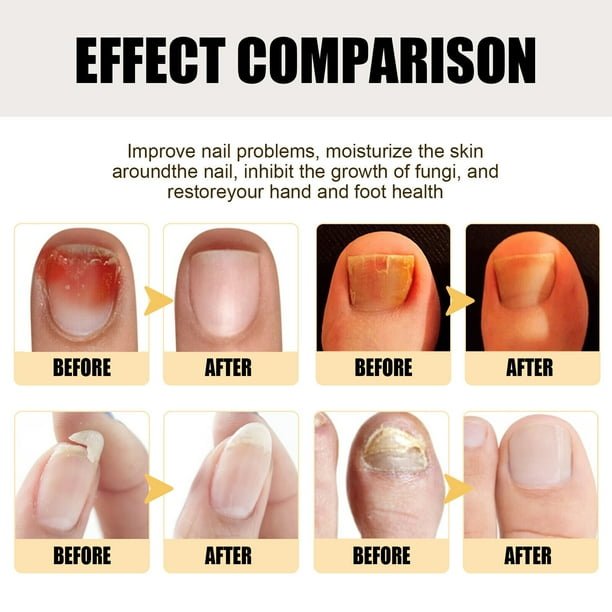
Do you find yourself hiding your hands due to damaged nails? You’re not alone, and more importantly, there’s hope.
Imagine a world where your nails are no longer a source of embarrassment but a point of pride. In this guide, we’re diving into the secrets of damaged nail care, offering you not just solutions but a chance to restore your confidence.
Whether it’s brittle, cracked, or peeling nails that trouble you, understanding the root cause and knowing how to effectively treat them can transform your nail health. Ready to unveil the beautiful nails you deserve? Let’s explore the simple yet powerful strategies to bring your nails back to life.
Common Causes Of Nail Damage
Understanding what causes nail damage is the first step to protecting your nails. Nails face a lot of daily wear and tear, but some causes are less obvious than others. Recognizing these factors helps you take better care of your nails and avoid common pitfalls.
Physical Trauma
Have you ever accidentally slammed your finger in a door or dropped something heavy on your nails? Physical trauma like these can cause bruising, cracking, or even nail loss. Even repetitive actions such as typing or nail-biting can weaken your nails over time.
Protect your nails by wearing gloves during manual work or avoiding habits that put stress on them. Small injuries might seem harmless but can lead to lasting damage if ignored.
Chemical Exposure
Harsh chemicals in cleaning products, nail polish removers, and even some soaps strip moisture from your nails. This leads to dryness, brittleness, and peeling.
If you spend a lot of time cleaning or using nail products, try switching to gentler alternatives. Wearing gloves while handling chemicals can also shield your nails from harm.
Nutritional Deficiencies
Your nails reflect what’s happening inside your body. Lack of essential nutrients like biotin, iron, and zinc can cause your nails to become weak and brittle.
Consider your diet: Are you eating enough fruits, vegetables, and proteins? Sometimes, adding a supplement can make a noticeable difference in nail health.
Underlying Health Conditions
Sometimes nail damage isn’t just about what happens outside your body. Conditions such as thyroid disorders, psoriasis, or fungal infections can change your nail’s appearance and strength.
If your nails show persistent changes like discoloration, thickening, or separation from the nail bed, it might be time to consult a healthcare provider. Your nails could be sending you a signal about your overall health.
Signs Of Nail Damage
Noticing signs of damage in your nails early can save you from more serious problems later. Your nails often show subtle clues that something isn’t right. Paying attention to these signs helps you take action before the damage worsens.
Discoloration And Spots
Have you ever seen dark spots or unusual colors on your nails? Yellowing, white spots, or even greenish hues often point to fungal infections or vitamin deficiencies. These changes might seem minor but can signal an underlying issue you shouldn’t ignore.
Cracking And Splitting
Cracks or splits in nails are not just a cosmetic concern—they often mean your nails are too dry or have been exposed to harsh chemicals. If you notice your nails breaking frequently, it’s time to rethink your nail care routine. What daily habits might be causing this damage?
Peeling Layers
When your nail layers start peeling off, it’s a clear sign of weakened nail structure. This can happen from excessive exposure to water or improper nail polish removal. Have you ever peeled off a nail polish layer only to find your nails flaking underneath?
Nail Deformities
Changes in nail shape, like ridges, bumps, or thickening, can indicate health problems or injury. Curved or clubbed nails might be more than just a nail issue—they could reflect your overall health. Are you paying attention to how your nails have changed over time?
Daily Nail Care Routine
Taking care of damaged nails daily helps them heal faster. A simple routine can protect nails from further harm. Consistency is key for stronger and healthier nails. Small habits make a big difference over time.
Gentle Cleaning Techniques
Use warm water and mild soap to clean nails. Avoid harsh scrubbing that can weaken nail beds. Soft brushes or cloths work best for cleaning under nails. Pat nails dry gently instead of rubbing hard. Keep nails clean without stripping natural oils.
Moisturizing Tips
Apply a nourishing moisturizer to nails and cuticles daily. Look for creams with ingredients like shea butter or vitamin E. Massage moisturizer into nails to improve absorption. Moisturizing prevents dryness and reduces brittleness. Use oils such as jojoba or almond for extra hydration.
Avoiding Harsh Products
Stay away from nail polish removers with acetone. Choose gentle, acetone-free formulas instead. Limit exposure to cleaning chemicals by wearing gloves. Avoid nail products with strong chemicals or allergens. Harsh substances dry out and damage fragile nails.
Proper Nail Trimming
Trim nails straight across with clean, sharp clippers. Avoid cutting nails too short to prevent infections. Use a fine nail file to smooth edges gently. File nails in one direction to avoid splitting. Regular trimming stops nails from breaking easily.

Credit: www.amazon.ca
Home Remedies For Nail Recovery
Taking care of damaged nails at home can be both simple and effective. You don’t need expensive products to start healing your nails; often, what’s in your kitchen or pantry can do the trick. Let’s look at some practical ways you can support nail recovery with natural ingredients and easy habits.
Natural Oils And Treatments
Natural oils like coconut oil, jojoba oil, and almond oil provide deep hydration to brittle nails. Massaging these oils into your nails and cuticles daily can boost moisture and strengthen the nail bed.
Tea tree oil is great if your nails are damaged due to fungal infections. Just dilute it with a carrier oil and apply it carefully to avoid irritation.
Have you tried honey as a nail treatment? It’s a natural humectant that locks in moisture, so applying a thin layer before bed can help your nails stay soft and less prone to cracking.
Soaking Methods
Soaking your nails in warm, soothing solutions can speed up recovery. A mixture of warm water and apple cider vinegar helps balance pH and fight bacteria.
Adding Epsom salts to your soak can relieve inflammation around the nail and reduce discomfort. Keep the soak brief—around 10 to 15 minutes—to avoid over-drying.
Try alternating between moisturizing oil soaks and gentle salt soaks throughout the week. How might your nails respond to this gentle care routine?
Dietary Adjustments
Your nails reflect what you eat. Increasing your intake of biotin-rich foods like eggs, nuts, and leafy greens can promote stronger nail growth.
Don’t overlook hydration; drinking plenty of water keeps nails and skin supple. Omega-3 fatty acids found in fish or flaxseeds help reduce nail brittleness by supporting healthy cell membranes.
Have you noticed changes in your nails after adjusting your diet? Small shifts in nutrition can lead to visible improvements over time.
When To See A Specialist
Knowing when to see a specialist for damaged nail care can save you from prolonged discomfort and prevent complications. Nails often reflect your overall health, so ignoring persistent problems might lead to more serious issues. Recognizing the warning signs and seeking expert advice at the right time is crucial for maintaining healthy nails and avoiding unnecessary pain.
Persistent Nail Problems
If your nails stay damaged despite regular care for several weeks, it’s time to consult a specialist. Persistent issues like continuous splitting, discoloration, or thickening don’t usually resolve on their own. You might think it’s just dryness or minor trauma, but ongoing problems could indicate underlying conditions that need professional treatment.
Have you noticed your nails worsening despite home remedies? Specialists can identify hidden causes such as fungal infections or nutritional deficiencies that are not obvious at first glance.
Infections And Pain
Any signs of infection around your nails warrant immediate attention. Redness, swelling, pus, or intense pain aren’t just uncomfortable—they can signal bacterial or fungal infections requiring medical care. Ignoring these symptoms can lead to worsening infection and longer recovery times.
Think about that painful hangnail you tried to treat yourself but ended up more swollen and tender. A specialist can provide safe removal, prescribe antibiotics if needed, and guide you to avoid future infections.
Signs Of Systemic Issues
Your nails may reveal clues about systemic health problems you might not be aware of. Unusual changes like spoon-shaped nails, sudden brittleness, or white spots might indicate conditions such as anemia, thyroid disorders, or psoriasis. Seeing a specialist can help link these nail changes to broader health concerns.
Have you ever wondered if your fragile nails are just bad luck or a sign of something else? A professional can perform tests to uncover hidden illnesses, giving you the chance to address the root cause effectively.
Credit: www.walmart.ca
Preventing Future Nail Damage
Taking care of damaged nails goes beyond just treating the current issues. Preventing future nail damage means changing some daily routines and being mindful of how you treat your nails every day. Small, consistent actions can make a big difference in keeping your nails strong and healthy.
Protective Measures
Protecting your nails from harm starts with simple habits. Wear gloves when doing chores like washing dishes or gardening to avoid exposure to harsh chemicals and dirt. Avoid using your nails as tools to open things or scrape surfaces, as this can cause cracks and breaks.
Think about the last time your nails felt weak—were you doing something that might have caused it? Being cautious during activities that put pressure on your nails can help them stay intact longer.
Healthy Nail Habits
Healthy nails need gentle care every day. Keep your nails trimmed and filed to prevent snagging. Use a moisturizing cream or cuticle oil regularly to keep the nail bed hydrated and flexible.
Are you applying nail polish remover too often? Limit the use of harsh removers and give your nails time to breathe between manicures. Eating foods rich in vitamins like biotin and zinc can also support nail strength from within.
Regular Checkups
Monitoring your nail health regularly helps catch problems early. Take a close look at your nails weekly to spot any unusual changes in color, texture, or shape. If you notice persistent issues like discoloration or pain, consult a dermatologist or nail specialist.
How often do you check your nails for signs of trouble? Scheduling occasional professional checkups can provide personalized advice and prevent small issues from turning into bigger problems.
Credit: www.newfoundlandgrocerystores.ca
Frequently Asked Questions
How Can I Treat A Damaged Nail At Home?
To treat damaged nails at home, keep them clean and dry. Use moisturizing creams and avoid harsh chemicals. Trim nails gently and wear gloves during chores. Applying nail strengtheners can help repair and protect nails from further damage.
What Causes Nails To Become Damaged Or Weak?
Nails can weaken due to frequent exposure to water, chemicals, or harsh nail products. Nutrient deficiencies, infections, and trauma also cause damage. Excessive nail-biting and improper nail care habits contribute to weak nails.
How Long Does It Take For Damaged Nails To Heal?
Nail healing time varies by severity but generally takes 3 to 6 months. Fingernails grow about 3 millimeters per month, so patience and proper care are essential for full recovery.
Are There Any Effective Products For Damaged Nail Care?
Yes, products like cuticle oils, nail strengtheners, and moisturizing creams are effective. Look for ingredients like biotin, keratin, and vitamin E. Avoid harsh nail polishes and removers that can worsen damage.
Conclusion
Taking care of damaged nails requires patience and gentle habits. Keep nails clean and moisturized every day. Avoid harsh chemicals and rough tools that cause harm. Trim nails carefully to prevent further breakage. Eating healthy foods supports nail strength from inside.
Small steps make big differences over time. Healthy nails boost confidence and comfort. Start simple care routines and stay consistent. Your nails will thank you with better health. Keep these tips in mind for lasting results.