Imagine looking down at your hands and seeing perfectly polished nails, a sight that makes you feel instantly confident and put together. Nail care isn’t just about aesthetics; it’s a vital part of your personal hygiene and overall health.
Whether you’re someone who loves experimenting with bold nail art or prefers a classic, clean look, taking care of your nails can enhance your self-esteem and leave a lasting impression. In this blog post, we’ll dive into the essentials of nail care, offering you simple tips and tricks that promise to transform your nail routine.
By understanding how to maintain healthy nails, you will not only boost your confidence but also prevent common issues like brittleness and infections. So, if you’re ready to unlock the secrets to flawless nails, keep reading! Your journey to enviable nails starts here.
:max_bytes(150000):strip_icc()/GettyImages-1350406915-bbc4054d96f54d5e82125a365a428723.jpg)
Credit: www.realsimple.com
Daily Nail Care Routine
A daily nail care routine keeps nails healthy and strong. It helps prevent damage and infections. Simple steps every day make a big difference. This routine fits easily into busy schedules. Consistent care leads to nails that look clean and neat.
Cleansing And Moisturizing
Clean nails are the foundation of nail health. Use a gentle soap to wash nails daily. Remove dirt and bacteria from under the nails. Avoid harsh chemicals that dry out nails and skin.
After washing, apply a moisturizing lotion or oil. Focus on nails and surrounding skin. Moisturizing prevents dryness and cracking. Soft skin supports strong nails.
Proper Nail Trimming
Trim nails regularly to keep them neat and even. Use sharp nail clippers designed for nails. Cut straight across to avoid ingrown nails. Smooth edges gently with a nail file.
Do not cut nails too short. Leave a small white edge for protection. Regular trimming stops nails from breaking or splitting.
Cuticle Care
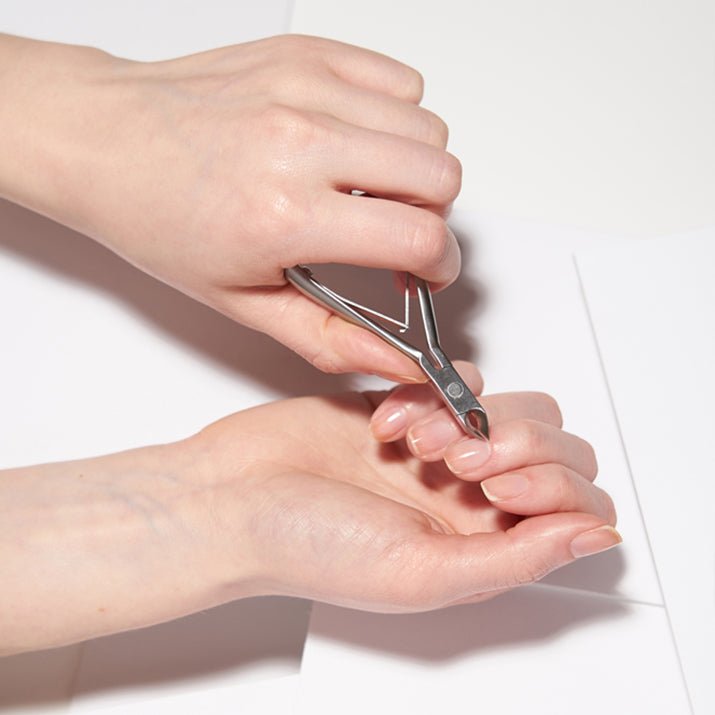
Cuticles protect nails from infection. Avoid cutting or pushing them too hard. Soften cuticles with warm water or oil before care.
Gently push back cuticles with a soft tool. Keep cuticles moisturized to prevent dryness. Healthy cuticles support nail growth and strength.

Credit: tweezerman.com
Choosing The Right Nail Products
Choosing the right nail products is key for healthy and beautiful nails. The right items protect your nails from damage and support growth. It is important to select products that match your nail type and needs.
Safe and effective products help maintain nail strength and shine. Avoid harsh chemicals that cause dryness or brittleness. Quality products also improve the look and feel of nails.
Nail Strengtheners
Nail strengtheners add a protective layer to nails. They prevent splitting and breaking. Look for formulas with ingredients like keratin, biotin, or calcium. These help nails grow stronger over time.
Apply strengtheners regularly for best results. They work well under polish or alone. Choose a product that dries quickly and does not peel.
Non-toxic Nail Polishes
Non-toxic nail polishes avoid harmful chemicals like formaldehyde and toluene. They are safer for your nails and skin. These polishes come in many colors and finishes.
Choose brands that list all ingredients clearly. Non-toxic options reduce the risk of allergies and nail damage. They also remove easily without harsh nail polish removers.
Nail Tools To Use
Good nail tools make nail care easier and safer. Use gentle files with fine grit to shape nails. Avoid metal files that can cause splitting.
Cuticle pushers help keep cuticles neat without cutting them. Buffers smooth the nail surface and add shine. Keep tools clean to avoid infections.
- Glass or crystal nail files
- Wooden or silicone cuticle pushers
- Soft nail buffers
- Sanitizing wipes for tools
Protecting Nails From Damage
Nails face many threats daily. Dirt, water, and chemicals can weaken them. Protecting nails from damage keeps them strong and healthy. Small habits make a big difference. Simple care routines help nails stay beautiful.
Avoiding Harsh Chemicals
Harsh chemicals strip oils from nails. This makes nails dry and brittle. Avoid cleaning products with strong acids or bleach. Choose gentle, nail-friendly products instead. Read labels carefully before use. Natural or mild alternatives protect nail health.
Wearing Gloves
Gloves shield nails from water and chemicals. Use them for washing dishes and cleaning tasks. Rubber gloves prevent nails from soaking and breaking. Wearing gloves also stops nails from chipping. Keep gloves clean and dry for best results.
Limiting Nail Polish Remover Use
Nail polish remover contains chemicals that dry nails. Use it sparingly to avoid damage. Avoid removers with acetone as they are harsher. Opt for gentle, acetone-free removers instead. Moisturize nails after removing polish to restore moisture.
Credit: glossgenius.com
Nutrition For Strong Nails
Strong nails need good nutrition from the inside out. Eating the right foods and drinking enough water helps nails grow healthy and prevents breakage. Nutrients support the nail structure and keep them shiny and smooth.
Vitamins And Minerals
Vitamins and minerals are key for nail strength. Vitamin A helps skin and nails stay healthy. B vitamins, especially biotin, improve nail thickness. Vitamin C supports collagen, which builds nail tissue. Zinc and iron help repair damaged nails and prevent ridges.
Hydration Tips
Water keeps nails flexible and stops dryness. Drink plenty of water every day. Avoid too much caffeine or alcohol, which can dry nails. Moisturize your hands and nails with lotion to lock in water. Use gloves when washing dishes to protect nails.
Foods To Include
Choose foods rich in vitamins and minerals for strong nails. Add these to your diet:
- Eggs – high in biotin and protein
- Leafy greens – full of iron and vitamin A
- Nuts and seeds – great sources of zinc and healthy fats
- Fish – rich in omega-3 fatty acids
- Citrus fruits – loaded with vitamin C
- Sweet potatoes – provide vitamin A and antioxidants
Common Nail Problems
Nails can show signs of health problems or damage. Many people face common nail issues that affect appearance and comfort. Understanding these problems helps in caring for nails better. Here are some frequent nail concerns and what they involve.
Brittle Nails
Brittle nails break or split easily. They often feel dry and rough. Causes include frequent water exposure, harsh chemicals, and cold weather. Nutrient deficiencies can also weaken nails. Proper hydration and gentle care improve nail strength.
Discoloration
Nails may change color due to injury or illness. Yellow nails can suggest fungal infection or smoking effects. White spots often result from minor trauma. Dark streaks might need medical attention. Healthy nails usually have a consistent pink tone.
Fungal Infections
Fungal infections cause thick, crumbly nails. They may turn yellow, brown, or white. Infections often start in toenails but can affect fingernails too. Warm, moist environments encourage fungal growth. Early treatment prevents spread and nail damage.
Nail Care Myths And Facts
Nail care has many myths that confuse people. Some ideas about nails can harm their health. Knowing the facts helps you take better care of your nails. This section clears up common myths and shares true facts about nail care.
Cutting Nails Too Short Causes Pain
Cutting nails too short can hurt the skin around them. It may cause infections or ingrown nails. Nails should be trimmed straight across. Leave a little length to protect the fingertips.
Frequent Manicures Damage Nails
Manicures do not always harm nails. Using harsh chemicals or poor tools can damage nails. Choose gentle products and clean tools. Proper care during manicures keeps nails healthy.
White Spots Mean Calcium Deficiency
White spots on nails are common and usually harmless. They do not show calcium lack. Small injuries or nail damage cause these spots. They disappear as the nail grows out.
Using Nail Hardeners Strengthens Weak Nails
Nail hardeners work only for some types of weak nails. Overuse can make nails brittle. Use hardeners as directed and not too often. Balanced diet and hydration also improve nail strength.
Moisturizing Nails Is Not Necessary
Nails need moisture to stay flexible. Dry nails break or peel easily. Use hand creams and oils on nails regularly. This keeps nails smooth and less likely to crack.
Professional Nail Treatments
Professional nail treatments offer care beyond basic home routines. They help maintain nail health, improve appearance, and fix common nail issues. Skilled technicians use special tools and products to protect nails and skin. Regular visits can prevent infections and promote stronger nails.
Manicure Benefits
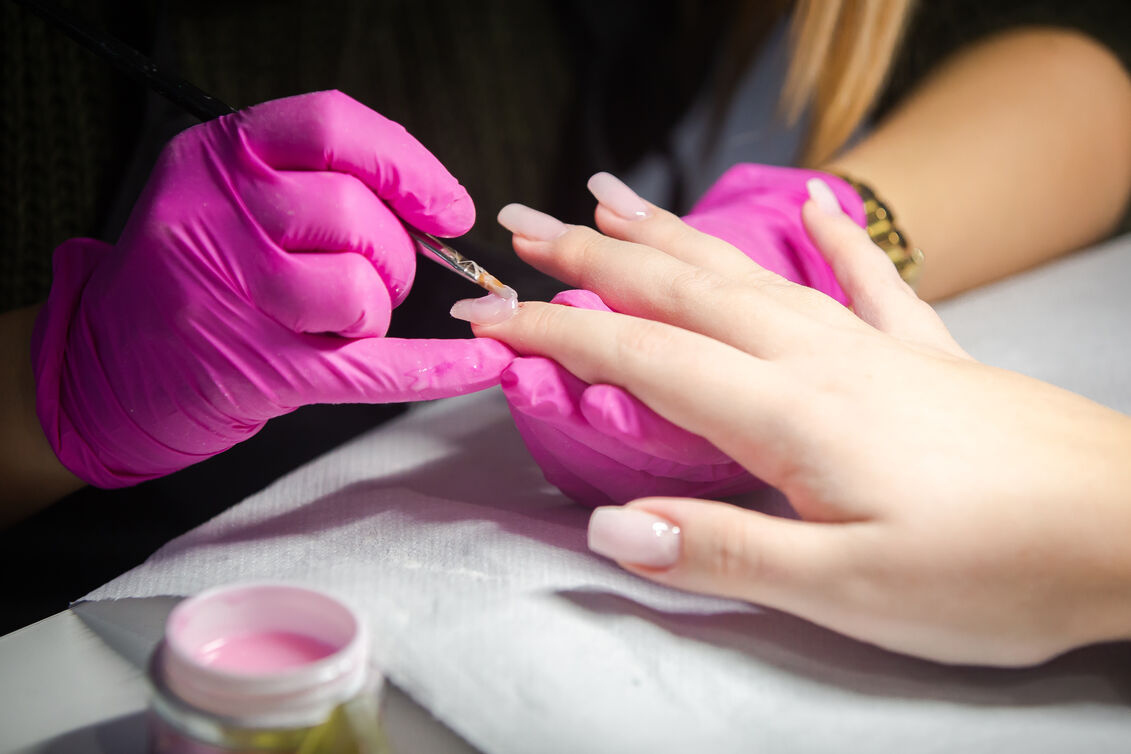
A professional manicure does more than beautify nails. It removes dead skin and cleans under nails, reducing bacteria. Cuticles get trimmed carefully to avoid damage. Moisturizing during treatment keeps skin soft and hydrated. Nails get shaped evenly, preventing breakage and splits.
Manicures also improve blood flow in fingers. This boosts nail growth and overall nail health. Some treatments include strengthening polish to protect weak nails. The relaxing experience helps reduce stress and improve mood. Healthy, neat nails increase confidence and leave a good impression.
When To See A Specialist
Visit a nail specialist if nails show unusual changes. Signs include discoloration, thickening, or pain around nails. Fungus infections need professional care to avoid spreading. Persistent nail biting or peeling requires expert advice.
Specialists can treat conditions like ingrown nails or infections. They recommend treatments and products tailored to nail type and problems. Early care prevents long-term damage and promotes quick healing. Regular checkups help keep nails strong and healthy.
Frequently Asked Questions
How Often Should I Trim My Nails For Best Care?
Trim nails every 1-2 weeks to prevent breakage and maintain shape. Regular trimming promotes healthy, strong nails and avoids dirt buildup underneath.
What Is The Best Way To Moisturize Nails?
Use cuticle oil or hand cream daily to keep nails hydrated. Moisturizing prevents dryness, cracking, and peeling, ensuring your nails stay healthy and flexible.
Can Diet Affect Nail Health?
Yes, a balanced diet rich in vitamins and minerals strengthens nails. Foods with biotin, zinc, and protein promote nail growth and prevent brittleness.
How Do I Prevent Nail Infections?
Keep nails clean and dry, avoid biting, and use sanitized tools. Proper hygiene reduces risk of fungal or bacterial infections and keeps nails healthy.
Conclusion
Nail care helps keep your hands healthy and strong. Regular cleaning and trimming prevent problems. Moisturizing stops nails from becoming dry and brittle. Avoid biting nails to reduce infections. Wearing gloves protects nails during chores. Simple steps lead to better nail health.
Small daily habits make a big difference. Healthy nails show good personal care. Start caring for your nails today. Your hands will thank you.
