Dealing with toe nail removal can feel daunting. You might be wondering about the best ways to take care of your toe post-procedure.
This is crucial because proper care ensures a smooth recovery and minimizes any discomfort you might experience. Imagine feeling confident and pain-free, knowing you’re doing everything right to heal quickly. In this guide, you’ll discover simple and effective tips to care for your toe, keeping infections at bay and speeding up your healing process.
Stick around, and you’ll be equipped with the knowledge to make your recovery as comfortable and swift as possible. Let’s dive into ensuring your foot feels better, faster.
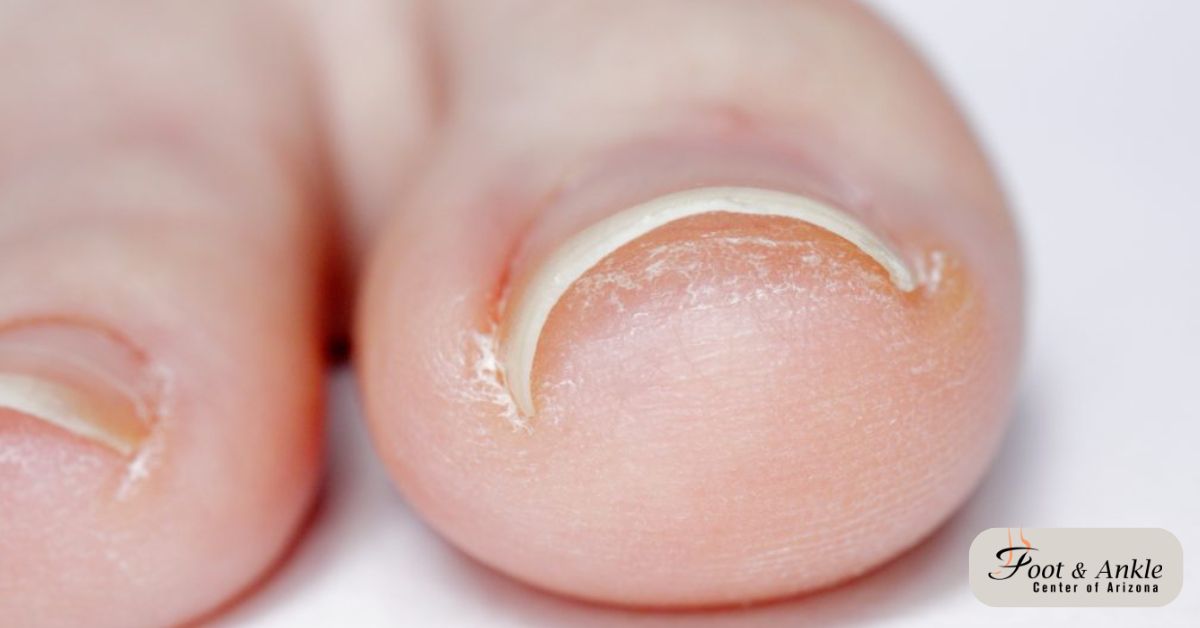
Credit: arizonafoot.com
Immediate Care After Nail Removal
Immediately after nail removal, your toe needs careful attention to heal properly and avoid complications. The first few hours and days are crucial for controlling bleeding, preventing infection, and managing pain. How you handle this initial phase can make a big difference in your comfort and recovery speed.
Managing Bleeding
Right after nail removal, some bleeding is normal. You should gently press a clean gauze pad against the area to stop the bleeding. Keep the pressure steady for 10 to 15 minutes without lifting the pad to check, as this can disrupt clot formation.
If bleeding continues beyond 20 minutes or seems heavy, it’s important to reach out to your healthcare provider. Elevating your foot above heart level can also help reduce blood flow and swelling. Have you noticed that simple elevation often makes a surprising difference?
Keeping The Area Clean
Keeping your toe clean is essential to prevent infection. After the bleeding stops, rinse the toe gently with lukewarm water and mild soap. Avoid soaking the toe for long periods as this can soften the skin and delay healing.
Change the dressing daily or whenever it becomes wet or dirty. Use sterile gauze and medical tape to cover the wound securely. You might find that using an antibiotic ointment helps keep the area moist and protected.
Pain Relief Options
Pain after nail removal can be significant, but there are simple ways to manage it. Over-the-counter painkillers like ibuprofen or acetaminophen can reduce pain and inflammation effectively. Make sure to follow the dosage instructions on the label carefully.
Applying an ice pack wrapped in a cloth to the toe for 15 to 20 minutes every few hours can also ease discomfort and swelling. Have you tried this method before? Many people find it surprisingly soothing in the first couple of days.
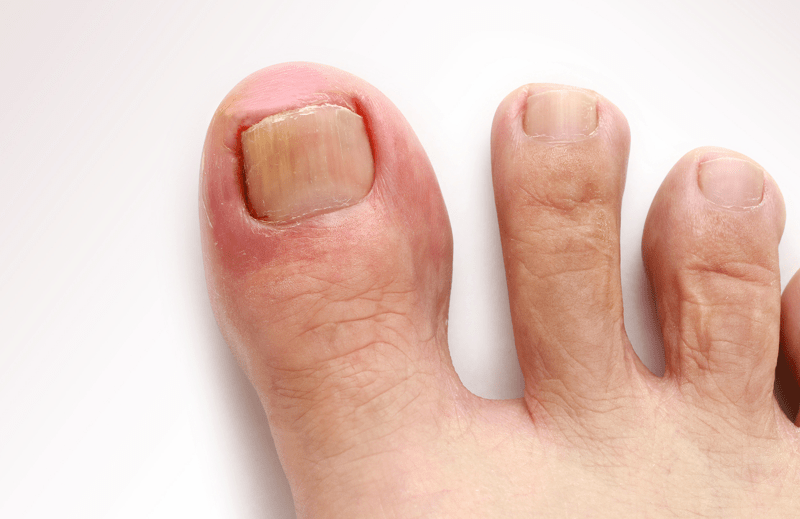
Credit: health.clevelandclinic.org
Dressing And Bandaging Tips
Proper dressing and bandaging after toe nail removal is essential. It protects the wound from infection and helps it heal faster. Clean, secure bandages keep dirt and bacteria away. Changing dressings carefully prevents pain and complications. Follow these tips for best care.
Choosing The Right Dressing
Select a dressing that is gentle and absorbent. Use non-stick pads to avoid pulling on the wound. Cotton or gauze pads work well for cushioning. Look for dressings with a breathable surface to allow air flow. Avoid materials that trap moisture, which can cause infection. Dressings with adhesive edges help keep everything in place. Make sure the size covers the entire wound and some skin around it.
How To Change Bandages Safely
- Wash your hands thoroughly before touching the bandage.
- Gently peel off the old dressing without pulling skin.
- Check the wound for signs of infection like redness or swelling.
- Clean the area with sterile saline or as your doctor advised.
- Place a fresh, dry dressing over the wound carefully.
- Secure the bandage with medical tape or a wrap that is not too tight.
- Change the dressing daily or when it becomes wet or dirty.
Preventing Infection
Preventing infection is crucial after toe nail removal. The skin and tissues are open and vulnerable. Proper care helps avoid complications and speeds healing. Keep the area clean and protected to stop germs from entering.
Signs Of Infection To Watch For
- Redness spreading around the toe
- Swelling that gets worse
- Pain increasing instead of easing
- Warmth or heat near the wound
- Discharge with a bad smell
- Fever or chills
Notice any of these signs early. Contact a healthcare provider if symptoms appear. Quick action can prevent serious problems.
Using Antibiotic Ointments
Antibiotic ointments protect the wound from bacteria. Apply a thin layer as directed by your doctor. This helps stop infection and keeps the area moist. Cover the ointment with a clean bandage for extra safety.
Change the bandage daily or if it becomes wet or dirty. Always wash your hands before and after touching the wound. Avoid using too much ointment to prevent irritation.
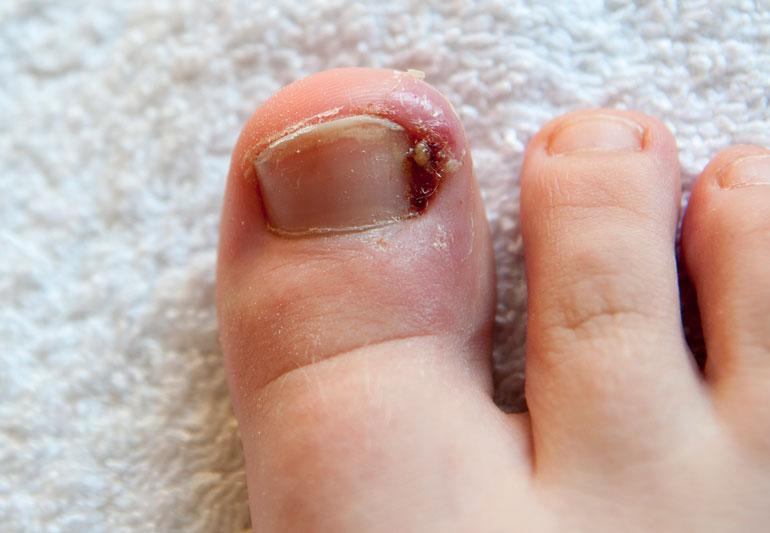
Credit: health.clevelandclinic.org
Activity And Movement Guidelines
After nail removal, proper activity and movement are key to healing. Moving the toe carefully can prevent pain and infection. Following clear guidelines helps protect the toe and speeds recovery.
Resting The Toe
Rest is important during the first days after nail removal. Keep the foot elevated to reduce swelling. Avoid putting weight on the affected toe. Use crutches or a cane if needed. Do not walk barefoot or wear tight shoes. Keep the toe clean and dry to avoid infection.
When To Resume Normal Activities
Wait at least one week before resuming normal activities. Start with gentle movements to avoid strain. Avoid running, jumping, or heavy lifting until fully healed. Listen to your body and stop if pain increases. Follow your doctor’s advice for the best results.
Promoting Faster Healing
Promoting faster healing after toe nail removal is crucial to avoid complications like infections and prolonged discomfort. How you care for your toe directly impacts how quickly it recovers and how comfortable you feel during the process. Simple actions and small changes in your routine can make a big difference in speeding up healing.
Nutrition Tips
Your body needs the right fuel to repair tissue and fight off infection. Focus on foods rich in protein, such as lean meats, beans, and eggs, which provide the building blocks for new skin and tissue growth.
Vitamin C plays a vital role in collagen formation, so include citrus fruits, strawberries, and bell peppers in your diet. Don’t forget zinc, found in nuts and seeds, which supports immune function and wound healing.
Staying hydrated is equally important. Drinking plenty of water helps your body flush out toxins and keeps your skin supple, promoting faster recovery.
Keeping The Toe Elevated
Elevating your toe reduces swelling and improves blood flow, which are essential for healing. Try to keep your foot raised above heart level as much as possible, especially in the first 48 hours after surgery.
You can use pillows or cushions to prop up your foot while sitting or lying down. Have you noticed how swelling feels less intense when your foot is elevated? That’s your body healing more efficiently.
Remember to avoid standing or walking for long periods, as this can increase swelling and delay recovery. Taking breaks to rest with your foot elevated can speed up the process significantly.
When To Contact A Doctor
Knowing when to contact a doctor after toe nail removal is vital. Some symptoms suggest complications that need medical attention. Timely action can prevent infections or other problems.
Persistent Pain Or Swelling
Pain and swelling are normal after nail removal. They should slowly decrease over days. Pain that grows worse or lasts more than a week is a concern. Swelling that spreads beyond the toe or does not improve needs a doctor’s check. These signs may indicate infection or poor healing.
Unusual Discharge Or Odor
Clear fluid or slight bleeding is common early on. Thick, yellow, green, or foul-smelling discharge signals infection. Any strong or unusual odor from the wound also needs prompt medical review. Avoid ignoring these symptoms to prevent serious issues.
Frequently Asked Questions
How To Care For Toe After Nail Removal?
Keep the toe clean and dry. Change dressings daily. Avoid tight shoes to prevent pressure. Use pain relief as advised. Elevate the foot to reduce swelling. Follow your doctor’s instructions carefully for best healing.
When Can I Resume Walking After Nail Removal?
Light walking is usually safe within a few days. Avoid strenuous activities for at least two weeks. Use protective footwear to prevent injury. Always listen to your doctor’s advice on activity levels.
What Signs Indicate Infection After Nail Removal?
Look for increased redness, swelling, or warmth around the toe. Pus or foul odor may appear. Persistent pain or fever can also indicate infection. Contact your healthcare provider immediately if these symptoms occur.
How To Manage Pain After Toenail Removal?
Take prescribed painkillers or over-the-counter medications as directed. Apply ice packs to reduce swelling and discomfort. Keep the foot elevated to minimize pain. Avoid putting pressure on the toe until it heals.
Conclusion
Caring for your toe after nail removal helps it heal faster. Keep the area clean and dry to avoid infection. Change dressings as your doctor advises. Rest and avoid putting pressure on the toe. Watch for signs of swelling or pain.
Follow these steps to feel comfortable and heal well. Taking good care now prevents problems later. Your toe will thank you with proper care.
