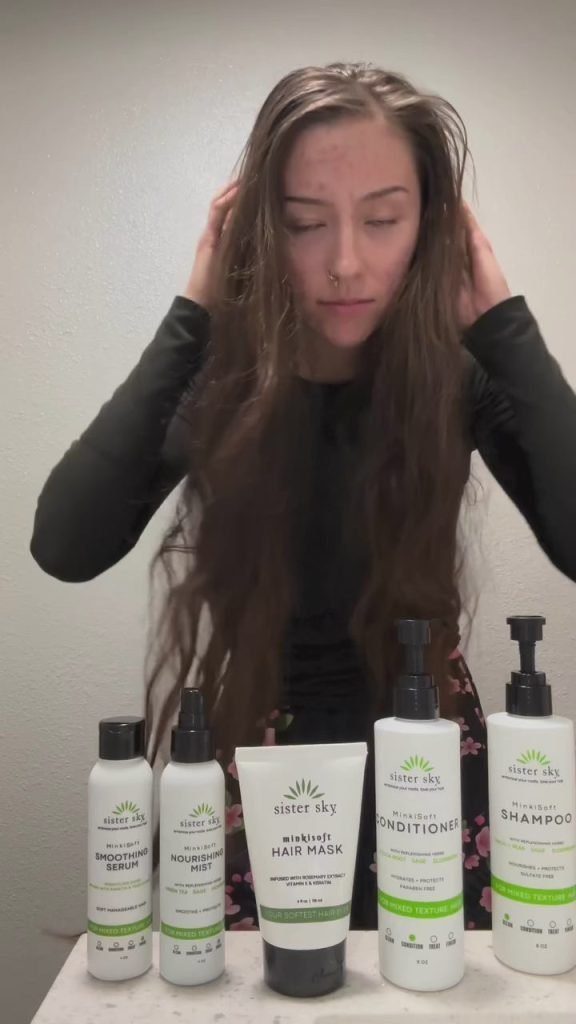
Have you ever wondered about the secrets behind the lush, healthy hair of American Indians? You’re not alone.
American Indian hair care is steeped in tradition, using natural ingredients that have been passed down through generations. These time-tested practices not only nourish the hair but also respect the environment. Imagine using age-old rituals that could transform your hair into its healthiest, most vibrant self.
By exploring these techniques, you can discover how to bring out the best in your hair without relying on synthetic products. Get ready to unlock the natural beauty secrets that have been cherished for centuries. Keep reading, and you’ll find out how to incorporate these powerful techniques into your own hair care routine.
Traditional Hair Care Practices
Traditional hair care practices among American Indian communities hold deep meaning and respect. These practices use natural elements and rituals passed down through generations. Hair is more than style; it connects identity, spirit, and culture.
Many tribes have unique ways to care for hair that honor their heritage. These methods focus on natural ingredients and sacred rituals. The care of hair reflects a bond with the earth and ancestors.
Natural Ingredients From The Land
American Indian hair care relies on plants, herbs, and oils found in nature. These ingredients nourish hair and scalp without harsh chemicals.
- Willow bark and sage cleanse and soothe the scalp.
- Sweetgrass and cedar bring fragrance and strength.
- Natural oils like jojoba and sunflower hydrate and protect hair.
- Herbal rinses promote healthy growth and shine.
Using these natural resources connects people to the land and its healing powers.
Sacred Hair Rituals
Hair care often involves spiritual practices and ceremonies. Hair is treated with respect as a part of the self and spirit.
- Brushing hair with care symbolizes cleansing and renewal.
- Braiding represents unity, strength, and cultural identity.
- Cutting hair may mark important life events or healing.
- Offerings and prayers accompany hair care rituals to honor ancestors.
These rituals strengthen the bond between individuals, community, and nature.
Cultural Significance Of Hair
Hair holds strong cultural meaning in many tribes. It represents pride, heritage, and personal stories.
- Long hair often symbolizes strength, wisdom, and spiritual power.
- Hairstyles can show tribal affiliation and social status.
- Hair care is a way to preserve traditions and pass values.
- Respect for hair reflects respect for oneself and the community.
Hair is a living connection to culture, history, and identity.

Credit: asiamnaturally.com
Herbal Remedies For Hair Health
Herbal remedies have deep roots in American Indian hair care traditions. These natural treatments promote strong, healthy hair without harsh chemicals. Using plants and oils nurtures the scalp and hair strands gently. This approach supports hair growth, shine, and scalp health.
Healing Plants And Their Uses
- Willow Bark:Cleanses scalp and reduces itchiness.
- Sweetgrass:Strengthens hair follicles and adds shine.
- Yarrow:Soothes scalp irritation and prevents dandruff.
- Red Cedar:Protects hair from damage and promotes growth.
- Blueberry Leaves:Nourish hair and improve scalp circulation.
Diy Herbal Hair Treatments
Preparing herbal hair treatments is simple and effective. Boil herbs like willow bark or yarrow to make a rinse. Use the liquid after shampooing to soothe and strengthen hair. Mix powdered herbs with water or oils to create a hair mask. Apply the mask to the scalp and hair for 15-20 minutes. Rinse with cool water to lock in moisture.
Benefits Of Herbal Oils
- Moisturize dry hair and reduce breakage.
- Improve scalp health and prevent flaking.
- Enhance hair shine and softness naturally.
- Stimulate hair growth by nourishing follicles.
- Protect hair from environmental damage.
Hair Maintenance Techniques
Maintaining American Indian hair involves care techniques that honor both the hair’s strength and its natural texture. These methods focus on preserving moisture, preventing breakage, and respecting traditional practices. Your hair will feel healthier and stronger when you treat it with gentle attention and thoughtful care.
Gentle Washing Methods
Washing your hair gently helps keep its natural oils intact. Use lukewarm water and a mild, sulfate-free shampoo to avoid stripping moisture. Try rinsing your hair slowly, letting water run down the strands instead of rubbing vigorously.
Many people find that washing less often, such as once a week, keeps their hair from drying out. You might also experiment with natural cleansers like clay or herbal rinses, which have been used traditionally to clean hair without harsh chemicals.
Detangling Without Damage
Detangling wet hair can cause breakage, so be patient and use the right tools. Use a wide-tooth comb or your fingers to gently work through knots, starting at the ends and moving upwards.
Adding a natural oil or conditioner helps smooth the strands and makes detangling easier. Have you noticed how your hair responds when you slow down and treat each tangle carefully?
Protective Hairstyles
Protective hairstyles like braids, twists, or buns shield your hair from daily wear and tear. These styles reduce friction and help retain moisture, which is key for maintaining healthy hair.
Remember to avoid styles that pull too tightly, as they can cause tension and damage your scalp. Switching up your protective styles regularly keeps your hair resilient and prevents stress on the roots.

Credit: thetribeconcepts.com
Modern Adaptations Of Traditional Care
Modern adaptations of traditional American Indian hair care blend age-old practices with today’s lifestyle. These changes allow you to maintain cultural roots while meeting contemporary needs. The balance between respecting tradition and embracing innovation offers a fresh perspective on hair health.
Incorporating Ancient Wisdom Today
You can use traditional techniques like scalp massage with natural oils to stimulate growth and soothe the scalp. Many Native communities still rely on ingredients like sage, cedar, and sweetgrass for cleansing and protection.
Adding these herbs to your routine can bring both spiritual and physical benefits. Have you ever tried rinsing your hair with herbal infusions? It can improve shine and strengthen strands without harsh chemicals.
Combining Natural And Commercial Products
Many people mix traditional oils and herbs with modern shampoos and conditioners. This approach lets you enjoy the convenience of commercial products while preserving natural care elements.
For instance, applying jojoba oil after shampooing can lock in moisture. You might also find shampoos free of sulfates and parabens that support your hair’s natural balance.
- Use natural oils like argan or coconut as leave-in treatments.
- Choose sulfate-free shampoos to avoid stripping oils.
- Apply herbal rinses once or twice a week for scalp health.
Stories From Native Hair Care Experts
Many Native hair care experts share how they blend old and new methods to keep their hair strong. One storyteller mentioned using a cedar wood comb passed down through generations, combined with a gentle modern shampoo.
They emphasize listening to your hair’s needs and adapting routines accordingly. What if you tried a small change inspired by these stories? You might discover a method that truly suits your hair and honors tradition.
Nutrition And Lifestyle For Strong Hair
Strong, healthy hair starts from within. Nutrition and lifestyle play key roles in hair care. Traditional American Indian practices emphasize natural foods and balanced living. These habits support hair growth and maintain shine and strength. Understanding these elements can help nurture your hair naturally.
Foods That Support Hair Growth
Eating nutrient-rich foods strengthens hair follicles. Native diets often include:
- Fish, rich in omega-3 fatty acids
- Wild berries, full of antioxidants
- Leafy greens, packed with vitamins A and C
- Nuts and seeds, high in zinc and biotin
- Beans, a good source of protein and iron
These foods provide essential nutrients that promote healthy hair growth and prevent hair loss.
Hydration And Hair Health
Water intake impacts hair’s moisture and elasticity. Drinking enough water keeps the scalp hydrated and reduces dryness. Traditional herbal teas also support hydration and scalp health. Avoiding excessive caffeine helps maintain moisture balance. Proper hydration results in softer, shinier hair.
Stress Management And Hair
Stress can cause hair thinning and loss. Many American Indian traditions use meditation, dancing, and nature walks to reduce stress. These activities calm the mind and improve blood flow to the scalp. Managing stress protects hair health and promotes growth.

Credit: kinkytresses.com
Frequently Asked Questions
What Are Traditional American Indian Hair Care Practices?
Traditional American Indian hair care involves natural oils, herbs, and minimal heat styling. Hair is often washed with plant-based cleansers and conditioned with native oils like jojoba. These practices focus on maintaining hair strength and health, reflecting cultural respect and spiritual significance.
How Does Diet Influence American Indian Hair Health?
Diet rich in natural foods like fish, nuts, and berries supports strong hair. These foods provide essential vitamins and minerals that promote hair growth and shine. Traditional diets emphasize whole, unprocessed ingredients, contributing to overall hair vitality and scalp health.
Why Is Hair Spiritually Significant In American Indian Culture?
Hair is considered a sacred extension of self and spirit in many tribes. It symbolizes identity, strength, and connection to ancestors. Cutting or altering hair holds deep cultural meanings, often reserved for specific rituals or life events, reflecting respect and tradition.
What Natural Ingredients Are Used In American Indian Hair Care?
Common ingredients include sage, sweetgrass, cedar, and jojoba oil. These plants cleanse, protect, and nourish hair naturally. They are valued for their healing properties and are often incorporated into hair rinses, oils, and masks to maintain hair health and cultural heritage.
Conclusion
American Indian hair care holds deep cultural meaning. It connects people to their roots and traditions. Using natural ingredients helps keep hair healthy and strong. Simple routines honor heritage and respect nature. Everyone can learn from these ancient practices. Caring for hair is more than looks.
It tells stories of identity and pride. Embrace these traditions with patience and love. Your hair reflects history and strength. Keep these customs alive for future generations.
