
Facing a toenail removal can be daunting, but your recovery doesn’t have to be. Whether it’s due to an injury, infection, or a medical condition, ensuring proper aftercare is crucial for a smooth healing process.
Imagine walking comfortably again, free from pain or complications. This guide is designed just for you, with simple steps and expert tips that will empower you to take charge of your recovery. You’ll find out exactly what to do, what to avoid, and how to ensure your toe heals correctly.
Keep reading to discover how you can make your post-surgery experience as painless and effective as possible, and reclaim your comfort quickly.

Credit: www.londonfootandanklesurgery.co.uk
Immediate Care After Toe Nail Removal
Immediate care after toe nail removal plays a vital role in healing. This stage helps prevent infection and reduces discomfort. Taking the right steps right after surgery supports faster recovery.
Managing Bleeding And Pain
Stop bleeding by gently pressing a clean cloth or gauze on the toe. Keep the foot elevated to lower blood flow to the area. Use over-the-counter pain medicine as advised by your doctor. Avoid tight shoes that may press on the wound.
Cleaning The Wound
Keep the wound clean to avoid infection. Use warm water and mild soap to wash around the toe carefully. Pat dry with a soft towel. Do not soak the toe in water until your doctor says it is safe.
Applying Dressings
Cover the wound with a sterile dressing to protect it. Change the dressing daily or if it becomes wet or dirty. Use medical tape to secure the dressing without cutting off circulation. Check the toe for signs of infection like redness or swelling.
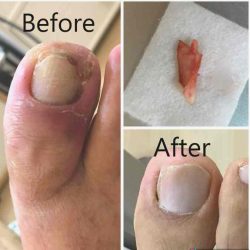
Credit: feetfirstpodiatry.com.sg
Preventing Infection
Preventing infection is the most crucial part of aftercare for toe nail removal. Your body needs a clean and safe environment to heal properly. Ignoring this can lead to pain, swelling, and longer recovery times.
Signs Of Infection To Watch
Keep an eye out for redness that spreads beyond the wound area. Swelling that doesn’t go down after a couple of days is a warning sign. If you notice pus, increased pain, or a foul smell, these are clear indicators of infection.
Fever or chills are more serious symptoms that mean you should contact your doctor immediately. Don’t wait and hope it will get better on its own—early action can prevent complications.
Using Antibiotic Ointments
Applying an antibiotic ointment can be a simple yet effective way to keep bacteria at bay. Use it as directed by your healthcare provider, usually after cleaning the area gently with saline or water.
A thin layer is enough; too much ointment can trap moisture and promote bacterial growth. Remember to wash your hands before and after application to avoid introducing new germs.
Maintaining Hygiene
Wash your hands thoroughly before touching your toe or changing dressings. Keep the wound covered with a clean, breathable bandage to protect it from dirt and sweat.
Change the dressing daily, or more often if it gets wet or dirty. Avoid soaking your foot in water until your doctor says it’s safe—moist environments can slow healing and increase infection risk.
Pain Management Strategies
Pain after toe nail removal can be uncomfortable but manageable. Understanding pain management strategies helps you heal smoothly. The right steps reduce pain and support recovery. Use simple and safe methods to ease discomfort.
Over-the-counter Medications
Pain relief often starts with over-the-counter (OTC) medicines. Common options include ibuprofen and acetaminophen. These help reduce pain and swelling. Follow the instructions on the package carefully. Avoid taking more than the recommended dose. Keep medicines out of reach of children.
Cold Compress Benefits
Applying a cold compress helps numb the pain. It also lowers swelling around the toe. Use an ice pack wrapped in a cloth. Apply it to the area for 15 minutes at a time. Take breaks between applications to avoid skin damage. Repeat several times a day for best results.
When To Seek Medical Help
Some pain is normal, but watch for warning signs. Contact a doctor if you notice:
- Severe or worsening pain not eased by medication
- Redness spreading beyond the toe
- Heavy bleeding or pus from the wound
- Fever or chills after the procedure
- Difficulty walking or putting weight on the foot
Early medical help prevents complications and speeds healing.
Promoting Faster Healing
Promoting faster healing after toe nail removal is essential for comfort and recovery. Proper care helps prevent infection and reduces pain. Simple actions can support your body’s natural healing process. Focus on rest, protection, and good nutrition to recover well.
Rest And Elevation
Resting the foot is crucial. Avoid walking or standing for long periods. Elevate the foot above heart level. Use pillows to prop it up while lying down. Elevation reduces swelling and improves blood flow. This helps the tissue heal quicker and with less pain.
Avoiding Pressure On The Toe
Keep pressure off the affected toe. Wear loose, open shoes or sandals. Avoid tight socks or footwear. Do not press or rub the toe. Protect it from bumps or injuries. Using a soft bandage can cushion the area. This prevents irritation and speeds recovery.
Nutrition Tips For Recovery
Good nutrition boosts healing. Eat foods rich in protein like chicken, fish, or beans. Protein repairs damaged tissues. Include fruits and vegetables high in vitamins C and A. These vitamins help skin and immune health. Drink plenty of water to stay hydrated. Avoid sugary and processed foods that slow healing.
Activity And Footwear Guidelines
After toe nail removal, how you manage your daily activities and footwear plays a big role in your healing process. Moving too quickly or wearing the wrong shoes can cause pain or delay recovery. Paying attention to what you wear and how you move can protect your toe and help you get back on your feet sooner.
Recommended Footwear
Choose shoes that offer plenty of room around the toe area. Avoid tight or pointed shoes that squeeze your toe. Soft, open-toed sandals or shoes with adjustable straps work best in the first few weeks.
Look for shoes with a firm sole that protects your foot but doesn’t put pressure on the healing area. If your doctor suggests a special post-op shoe, use it as directed. Your comfort and safety should guide your footwear choices.
Resuming Physical Activities
Don’t rush back into exercise or strenuous activities. Start with gentle walking and increase your pace only when you feel no pain or discomfort. Ask yourself: is my toe ready to handle more stress?
Swimming or cycling can be good low-impact options once your doctor gives the green light. Avoid running or jumping until your toe feels strong and your wound is fully healed. Moving too soon can cause setbacks.
Protecting The Toe During Healing
Keep your toe clean and covered with a sterile dressing, especially when you’re active. Use protective padding or toe guards if your toe is exposed or vulnerable.
Be mindful of environments where dirt or bacteria might enter the wound. If you bump or stub your toe, pause and check for increased pain or swelling. Protecting the toe means listening closely to your body’s signals every day.
Follow-up Care
Follow-up care after toe nail removal is important to ensure proper healing. It helps prevent infection and reduces pain. Paying attention to your wound and dressing is key. Regular check-ins with your doctor support a smooth recovery.
When To Change Dressings
Change dressings as advised by your doctor or nurse. Usually, the first dressing stays on for 24 to 48 hours. After that, clean the area gently before applying a new dressing. Use sterile materials to avoid infection. Watch for any signs of bleeding or swelling. If the dressing becomes wet or dirty, change it immediately.
Monitoring Healing Progress
Check the wound daily for signs of healing. Look for less redness, swelling, and pain each day. A healthy wound may have some clear or light yellow fluid. Avoid thick, green, or foul-smelling discharge. Notice any increasing pain or redness spreading away from the wound. These signs need medical attention. Keep the foot elevated to reduce swelling. Follow care instructions closely to help skin grow back.
Doctor’s Appointments
Attend all scheduled follow-up visits with your doctor. These visits let the doctor check the healing process. The doctor may remove stitches or adjust your treatment. Report any unusual pain, fever, or discharge during visits. Your doctor can give advice on resuming activities. Timely appointments help prevent complications and speed recovery.

Credit: wisconsinfootandankleclinic.com
Frequently Asked Questions
How Should I Clean The Toe After Nail Removal?
Clean the toe gently with warm water and mild soap. Avoid soaking for long periods. Pat dry carefully to prevent infection.
When Can I Change The Bandage After Toe Nail Removal?
Change the bandage daily or if it becomes wet or dirty. Always wash hands before touching the wound to keep it sterile.
What Pain Relief Is Recommended After Toe Nail Removal?
Over-the-counter pain relievers like ibuprofen or acetaminophen help manage pain. Follow dosage instructions and consult a doctor if pain persists.
How Long Does Recovery Take After Toe Nail Removal?
Recovery typically takes 2 to 4 weeks. Avoid strenuous activities and follow aftercare instructions for faster healing.
Conclusion
Proper care after toe nail removal helps speed up healing. Keep the area clean and dry. Change dressings as your doctor advises. Avoid tight shoes to reduce pain and swelling. Take any prescribed medicine on time. Watch for signs of infection like redness or pus.
Rest and raise your foot when possible. Small steps lead to full recovery. Stay patient and follow the care tips. Your toe will feel better soon.
