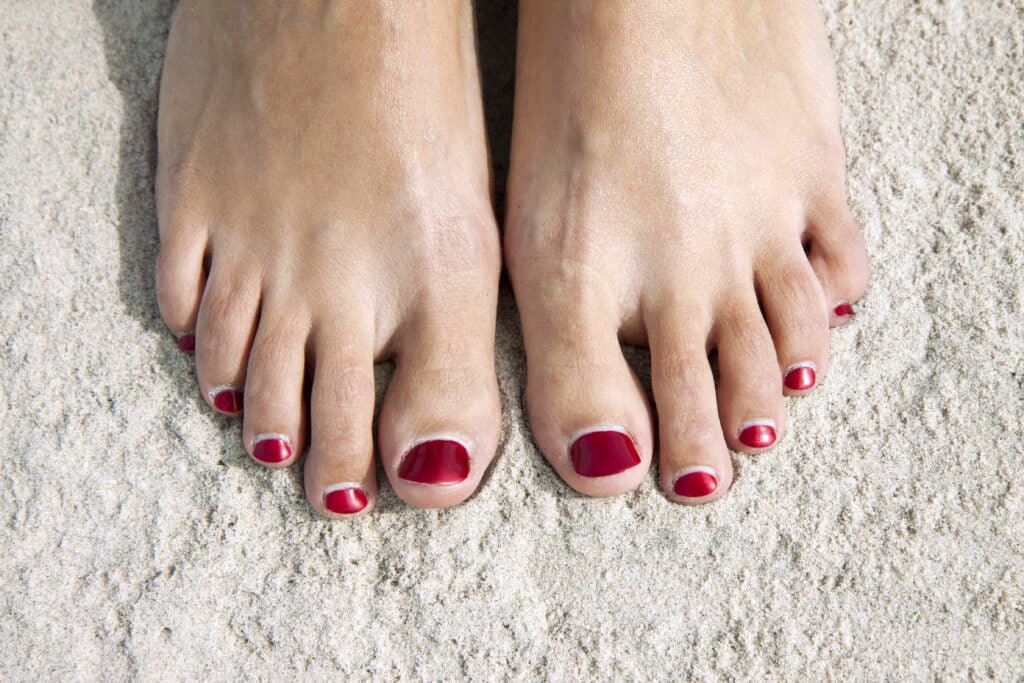
Imagine slipping off your shoes to reveal perfectly groomed toenails—clean, healthy, and a delight to show off. Toe nail care might seem like a minor detail, but it plays a crucial role in your overall foot health and confidence.
When you neglect your toenails, you invite a host of issues like infections, discomfort, and even unsightly appearances. But here’s the good news: achieving toenail perfection is easier than you think. You’ll discover simple yet effective tips to maintain your toenails, ensuring they look and feel their best.
Ready to step up your toe nail care game? Let’s dive into the secrets of healthy, beautiful toenails that you’ll be proud to flaunt.
Credit: physioed.com
Daily Nail Hygiene
Taking care of your toenails daily is more important than you might think. Simple habits can prevent discomfort and infections, keeping your feet healthy and looking their best. Let’s break down some practical ways to maintain clean, moisturized, and strong nails every day.
Cleaning Techniques
Keeping your toenails clean helps avoid fungal infections and unpleasant odors. Use a soft nail brush and warm water to gently scrub under your nails. Avoid harsh scrubbing; it can damage the nail bed and cuticles.
Try to clean your nails after a shower or bath when they are softer. This makes it easier to remove dirt without causing harm. Have you ever noticed how much grime builds up under nails after a day outside? Regular cleaning stops this buildup and keeps your feet fresh.
Moisturizing Tips
Dry nails are prone to cracking and splitting. Apply a moisturizer or natural oil, like coconut or almond oil, to your toenails and surrounding skin daily. This keeps the nails flexible and the skin smooth.
Don’t forget the cuticles—they protect the nail matrix and need hydration too. Massaging moisturizer into your nails before bedtime can improve absorption and nail health. Have you tried using lotion as part of your nighttime routine?
Avoiding Nail Damage
Damaged nails often result from improper cutting or wearing tight shoes. Trim your toenails straight across to avoid ingrown nails. Resist the urge to cut them too short or round the edges excessively.
Wearing shoes that fit well reduces pressure on your nails. If you notice any pain or redness around your nails, give your feet a break and inspect for signs of injury or infection. How often do you check your feet after long walks or workouts?
Proper Nail Trimming
Proper nail trimming keeps your toenails healthy and prevents pain or infections. Cutting nails correctly helps avoid ingrown nails and nail damage. It also makes your feet look neat and clean.
Choosing The Right Tools
Select tools made for toenails only. Use nail clippers or scissors with a sharp, curved edge. Avoid using regular scissors or kitchen knives. Clean tools before and after each use. This stops bacteria and fungi from spreading.
Trimming Frequency
Trim toenails every 4 to 6 weeks. Nails grow at different speeds for each person. Check nails regularly for signs of overgrowth or damage. Cutting too often can cause soreness. Waiting too long increases the risk of ingrown nails.
Shaping Nails Safely
Cut nails straight across to avoid ingrown edges. Do not cut nails too short or too close to the skin. Use a nail file to smooth sharp corners and edges. Avoid rounding the corners too much. Keep nails at a comfortable length to protect your toes.
Preventing Common Issues
Taking care of your toenails goes beyond just keeping them trimmed and neat. Preventing common toenail problems can save you from discomfort and costly treatments later. Understanding how to avoid issues like fungal infections, ingrown toenails, and discoloration empowers you to maintain healthy feet every day.
Fungal Infections
Fungal infections often start quietly but can spread quickly if ignored. Keeping your feet dry and clean is key because fungi thrive in moist environments. Change your socks daily and choose breathable shoes to reduce sweat buildup.
Have you ever noticed a yellow or crumbly nail? That’s often the first sign of fungus. Using antifungal powders or sprays after showering can help stop the fungus from taking hold. Avoid walking barefoot in public places like locker rooms or pools where fungi spread easily.
Ingrown Toenails
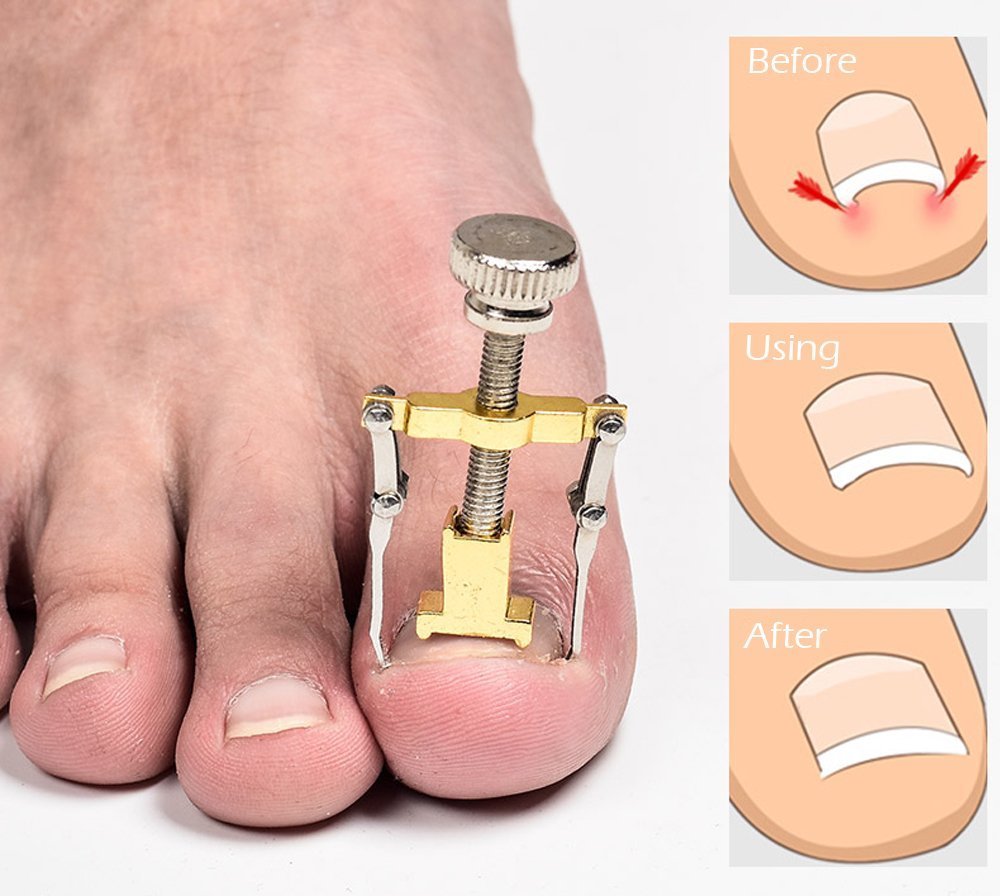
Ingrown toenails can be painful and limit your movement. Cutting your nails straight across rather than rounding the edges helps prevent the nail from digging into your skin. Don’t cut them too short either; leaving a little length reduces the risk.
Wearing shoes that fit well and give your toes enough room also reduces pressure on the nails. If you feel persistent pain or see swelling, don’t delay seeking care — letting it worsen can lead to infection. Have you ever ignored a small nail pain only to regret it later?
Toenail Discoloration
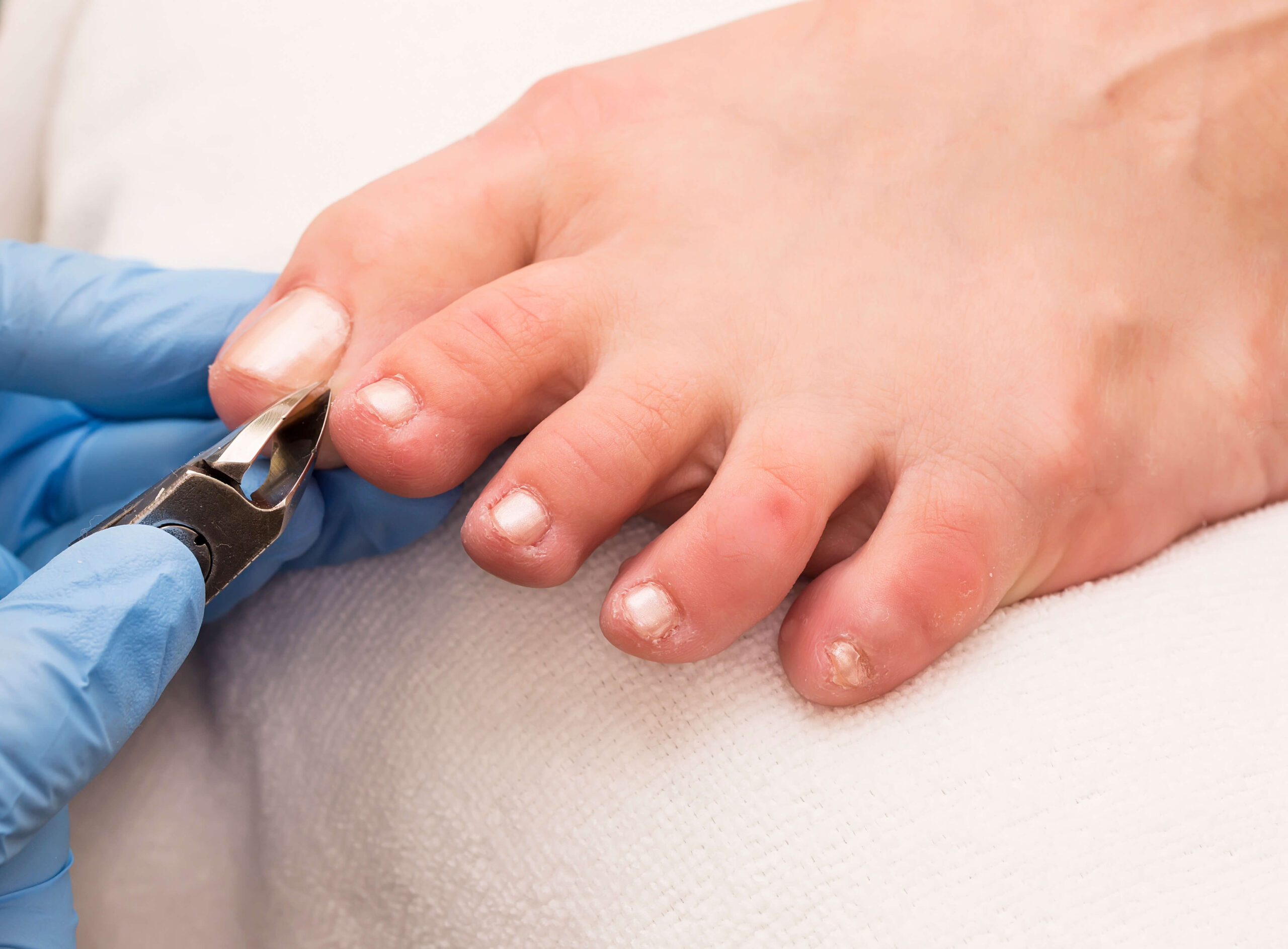
Discoloration might seem harmless but can indicate underlying problems. Dark spots under nails can come from minor injuries, but persistent changes may signal infection or health issues. Protect your toes from trauma by wearing sturdy shoes during activities.
Sometimes, nail polish or harsh chemicals cause staining. Giving your nails breaks from polish and using gentle, nail-friendly products helps maintain their natural color. Are you paying enough attention to what you put on your nails?
Credit: silverspringfootandankle.com
Choosing Footwear Wisely
Choosing the right footwear is a crucial part of maintaining healthy toenails. Shoes that don’t fit well or are made from the wrong materials can cause discomfort, lead to infections, or even damage your nails over time. Paying attention to how your shoes feel and what they’re made of can save you from many common foot problems.
Shoe Fit And Comfort
Your shoes should feel comfortable the moment you put them on. Don’t expect them to stretch or mold to your feet after long wear. Shoes that are too tight can pinch your toes, causing blisters or ingrown nails.
Try to shop for footwear in the afternoon when your feet are naturally a bit swollen. This helps you avoid buying shoes that become too tight later. Always leave about a half-inch space between your longest toe and the front of the shoe.
Breathable Materials
Footwear made from breathable materials like leather or mesh helps keep your feet dry and cool. Moist environments encourage fungal growth, which can harm your toenails.
Plastic or synthetic shoes trap moisture and heat, increasing the risk of infections. Have you noticed how your feet sweat more in certain shoes? That’s a sign to choose better materials.
Avoiding Pressure Points
Pressure points develop when shoes press too hard on specific areas of your feet. This constant pressure can lead to nail damage or deformities.
Look for shoes with soft, padded insoles and avoid high heels or narrow toe boxes that squeeze your toes. If you feel discomfort or redness after wearing certain shoes, it’s a warning sign to stop using them.
Nail Care Products
Choosing the right nail care products can make a big difference in the health and appearance of your toenails. These products help protect, nourish, and strengthen your nails, especially if you often wear shoes that crowd your toes or spend time in moist environments. Knowing what to use and how to use it keeps your nails looking their best and prevents common problems like brittleness or fungal infections.
Recommended Oils And Creams
Oils and creams are essential for keeping your toenails hydrated and flexible. Look for products with ingredients like jojoba oil, vitamin E, or tea tree oil. These not only moisturize but also fight bacteria and fungus.
Applying a few drops of oil daily can soften the nail cuticles and reduce cracking. Creams with urea or lactic acid gently exfoliate dead skin around the nails, making your feet feel smoother. Have you tried rubbing oil into your nails before bed? It’s a simple habit that shows noticeable results in weeks.
Using Nail Strengtheners
If your toenails are weak or prone to breaking, nail strengtheners can be a game changer. These products often contain proteins like keratin or calcium that reinforce the nail structure. You can apply them like polish, usually once or twice a week.
Pick a formula that suits your nail type—some are clear, while others add a glossy finish. Avoid strengtheners with harsh chemicals like formaldehyde, as they might cause more harm than good. How often do you inspect your nails for signs of weakness? Early care prevents bigger problems later.
Safe Nail Polish Use
Wearing nail polish can brighten your toes, but it’s important to choose safe options and use them wisely. Look for polishes labeled “3-free” or “5-free,” which means they avoid toxic chemicals like toluene and formaldehyde. These are better for your nail health and overall well-being.
Give your nails a break between polish applications to let them breathe and recover. Use a gentle, acetone-free remover to avoid drying out the nails. Have you noticed how your nails feel after weeks of constant polish? Taking care of them means enjoying color without damage.
When To See A Specialist
Knowing when to see a specialist for toenail care can save you from discomfort and more serious health issues. Ignoring warning signs might turn a simple problem into a painful condition. Pay attention to changes in your toenails and don’t hesitate to seek professional advice when needed.
Signs Of Infection
Infections often cause redness, swelling, and pain around the toenail. If you notice pus, warmth, or a bad smell, these are clear signals that an infection might be present. Ignoring these signs can lead to worsening pain or spread of the infection.
Have you ever had a toenail that became so painful you couldn’t wear shoes comfortably? That’s a strong hint that it’s time to see a specialist. Early treatment can prevent complications like abscesses or nail loss.
Persistent Nail Changes
Changes in nail color, thickness, or shape that don’t improve after a few weeks deserve professional attention. Yellow, brittle, or crumbly nails might indicate fungal infections or other underlying issues. If your nail is lifting or separating from the nail bed, don’t wait to get it checked.
Sometimes, these persistent changes can signal health conditions beyond your feet, such as psoriasis or diabetes. A specialist can help identify the root cause and provide targeted treatment.
Professional Treatments
Specialists offer treatments that go beyond basic home care. Options include prescription antifungal medications, nail debridement, or even minor surgical procedures for ingrown nails. These treatments are tailored to your specific condition and can speed up healing.
Would you rather struggle with uncomfortable nails or get expert care that brings relief? Scheduling a visit to a specialist can make a significant difference in your nail health and overall comfort.
Credit: www.ebay.com
Frequently Asked Questions
How Often Should I Trim My Toenails?
Trim your toenails every 4 to 6 weeks to maintain proper nail health. Regular trimming prevents ingrown nails and infections. Always cut straight across and avoid cutting too short to protect the nail bed.
What Is The Best Way To Clean Toenails?
Clean toenails gently using warm water and mild soap daily. Use a soft brush to remove dirt beneath the nails. Dry thoroughly to prevent fungal infections and maintain healthy nails.
How Can I Prevent Toenail Fungal Infections?
Keep feet dry and clean to prevent fungal infections. Wear breathable shoes and change socks regularly. Avoid walking barefoot in public places like pools or gyms. Use antifungal sprays if prone to infections.
Are There Signs Of Unhealthy Toenails To Watch For?
Watch for discoloration, thickening, or crumbling toenails as unhealthy signs. Pain, swelling, or foul odor may indicate infection. Seek medical advice if symptoms persist to avoid complications.
Conclusion
Taking care of your toenails keeps feet healthy and strong. Clean nails prevent infections and discomfort. Trim nails straight to avoid ingrown problems. Moisturize skin around nails to stop dryness. Wear comfortable shoes that fit well. Check feet regularly for any changes or pain.
Simple steps make a big difference daily. Healthy toenails add to overall foot comfort. Start caring today for happy, pain-free feet. Small efforts bring lasting nail health.