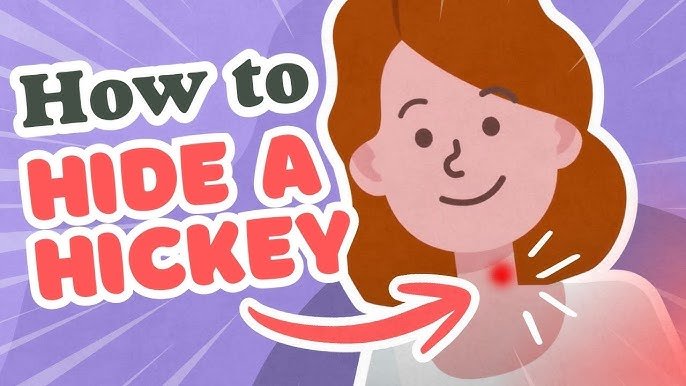
You woke up this morning and there it is, a hickey—a not-so-welcome souvenir from last night. Whether you’re heading to work, meeting friends, or spending time with family, you might not want this little mark to be the center of attention.
But don’t worry, you’re not alone, and you don’t have to stress about it. With the right makeup techniques, you can easily hide that hickey and carry on with your day confidently. Imagine the peace of mind knowing that your secret is safe and you’re in control.
Ready to discover the magic of makeup and how it can save the day? Let’s dive in and transform that hickey into your little secret.

Credit: www.youtube.com
Choosing The Right Products
Choosing the right products is key to hiding a hickey effectively. The right makeup can cover the mark while keeping your skin looking natural. Picking products made for covering redness and bruises works best.
Products with good coverage and long-lasting formulas help keep the hickey hidden all day. Using the correct tools in the right order also matters. Start with color correctors, then move to concealers, and finish with setting powders or sprays.
Color Correctors For Redness
Color correctors neutralize the red or purple tones of a hickey. Green correctors work well to cancel out redness. Peach or orange correctors help with darker bruises on lighter skin. Use a small amount and blend it gently on the hickey. This step creates a smooth base for the concealer.
Concealers With Full Coverage
Full coverage concealers hide the hickey’s color and shape. Choose a concealer that matches your skin tone closely. Cream or stick concealers provide thicker coverage. Apply in thin layers and blend the edges softly. Build coverage only where needed for a natural look.
Setting Powders And Sprays
Setting powders lock the makeup in place and reduce shine. Use a translucent powder to avoid changing the color. Apply lightly with a fluffy brush to avoid wiping off the concealer. Setting sprays add extra hold and keep makeup fresh longer. Use a fine mist spray for even coverage.
Credit: www.lemon8-app.com
Preparing The Skin
Getting your skin ready before applying makeup to hide a hickey is key to achieving a flawless finish. If you skip this step, the makeup might look cakey or uneven, drawing more attention rather than covering the mark. Preparing your skin properly sets the stage for smooth, long-lasting coverage.
Cleaning And Moisturizing
Start by gently cleaning the area with a mild cleanser to remove oils and dirt. This helps the makeup stick better and prevents it from sliding off during the day.
After cleansing, apply a lightweight moisturizer that suits your skin type. Moisturizing prevents dryness and flakiness, which can make the hickey more noticeable under makeup.
Have you ever noticed how makeup can crack or peel if your skin is dry? Moisturizing is a simple step that avoids this problem entirely.
Priming For Smooth Application
Using a primer specifically designed for your skin type creates a smooth base for concealer and foundation. It fills in tiny lines and uneven texture, helping the makeup blend seamlessly.
Focus on applying a bit more primer directly over the hickey to create an even surface. This extra step can make a big difference in hiding the discoloration.
Think about how much easier it is to paint on a smooth wall rather than a rough one. Primer does the same for your skin.
Step-by-step Makeup Application
Covering a hickey with makeup can feel tricky, but breaking it down into clear steps makes the process manageable. Each layer you apply plays a specific role in hiding the discoloration and blending it seamlessly with your skin tone. Let’s walk through the essential steps that will help you conceal that mark effectively and boost your confidence.
Applying Color Corrector
Start by choosing a color corrector that neutralizes the purple or red tones of the hickey. Peach or orange shades work best for darker skin, while a soft yellow corrector suits lighter skin tones. Dab a small amount directly on the hickey using a clean fingertip or a brush.
Pat the product gently instead of rubbing to avoid irritating the skin or spreading the color outside the mark. Ask yourself, does the corrector completely cancel out the discoloration? If not, add a tiny bit more until the tone looks balanced but not overdone.
Layering Concealer
After the corrector sets, apply a concealer that matches your natural skin color. Use a concealer with good coverage but a lightweight formula to avoid cakiness. Apply it in thin layers, starting with a small amount and building coverage only where it’s needed.
Focus on gently tapping the concealer onto the corrected area rather than dragging it across the skin. This helps maintain the coverage and prevents mixing with the color corrector underneath. Wondering how much concealer is enough? Less is more here—aim for a natural finish that blends perfectly.
Blending Techniques
Blending is key to making the makeup look natural and invisible. Use a damp makeup sponge or a soft brush to blend the edges of the concealer into your surrounding skin. Blend with light tapping motions instead of swiping to keep the coverage intact.
Check your work in different lighting—natural daylight is best—to ensure the makeup doesn’t stand out. Have you tried blending with your fingers? Sometimes the warmth of your skin helps melt the product in better than tools.
Setting The Makeup
Lock your hard work in place with a setting powder. Choose a translucent powder to avoid altering the color of your concealer. Lightly press the powder over the covered area with a fluffy brush or a powder puff.
Avoid using too much powder, as this can make the skin look dry or cakey. Finally, consider a setting spray for long-lasting wear, especially if you’ll be out all day. Do you notice how setting your makeup prevents it from rubbing off on clothes or fading quickly?
Additional Tips For Better Coverage
Covering a hickey with makeup can sometimes feel tricky, especially if the mark is fresh and bold. Beyond just applying concealer or foundation, using additional tricks can make your coverage much more effective. These little extras help your makeup blend in naturally and keep the hickey hidden longer.
Clothing And Accessories To Help
Choosing the right clothes can instantly draw attention away from a hickey. High-collared shirts, turtlenecks, or scarves are great options to shield the area without making you feel uncomfortable.
Try layering a lightweight scarf in a complementary color to your outfit. It not only covers the mark but also adds style. Have you ever noticed how a simple accessory can change the focus of a whole look?
Using Hairstyles To Conceal
Your hair can be a powerful tool for hiding a hickey, especially if it falls near your neck or jawline. Wearing your hair down or styling it in loose waves can naturally cover the spot.
If your hair is short, consider clipping it forward slightly or using a headband to direct attention elsewhere. Small changes in your hairstyle can make a big difference in concealing unwanted marks.
When To Use Tinted Moisturizers
Tinted moisturizers offer light coverage and hydration, making them perfect for days when the hickey isn’t too dark. They blend better with your natural skin tone and avoid the cakey look that heavy concealers sometimes create.
Apply tinted moisturizer with your fingers in gentle tapping motions to build coverage gradually. Have you tried mixing a tiny amount of concealer with your tinted moisturizer? It creates a smoother finish and better color match.
Common Mistakes To Avoid
Hiding a hickey with makeup might seem straightforward, but many slip up by making common mistakes that actually draw more attention. Avoiding these pitfalls will help you achieve a natural, flawless look. Let’s look at the key errors you should steer clear of to keep your cover-up convincing.
Overusing Products
It’s tempting to pile on concealer or foundation to mask a hickey, but too much product makes the area look cakey and unnatural. Heavy layers can actually highlight the mark rather than hide it. Try applying thin layers and build coverage gradually—this keeps your skin looking smooth and real.
Think about your last time using makeup: did you feel the need to add more because the first layer didn’t work? Sometimes less is more, especially with problem spots like hickeys.
Ignoring Skin Type
Your skin type plays a big role in how makeup sits and lasts. If you have oily skin, creamy concealers might slide off quickly, making the hickey reappear. Dry skin, on the other hand, can flake if you use thick, heavy products.
Choose formulas that match your skin’s needs—matte, oil-free products for oily skin and hydrating, lightweight ones for dry skin. Are you selecting products based on your skin type or just grabbing whatever’s at hand?
Skipping Setting Steps
Once you apply concealer or foundation, skipping the setting step can cause your hard work to fade fast. Without a setting powder or spray, makeup tends to smudge or wear off within a few hours. This leaves your hickey partially visible and defeats the purpose.
Make it a habit to gently set your makeup with translucent powder and finish with a setting spray for long-lasting coverage. Have you ever checked your reflection after a few hours to see if your cover-up held up?
Credit: themombeauty.com
Frequently Asked Questions
How Can I Quickly Hide A Hickey With Makeup?
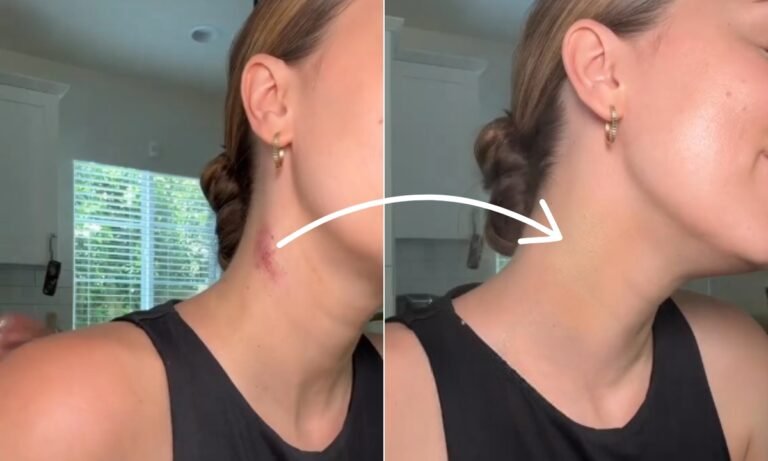
Use a green color corrector to neutralize redness first. Then, apply a full-coverage concealer matching your skin tone. Blend the edges well and set with translucent powder to avoid smudging. This technique effectively camouflages a hickey for a natural look.
What Makeup Products Work Best To Cover Hickeys?
A green color corrector, a creamy concealer, and translucent setting powder work best. These products neutralize redness, provide coverage, and keep makeup intact. Choose long-lasting, waterproof formulas for better results throughout the day.
Can Foundation Alone Hide A Hickey Effectively?
Foundation alone usually doesn’t provide enough coverage for hickeys. Combining foundation with a color corrector and concealer gives better results. This layered approach ensures the hickey is fully concealed and looks natural.
How Do I Prevent Makeup From Rubbing Off On Hickeys?
Set makeup with a translucent powder after application to prevent rubbing off. Use a setting spray for extra hold. Avoid touching the area throughout the day to maintain coverage.
Conclusion
Hiding a hickey can be simple with the right makeup tricks. Use color correctors to cancel out redness first. Apply foundation or concealer to blend the area smoothly. Set with powder to keep makeup in place all day. Choose products that match your skin tone well.
Practice gently for natural-looking results without caking. Remember, small steps make a big difference in coverage. Confidence grows when you feel comfortable in your skin. Try these tips anytime you need quick hickey cover-up.
