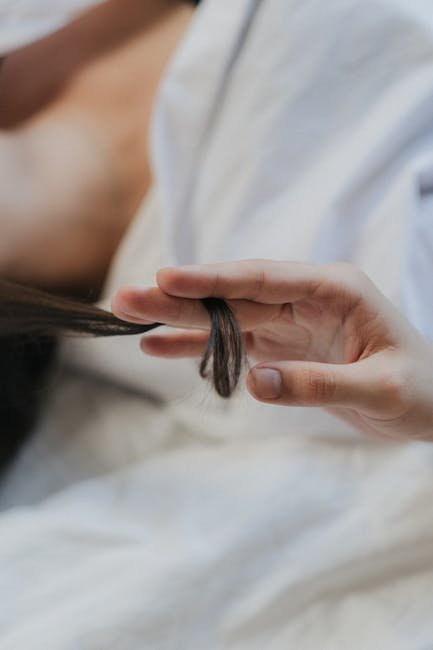
Have you ever glanced in the mirror and wished your hair felt healthier, shinier, or just more manageable? You’re not alone.
Hair is one of the first things people notice, and it plays a big role in how you feel about yourself. The good news is that achieving beautiful, healthy hair isn’t as complicated as you might think. With the right care, your hair can transform, reflecting your inner confidence and vitality.
Imagine running your fingers through silky, strong strands, or styling your hair with ease because it’s just that manageable. In this guide, we’re diving into simple, effective ways to care for your hair. You’ll discover tips that are easy to follow, and you’ll see results that make you smile every time you catch your reflection. So, are you ready to unlock the secrets to stunning hair? Let’s get started.
Daily Hair Care Habits
Daily hair care habits keep hair healthy and strong. Small changes in your routine help maintain shine and softness. Consistent care prevents damage and supports growth. Focus on gentle cleansing and moisturizing. Avoid harsh treatments that dry out hair.
Choosing The Right Shampoo And Conditioner
Select products made for your hair type. For dry hair, pick moisturizing formulas. Oily hair needs shampoos that control oil without stripping moisture. Use conditioner to add softness and reduce breakage. Avoid heavy products if your hair is fine or thin.
Proper Washing Techniques
Wet hair with warm water before applying shampoo. Use a small amount of shampoo and massage gently into scalp. Rinse thoroughly to remove all product. Apply conditioner mainly to the ends, not the scalp. Leave conditioner on for a few minutes, then rinse well.
Avoiding Overwashing
Washing hair too often removes natural oils. These oils protect and nourish hair strands. Aim to wash hair two to three times a week. Use dry shampoo between washes to keep hair fresh. Listen to your hair’s needs and adjust washing frequency.

Credit: theradome.com
Nourishing Hair From Within
Healthy hair starts deep inside your body. Nourishing your hair from within means giving it the right fuel to grow strong and shine naturally. What you eat and how you hydrate can change the way your hair looks and feels every day.
Essential Nutrients For Hair Health
Your hair needs certain nutrients to stay healthy. Protein is a key building block because hair is mostly made of it. Without enough protein, your hair can become weak and break easily.
Iron helps carry oxygen to hair follicles, keeping them alive and active. Vitamin C supports iron absorption and strengthens hair. Omega-3 fatty acids add moisture and shine, preventing dry, brittle strands.
- Biotin helps with hair growth and reduces hair fall.
- Zinc supports scalp health and repair.
- Vitamin A keeps hair moisturized.
Have you ever noticed your hair thinning after a poor diet? That’s because missing these nutrients can directly affect hair strength and growth.
Hydration And Its Impact
Water is often overlooked in hair care. Yet, staying hydrated keeps your hair hydrated from the inside out. Dry hair can be brittle and prone to breakage, but proper hydration helps maintain elasticity.
Drinking enough water improves scalp health, reducing dryness and flakiness. It also supports the delivery of nutrients to hair cells, making each strand stronger.
Try to drink at least eight glasses of water daily. Notice how your hair feels softer and looks more vibrant when you stay well-hydrated.
Supplements Worth Considering
Sometimes, diet and hydration might not be enough. Supplements can fill nutrient gaps and support hair growth effectively. Biotin, collagen, and vitamin D supplements are popular choices for boosting hair health.
Before starting any supplement, consider a simple blood test to check for deficiencies. This ensures you only take what your body truly needs.
Remember, supplements work best alongside a balanced diet and good hydration. What changes have you seen after trying supplements for your hair?
Protecting Hair From Damage
Protecting your hair from damage is essential for maintaining its health and shine. Daily habits and environmental factors can take a toll on your strands without you even realizing it. Paying attention to how you treat your hair can prevent breakage, dryness, and split ends.
Heat Styling Best Practices
Heat can cause serious damage to your hair if not handled properly. Always use a heat protectant spray before styling with tools like straighteners or curling irons. Lower the temperature setting on your devices; high heat might speed up styling but often leads to dryness and breakage.
Try to limit heat styling to a few times a week instead of daily. Air drying or using a blow dryer on a cool setting can help reduce heat exposure. Have you ever noticed your hair feeling brittle after frequent heat styling? That’s a clear sign to cut back and protect your strands.
Chemical Treatments To Avoid
Chemical treatments such as bleaching, perming, and frequent dyeing can weaken your hair structure. These processes strip away natural oils and break down proteins in your hair, leading to long-term damage. If you must color your hair, opt for ammonia-free dyes or try semi-permanent options that are less harsh.
Consider extending the time between treatments to give your hair a chance to recover. Deep conditioning masks can help restore moisture after chemical exposure. What’s the last chemical treatment you did, and did you notice any change in your hair’s texture afterward?
Sun And Environmental Protection
The sun’s UV rays don’t just harm your skin—they can also damage your hair. Prolonged exposure can make hair dry, brittle, and faded in color. Wearing a hat or using hair products with UV protection when you’re outdoors can shield your hair from these effects.
Pollution and harsh weather also contribute to hair damage. Washing your hair regularly helps remove dirt and pollutants but avoid over-washing, which can strip natural oils. How often do you protect your hair from the sun and environment during your daily activities?
:max_bytes(150000):strip_icc()/VWH-GettyImages-2148951722-f90212e183a94ebe9b912152d7d64882.jpg)
Credit: www.verywellhealth.com
Effective Hair Masks And Treatments
Effective hair masks and treatments restore shine, strength, and moisture. They repair damage caused by heat, chemicals, and pollution. Choosing the right mask improves hair texture and reduces breakage. Consistent care with masks can bring life back to dull, dry hair.
Diy Natural Masks
Natural ingredients nourish hair gently and cost less. Simple kitchen items make great masks.
- Avocado and honey:Moisturizes dry, brittle hair deeply.
- Yogurt and egg:Adds protein and smooths frizz.
- Coconut oil and aloe vera:Soothes scalp and strengthens strands.
Mix ingredients well and apply from roots to tips. Leave on for 20-30 minutes, then rinse with cool water.
Professional Treatment Options
Salons offer treatments targeting specific hair needs. These use advanced formulas and techniques.
- Keratin treatment:Smooths hair and reduces frizz for weeks.
- Deep conditioning:Repairs damage with rich, hydrating products.
- Scalp treatments:Cleanse and stimulate hair growth.
Professional care can deliver faster and longer-lasting results than home masks.
Frequency And Application Tips
Applying masks correctly boosts their benefits. Follow these tips for best results.
- Use masks 1-2 times a week depending on hair type.
- Apply to clean, damp hair for better absorption.
- Focus on damaged areas like ends and dry spots.
- Cover hair with a shower cap to trap heat.
- Rinse thoroughly with lukewarm water to avoid residue.
Consistency helps maintain healthy, shiny hair over time.
Choosing The Right Hairstyling Products
Choosing the right hairstyling products can make a huge difference in how your hair looks and feels every day. The market is flooded with options, but not all products work well for every hair type or style. Knowing what to pick helps you avoid damage and keeps your hair healthy and vibrant.
Products For Shine And Strength
Look for products that offer both shine and strength to keep your hair healthy and attractive. Ingredients like keratin, argan oil, and vitamin E help reinforce your hair’s natural structure while adding a glossy finish.
For example, a lightweight serum with argan oil can smooth frizz and add shine without weighing your hair down. If you want more hold and protection, choose styling creams or sprays enriched with keratin to strengthen strands against heat and environmental stress.
Avoiding Harmful Ingredients
Not all hairstyling products are safe for your hair. Avoid those with high alcohol content, sulfates, and harsh chemicals that dry out your scalp and damage hair over time.
Check product labels carefully. If you see ingredients like isopropyl alcohol or sodium lauryl sulfate near the top, it’s a red flag. Instead, opt for products labeled as sulfate-free, paraben-free, or made with natural oils and extracts.
How To Layer Products Properly
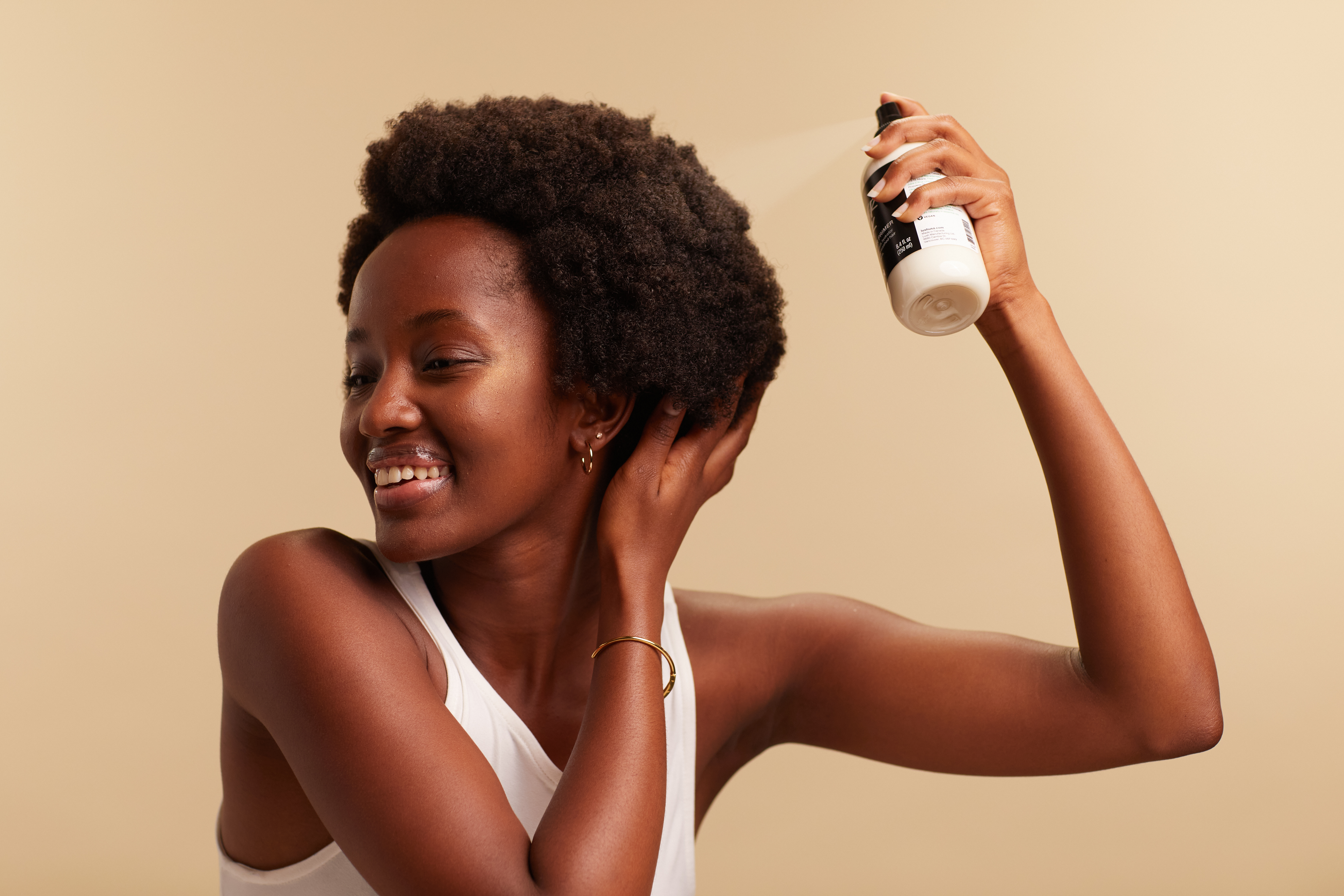
Applying multiple hairstyling products can enhance your look but only if you layer them correctly. Start with the lightest product, such as a leave-in conditioner or serum, to hydrate and protect your hair.
Next, add styling creams or mousses for volume and texture. Finish with hairspray or a finishing spray to lock in your style without stiffness. This order helps each product work effectively without causing buildup or greasiness.
Credit: www.lush.com
Hair Care Tips For Different Hair Types
Understanding how to care for your hair based on its type can make a huge difference in its health and appearance. Different hair textures have unique needs, so what works for one person might not work for you. Let’s look at practical tips for caring for curly and wavy hair, straight hair, and fine or thin hair.
Curly And Wavy Hair Care
Curly and wavy hair tends to be drier because natural oils from the scalp have a harder time traveling down the hair shaft. You need to add moisture regularly to keep curls defined and frizz-free.
- Use sulfate-free shampoos that don’t strip natural oils.
- Condition deeply at least once a week to keep curls hydrated.
- Try applying leave-in conditioner or curl cream while hair is damp.
- Instead of towel-drying, gently scrunch your hair with a microfiber towel or an old T-shirt to reduce breakage.
Have you noticed that your curls respond better to certain products? Pay attention to how your hair feels after each wash and adjust your routine accordingly.
Straight Hair Maintenance
Straight hair often looks shiny because oils travel easily from the scalp to the ends. However, it can get greasy quickly and lose volume.
- Wash your hair regularly but avoid over-washing to prevent dryness.
- Use lightweight conditioners only on the ends to avoid weighing hair down.
- Try dry shampoo between washes to keep your hair fresh without stripping natural oils.
- Regular trims help prevent split ends and keep your hair looking healthy.
Does your straight hair feel flat by midday? Experiment with texturizing sprays or light mousses to add lift without heaviness.
Managing Fine Or Thin Hair
Fine or thin hair can break easily and tends to look limp. The key is to protect your strands and add volume without causing damage.
- Choose gentle shampoos that add volume but don’t contain heavy silicones.
- Use conditioners sparingly, focusing on the tips rather than the scalp.
- Avoid heavy styling products that weigh hair down.
- Consider using volumizing sprays or root-lifting techniques to boost body.
- Be careful with heat styling; always use heat protectant sprays.
Have you ever noticed how your hair reacts differently after certain products? Trying a few options will help you find what makes your fine hair look fuller and healthier.
Frequently Asked Questions
How Often Should I Wash My Hair For Best Care?
Washing hair 2-3 times a week balances cleanliness and natural oils. Over-washing can cause dryness. Choose a gentle shampoo suitable for your hair type to maintain healthy scalp and hair.
What Are The Best Natural Oils For Hair Care?
Coconut, argan, and jojoba oils nourish hair deeply. They improve moisture, reduce frizz, and add shine. Regular oiling strengthens hair strands and promotes scalp health naturally.
How Can I Prevent Hair Damage From Heat Styling?
Use a heat protectant spray before styling. Limit heat exposure and choose lower temperatures. Regular breaks from heat tools help maintain hair strength and prevent breakage.
What Diet Supports Healthy Hair Growth?
Eating protein-rich foods, vitamins A, C, D, and E, and omega-3 fatty acids promote hair health. Hydration and balanced nutrition improve hair strength and shine from within.
Conclusion
Healthy hair needs care every day. Clean hair feels fresh and looks bright. Use gentle shampoo and conditioner. Avoid heat and harsh chemicals often. Eating good food helps hair grow strong. Drink water to keep hair hydrated. Trim hair regularly to prevent split ends.
Protect hair from sun and dust. Simple habits make hair soft and shiny. Take small steps for better hair health. Your hair will thank you with beauty.
