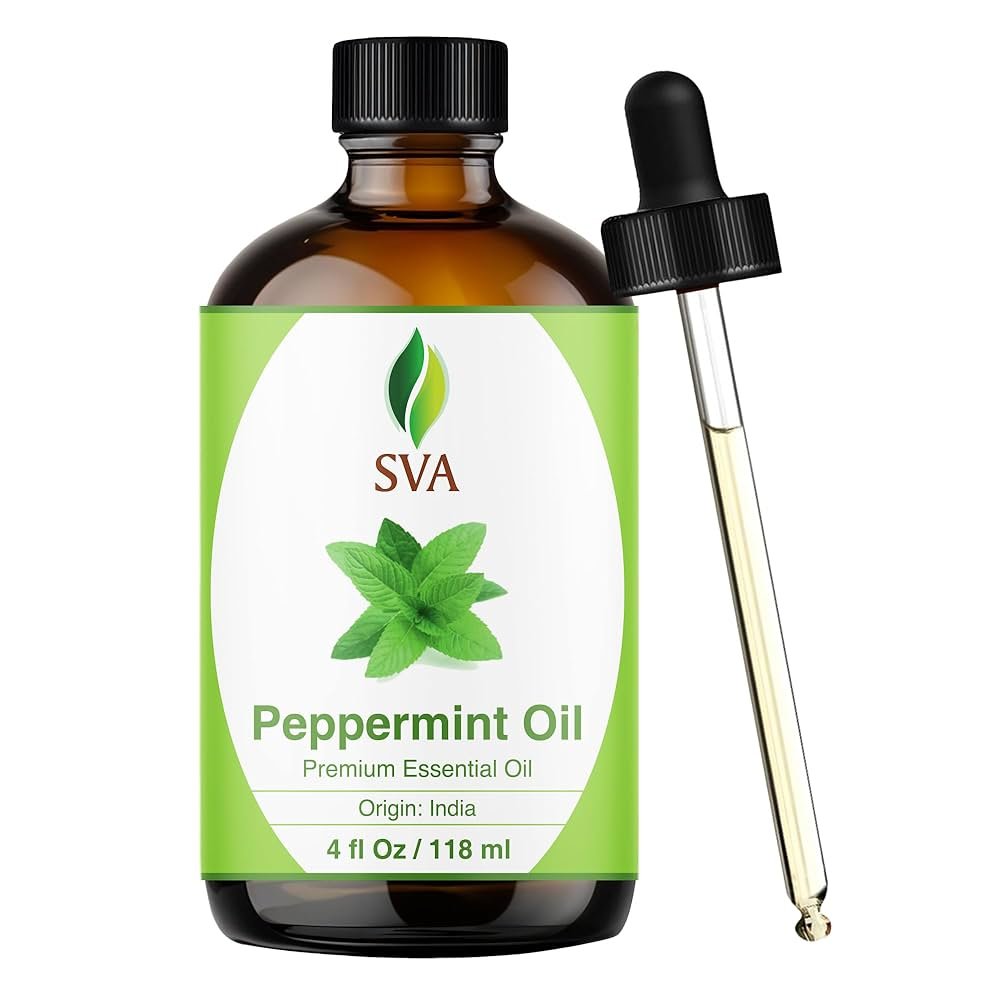
Are you looking for a natural way to refresh and heal your skin? Peppermint oil might be the secret you’ve been missing.
This powerful oil is known for its cooling sensation and soothing properties that can help calm irritated skin and reduce redness. Imagine having clearer, healthier skin with just a few drops of something simple and natural. Keep reading to discover how peppermint oil can transform your skincare routine and why it deserves a spot on your shelf.
Your skin will thank you.

Credit: www.amazon.ca
Benefits Of Peppermint Oil For Skin
Peppermint oil offers more than just a refreshing scent—it provides several benefits that can improve your skin’s health and appearance. Whether you’re dealing with irritation, oily skin, or stubborn acne, this natural oil might have the solution you need. Understanding how peppermint oil works can help you decide if it fits into your skincare routine.
Cooling Sensation And Soothing Effects
Peppermint oil creates an immediate cooling sensation on the skin. This effect helps calm redness and irritation, making it ideal after sun exposure or shaving. Have you ever felt the relief of a cool breeze on hot skin? Peppermint oil can deliver that same soothing comfort.
Acne And Blemish Control
Struggling with acne? Peppermint oil’s antibacterial qualities help reduce the bacteria that cause breakouts. Applying diluted peppermint oil to blemishes can speed up healing and reduce inflammation, helping your skin clear faster. You might notice fewer pimples and less redness with regular use.
Anti-inflammatory Properties
Inflamed skin can feel tight and uncomfortable. Peppermint oil contains compounds that reduce inflammation and calm irritated skin. If you deal with redness or swelling, peppermint oil could ease discomfort and promote a balanced complexion.
Antimicrobial Action
Beyond just acne bacteria, peppermint oil fights a range of microbes that can affect your skin’s health. This antimicrobial action helps prevent infections and keeps your skin clean. If you’re prone to skin irritations or minor cuts, peppermint oil might offer protective benefits.
Oil Regulation And Pore Minimizing
Excess oil can clog pores and lead to breakouts. Peppermint oil helps regulate sebum production, which can reduce shine and prevent clogged pores. Over time, you may notice your pores appear smaller and your skin feels less greasy.
How To Use Peppermint Oil Safely
Peppermint oil offers many benefits for the skin, but using it safely is important. This essential oil is strong and can cause irritation if applied directly. Proper handling ensures you enjoy its refreshing effects without harm. Learn the best ways to prepare and test peppermint oil before use.
Dilution And Carrier Oils
Always dilute peppermint oil before applying it to skin. Use a carrier oil to reduce its strength. Good options include coconut oil, jojoba oil, or almond oil. A typical ratio is 1-2 drops of peppermint oil per teaspoon of carrier oil. This lowers the risk of irritation and allows gentle absorption.
Patch Testing For Sensitivity
Test peppermint oil on a small skin area first. Mix diluted oil and apply to the inside of your arm. Wait 24 hours to check for redness, itching, or swelling. If any irritation appears, do not use the oil on larger skin areas. This simple step helps avoid allergic reactions.
Recommended Application Areas
Apply diluted peppermint oil to areas like the forehead, temples, or chest. Avoid sensitive regions such as eyes, mouth, and broken skin. Use light, gentle strokes to massage the oil in. Keep the application to small skin patches to monitor skin response.
Avoiding Sun Exposure After Use
Do not expose skin to direct sunlight after using peppermint oil. The oil can increase skin sensitivity to UV rays. This may cause redness or sunburn. Use peppermint oil at night or when staying indoors. Always apply sunscreen if you go outside shortly after use.
Diy Peppermint Oil Skin Care Recipes
Using peppermint oil in your skincare routine can bring a fresh and cooling sensation that wakes up your skin. Creating your own peppermint oil products at home lets you control the ingredients and tailor them to your skin’s needs. These simple recipes are effective, natural, and easy to make with ingredients you probably already have.
Refreshing Facial Mist
A facial mist with peppermint oil instantly cools and revitalizes your face, especially on hot days or after a workout. Combine 1 cup of distilled water with 5-7 drops of peppermint oil in a spray bottle. Shake well before each use and spritz your face whenever your skin feels dry or tired.
This mist not only hydrates but also helps reduce redness and irritation. Have you noticed how a quick spritz can change your mood and refresh your skin at the same time?
Cooling Body Lotion
Adding peppermint oil to your body lotion creates a soothing, cooling effect that’s perfect after a long day. Mix 1 tablespoon of your favorite unscented lotion with 3-4 drops of peppermint oil. Apply gently on areas where you want to feel refreshed, like your arms, legs, or neck.
The coolness can relieve minor muscle tension and leave your skin feeling soft. Imagine ending your day with a lotion that not only moisturizes but also gives you a refreshing boost.
Acne Spot Treatment
Peppermint oil’s antibacterial properties make it a great addition to your acne-fighting arsenal. Dilute 1 drop of peppermint oil with 1 teaspoon of carrier oil, such as jojoba or coconut oil. Use a cotton swab to apply the mixture directly on pimples or inflamed spots.
Notice how the cooling effect reduces redness and helps calm your skin quickly. Could this simple treatment replace harsher chemicals in your routine?
Invigorating Foot Soak
A foot soak with peppermint oil is an excellent way to relax tired feet and fight odor. Fill a basin with warm water, then add 5 drops of peppermint oil and a handful of Epsom salts. Soak your feet for 15-20 minutes to enjoy the refreshing and soothing benefits.
Your feet will feel lighter and more energized afterward. Why not treat yourself to this easy spa moment at home after a long day on your feet?

Credit: www.amazon.ca
Precautions And Potential Side Effects
Peppermint oil offers many benefits for the skin but requires careful use. Some people may experience side effects or reactions. Understanding precautions helps keep your skin safe and healthy.
Possible Allergic Reactions
Some individuals may develop allergic reactions to peppermint oil. Symptoms include redness, itching, or rash. Always perform a patch test before full use. Apply a small amount on your inner arm and wait 24 hours. If irritation appears, avoid using the oil on your skin.
Not Suitable For Sensitive Skin
Peppermint oil is strong and may irritate sensitive skin types. It can cause burning or stinging sensations. Dilute the oil with a carrier oil like coconut or jojoba oil. Avoid using peppermint oil on broken or damaged skin. Sensitive skin should use the oil sparingly or skip it altogether.
Interactions With Other Skin Products
Peppermint oil can interact with other skincare products. Combining it with harsh chemicals or acids may increase irritation. Avoid using peppermint oil alongside retinol, exfoliants, or strong cleansers. Always test the mixture on a small skin area first. Consult a dermatologist if unsure about product combinations.
Choosing Quality Peppermint Oil
Choosing quality peppermint oil is key for healthy skin care. Pure oil offers the best benefits and avoids irritation. Knowing how to pick genuine oil saves time and money. It also protects your skin from harmful additives.
Identifying Pure And Natural Oils
Pure peppermint oil has a strong, fresh scent without any chemical smell. It should feel light and not sticky on the skin. Look for oils labeled 100% pure or natural. Avoid oils with synthetic fragrances or added fillers. A clear or pale green color often indicates purity.
Reading Labels And Ingredients
Check the label carefully before buying peppermint oil. The label should list only one ingredient: Mentha piperita or peppermint oil. Avoid products with extra ingredients like alcohol or preservatives. Organic certification is a plus but not always necessary. The country of origin can hint at quality too.
Storage Tips To Maintain Freshness
- Keep peppermint oil in a dark glass bottle to avoid light damage.
- Store it in a cool, dry place away from heat and sunlight.
- Always close the bottle tightly after use to prevent air exposure.
- Use the oil within one to two years for best results.

Credit: www.amazon.ca
Frequently Asked Questions
What Are The Benefits Of Peppermint Oil For Skin?
Peppermint oil soothes irritation, reduces redness, and controls oily skin. It also has a cooling effect that refreshes the skin and helps fight acne-causing bacteria.
How To Use Peppermint Oil Safely On Skin?
Always dilute peppermint oil with a carrier oil before applying. Perform a patch test to avoid allergic reactions. Avoid sensitive areas like eyes and broken skin.
Can Peppermint Oil Help With Acne Treatment?
Yes, peppermint oil has antimicrobial properties that help reduce acne bacteria. It also controls excess oil and soothes inflammation, promoting clearer skin.
Is Peppermint Oil Suitable For All Skin Types?
Peppermint oil is best for oily and combination skin. People with sensitive or dry skin should use it cautiously or avoid it to prevent irritation.
Conclusion
Peppermint oil offers many skin benefits. Its cooling effect soothes irritation. Many find it refreshing and invigorating. This oil can help in reducing itchiness and redness. It’s important to dilute it properly before applying. Always do a patch test first.
Some people may have sensitive skin. Regular use can improve skin texture. It adds a natural glow. Remember, consistency is key for results. Use it as part of a skincare routine. Natural remedies like peppermint oil can be quite effective.
Enjoy healthier, happier skin naturally.
