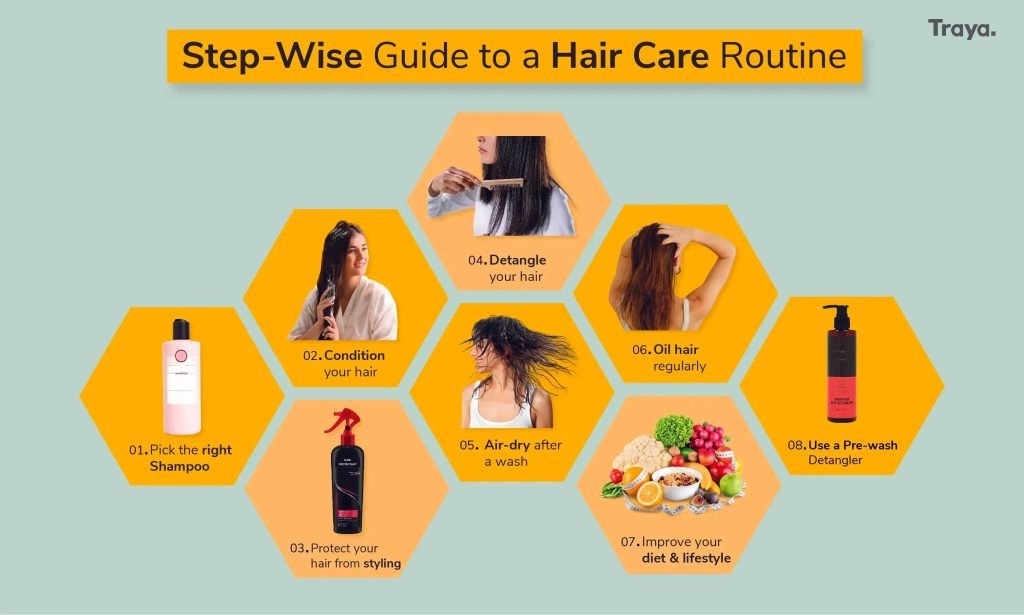
Struggling with dry hair? You’re not alone.
Many people face the daily battle of taming brittle, lifeless strands that seem to have a mind of their own. It’s frustrating, isn’t it? You invest in countless products and still, your hair feels like straw. But what if the solution isn’t in the number of products, but in the right routine?
Imagine running your fingers through soft, hydrated locks that shine with health. That’s not just a dream. With the right hair care routine, you can transform your dry hair into its best version. Curious to find out how? Keep reading, because this guide has everything you need to breathe life back into your tresses.
Causes Of Dry Hair
Dry hair can feel rough, brittle, and hard to manage. Understanding what causes dry hair helps in choosing the right care routine. Several factors can strip moisture from your hair, leaving it dry and damaged.
Environmental Factors
Sun exposure can dry out hair strands quickly. Wind removes natural oils from the scalp and hair. Cold weather often reduces moisture in the air, causing hair to lose hydration. Pollution and dust also build up on hair, making it feel dry and dull.
Hair Styling Habits
Frequent use of heat tools like straighteners and curling irons damages hair. Over-washing strips natural oils that keep hair soft. Using harsh shampoos or chemicals weakens hair strands. Tight hairstyles pull on hair and cause breakage, leading to dryness.
Diet And Health
Poor nutrition affects hair health directly. Lack of vitamins like A, C, and E reduces hair moisture. Dehydration makes hair dry and brittle. Certain health conditions or medications can also cause dryness in hair.
Choosing The Right Shampoo
Choosing the right shampoo is key to improving dry hair. It’s not just about cleansing; it’s about nourishing and protecting your strands from further damage. Picking a shampoo that suits your hair type can make your routine more effective and your hair visibly healthier.
Sulfate-free Options
Sulfates can strip your hair of natural oils, leaving it dry and brittle. If your hair feels tight or straw-like after washing, your shampoo might be too harsh. Look for shampoos labeled “sulfate-free” to keep your scalp clean without removing essential moisture.
I switched to a sulfate-free shampoo last year and noticed my hair stopped breaking so easily. It became softer and retained moisture better. Have you ever felt your hair drying out right after shampooing? That’s often a sign to ditch sulfates.
Moisturizing Ingredients
Shampoos with moisturizing ingredients help replenish dry hair. Look for components like glycerin, aloe vera, coconut oil, or shea butter. These ingredients attract and lock in moisture, making your hair feel smooth and hydrated.
When I started choosing shampoos rich in natural oils, my scalp stopped itching, and my hair gained a natural shine. Does your shampoo leave your hair feeling soft or just clean? Moisturizing ingredients can make all the difference.
Conditioning Techniques
Conditioning techniques are essential if you want to transform dry hair into soft, manageable strands. They restore moisture, reduce frizz, and protect your hair from further damage. Knowing how to use conditioners effectively can change the way your hair looks and feels every day.
Leave-in Conditioners
Leave-in conditioners offer continuous hydration throughout the day. Unlike rinse-out conditioners, they stay on your hair, providing ongoing moisture and protection.
Apply a small amount to damp hair, focusing on the ends where dryness is most common. Avoid the roots to prevent greasiness. You might find that leave-in conditioners help detangle your hair, making brushing easier and less damaging.
Do you struggle with static or flyaways? Try a leave-in conditioner with ingredients like argan oil or shea butter to tame those pesky strands without weighing your hair down.
Deep Conditioning Masks
Deep conditioning masks deliver intense moisture and repair, especially for hair that feels brittle or damaged. Use them once or twice a week to see noticeable improvements.
Apply the mask generously after shampooing, and leave it on for 15 to 30 minutes. Cover your hair with a shower cap or warm towel to help the product penetrate deeply.
Look for masks with proteins and natural oils like coconut, jojoba, or avocado oil. These ingredients strengthen your hair and restore softness. Have you tried leaving a mask on overnight? It can be a game-changer for extreme dryness, but make sure to protect your pillowcase.

Credit: www.lorealparisusa.com
Daily Hair Care Tips
Taking care of dry hair every day can feel challenging, but simple changes in your routine make a big difference. Daily habits affect your hair’s moisture levels and overall health more than you might think. Small actions like how you brush or style your hair can either protect or worsen dryness.
Gentle Brushing Methods
Brushing dry hair roughly causes breakage and split ends. Use a wide-tooth comb or a brush with soft bristles to detangle gently, starting from the ends and moving upward. This approach reduces pulling and prevents unnecessary damage.
Try to brush your hair only when it’s dry or slightly damp. Wet hair is more fragile and prone to snapping. Have you noticed more hair fall after combing wet strands? Changing this habit can save you a lot of breakage.
Avoiding Heat Damage
Heat tools like straighteners and curling irons strip moisture from dry hair, making it brittle and dull. Limit using these tools as much as possible, or choose lower temperature settings to protect your strands. Always apply a heat protectant spray before styling to shield your hair.
Consider air drying your hair whenever you can. It takes patience, but your hair will thank you with improved softness and strength. Could skipping your daily blow-dry be the secret to healthier hair?
Natural Remedies For Hydration
Dry hair needs extra care and moisture to stay healthy. Natural remedies provide gentle hydration without harsh chemicals. These remedies nourish hair deeply, improving softness and shine. Using natural ingredients helps restore balance and prevent breakage. Simple treatments can fit easily into any hair care routine. Here are some effective options to try.
Oils For Dry Hair
Oils are rich in nutrients that lock moisture into hair strands. They help protect hair from dryness and damage. Some popular oils for dry hair include:
- Coconut Oil:Penetrates hair and reduces protein loss.
- Argan Oil:Adds shine and smoothness without heaviness.
- Olive Oil:Softens hair and improves elasticity.
- Jojoba Oil:Mimics natural scalp oils and hydrates well.
Warm the oil slightly before applying. Massage gently into scalp and hair. Leave on for at least 30 minutes or overnight for best results. Wash thoroughly with a mild shampoo.
Homemade Hair Masks
Hair masks made from natural ingredients offer deep hydration and repair. They are easy to prepare at home using kitchen staples. Some nourishing masks include:
- Avocado and Honey:Mash avocado, add honey, and apply for 20 minutes. Avocado nourishes, honey locks moisture.
- Banana and Yogurt:Blend banana with yogurt, apply for 30 minutes. This mix softens and strengthens hair.
- Egg and Olive Oil:Mix one egg with olive oil, leave for 15 minutes. Eggs add protein, olive oil hydrates deeply.
Use masks once or twice a week. Rinse with cool water to seal moisture and leave hair smooth.

Credit: www.youtube.com
Lifestyle Changes To Improve Hair Health
Improving the health of dry hair goes beyond the products you apply. Your daily lifestyle choices play a crucial role in how your hair looks and feels. Small changes in nutrition and habits can make a big difference in restoring moisture and strength to your strands.
Balanced Nutrition
Your hair needs the right nutrients to stay healthy and hydrated. Make sure your diet includes plenty of protein, as hair is mostly made of keratin, a type of protein. Foods like eggs, fish, and beans can boost your hair’s strength.
Vitamins A, C, D, and E are essential for scalp health and hair growth. Don’t forget minerals like zinc and iron, which help prevent hair dryness and breakage. Have you noticed your hair feeling dull? Check if your meals are missing these key nutrients.
Hydration And Sleep
Water is vital for maintaining your hair’s moisture balance. Drinking enough water daily keeps your scalp hydrated and reduces dryness. Try carrying a water bottle with you and aim for at least 8 glasses a day.
Sleep is another factor that affects your hair’s condition. During sleep, your body repairs itself, including hair follicles. Poor sleep can lead to increased stress hormones, which may cause hair to become brittle and dry. Are you giving your hair enough time to recover each night?

Credit: www.reddit.com
Frequently Asked Questions
What Is The Best Shampoo For Dry Hair?
Choose a moisturizing shampoo with natural oils and no sulfates. It hydrates without stripping natural oils. Look for ingredients like argan oil or shea butter.
How Often Should I Wash Dry Hair?
Wash dry hair 2-3 times a week to avoid over-drying. Frequent washing removes natural oils, causing more dryness and frizz.
Which Conditioner Suits Dry Hair Best?
Use a deep, hydrating conditioner with ingredients like coconut oil or aloe vera. It nourishes and repairs dry, brittle strands effectively.
Can Dry Hair Benefit From Oil Treatments?
Yes, oil treatments restore moisture and add shine. Apply oils like jojoba or olive oil once a week for best results.
Conclusion
Caring for dry hair needs gentle steps every day. Use moisturizing shampoo and conditioner. Avoid hot water and harsh brushing. Protect hair from sun and heat tools. Regular oil treatments help keep hair soft. Patience is key; results take time.
Healthy hair shows with simple, steady care. Small changes make a big difference. Keep your hair nourished and hydrated. Your dry hair can feel smooth again.
