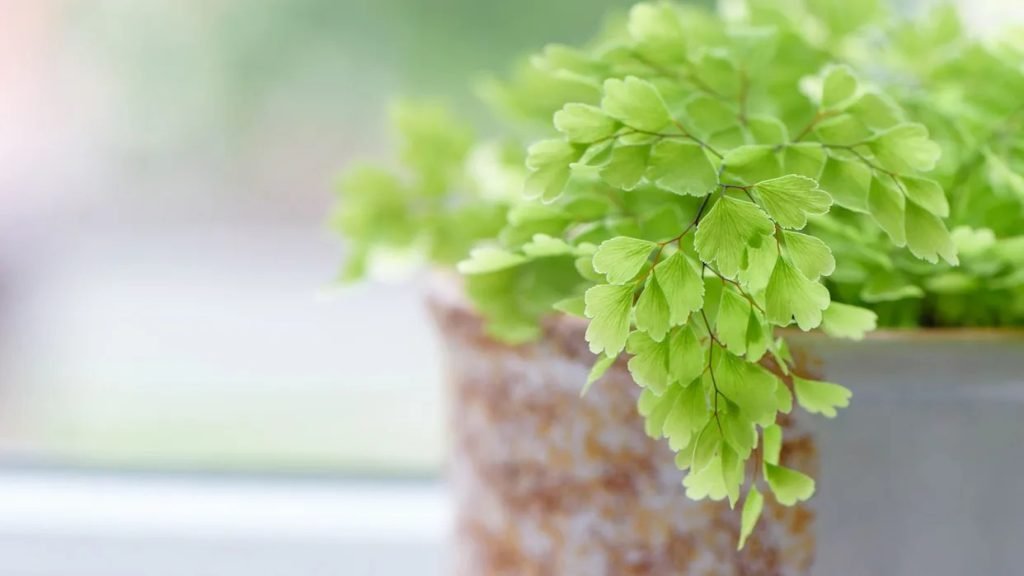
Are you struggling to keep your Maiden Hair Fern looking lush and vibrant? You’re not alone.
These delicate beauties can be a bit tricky to care for, but with the right guidance, you can transform your fern into a stunning centerpiece in your home. Imagine walking into a room where your fern thrives, its graceful fronds adding a touch of elegance and freshness.
In this guide, you’ll discover simple, effective tips to ensure your Maiden Hair Fern flourishes, making you the proud owner of a plant that’s the envy of every plant lover. Ready to unlock the secrets to successful Maiden Hair Fern care? Let’s dive in!
Choosing The Right Spot
Choosing the right spot for your Maiden Hair Fern sets the stage for its health and beauty. This plant thrives best in specific conditions that mimic its natural habitat. Small changes in light, temperature, and humidity can affect its growth and leaf color. Understanding these needs helps you pick the perfect place in your home or office.
Ideal Light Conditions
Maiden Hair Fern prefers bright, indirect light. Direct sunlight can burn its delicate leaves. A north or east-facing window works well. Avoid placing the fern in dark corners or under strong, direct rays. Filtered light through sheer curtains offers gentle brightness.
Temperature Preferences
This fern likes moderate temperatures. Keep it between 60°F and 75°F (15°C – 24°C). Avoid cold drafts and sudden temperature drops. Hot, dry air from heaters or vents can harm the plant. Stable, mild warmth helps it thrive and stay lush.
Humidity Needs
High humidity is essential for Maiden Hair Fern. It thrives in 50% or higher humidity levels. Dry air causes leaves to dry and brown. Use a humidifier or place a water tray near the plant. Grouping plants together also raises humidity naturally.
Soil And Potting
Proper soil and potting are key for healthy Maiden Hair Ferns. These plants need soil that holds moisture but drains well. The right pot helps roots grow strong and stops water from sitting too long. Choosing soil and pots carefully makes your fern thrive indoors or outdoors.
Best Soil Types
Maiden Hair Ferns prefer soil that is loose and drains easily. Use a mix that keeps moisture but avoids sogginess. A good option is potting soil mixed with peat moss or coconut coir. Adding perlite or sand improves drainage. Avoid heavy garden soil that holds too much water.
- Peat moss or coconut coir for moisture retention
- Perlite or sand for better drainage
- Light, airy potting mix with organic matter
Pot Selection Tips
Choose pots with drainage holes to prevent water buildup. Terracotta pots are great because they breathe and dry out quickly. Plastic pots hold moisture longer but need careful watering. Pick a pot size slightly larger than the fern’s root ball to allow room for growth. Avoid pots that are too big, which can cause root rot.
- Ensure drainage holes for excess water
- Terracotta pots for breathability
- Plastic pots for moisture retention, with careful watering
- Pot size just larger than root ball
Repotting Guidelines
Repot Maiden Hair Fern every 1-2 years for fresh soil and root space. Choose spring or early summer for repotting. Gently loosen roots and remove old soil. Place fern in new pot with fresh soil mix. Water well after repotting and keep soil moist. Avoid letting soil dry out during adjustment.
Watering Practices
Watering your Maiden Hair Fern correctly can be tricky but is essential to keeping it lush and healthy. This delicate plant thrives in a moist environment, but too much or too little water can quickly cause problems. Understanding the right balance will make your fern flourish and bring a vibrant touch to your space.
Frequency And Amount
Maiden Hair Ferns prefer consistently moist soil, so you should water them regularly. Aim to check the top inch of soil daily; if it feels dry, it’s time to water. Typically, watering every 2-3 days works well, but this can vary depending on your home’s humidity and temperature.
Don’t just pour water haphazardly—give enough so it seeps through the drainage holes, ensuring the roots get a good soak. However, avoid leaving the plant sitting in water, as this can cause root rot.
Signs Of Overwatering
Overwatering is a common mistake with Maiden Hair Ferns, and it shows quickly. Watch for yellowing leaves, wilting despite moist soil, or a musty smell coming from the pot. These signs mean your fern’s roots are suffocating and might be rotting.
If you notice these symptoms, reduce watering frequency immediately and check the soil’s drainage. You might need to repot your fern in fresh soil to save it.
Dealing With Underwatering
If your fern isn’t getting enough water, its delicate fronds will start to brown and crisp up around the edges. The plant may look dry and brittle, losing its soft, feathery charm. You’ll want to increase watering and mist the leaves regularly to boost humidity.
Sometimes, simply adjusting your watering schedule isn’t enough; consider the room’s dryness too. Using a humidity tray or placing the fern in a naturally more humid area can help it bounce back faster.
Credit: hort.extension.wisc.edu
Fertilizing Tips
Fertilizing your Maiden Hair Fern correctly can make a huge difference in its health and vibrancy. These delicate plants need the right nutrients to keep their feathery fronds lush and green. Understanding how to choose and apply fertilizer will help you avoid common mistakes that can harm your fern.
Choosing Fertilizer
Look for a balanced, water-soluble fertilizer with equal parts nitrogen, phosphorus, and potassium (NPK), such as 10-10-10 or 20-20-20. This mix supports overall growth without overwhelming the plant.
Some gardeners prefer a fertilizer specially formulated for ferns, which often contains extra micronutrients like iron and magnesium. These trace elements can boost your fern’s color and resilience.
Feeding Schedule
Feed your Maiden Hair Fern every 4 to 6 weeks during the growing season, typically spring through early fall. Dilute the fertilizer to half the recommended strength to prevent root burn.
Stop fertilizing in winter, as the plant enters dormancy and requires fewer nutrients. Overfeeding can lead to yellowing fronds or weak growth, so watch for these signs and adjust accordingly.
Organic Vs Synthetic Options
Organic fertilizers like compost tea or fish emulsion release nutrients slowly and improve soil health over time. They’re gentle on your fern and reduce the risk of chemical buildup.
Synthetic fertilizers act quickly and provide immediate results, which is great if your fern shows signs of nutrient deficiency. However, they can be harsher and may require more careful dosing.
Which approach fits your care style better? Trying a small test patch with each type could reveal what your Maiden Hair Fern prefers.
Pruning And Maintenance
Pruning and maintenance are key to keeping your Maiden Hair Fern lush and vibrant. Regular care helps prevent problems before they start and encourages the plant to thrive. Simple steps can make a big difference in the health and appearance of your fern.
Trimming Dead Fronds
Removing dead or yellowing fronds helps your fern focus energy on new growth. Use clean, sharp scissors to cut the fronds close to the base. This not only improves the look but also prevents decay that can attract pests.
Have you noticed how your fern looks tired when old fronds hang around? Cutting them off refreshes the plant instantly. Don’t wait for fronds to turn completely brown—trimming early can help keep your fern looking its best.
Encouraging New Growth
Regular pruning encourages your Maiden Hair Fern to produce fresh, healthy fronds. Pinch back the tips of the fronds gently to stimulate branching and fuller growth. This technique helps maintain a dense and attractive shape.
Water and humidity play a big role too. After pruning, make sure your fern gets consistent moisture and is placed in a humid environment. You might notice new fronds emerging faster when you give your plant this extra care.
Pest And Disease Control
Inspect your fern regularly for signs of pests like spider mites or scale insects. These pests often hide on the underside of fronds, so take a close look. Removing affected fronds and wiping leaves with a damp cloth can reduce infestations.
Diseases are rare but can happen if your fern is overwatered or kept in poor air circulation. Look out for black spots or a fuzzy coating and act quickly by isolating the plant. Have you tried natural remedies like neem oil? They can be very effective without harming your fern.
Propagation Techniques
Propagation is a rewarding way to multiply your Maiden Hair Fern collection. It not only saves money but also helps maintain the health of your plants. Understanding the right techniques can make propagation easier and more successful.
Division Method
Dividing the Maiden Hair Fern is the most common way to propagate it. Gently remove the fern from its pot and carefully separate the root ball into smaller sections. Each section should have both roots and fronds to ensure it can grow independently.
Use a clean, sharp knife if needed to cut through tougher roots. This method allows you to rejuvenate an older fern by giving it more space and fresh soil. Have you noticed how dividing plants often sparks new growth? That’s the power of this technique.
Timing For Propagation
Spring is the best time to propagate Maiden Hair Ferns. The plant is actively growing, which helps new divisions establish faster. Avoid dividing during winter or dormancy, as the fern may struggle to recover.
Watch for signs like fresh fronds and moist soil before starting propagation. If your fern looks healthy and vibrant, it’s a good indicator that it’s ready. When was the last time your fern surprised you with new growth?
Care For New Plants
After dividing, place the new plants in well-draining soil and keep the environment humid. Mist the fronds regularly and avoid direct sunlight to prevent stress. Maintaining consistent moisture is key—never let the soil dry out completely.
New plants are fragile, so be patient and gentle when handling them. Over the weeks, you’ll notice stronger roots and fuller fronds if you care for them properly. How will you adjust your routine to give these new ferns the best start?
Troubleshooting Common Issues
Dealing with problems in your Maiden Hair Fern can be frustrating, especially when the plant looks unhappy. Knowing how to spot and fix common issues early can keep your fern lush and healthy. Let’s look at some typical signs your fern might show and how you can help it bounce back.
Yellowing Leaves
Yellow leaves usually signal a watering problem. Too much water drowns the roots, while too little dries them out. Check your fern’s soil—if it feels soggy, reduce watering and improve drainage.
Another cause can be lack of nutrients. Feeding your fern with a diluted, balanced fertilizer every month during growing season can keep leaves green and vibrant. Have you noticed yellowing right after moving your plant? Stress from sudden changes in light or temperature might be the culprit.
Wilting Problems
Wilting often points to underwatering, but sometimes it’s due to poor humidity. Maiden Hair Ferns thrive in moist air, so dry indoor environments can cause drooping fronds. Try misting your plant daily or placing a humidity tray nearby.
If watering and humidity are fine, inspect the roots. Root rot from overwatering can cause wilting despite wet soil. Gently remove the fern from its pot to check for mushy roots and trim any that look unhealthy.
Brown Tips Causes
Brown tips on your fern’s leaves usually mean dry air or inconsistent watering. Even if you water regularly, dry indoor heat can cause tip browning. Adjust your environment by adding a humidifier or grouping plants together.
Sometimes, brown tips result from mineral buildup in tap water. Try using filtered or rainwater to see if the problem improves. Are your brown tips spreading fast? Consider trimming the damaged parts to encourage fresh growth.

Credit: www.yahoo.com

Credit: www.reddit.com
Frequently Asked Questions
How Often Should I Water My Maiden Hair Fern?
Water Maiden Hair Ferns regularly to keep soil moist but not soggy. Avoid letting soil dry out completely. Mist leaves frequently to maintain humidity.
What Light Conditions Are Best For Maiden Hair Ferns?
Place Maiden Hair Ferns in indirect, bright light. Avoid direct sunlight as it can scorch delicate fronds. Low to medium light also works well.
How Do I Increase Humidity For Maiden Hair Fern Care?
Increase humidity by misting leaves daily or using a humidifier. Group plants together or place the pot on a water-filled pebble tray.
What Soil Type Is Ideal For Maiden Hair Ferns?
Use well-draining, peat-based potting soil with good moisture retention. Avoid heavy or compacted soils that can hold excess water and cause root rot.
Conclusion
Caring for your Maiden Hair Fern is simple and rewarding. Keep its soil moist but not wet. Place it where light is bright but indirect. Trim dead leaves to help it grow strong. Watch for pests and remove them quickly.
This fern adds beauty and freshness to any space. With regular care, it will stay healthy and green. Enjoy the gentle charm of your Maiden Hair Fern every day.
