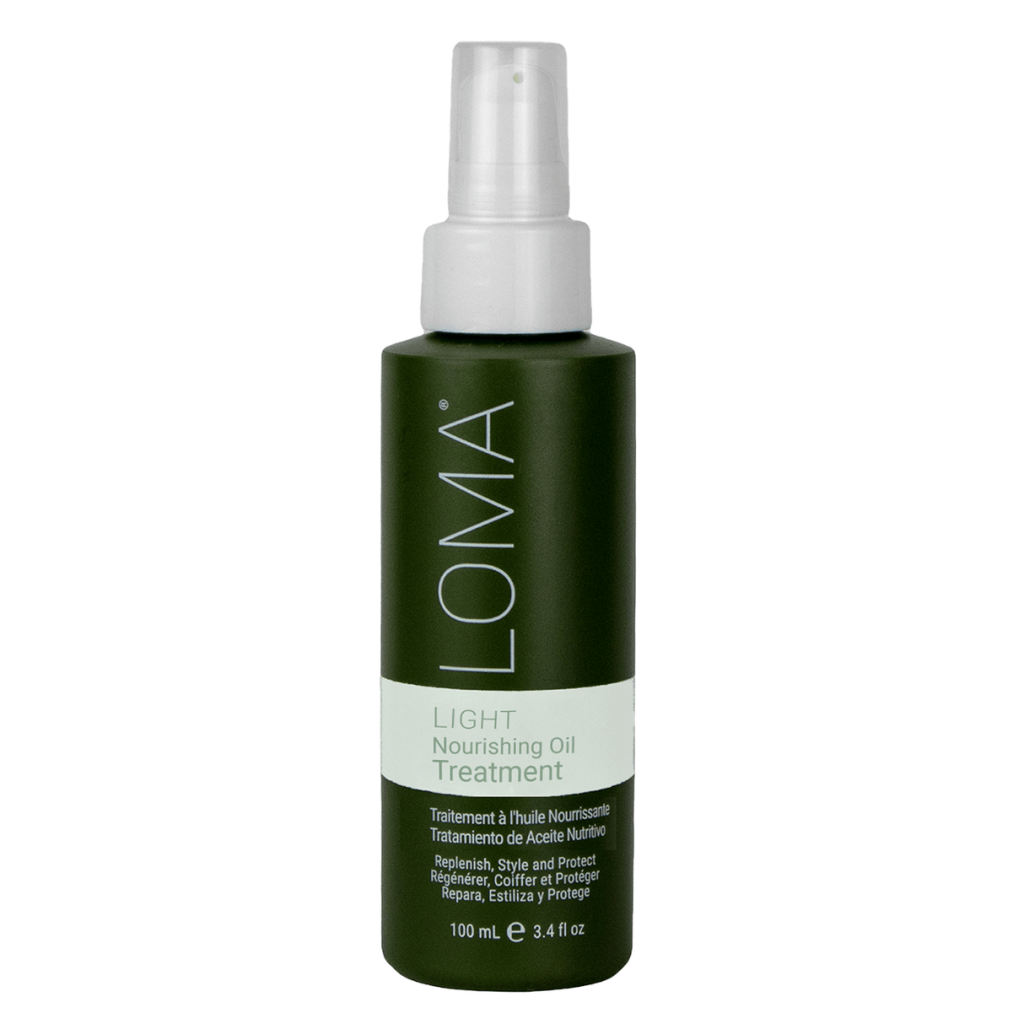
Imagine running your fingers through your hair and feeling nothing but silky smooth strands. Sounds dreamy, right?
That’s the magic of a hair care oil treatment! If you’ve ever struggled with dry, frizzy, or lifeless hair, then this could be your game-changer. You deserve hair that looks and feels fabulous, and with the right oil treatment, that’s entirely possible.
This article is your guide to unlocking the secrets behind luscious locks. We’ll explore how oil treatments can transform your hair, making it healthier and more vibrant. Ready to discover the path to your best hair days yet? Let’s dive in!

Credit: www.amazon.ca
Benefits Of Hair Oil Treatment
Hair oil treatment offers many benefits that improve hair health naturally. It nourishes the scalp deeply, helping hair grow strong and healthy. Regular use protects hair strands from damage and breakage. The oils add shine and softness, making hair look vibrant. This treatment also reduces hair fall by strengthening roots. Simple, natural care can make a big difference.
Nourishing The Scalp
Hair oil penetrates the scalp to deliver essential nutrients. It keeps the scalp moisturized and prevents dryness. Healthy scalp means less itching and flaking. Oils like coconut and almond improve blood flow to hair roots. This promotes healthier hair growth and reduces scalp issues.
Strengthening Hair Strands
Oils coat hair strands, protecting them from damage. They reduce split ends and brittleness. Stronger hair strands break less during brushing or styling. Ingredients like argan oil add protein to hair fibers. This makes hair resilient and less prone to damage.
Enhancing Shine And Softness
Hair oil smooths the hair cuticle, boosting shine. It locks in moisture, leaving hair soft to touch. Regular oiling reduces frizz and flyaways. Oils like jojoba and olive restore hair’s natural glow. Soft, shiny hair looks healthier and well cared for.
Reducing Hair Fall And Breakage
Applying oil strengthens hair roots and follicles. This reduces hair fall caused by weak roots. Oils nourish the scalp and improve hair elasticity. Less breakage happens because hair becomes more flexible. Using oil regularly supports thicker, fuller hair over time.
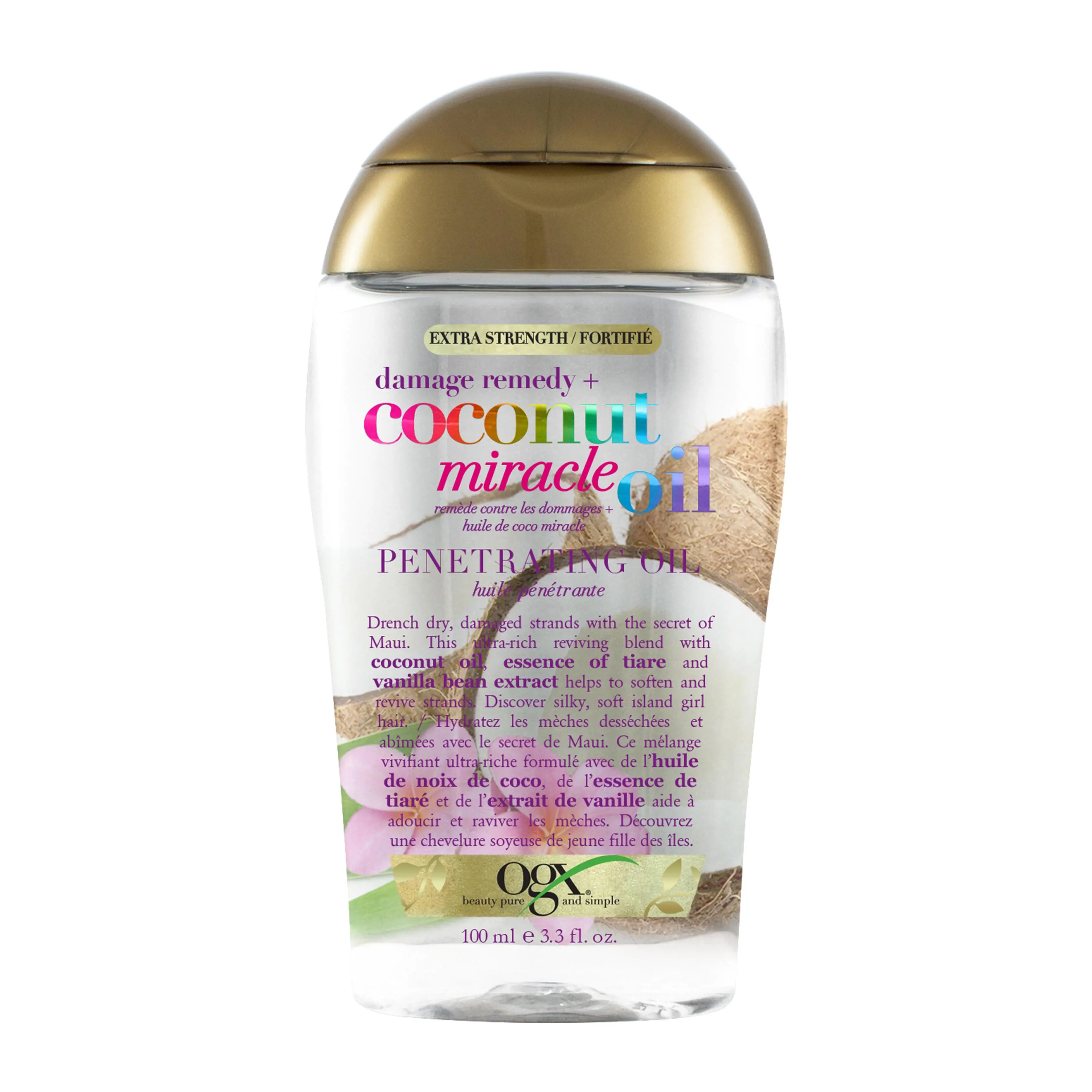
Credit: www.ogxbeauty.ca
Choosing The Right Hair Oil
Choosing the right hair oil is key for healthy, shiny hair. Different oils suit different hair types and needs. Using the wrong oil can weigh hair down or cause buildup. Picking an oil that matches your hair type helps improve texture and strength. It also prevents common problems like dryness, oiliness, and damage.
Understanding your hair’s condition guides you to the best oil. Focus on what your hair needs most: moisture, control, repair, or overall health. This way, your hair care routine becomes effective and enjoyable.
Oils For Dry Hair
Dry hair needs oils that deeply moisturize and nourish. Look for oils rich in fatty acids. These oils help lock in moisture and reduce frizz. Popular options include coconut oil, avocado oil, and olive oil. They soften hair and add shine without making it greasy.
Oils For Oily Hair
Oily hair benefits from light oils that do not clog pores. These oils balance scalp oil production and keep hair fresh. Jojoba oil and grapeseed oil are good choices. They absorb quickly and leave no heavy residue. Use them sparingly to avoid excess oiliness.
Oils For Damaged Hair
Damaged hair needs oils that repair and strengthen strands. Look for oils with proteins and antioxidants. Argan oil, castor oil, and almond oil support hair repair. They reduce breakage and improve elasticity. Regular use can restore hair’s natural strength.
Essential Oils For Hair Health
Essential oils promote scalp health and stimulate hair growth. Tea tree oil, rosemary oil, and lavender oil are popular. Use these oils diluted with carrier oils to avoid irritation. They help reduce dandruff and improve scalp circulation. Essential oils add a fresh scent to your hair care routine.
How To Apply Hair Oil Effectively
Applying hair oil effectively helps nourish your scalp and hair strands deeply. Proper application improves oil absorption and boosts hair health. Simple steps can make your oil treatment more effective and enjoyable.
Preparing Your Hair
Start with clean hair for best results. Wash your hair with a mild shampoo and towel dry gently. Hair should be damp or dry, never soaking wet. Detangle hair carefully to avoid breakage. Use a wide-tooth comb to remove knots.
Techniques For Scalp Massage
Warm the oil slightly for better absorption. Use your fingertips to apply oil to the scalp. Massage in small circles to stimulate blood flow. Spend about 5 to 10 minutes massaging the entire scalp. Avoid using nails to prevent irritation.
Application Frequency
- Apply oil 2 to 3 times a week for normal hair.
- Oily hair types can oil once a week to avoid greasiness.
- Dry or damaged hair benefits from more frequent oiling.
- Adjust frequency based on how your hair feels.
Combining Oils For Best Results
Mix oils to target different hair needs. Coconut oil adds moisture and shine. Almond oil strengthens hair and reduces breakage. Castor oil encourages hair growth. Use a small bowl to blend oils evenly. Test the mix on your skin before full use.
Homemade Hair Oil Recipes
Homemade hair oil recipes offer a natural way to nourish hair deeply. You control the ingredients, ensuring purity and freshness. These oils can improve shine, reduce hair fall, and stimulate growth. They also soothe the scalp and prevent dryness.
Making your own hair oil blends lets you tailor treatments to your hair type and needs. Simple ingredients from your kitchen or garden can create effective hair care solutions. Here are some popular homemade oil recipes you can try.
Herbal Infused Oils
Herbal infused oils soak the benefits of herbs into a carrier oil. They deliver natural vitamins and antioxidants directly to hair strands.
- Use dried herbs like rosemary, hibiscus, or fenugreek.
- Heat herbs gently in coconut or olive oil for 1-2 hours.
- Strain and store in a dark glass bottle.
- Apply to scalp and hair for 30 minutes before washing.
This method extracts herbal properties for scalp health and hair strength.
Essential Oil Blends
Essential oils add fragrance and specific benefits to hair oils. They support growth, reduce dandruff, and improve scalp circulation.
- Mix a few drops of tea tree, lavender, or peppermint oil.
- Blend with a carrier oil like jojoba or almond oil.
- Use sparingly to avoid irritation.
- Massage onto scalp for a refreshing treatment.
These blends are potent and should be diluted before use.
Nutrient-rich Oil Mixes
Nutrient-rich mixes combine oils high in vitamins and fatty acids. They deeply moisturize and repair damaged hair.
| Oil | Benefit |
|---|---|
| Coconut Oil | Moisturizes and prevents protein loss |
| Castor Oil | Promotes hair growth and thickness |
| Argan Oil | Restores shine and tames frizz |
Mix equal parts of these oils. Warm slightly before applying. Use regularly for best results.
Hair Oil Treatment For Different Hair Types
Hair oil treatment varies based on hair type. Each hair texture absorbs oils differently. Choosing the right oil improves hair health and shine. This guide helps match oils to your hair type for best results.
Curly And Wavy Hair
Curly and wavy hair needs moisture and frizz control. Thick oils like coconut, castor, and olive oil work well. These oils seal in moisture and reduce dryness. Apply oil from mid-length to tips to avoid weighing roots.
Straight Hair
Straight hair tends to get oily at the scalp. Light oils such as argan, jojoba, and grapeseed oil suit this type. Use a small amount to add shine without greasiness. Focus on ends to keep hair smooth and soft.
Fine And Thin Hair
Fine, thin hair requires gentle, non-greasy oils. Choose lightweight oils like almond, apricot, or sunflower oil. These oils nourish without making hair limp. Apply sparingly to avoid heaviness and maintain volume.
Thick And Coarse Hair
Thick, coarse hair benefits from rich, deeply penetrating oils. Shea butter, castor oil, and avocado oil are ideal choices. These oils soften and strengthen rough strands. Massage oil into scalp and strands for best absorption.
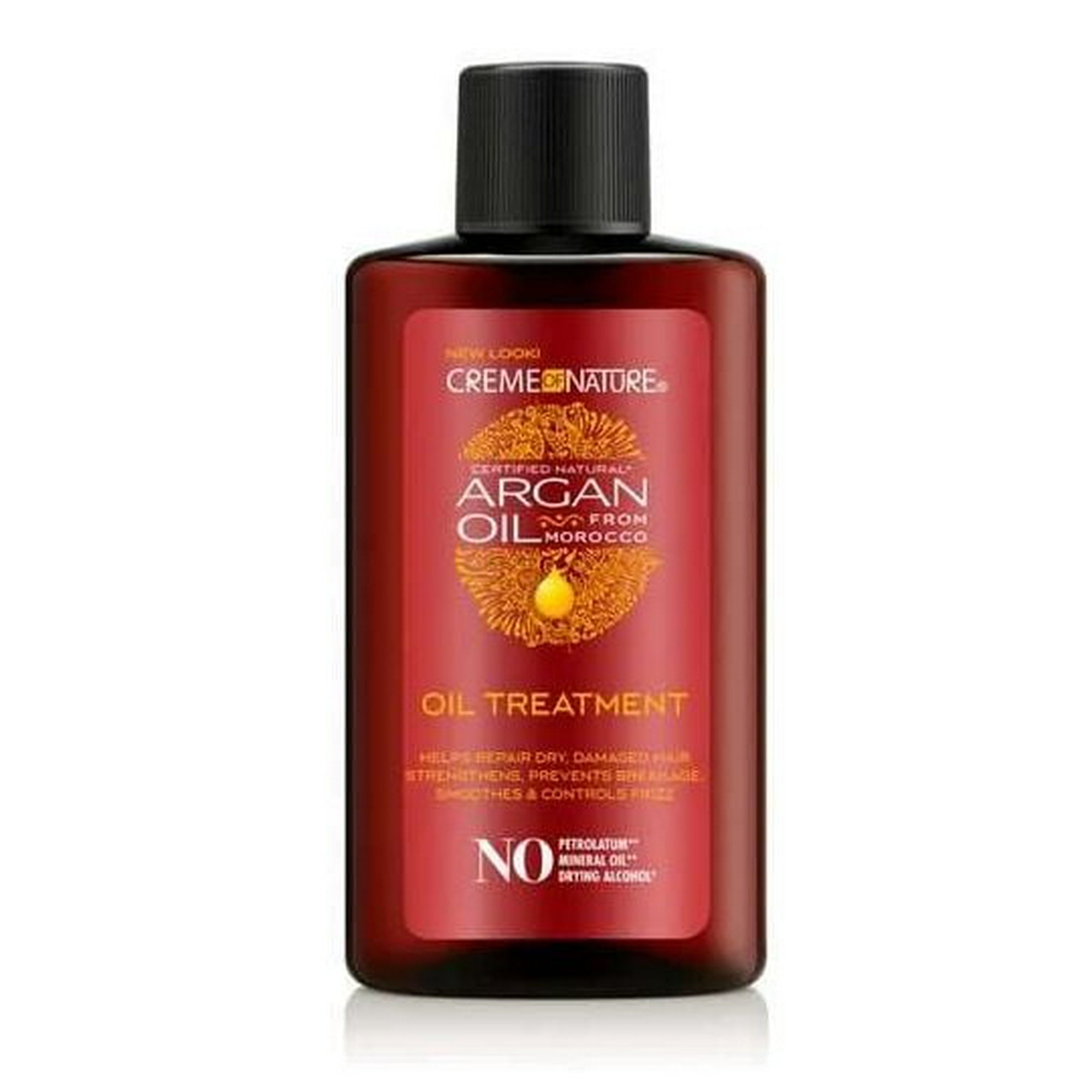
Credit: www.walmart.ca
Common Mistakes To Avoid
Hair care oil treatment offers many benefits. It nourishes, strengthens, and protects your hair. Avoid common mistakes for the best results. These errors can cause damage or reduce oil effectiveness. Learn what to skip for healthy, shiny hair.
Over-oiling
Applying too much oil can weigh hair down. It makes hair look greasy and heavy. Excess oil blocks pores on the scalp. This can lead to scalp irritation and dandruff. Use a small amount and focus on hair ends.
Using The Wrong Oil
Not all oils suit every hair type. Some oils may cause buildup or dryness. Choose oils that match your hair needs. For example, coconut oil suits dry hair. Light oils like argan work well for fine hair.
Skipping Patch Tests
Oils may cause allergic reactions or irritation. Test a small skin area before full application. Wait 24 hours for any reaction. This simple step prevents scalp discomfort and rashes.
Neglecting Hair Washing Routine
Leaving oil on too long harms hair and scalp. Wash hair regularly to remove excess oil and dirt. Use mild shampoo to keep hair clean and healthy. Balanced washing keeps oil treatment effective.
Additional Tips For Healthy Hair
Maintaining healthy hair goes beyond just applying hair care oil treatments. To truly nourish your hair, you need a well-rounded approach that supports hair health from the inside out. These additional tips will help you protect and strengthen your hair every day.
Balanced Diet And Hydration
Your hair needs essential nutrients to grow strong and shiny. Eating foods rich in vitamins A, C, D, and E, along with iron and omega-3 fatty acids, directly impacts hair health. Don’t forget to drink plenty of water—hydration keeps your scalp moisturized and helps prevent dryness and breakage.
Have you ever noticed your hair feeling brittle after a week of poor meals or skipping water? That’s your body signaling a lack of nourishment. Try adding leafy greens, nuts, and fatty fish to your meals for visible improvements.
Avoiding Heat Damage
Heat styling tools like straighteners and curling irons can cause serious damage if used too often. High temperatures strip away natural oils and weaken hair strands. Whenever you use heat, always apply a heat protectant spray or serum to create a barrier.
Can you recall the last time your hair felt dry and lifeless? Reducing heat styling and letting your hair air dry can make a huge difference. Even simple changes, like using lower heat settings, protect your hair without sacrificing style.
Regular Trimming
Trimming your hair every 6-8 weeks prevents split ends from traveling up the hair shaft. This keeps your hair looking neat and reduces the chance of breakage. You don’t need a big chop—just a small trim to maintain healthy ends.
Think about how your hair feels after a trim. It often looks thicker and grows better because damaged ends are removed. Make regular trims part of your hair care routine to keep your locks strong and smooth.
Stress Management
Stress doesn’t just affect your mind; it can cause hair loss and slow down hair growth. Finding ways to relax can improve your overall hair health. Activities like yoga, meditation, or even a simple walk outside help reduce stress levels.
Have you noticed hair shedding during stressful times? Managing stress isn’t just good for your mood—it directly benefits your hair too. Taking care of your mental health is one of the smartest moves for stronger hair.
Frequently Asked Questions
What Are The Best Oils For Hair Care Treatment?
Coconut, argan, jojoba, and castor oils are top choices. They nourish, strengthen, and promote healthy hair growth effectively.
How Often Should I Use Hair Care Oil Treatment?
Use oil treatments 1-2 times weekly for best results. Overuse can weigh hair down or cause buildup.
Can Hair Oil Treatment Reduce Hair Fall?
Yes, regular oiling strengthens roots and reduces hair fall. Oils improve scalp health and stimulate hair follicles.
How Long Should Hair Oil Stay Before Washing?
Leave oil on hair for 30 minutes to overnight. Longer duration allows deeper penetration and better nourishment.
Conclusion
Hair care oil treatment can improve your hair’s health and shine. Regular use helps reduce dryness and split ends. It nourishes the scalp and supports hair growth. Choose an oil that suits your hair type for best results. Apply it gently and leave it on for some time.
Consistency is key to seeing real improvements. Simple steps can lead to softer, stronger hair. Give your hair the care it deserves with oil treatments. Small changes make a big difference over time. Your hair will thank you.
