Are your makeup brushes not giving you the flawless finish they once did? Dirty brushes can not only affect your makeup application but can also harbor bacteria, leading to skin breakouts.
You’ve invested in good brushes, so it’s important to maintain them properly. The secret to extending their lifespan and ensuring your skin stays healthy is regular cleaning. But how do you ensure your brushes are truly clean without damaging them?
The answer lies in using a brush cleaner. In this guide, you’ll discover the simplest steps to transform your makeup routine with perfectly clean brushes. Ready to elevate your beauty game? Let’s dive in and give your makeup brushes the care they deserve!
Credit: belabeautycollege.com
Choosing The Right Brush Cleaner
Choosing the right brush cleaner is essential for keeping your makeup brushes in top shape and protecting your skin from bacteria. The cleaner you pick affects how well your brushes are cleaned, how long they last, and even how easy the process feels. Let’s break down the options so you can find the best fit for your routine and brushes.
Types Of Brush Cleaners
Brush cleaners come in a few main forms, each with its own benefits and drawbacks. You’ll find:
- Liquid Cleaners:These are easy to use and often designed specifically for makeup brushes. They quickly dissolve makeup residue and dry fast.
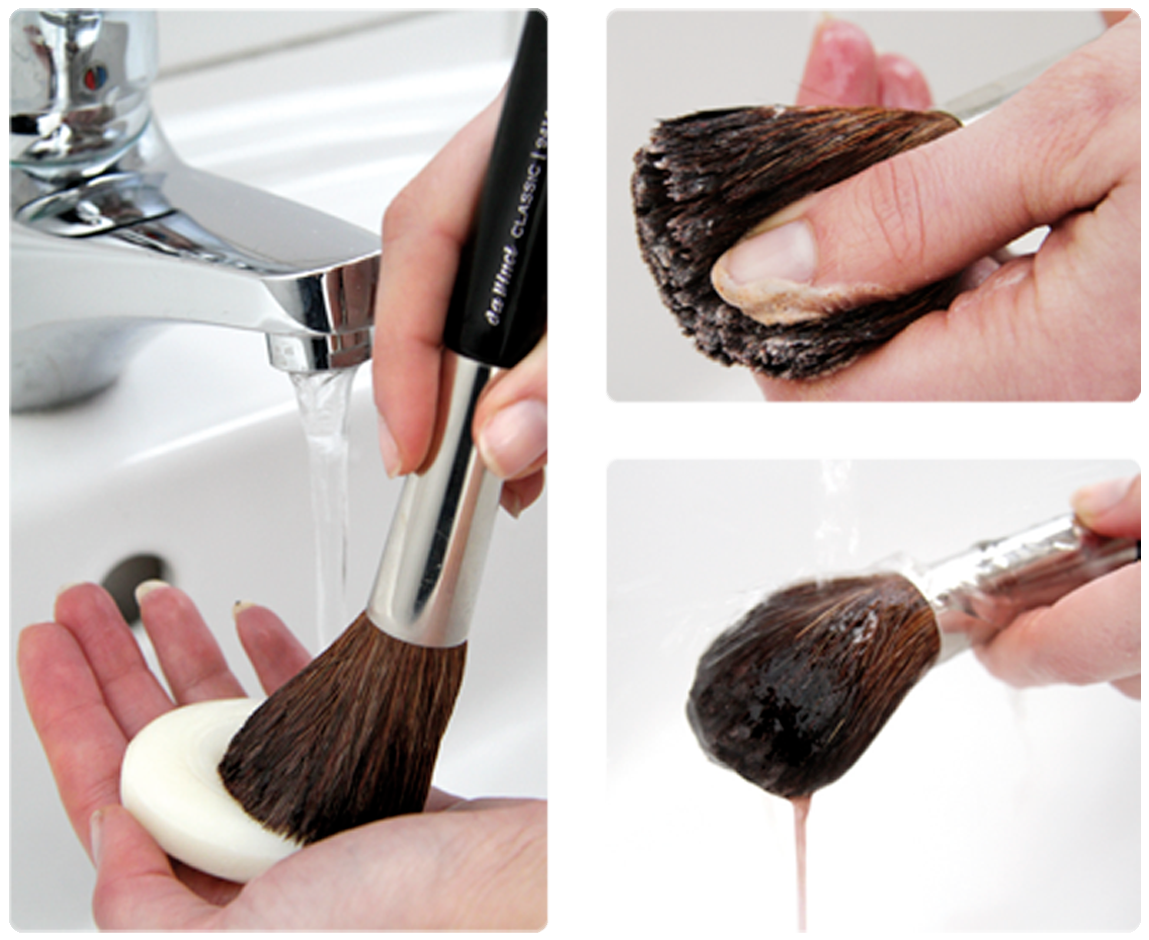
- Soap Bars:Solid soaps made for brushes can be gentle and effective, especially for natural bristles. They tend to last longer but may take more effort to rinse out.
- Sprays:Quick-dry sprays work best for light, daily cleaning. They won’t deep clean but refresh your brushes between uses.
Think about how often you clean your brushes and how much time you want to spend on the process. That will help you narrow down the type that fits your lifestyle.
Natural Vs. Commercial Cleaners
You might wonder if natural brush cleaners really work as well as commercial ones. Natural options like olive oil mixed with dish soap or castile soap can be gentle and safe for sensitive skin.
Commercial cleaners usually contain ingredients that break down heavy makeup faster and kill bacteria more effectively. However, they may include chemicals that irritate some skin types.
Have you tried both? Some people prefer natural cleaners to avoid harsh chemicals, while others stick to commercial ones for a deeper clean. Think about your skin’s sensitivity and what your brushes encounter daily.
Factors To Consider
When choosing your brush cleaner, keep a few key things in mind:
- Brush Material:Natural hair brushes need gentler cleaners, while synthetic brushes can handle stronger formulas.
- Cleaning Frequency:If you clean daily, a gentle spray might be enough. For weekly deep cleans, a liquid or soap might work better.
- Skin Sensitivity:Sensitive skin means avoiding harsh chemicals or fragrances in your cleaner.
- Drying Time:Some cleaners leave brushes wetter longer, which can damage bristles or cause mildew.
What do you prioritize more: a fast clean or a gentle one? Your answers will guide you to the perfect brush cleaner for your makeup routine.
Preparing Your Brushes
Preparing your makeup brushes properly before cleaning is key to maintaining their quality and ensuring they last longer. Taking a few moments to get them ready helps the brush cleaner work more effectively and removes stubborn makeup residues. Have you ever noticed that some brushes just don’t get fully clean? The secret often lies in how you prepare them.
Removing Excess Makeup
Start by gently wiping off as much leftover makeup as you can. Use a tissue or a clean cloth to blot the brush surface without pressing too hard. This step reduces buildup and prevents your brush cleaner from getting overloaded with pigment.
If you skip this, your brush cleaner will have to work harder, which can wear out your brushes faster. Plus, it makes the cleaning process quicker and more effective. Think about your favorite foundation brush—how much product do you think is hiding in the bristles before you clean it?
Sorting Brushes By Type
Next, organize your brushes based on their type and use. Separate foundation and concealer brushes from eyeshadow and liner brushes. This helps you apply the right cleaning technique for each type and prevents color transfer during washing.
Sorting also saves time and keeps your cleaning area tidy. For instance, synthetic brushes generally require gentler cleaning solutions compared to natural hair brushes. Do you treat all your brushes the same way, or do you notice differences in how they respond to cleaning?
Step-by-step Cleaning Process
Cleaning makeup brushes with brush cleaner keeps them soft and hygienic. It removes old makeup, oils, and dirt that can harm your skin. Follow these clear steps to refresh your brushes easily. This process helps your makeup look flawless every time.
Applying The Brush Cleaner
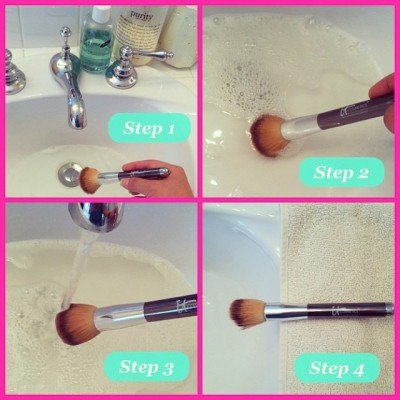
Start by pouring a small amount of brush cleaner into a clean bowl or use it directly on the brush. Gently dip the brush bristles into the cleaner. Make sure only the bristles touch the cleaner, not the handle. This prevents damage to the brush handle and glue.
Gentle Scrubbing Techniques
Use your fingers or a cleaning mat to gently rub the bristles. Move in small circles to loosen makeup and dirt. Avoid pressing too hard to protect the bristles from breaking. Repeat the motion until the brush looks clean.
Rinsing Properly
Rinse the brush under lukewarm water. Keep the bristles pointing down to avoid water entering the handle. Continue rinsing until the water runs clear. This step removes all cleaner and leftover makeup.
Drying Methods
Gently squeeze out excess water with a clean towel. Reshape the brush bristles carefully. Lay the brushes flat on a towel with the bristles hanging off the edge. Let them air dry completely before using again. Avoid drying brushes upright to stop water damage.
Credit: www.lemon8-app.com
Deep Cleaning Tips
Deep cleaning your makeup brushes is essential to keep them in top shape and protect your skin from breakouts and irritation. Using a regular brush cleaner is great for quick cleans, but sometimes your brushes need a more thorough treatment. These deep cleaning tips will help you remove stubborn makeup residue, oils, and bacteria that hide deep within the bristles.
Using Oil-based Cleaners
Oil-based cleaners break down tough makeup like waterproof mascara and long-lasting foundation better than water-based ones. You can use natural oils like coconut or olive oil, or purchase a specialized oil-based brush cleaner. Apply a small amount to your brush, massage gently, and rinse with warm water.
Using oil-based cleaners not only removes makeup effectively but also helps condition the bristles, keeping them soft and flexible. Have you noticed how some brushes feel dry or brittle? This method can bring them back to life.
Soaking Brushes Overnight
Sometimes, a quick rinse isn’t enough. Soaking your brushes overnight in a gentle brush cleaner solution can loosen hardened makeup and dirt deep inside. Fill a cup with warm water and a few drops of your brush cleaner, then submerge the brushes with the bristles facing down.
Make sure to lay them flat or hang them to dry after soaking to avoid water seeping into the handle, which can weaken the glue. This little extra time can save you from scrubbing endlessly and extend the life of your brushes.
Using Brush Cleaning Tools
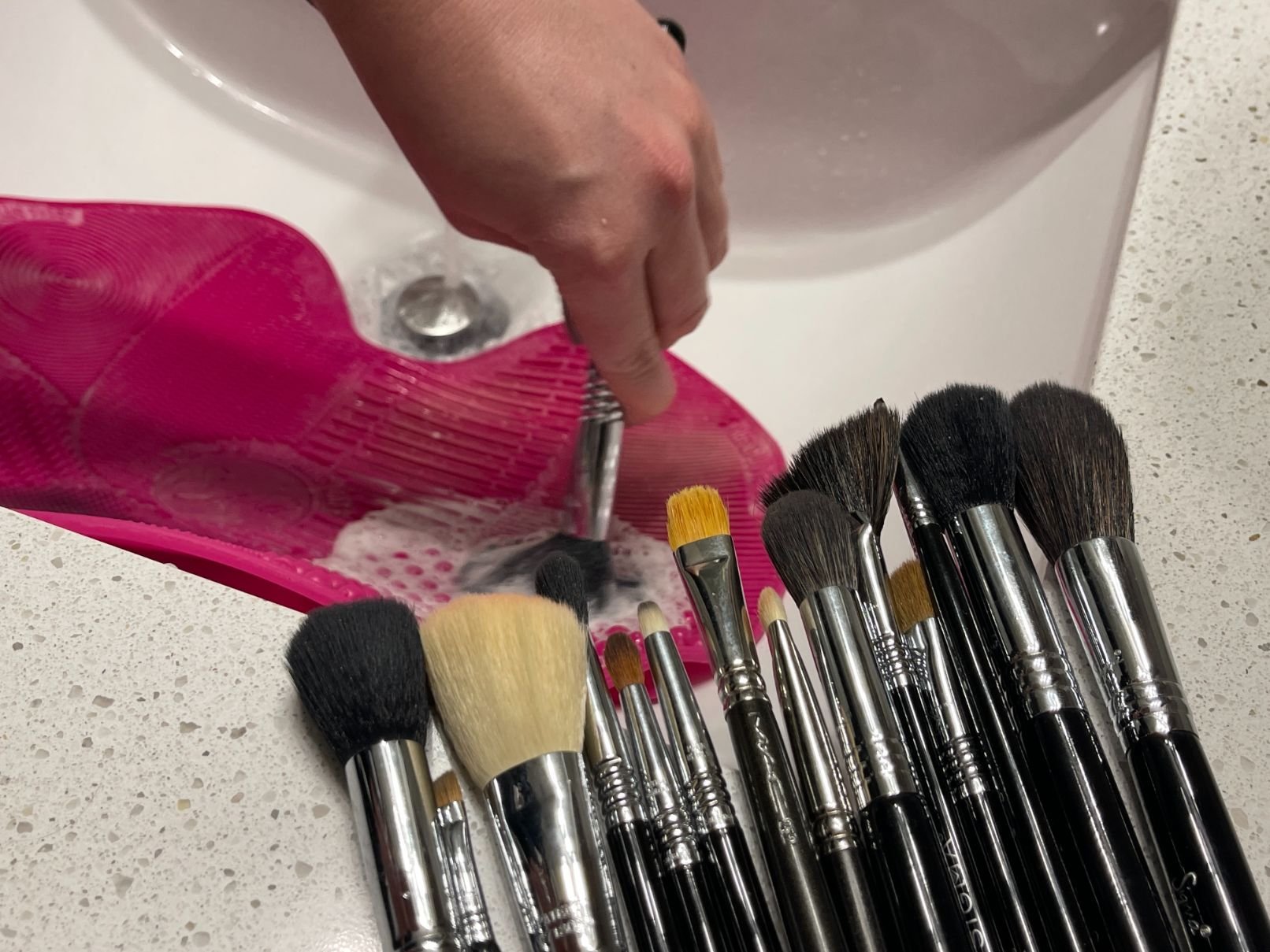
Brush cleaning tools like silicone mats or gloves with textured surfaces can make deep cleaning easier and more effective. These tools help you scrub your brushes without damaging the bristles, ensuring a thorough clean.
Simply apply your brush cleaner onto the tool, swirl your brush over it, and watch the makeup residue lift away. Do you find hand cleaning tiring or messy? These tools can save you time and effort while giving your brushes a professional-level clean.
Maintaining Brush Hygiene
Maintaining brush hygiene is crucial for keeping your skin healthy and your makeup flawless. Dirty brushes can harbor bacteria, cause breakouts, and affect the way your makeup applies. Using a quality brush cleaner regularly helps you avoid these issues and extends the life of your brushes.
How Often To Clean Brushes
Ask yourself how often you wear makeup and how sensitive your skin is. If you use your brushes daily, cleaning them at least once a week is essential. For brushes used around the eyes, like eyeliner or mascara brushes, cleaning after each use can prevent infections.
I once ignored cleaning my foundation brush for weeks and noticed my skin breaking out. After switching to a weekly cleaning routine, my skin cleared up dramatically. Your brushes should never feel greasy or sticky—if they do, it’s time to clean.
Storage Tips To Prevent Contamination
Storing your brushes properly keeps them clean longer. Avoid leaving brushes out in the open where dust and bacteria can settle on the bristles.
- Use a brush holder with a lid or a clean container.
- Keep brushes upright to maintain their shape and prevent damage.
- Make sure brushes are completely dry before storing to stop mold growth.
Have you checked your brush storage lately? A quick change in where you keep your brushes can reduce contamination risks significantly.
Signs Your Brushes Need Cleaning
Not sure when your brushes need cleaning? Look for these clear signs:
- Makeup colors blending oddly or appearing patchy.
- Brush bristles feeling stiff, sticky, or clumpy.
- An unpleasant odor coming from the brushes.
- Visible buildup of makeup or dirt on the bristles.
Ignoring these signs can lead to skin irritation and poor makeup results. If your brush shows any of these, grab your brush cleaner and give it a good wash.
Common Mistakes To Avoid
Cleaning makeup brushes is essential for healthy skin and flawless makeup. Avoiding common mistakes can keep your brushes in great shape for longer. These errors can damage the bristles or reduce the brush’s effectiveness.
Learn what to avoid to make your brush cleaning routine safe and effective.
Using Harsh Chemicals
Harsh chemicals can ruin brush bristles quickly. Avoid bleach or strong detergents. These can dry out the bristles and cause shedding. Use gentle brush cleaners made for makeup tools. They clean well without damaging the fibers.
Overwetting Brush Handles
Water should touch only the bristles, not the handle. Overwetting handles loosens glue that holds bristles in place. This causes bristles to fall out and weakens the brush. Keep the handle dry during cleaning to extend brush life.
Improper Drying Techniques
Drying brushes upright lets water drip into the handle. This damages the glue and handle over time. Lay brushes flat on a towel to dry. Shape the bristles gently before drying. Avoid using hairdryers or direct sunlight. These can deform or weaken the bristles.
Credit: www.davinci-makeupbrushes.com
Frequently Asked Questions
How Often Should I Clean Makeup Brushes With Brush Cleaner?
You should clean makeup brushes with brush cleaner at least once a week. Regular cleaning prevents bacteria buildup and keeps brushes effective for flawless makeup application.
Can Brush Cleaner Remove All Makeup Residue Effectively?
Yes, a good brush cleaner removes all makeup residue, oils, and dirt. It ensures brushes stay hygienic, extending their lifespan and improving makeup results.
Is Brush Cleaner Safe For All Brush Types?
Most brush cleaners are safe for synthetic and natural bristles. Always check the product label to confirm compatibility to avoid damaging your brushes.
How Long Does It Take To Dry Brushes After Cleaning?
Brushes usually dry within 1-2 hours after cleaning with brush cleaner. Proper drying prevents bacteria growth and maintains brush shape for better use.
Conclusion
Cleaning makeup brushes with brush cleaner keeps them fresh and safe to use. It helps remove dirt, oil, and bacteria that build up over time. Clean brushes also improve makeup application and protect your skin. Regular cleaning makes your brushes last longer and work better.
Take a few minutes to wash them after every use or at least once a week. Your skin and makeup will thank you. Simple care leads to great results.
