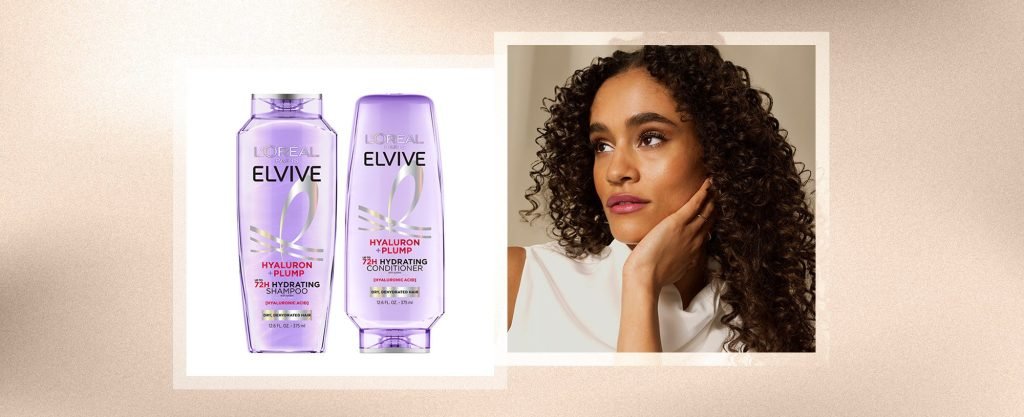
Struggling with dry, brittle hair that seems impossible to manage? You’re not alone.
Dry hair can be frustrating, leaving you feeling less confident and more concerned about your hair’s health. But what if we told you that the secret to luscious, hydrated locks is just a few steps away? Imagine running your fingers through smooth, silky hair that radiates health and vitality.
Sounds amazing, right? You’ll discover essential tips and tricks tailored specifically for your dry hair needs. Get ready to unlock the secrets to transforming your hair from dull and lifeless to vibrant and full of life. Keep reading, because your hair deserves to shine!
Causes Of Dry Hair
Dry hair is a common problem that affects many people. It feels rough, looks dull, and breaks easily. Understanding what causes dry hair helps you take better care of it. Several factors can strip moisture and damage your hair’s natural oils.
Environmental Factors
Sun exposure can dry out hair strands. Cold weather also reduces moisture in hair. Wind can tangle and weaken hair fibers. Pollution adds dirt and toxins, making hair brittle. These conditions remove natural oils and make hair rough.
Heat Styling Damage
Using flat irons, curling wands, and blow dryers often harms hair. High heat removes moisture and weakens hair structure. Hair becomes dry and prone to split ends. Frequent heat styling breaks the protective outer layer.
Chemical Treatments
Hair coloring, perming, and relaxing use strong chemicals. These chemicals strip natural oils and damage hair cuticles. Over time, hair loses moisture and shine. Chemical treatments make hair fragile and dry.
Nutritional Deficiencies
Poor diet affects hair health deeply. Lack of vitamins and minerals reduces moisture and strength. Hair may become thin, dry, and lifeless. Eating balanced meals supports hair hydration and growth.
Signs Of Dehydrated Hair
Dehydrated hair lacks moisture and natural oils. It feels dry and looks unhealthy. Knowing the signs helps to care for it better. Here are common signs to watch for.
Dullness And Brittleness
Dry hair loses its natural shine and looks dull. It feels brittle and snaps easily. Hair may appear lifeless and lack bounce.
Split Ends And Breakage
Dehydrated hair often shows split ends at the tips. The strands break more during brushing or styling. This leads to uneven hair length and damage.
Frizz And Rough Texture
Hair feels rough to touch and frizzes out of control. It lacks smoothness and looks messy. The cuticle layer is raised, causing the texture change.
Daily Hair Care Habits
Taking care of dry hair every day can feel like a challenge, but small changes in your routine can make a big difference. The key is to treat your hair gently and provide it with the moisture it craves. Let’s look at some daily habits that help keep dry hair healthy and vibrant.
Gentle Shampooing Techniques
Harsh scrubbing can strip your hair of natural oils, making dryness worse. Use lukewarm water and massage your scalp softly with your fingertips instead of nails.
Focus shampoo on the scalp, not the entire length of your hair. The suds will naturally cleanse the strands as they rinse out.
Try rinsing thoroughly but gently to avoid buildup. Have you noticed your hair feels drier after washing? Changing how you shampoo could be the fix.
Choosing Moisturizing Products
Look for shampoos and conditioners labeled “hydrating” or “for dry hair.” Ingredients like argan oil, shea butter, and glycerin add moisture without weighing hair down.
Leave-in conditioners or hair oils can provide extra hydration during the day. I found that a small amount of coconut oil applied to the ends transformed my dry, brittle hair overnight.
Be mindful of products with alcohol or sulfates. They might dry out your hair further, undoing all your care efforts.
Avoiding Overwashing
Washing hair too often removes natural oils that protect and moisturize. Try stretching the time between washes by a day or two.
Dry shampoo can be a handy tool to keep hair fresh without stripping moisture. If you wash daily now, ask yourself: could your hair benefit from fewer washes?
Adjusting your washing frequency might feel strange at first, but your hair will thank you with softer, shinier strands.
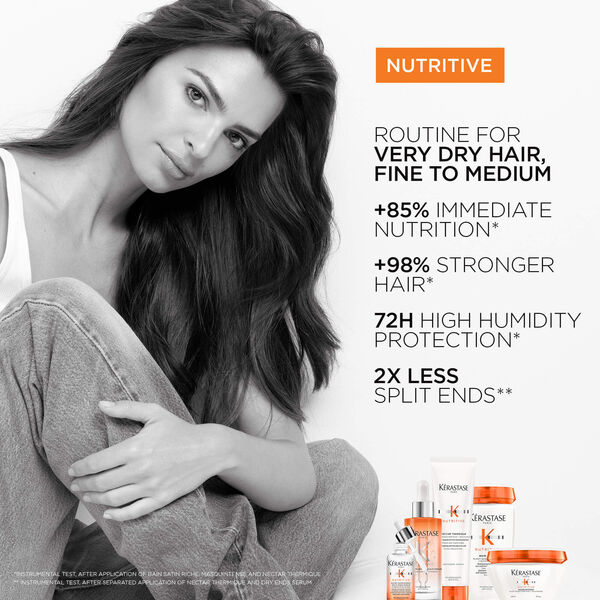
Credit: www.kerastase.ca
Deep Conditioning Treatments
Deep conditioning treatments provide intense moisture and repair for dry hair. These treatments nourish strands deeply, making hair softer and more manageable. They help restore lost oils and protect hair from damage. Using the right deep conditioner improves hair texture and shine.
Diy Natural Masks
Natural masks use simple ingredients found at home. They add moisture without harsh chemicals. Popular options include:
- Avocado and honey mask for softness
- Coconut oil and yogurt for hydration
- Banana and olive oil to reduce frizz
Apply the mask on damp hair. Leave it for 20–30 minutes. Rinse with cool water for best results.
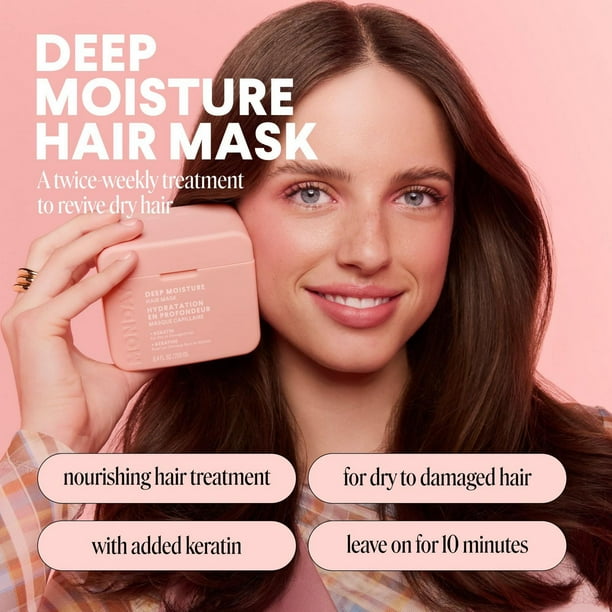
Store-bought Hydrating Masks
Store-bought masks contain special ingredients for dry hair. Look for products with:
- Shea butter or argan oil
- Keratin or protein blends
- Glycerin or aloe vera
These masks restore moisture and strengthen hair. Follow the instructions on the package carefully for best effects.
Frequency And Application Tips
Deep condition your hair once or twice weekly. More often might weigh hair down.
Apply conditioner from roots to tips. Use a wide-tooth comb to spread evenly.
Cover hair with a shower cap for warmth. This helps the conditioner absorb better.
Rinse with cool water to seal the hair cuticle and lock in moisture.
Protective Styling Tips
Protective styling is a smart approach to managing dry hair. It helps lock in moisture and reduces damage from everyday wear and tear. By choosing the right styles and accessories, you can keep your hair healthier and more vibrant.
Minimizing Heat Use
Heat styling tools can strip natural oils from dry hair, making it even more brittle. Try air-drying your hair or using heat-free styling options like braids or twists. If you must use heat, always apply a heat protectant spray first to reduce damage.
Using Silk Or Satin Accessories
Switching to silk or satin pillowcases, scrunchies, and hair wraps can prevent moisture loss. These materials cause less friction, which reduces breakage and frizz. Have you noticed how your hair feels smoother after sleeping on a satin pillowcase?
Avoiding Tight Hairstyles
Tight ponytails, buns, or braids can pull on your hair and scalp, causing breakage and stress. Opt for looser styles that still look great but give your hair room to breathe. Pay attention to any discomfort or tension—that’s a sign to loosen up your style.
Credit: www.walmart.ca
Diet And Hydration Impact
Your diet and how much water you drink play a big role in keeping your hair moisturized and healthy. Dry hair often reflects what’s happening inside your body. Eating the right foods and staying hydrated can make a noticeable difference in how soft and manageable your hair feels.
Foods That Boost Hair Moisture
Eating foods rich in healthy fats and vitamins can improve your hair’s moisture levels. Foods like avocados, nuts, and oily fish provide essential fatty acids that help keep your scalp and hair hydrated.
Don’t forget about vitamins like A, C, and E. These vitamins support natural oil production and protect hair from dryness. Sweet potatoes, spinach, and citrus fruits are great options to add to your meals.
- Avocados – rich in healthy fats and vitamin E
- Salmon and mackerel – packed with omega-3 fatty acids
- Sweet potatoes – high in vitamin A
- Spinach – loaded with vitamins A and C
- Oranges and strawberries – excellent sources of vitamin C
Importance Of Water Intake
Hydration is key to preventing dry, brittle hair. Your hair cells need water to stay plump and flexible. Without enough water, your hair can become dull and prone to breakage.
You might wonder how much water is enough. Aim for at least 8 glasses a day, but listen to your body. If you exercise or live in a hot climate, you may need more.
Have you noticed your hair feels better on days you drink more water? That’s because hydration works from the inside out, supporting overall hair health and shine.
When To See A Professional
Knowing when to see a professional for your dry hair can save you from prolonged damage and frustration. Sometimes, home remedies and over-the-counter products just aren’t enough. Recognizing the right moment to seek expert help ensures your hair gets the care it truly needs.
Signs Hair Needs Expert Care
Is your hair breaking off in chunks rather than just a few strands? Persistent dryness that doesn’t improve despite regular moisturizing is a red flag.
Look for these signs:
- Excessive split ends and breakage
- Scalp irritation or constant itching
- Dullness that won’t go away after washing
- Hair feels coarse and straw-like, even after conditioning
- Loss of hair density or noticeable thinning
If you notice any of these, it’s a clear sign your hair needs more than just a routine wash and conditioner.
Treatments Offered By Professionals
Hair specialists use treatments tailored to restore moisture and repair damage at a deeper level than home care can achieve. These treatments often include:
- Deep conditioning maskswith professional-grade ingredients that penetrate hair fibers
- Scalp treatmentsto address dryness or irritation, improving hair growth conditions
- Protein treatmentsto rebuild weakened hair strands
- Customized haircutsto remove damaged ends and promote healthy growth
- Laser therapyor other advanced options for severe cases of hair thinning
Have you ever experienced how a single professional treatment made your hair feel instantly softer and more manageable? That’s the power of expert care.

Credit: www.amazon.ca
Frequently Asked Questions
What Causes Dry Hair And How To Prevent It?
Dry hair is caused by lack of moisture, over-washing, heat, and harsh products. Use moisturizing shampoos and conditioners, avoid hot water, and limit heat styling. Regular deep conditioning treatments help restore hydration and prevent dryness effectively.
How Often Should I Wash Dry Hair?
Washing dry hair 2-3 times a week is ideal. Over-washing strips natural oils, causing more dryness. Use sulfate-free shampoos and conditioners to maintain moisture and keep hair healthy and hydrated between washes.
Which Ingredients Help Hydrate Dry Hair Best?
Look for ingredients like argan oil, shea butter, coconut oil, and aloe vera. These natural moisturizers deeply nourish and repair dry hair. Products with glycerin and hyaluronic acid also help retain moisture and improve hair softness.
Can Dry Hair Be Repaired Naturally At Home?
Yes, dry hair can improve with home remedies like coconut oil masks, honey treatments, and aloe vera gel. These natural options moisturize, reduce frizz, and add shine when used regularly, promoting healthier and softer hair over time.
Conclusion
Dry hair needs gentle care and regular moisture. Use mild shampoos and deep conditioners often. Avoid heat styling and harsh chemicals to protect strands. Drink plenty of water for healthy hair from inside. Trim split ends to keep hair looking fresh.
Choose natural oils like coconut or argan for extra softness. Small daily steps make a big difference over time. Healthy hair is possible with simple, consistent care. Keep your routine easy and stick to it. Your hair will thank you with shine and strength.
