
Imagine strolling through campus with a hairstyle that perfectly complements your vibe and boosts your confidence. University hair care isn’t just about looking good; it’s about feeling your best every single day.
Whether you’re rushing to early morning classes, preparing for a night out, or simply studying in the library, your hair plays a crucial role in your daily life. But with busy schedules and tight budgets, how do you maintain that perfect style?
This guide will reveal the secrets to achieving great hair days effortlessly, using tips and tricks tailored just for you. Ready to transform your hair game? Keep reading to discover how to make every strand count.
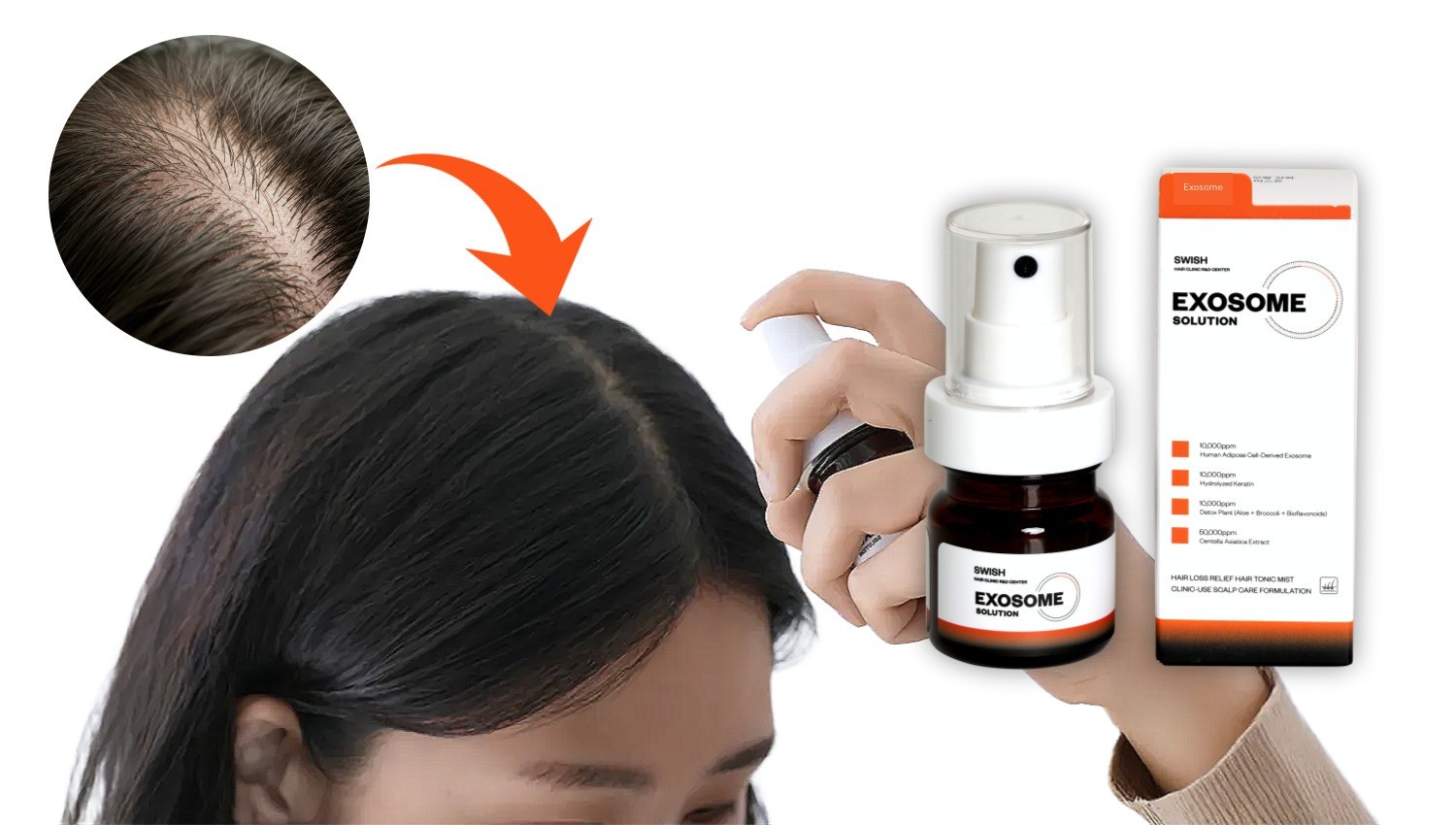
Credit: www.wadiz.kr
Daily Hair Care Routine
Maintaining a solid daily hair care routine is essential for university students juggling classes, social life, and study sessions. Your hair reflects how well you treat it every day. Small changes in your routine can make a big difference in how healthy and vibrant your hair looks and feels.
Cleansing Without Overwashing
Washing your hair too often can strip away natural oils that keep it moisturized and shiny. Instead, try washing your hair every two to three days. This helps maintain your scalp’s natural balance and prevents dryness.
If you exercise or sweat a lot, rinse your hair with water or use a gentle, sulfate-free cleanser on non-wash days. How often do you find yourself washing your hair out of habit rather than necessity?
Choosing The Right Shampoo And Conditioner
Your hair type matters when picking shampoo and conditioner. For example, if you have oily hair, look for lightweight, clarifying formulas. Dry hair benefits from moisturizing products rich in oils and proteins.
Always check the ingredients list. Avoid shampoos with harsh sulfates and conditioners with heavy silicones that can weigh your hair down. What does your current hair care product say about your hair’s needs?
Effective Drying Techniques
Rubbing your hair vigorously with a towel can cause breakage and frizz. Instead, gently squeeze out excess water and wrap your hair in a soft microfiber towel or an old cotton T-shirt.
Allow your hair to air dry as much as possible. If you use a blow dryer, set it on low heat and keep it moving to avoid heat damage. Have you noticed a difference when you switch to gentler drying methods?
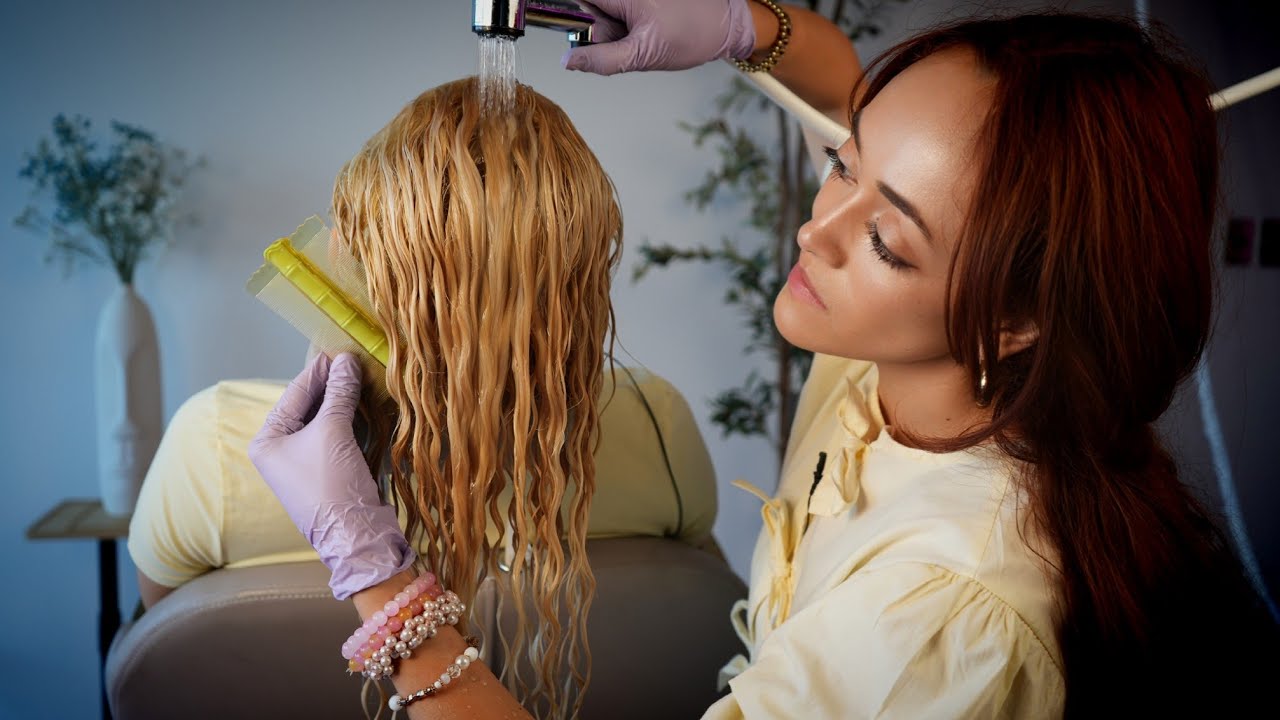
Credit: www.youtube.com
Protecting Hair On Campus
Living on campus means juggling classes, social life, and sometimes part-time work. Amid all this hustle, your hair often takes a backseat. Protecting your hair while at university doesn’t have to be complicated—it just needs smart, everyday care that fits your busy lifestyle.
Managing Stress And Its Impact On Hair
Stress can make your hair suffer more than you realize. When you’re pulling all-nighters or dealing with exams, your scalp might become oily or dry, and hair may start falling out.
Try simple stress relief tactics like quick walks or deep breathing between study sessions. These small breaks help not just your mind but also keep your hair healthier. Have you noticed your hair feels different during exam weeks? That’s your body signaling it needs care.
Shielding Hair From Environmental Damage
University campuses can expose your hair to pollution, sun, and wind, all of which can make it dry and brittle. Wearing a hat or scarf when you’re outside for long periods helps protect your strands.
Use hair products with UV protection and antioxidants to fight damage. Keeping a small bottle of leave-in conditioner in your bag is a quick fix for dryness after outdoor classes or sports.
Avoiding Heat And Chemical Overuse
It’s tempting to style your hair with straighteners or curlers before a night out, but frequent heat damages your hair over time. Chemicals from dyes and treatments also weaken hair, making it prone to breakage.
Reserve heat styling for special occasions and opt for natural hairstyles on regular days. If you color your hair, give it regular deep conditioning treatments to keep it strong. How often do you let your hair rest from heat and chemicals?
Styling Tips For Busy Students
University life is fast and full of activities. Students often find little time for hair care and styling. Simple and quick hairstyles help maintain a neat look. Easy routines save time and reduce stress.
Using fewer products keeps hair healthy and avoids buildup. Accessories add a touch of style without extra effort. These tips fit perfectly into a busy student’s daily life.
Quick And Easy Hairstyles
Choose hairstyles that take minutes to do. A ponytail or bun works well for all hair types. Braids keep hair tidy and stylish. Half-up styles offer a neat, relaxed look. These styles need little practice or tools.
Using Minimal Products For Maximum Effect
Pick lightweight shampoos and conditioners for daily use. A small amount of leave-in conditioner prevents dryness. Dry shampoo refreshes hair between washes. Avoid heavy gels or sprays that weigh hair down. Minimal products save time and keep hair clean.
Incorporating Accessories For Style
Hairbands and clips add style without much effort. Scarves can brighten simple hairstyles. Use scrunchies to protect hair and add color. Accessories help create variety without extra styling time. They make plain looks more interesting and fun.
Nutrition And Hair Health
Good nutrition plays a key role in maintaining healthy hair. The hair needs vitamins, minerals, and water to grow strong and shine. Poor diet can make hair dry, weak, and prone to breakage. Eating the right foods helps keep hair thick and healthy.
Understanding the nutrients that support hair health can guide better food choices. Simple changes in diet can improve hair texture and reduce hair loss. Staying hydrated also impacts hair strength and scalp condition.
Essential Vitamins And Minerals
Vitamins and minerals nourish hair follicles and promote growth. Important nutrients include:
- Vitamin A: Helps produce scalp oils to keep hair moisturized.
- Vitamin B7 (Biotin): Supports hair structure and prevents hair loss.
- Vitamin C: Aids collagen production, strengthening hair strands.
- Vitamin D: May help create new hair follicles.
- Iron: Carries oxygen to hair roots for growth.
- Zinc: Repairs hair tissue and keeps oil glands working.
Hydration And Its Role
Water keeps hair hydrated from inside out. It prevents dryness and brittleness. Drinking enough water helps maintain scalp moisture. A dry scalp can cause itching and dandruff, harming hair health.
Proper hydration supports circulation, bringing nutrients to hair follicles. Aim to drink at least eight glasses of water daily for strong hair.
Foods That Promote Strong Hair
Eating nutrient-rich foods boosts hair growth and strength. Include these in your diet:
- Eggs: High in protein and biotin.
- Spinach: Rich in iron and vitamins A and C.
- Salmon: Full of omega-3 fatty acids and vitamin D.
- Nuts and seeds: Provide zinc, vitamin E, and healthy fats.
- Sweet potatoes: Loaded with beta-carotene, which converts to vitamin A.
- Greek yogurt: Contains protein and vitamin B5 for hair health.
Dealing With Common Hair Issues
University life can be stressful, and hair often shows it first. Common hair issues like dryness, breakage, and oily scalp affect many students. These problems can lower confidence and cause discomfort. Simple care routines can help keep hair healthy and strong. Understanding each issue helps in choosing the right solutions.
Combatting Dryness And Frizz
Dry hair feels rough and looks frizzy. Harsh weather and frequent washing cause this. Use a gentle shampoo designed for dry hair. Condition regularly to add moisture back. Avoid hot water when washing hair; use lukewarm instead. Air drying is better than heat styling tools. Applying natural oils like coconut or argan oil helps seal moisture. Protect hair with a scarf or hat in cold weather.
Preventing Hair Breakage
Breakage happens when hair is weak or damaged. Over-brushing and tight hairstyles pull hair too hard. Use a wide-tooth comb to detangle gently. Avoid elastic bands that cause pulling. Trim hair every 6-8 weeks to remove split ends. Protein treatments strengthen hair strands. Eating a balanced diet rich in vitamins supports hair health. Stay hydrated to keep hair flexible and less likely to break.
Handling Oily Scalp Problems
An oily scalp feels greasy and looks shiny. Stress and hormones often increase oil production. Wash hair regularly with a mild shampoo to remove excess oil. Avoid heavy conditioners on the scalp area. Use dry shampoo to absorb oil between washes. Rinse hair thoroughly to prevent residue buildup. Keep hands off your hair to avoid spreading oils. Opt for loose hairstyles to reduce scalp irritation.
Budget-friendly Hair Care
Keeping your hair healthy and stylish while on a university budget might seem tough, but it’s totally doable. Smart choices in products and routines can save you money without sacrificing your hair’s health. Let’s look at how you can care for your hair without breaking the bank.
Affordable Product Choices
You don’t need fancy brands to keep your hair clean and nourished. Look for drugstore shampoos and conditioners that match your hair type—many are just as effective as high-end ones.
Consider buying multi-purpose products, like a conditioner that also works as a leave-in treatment. This cuts down on costs and the number of items cluttering your shelf.
Check out local stores for sales or discounts, and don’t hesitate to try smaller sizes first to avoid wasting money on products that might not suit your hair.
Diy Hair Masks And Treatments
Homemade hair masks can be powerful and wallet-friendly. Ingredients like honey, yogurt, avocado, and coconut oil often live in your kitchen and can deeply nourish your hair.
Mixing these natural ingredients creates treatments tailored to your hair’s needs—dry, oily, or damaged. This way, you control what goes on your hair and avoid unnecessary chemicals.
Have you ever tried a DIY mask? You might be surprised how simple and effective these natural treatments are for maintaining softness and shine.
Maximizing Salon Visits
Salon visits can be pricey, but you can stretch their value with some smart planning. Schedule appointments for essential services only, like trims to prevent split ends and maintain shape.
Ask your stylist for advice on how to care for your hair between visits. Many professionals share tips on products or routines that keep your hair healthy longer.
Consider booking appointments during off-peak hours or student discount days. This strategy helps you get professional care without the usual high price tag.

Credit: www.wiltshire.ac.uk
Frequently Asked Questions
How To Maintain Healthy Hair In University?
Maintain healthy hair by washing it regularly with mild shampoo. Use conditioner to keep hair soft. Avoid excessive heat styling and eat a balanced diet rich in vitamins. Stay hydrated and protect hair from sun damage to keep it strong and shiny.
What Are The Best Hair Care Products For Students?
Choose gentle shampoos and conditioners suited for your hair type. Look for sulfate-free and paraben-free formulas. Dry shampoos are convenient for busy schedules. Hair oils and leave-in conditioners help nourish hair without much effort. Always prioritize products with natural ingredients.
How Often Should University Students Wash Their Hair?
Washing frequency depends on hair type. Oily hair may need washing every 1-2 days. Dry hair can be washed 2-3 times a week. Overwashing strips natural oils, causing dryness. Adjust washing routine based on scalp condition and lifestyle.
Can Stress Affect Hair Health During University?
Yes, stress can cause hair loss and dryness. It disrupts the hair growth cycle and weakens follicles. Managing stress through exercise, sleep, and relaxation helps maintain healthy hair. Consider scalp massages to improve circulation and reduce tension-related hair issues.
Conclusion
Taking care of your hair in university is simple and important. Healthy hair helps you feel confident every day. Choose gentle products that suit your hair type. Avoid harsh treatments and give your hair time to rest. Drinking water and eating well also support strong hair.
Small habits, like not using heat too often, make a big difference. Keep a routine that fits your busy life. Your hair will thank you with shine and strength. Stay consistent, and enjoy looking your best while studying and socializing.
