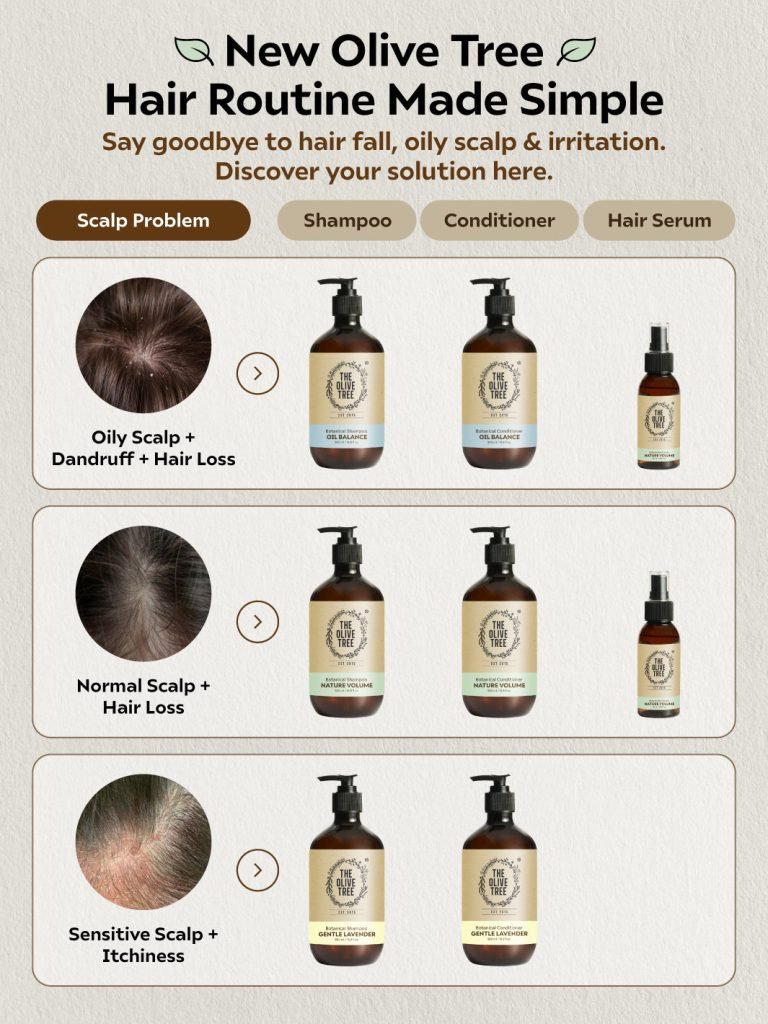
Ever feel overwhelmed by the endless array of hair care products staring back at you on the shelf? You’re not alone.
With so many options, figuring out the right hair care order can seem like a puzzle. But getting it right is crucial. Why? Because using products in the correct sequence can make a world of difference to your hair’s health and appearance.
Imagine running your fingers through soft, shiny strands every day. Sounds amazing, right? We’ll unravel the mystery of the perfect hair care routine. You’ll discover simple steps that can transform your hair from dull and lifeless to vibrant and full of life. Ready to unlock the secrets to flawless hair? Let’s dive in!
Preparing Your Hair
Preparing your hair properly sets the stage for healthy, manageable locks. It’s not just about washing; it’s about understanding what your hair needs before you even reach for the shampoo. Taking a moment to prepare ensures your hair absorbs products better and stays damage-free.
Choosing The Right Shampoo
Your shampoo should match your hair type and scalp condition. Are you dealing with oily roots, dry ends, or sensitive skin? Picking a shampoo that targets your specific issues makes a huge difference in results.
Look for shampoos with gentle ingredients if your scalp feels itchy or dry. For example, sulfate-free formulas clean without stripping natural oils. If your hair is color-treated, choose shampoos made to protect color and add moisture.
Think about what your hair really needs. Would a clarifying shampoo once a week help remove buildup? Or does your hair crave extra hydration every day? Knowing this helps you avoid washing with harsh products that can harm your hair over time.
How To Properly Wet Hair
Many people rush this step, but wetting your hair thoroughly is essential. Use lukewarm water to open your hair cuticles gently—hot water can dry out your scalp, while cold water might not clean well enough.
Start by letting water run through your hair for at least 30 seconds. This helps loosen dirt and prepares your strands for shampoo. Pay attention to the scalp and roots where most oils and dirt collect.
Are you applying shampoo to dry hair? That can cause uneven cleaning and tangling. Make sure your hair is evenly soaked before applying any product to avoid these problems.

Credit: www.phamilyhair.com
Cleansing Techniques
Cleansing hair properly lays the foundation for healthy hair. It removes dirt, oil, and buildup from the scalp and strands. Good cleansing techniques protect hair from damage and keep it fresh longer. Understanding how to shampoo and rinse correctly can improve hair texture and shine.
Effective Shampoo Application
Start by wetting your hair thoroughly with warm water. Use a small amount of shampoo, about the size of a quarter. Apply shampoo to your scalp, not the ends. Focus on areas that get oily or dirty the most. Work the shampoo gently with your fingertips, not nails. Avoid rough scrubbing that can hurt the scalp and hair.
Scalp Massage Tips
Massage your scalp in small, circular motions. Use the pads of your fingers, not your nails. This helps boost blood flow and promotes hair growth. Spend at least one minute massaging to relax and clean deeply. A good massage also helps break up oil and dead skin.
Rinsing Thoroughly
Rinse hair well with cool or lukewarm water. Make sure all shampoo is washed out completely. Leftover shampoo can cause itching and dryness. Tilt your head to rinse all parts evenly. Take your time to avoid leaving residue behind. Good rinsing leaves hair clean and soft.
Conditioning Essentials
Conditioning is a key step in your hair care routine that can make a big difference in how your hair looks and feels. It helps repair damage, adds moisture, and protects your strands from daily wear and tear. Understanding the essentials of conditioning can save you from common mistakes that leave hair dull or weighed down.
Selecting The Best Conditioner
Choosing the right conditioner depends on your hair type and concerns. If you have dry or damaged hair, look for rich, moisturizing formulas with ingredients like shea butter or argan oil. For fine or oily hair, lighter conditioners with protein or aloe vera can add moisture without heaviness.
Think about what your hair really needs. Do you want volume, repair, or shine? Matching your conditioner to these goals ensures better results. Have you ever tried a conditioner that felt heavy or left residue? That’s often a sign it wasn’t right for your hair type.
Proper Conditioner Application
Applying conditioner correctly can boost its effectiveness. Focus on the mid-lengths and ends where hair tends to be driest. Avoid the scalp unless you have very dry skin, as this can make hair look greasy.
After shampooing, gently squeeze out excess water before applying conditioner. This helps your hair absorb moisture better. Leave it on for the recommended time—usually 2 to 5 minutes—to let the ingredients work.
Leave-in Vs Rinse-out Conditioners
Understanding the difference can transform your hair care routine. Rinse-out conditioners are designed for use during your shower and are washed off after a few minutes. They smooth the hair cuticle and add moisture temporarily.
Leave-in conditioners stay on your hair after washing and provide ongoing hydration and protection. They are especially useful for dry, curly, or frizz-prone hair. Have you noticed how some days your hair needs extra care? A leave-in conditioner can be a quick fix to keep strands soft throughout the day.
Deep Treatments And Masks
Deep treatments and masks provide intense care for your hair. They restore moisture and strengthen strands. These products target damage from heat, chemicals, and weather. Using them regularly improves hair texture and shine. Understanding how and when to use them is key for best results.
When To Use Deep Conditioning
Use deep conditioning once a week or every two weeks. Choose this treatment if hair feels dry or brittle. It helps repair damage after coloring or heat styling. Apply before shampooing for extra hydration. Deep conditioning is also good after swimming in chlorinated water.
Applying Hair Masks Correctly
Start with clean, damp hair for better absorption. Apply the mask evenly from roots to tips. Use fingers or a wide-tooth comb to spread it well. Leave the mask on for the time suggested on the package. Wrap hair in a warm towel to boost effectiveness. Rinse thoroughly with lukewarm water to avoid residue.
Drying Methods
Drying your hair is a crucial step that can either protect or damage your strands depending on how you do it. The right drying method can preserve moisture and strength, while the wrong one can lead to breakage and frizz. Understanding the best ways to dry your hair helps you keep it healthy and looking great every day.
Towel Drying Without Damage
Towel drying seems simple, but many people do it in a way that harms their hair. Instead of rubbing your hair vigorously, try gently squeezing and patting it with a soft, microfiber towel or an old cotton T-shirt. This reduces friction and prevents hair cuticles from roughening up, which can cause frizz and breakage.
Have you noticed your hair feels rough or frizzy right after towel drying? That’s often the result of aggressive rubbing. Switching to a gentle blotting technique can make a noticeable difference in how smooth your hair looks afterward.
Air Drying Vs Blow Drying
Air drying is often praised for being gentle, but it’s not always the best choice if you leave your hair wet for too long. Damp hair is more vulnerable to damage and can lead to scalp issues if moisture lingers. On the other hand, blow drying can dry your hair quickly but comes with the risk of heat damage if not done properly.
To protect your hair when blow drying, use a heat protectant spray and keep the dryer at a moderate temperature. Try to keep the dryer moving constantly rather than focusing heat on one spot. This helps avoid overheating and keeps your hair’s natural shine intact.
Which drying method fits your lifestyle better? Sometimes combining air drying with a quick, gentle blow dry on the ends works best for healthy, manageable hair.

Credit: www.threads.com
Styling And Protection
Styling your hair can be a fun way to express yourself, but it also demands careful protection to keep your locks healthy. Without the right approach, heat and styling products can cause damage that’s hard to reverse. Let’s dive into how you can style confidently while shielding your hair from harm.
Heat Protectants And Serums
Heat protectants act like a shield between your hair and the damaging effects of high temperatures. Applying a spray or serum before using tools like straighteners or curling irons reduces moisture loss and prevents breakage.
Serums not only protect but also add shine and smooth frizz. Choose lightweight formulas that won’t weigh your hair down or make it greasy. Have you noticed how some protectants leave residue? Testing a small amount first helps you avoid buildup.
Best Practices For Heat Styling
Using heat styling tools wisely saves your hair from unnecessary damage. Always set your device to the lowest effective temperature; high heat isn’t always necessary to achieve your desired look.
Limit heat styling sessions to avoid overexposure. Try air-drying your hair partially before styling to reduce time under heat. Also, clean your tools regularly—dirt and product buildup can cause uneven heat distribution, leading to hot spots that burn strands.
Daily Styling Tips
Daily styling doesn’t have to stress your hair. Opt for gentle hairstyles like loose braids or buns that don’t pull on your scalp. When brushing, use a wide-tooth comb on wet hair to minimize breakage.
Try to avoid excessive product use; layering sprays, gels, and mousses can weigh hair down and cause buildup. Have you tried switching to silk pillowcases? They reduce friction, helping maintain your style longer and protecting hair overnight.
Maintenance And Care
Maintaining healthy hair requires consistent care and attention. Proper maintenance helps prevent damage and keeps hair strong. Simple habits can improve hair texture and shine. Focus on routines that protect and nourish hair daily.
Regular Trims For Healthy Hair
Trimming hair regularly removes split ends and prevents breakage. It encourages hair to grow stronger and look neat. Aim to trim hair every 6 to 8 weeks. This small step helps maintain hair health and shape.
Nighttime Hair Care Routines
Nighttime care protects hair while sleeping. Use a silk or satin pillowcase to reduce friction. Avoid tight hairstyles that pull hair during sleep. Gently brush hair before bed to prevent tangles. These habits keep hair smooth and reduce damage.

Credit: www.number4hair.com
Frequently Asked Questions
What Is The Correct Hair Care Order For Best Results?
The correct hair care order is shampoo, conditioner, and then styling products. This sequence cleans, hydrates, and protects your hair effectively.
Should I Apply Conditioner Before Or After Shampoo?
Always apply conditioner after shampoo. Shampoo cleans your scalp, while conditioner nourishes and moisturizes your hair strands.
How Does Hair Care Order Affect Hair Health?
Following the right hair care order ensures balanced moisture and cleanliness. It prevents damage, frizz, and dryness, promoting healthy, shiny hair.
Can I Use Multiple Hair Products In One Routine?
Yes, use products from lightest to heaviest. Start with water-based, then cream, and finish with oils or serums to avoid buildup.
Conclusion
Following the right hair care order helps keep your hair healthy. Cleanse your scalp first, then condition to lock in moisture. Use treatments and oils last for best results. Small changes in routine can bring big improvements. Consistency is key to seeing lasting effects.
Enjoy soft, strong hair with simple steps every day. Start today and feel the difference soon. Your hair will thank you.
