
Are you tired of your foundation looking cakey or not lasting throughout the day? You’re not alone.
Foundation makeup can be a game-changer for your beauty routine, but only if you know how to apply it correctly. Imagine stepping out with a flawless, natural-looking complexion that boosts your confidence and turns heads. In this guide, you’ll discover simple yet effective foundation makeup tips designed just for you.
Whether you’re a makeup novice or a seasoned pro, these insights will help you achieve that perfect finish every time. Ready to unlock the secrets to a flawless face? Keep reading to transform your makeup game!

Credit: www.youtube.com
Choosing The Right Foundation
Choosing the right foundation is key for a flawless makeup look. It sets the base and enhances your natural beauty. The right foundation blends seamlessly and feels comfortable on your skin.
Consider your skin tone, the formula, and your skin type. These factors help you find the perfect match that lasts all day.
Matching Skin Tone
Match foundation to your natural skin color for a smooth finish. Test shades on your jawline or wrist. Natural light shows the true color best.
A perfect match should disappear into your skin without leaving a line. Try a few shades close to your tone to compare.
Selecting The Formula
Foundation formulas vary: liquid, powder, cream, and stick. Choose based on the coverage and finish you want.
- Liquid: Good for most skin types, offers buildable coverage.
- Powder: Best for oily skin, controls shine.
- Cream: Provides full coverage, ideal for dry skin.
- Stick: Convenient and long-lasting, great for on-the-go touch-ups.
Considering Skin Type
Skin type affects how foundation looks and feels. Know your skin type before buying foundation.
- Oily skin: Use mattifying formulas to reduce shine.
- Dry skin: Hydrating foundations add moisture and glow.
- Combination skin: Choose balanced formulas that control oil and hydrate dry areas.
- Sensitive skin: Opt for gentle, fragrance-free products to avoid irritation.
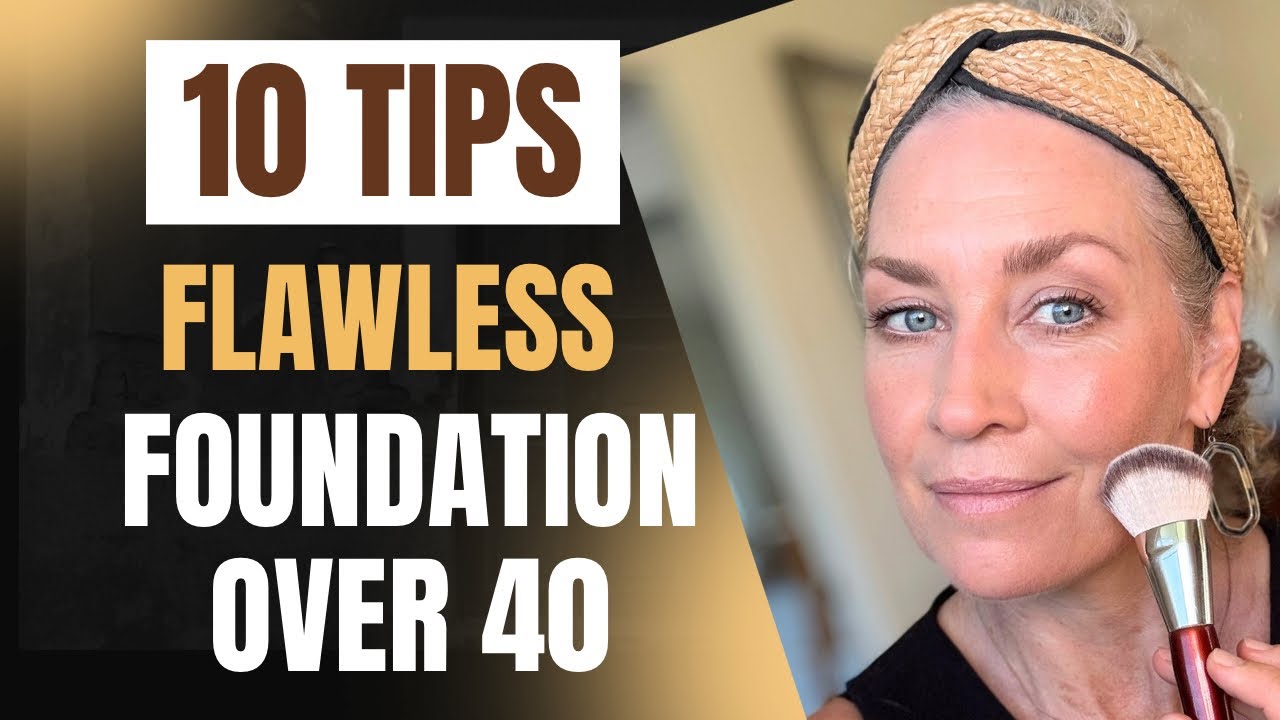
Credit: www.youtube.com
Preparing Your Skin
Preparing your skin before applying foundation is essential for a flawless look. Clean, smooth skin helps the foundation glide on easily and last longer. Skipping this step can cause makeup to patch or fade quickly. Follow these simple tips to get your skin ready and create the perfect base.
Cleansing And Moisturizing
Start with a gentle cleanser to remove dirt and oil. Clean skin prevents makeup from clogging pores or looking uneven. Use a moisturizer suitable for your skin type. It keeps your skin hydrated and smooth. Dry skin can cause foundation to crack or flake. Oily skin needs a lightweight, oil-free moisturizer to control shine.
Priming For Longevity
Apply a primer to create a smooth surface for foundation. Primers help makeup stick better and last longer. Choose a primer based on your skin type:
- Mattifying primers for oily skin
- Hydrating primers for dry skin
- Color-correcting primers to neutralize redness or dullness
Let the primer set for a minute before applying foundation.
Addressing Specific Skin Concerns
Target skin issues before foundation to improve the finish. Use a lightweight serum for acne-prone skin to calm inflammation. Apply a pore-filling primer on large pores to smooth the area. For redness, try a green-tinted corrector under foundation. Brighten dark spots with a peach or orange corrector. These small steps make a big difference in your makeup look.
Application Techniques
Foundation application techniques shape the final look and feel of your makeup. The right method ensures smooth, even coverage that lasts all day. Choosing the correct tools and blending properly helps avoid cakey or patchy results. Layering foundation carefully builds coverage without heaviness. These techniques enhance your natural skin and boost confidence.
Using Brushes Vs. Sponges
Brushes offer precise application and can cover large areas quickly. They work well for medium to full coverage. Sponges provide a softer, more natural finish. They absorb some product, so you may need more foundation. Use a damp sponge to blend foundation seamlessly into the skin. Both tools suit different skin types and looks. Experiment to find your favorite.
Layering For Coverage
Start with a thin, even layer of foundation. Apply more only where extra coverage is needed. Layering prevents a heavy or mask-like effect. Focus on areas with redness or blemishes. Let each layer dry slightly before adding the next. This technique creates a flawless, natural finish. Avoid thick layers that can crack or cake.
Blending Tips
Blend foundation outward from the center of your face. Use gentle, tapping motions with a sponge or brush. Pay attention to the jawline and hairline to avoid harsh lines. Blend into the neck for a uniform color match. Take time blending around the nose and eyes for smooth edges. Proper blending makes foundation look like real skin.
Foundation Tips For Dry Skin
Dry skin needs special care when applying foundation. It can feel tight and look flaky. Choosing the right foundation and technique helps the makeup stay smooth and fresh. Proper hydration and gentle application make a big difference.
Hydrating Formulas
Pick foundations that contain moisturizing ingredients. Look for formulas with hyaluronic acid or glycerin. These help keep skin soft and hydrated all day. Avoid powdery or matte foundations that can dry out your skin. Liquid or cream foundations often work best.
Avoiding Flakiness
Exfoliate gently before foundation to remove dead skin cells. Use a mild scrub or a soft cloth. Apply a rich moisturizer and let it absorb fully. Dab foundation lightly with a damp sponge for even coverage. Avoid rubbing or layering too much product.
Setting Without Drying
Choose setting sprays or powders designed for dry skin. Look for products with hydrating or luminous finishes. Use a light hand when applying powder to avoid cakey looks. Setting spray can add a fresh glow and keep makeup in place longer.
Foundation Tips For Oily Skin
Dealing with oily skin can make foundation application tricky. You want a smooth, shine-free finish that lasts all day without feeling heavy. The right approach can transform your makeup routine and keep your skin looking fresh.
Mattifying Products
Start with a mattifying primer to create a smooth base that controls oil. These primers often contain ingredients like silica or clay that absorb excess oil right from the start.
Choose foundations labeled as oil-free or matte finish. These formulas help reduce shine without drying out your skin, keeping it balanced throughout the day.
Have you tried powder foundations? They can be a great option for oily skin, offering buildable coverage while minimizing greasiness.
Controlling Shine
Blotting papers are your best friend for quick shine control without disturbing your makeup. Keep a pack handy to gently press on oily areas like your T-zone.
Setting your foundation with a translucent powder can lock in your look and reduce shine. Focus on areas prone to oiliness, such as your forehead and nose.
Do you notice your skin getting oily just a few hours after application? Spritzing a mattifying setting spray can refresh your makeup and cut down on unwanted shine.
Long-lasting Fixes
Layering products correctly increases your foundation’s staying power. Start with a mattifying primer, apply foundation in thin layers, then finish with powder and setting spray.
Consider foundations with long-wear or waterproof formulas designed to withstand sweat and oil. These are especially useful if you have a busy day ahead.
Think about your skin care routine too. Using oil-control moisturizers can help reduce oil production and improve how your foundation wears.
Foundation Tips For Combination Skin
Foundation can be tricky for combination skin. This skin type has both dry and oily areas. The T-zone is usually oily, while cheeks can be dry or normal. Using one foundation all over may not work well. Different areas need different care for a smooth finish. Here are some useful tips to help balance your foundation application.
Balancing Different Areas
Start with a clean, moisturized face. Use a mattifying primer on oily zones like the forehead and nose. Apply a hydrating primer on dry cheeks and around the eyes. This helps control shine and prevents dryness. Use a light hand to avoid caking. Blend gently to smooth out uneven texture.
Targeted Application
Apply foundation in thin layers. Use a brush or sponge for precise coverage. Focus on oily areas with a matte or oil-free foundation. Use a creamy or dewy formula on dry patches. Dab gently, avoiding heavy rubbing. Spot conceal areas that need extra coverage. Build coverage slowly to keep skin looking natural.
Choosing Versatile Products
Pick foundations labeled for combination skin. Look for formulas that balance moisture and oil control. Tinted moisturizers or BB creams can work well. They offer light coverage and hydration. Avoid heavy, thick foundations that clog pores. Choose long-lasting formulas that stay put without drying out skin. Always test products on your skin before buying.
Foundation For Sensitive Skin
Choosing the right foundation for sensitive skin requires extra care. Sensitive skin often reacts to harsh chemicals and fragrances. Selecting gentle and safe products helps avoid redness and irritation. A good foundation can even soothe your skin while providing coverage.
Hypoallergenic Options
Hypoallergenic foundations reduce the risk of allergic reactions. These products avoid common irritants and allergens. Look for labels that say “hypoallergenic” or “dermatologist tested.” Mineral foundations often work well for sensitive skin. They contain fewer chemicals and provide natural coverage.
Avoiding Irritants
Avoid foundations with alcohol, fragrances, and parabens. These ingredients can cause dryness and redness. Check the ingredient list before buying. Silicones and dyes may also trigger reactions. Choose products with simple formulas and fewer components.
Soothing Ingredients
Foundations with calming ingredients help reduce irritation. Look for ingredients like aloe vera, chamomile, and green tea. These soothe the skin and reduce redness. Vitamin E and calendula also provide gentle care. Such ingredients support skin health while covering imperfections.
Touch-ups And Maintenance
Keeping your foundation fresh all day takes small, smart actions. Touch-ups and maintenance help your skin look smooth and even. These simple steps prevent your makeup from fading or looking cakey.
Knowing how to manage shine and wear keeps your face looking great. Quick fixes avoid heavy layers that can feel uncomfortable. Carrying the right tools helps you stay polished anywhere.
Blotting Techniques
Blotting removes excess oil without disturbing your foundation. Use blotting papers by pressing gently on oily areas. Do not rub or wipe, which can remove makeup.
Focus on the T-zone: forehead, nose, and chin. Blotting keeps your skin matte and fresh. It is a quick way to reduce shine and stay comfortable.
Refreshing Without Overdoing
Lightly apply a small amount of foundation or powder if needed. Use a damp makeup sponge for even blending. Avoid piling on too much product to prevent cakey skin.
Spray a facial mist to hydrate and refresh your face. This helps makeup look natural and soft. Refreshing keeps your skin healthy and makeup looking good.
Tools For On-the-go
- Compact powder with a mirror for quick touch-ups
- Blotting papers to control shine fast
- Small makeup sponge or brush for blending
- Travel-size facial mist for hydration
Keep these items in your bag for easy access. They make your touch-ups simple and quick. Being prepared helps maintain a flawless look all day.
Common Mistakes To Avoid
Foundation makeup can transform your look, but common mistakes often hold you back from achieving that flawless finish. Avoiding these errors helps your makeup look natural and last longer. Let’s explore some frequent pitfalls and how you can dodge them.
Wrong Shade Choices
Choosing the wrong foundation shade is one of the biggest foundation mistakes. Many pick a shade that’s too light or too dark, which creates an obvious line around the jaw or face. Have you ever matched your foundation in artificial light only to find it looks off outdoors? Test shades on your jawline in natural daylight to find the best match.
Don’t settle for a shade that just “looks okay.” Your foundation should seamlessly blend with your neck and chest. If you notice your face looks ashy or orange, it’s time to swap for a better shade.
Skipping Preparation Steps
Foundation doesn’t work well on dry or unprepared skin. Skipping moisturizer or primer can cause patchy, uneven coverage. I once rushed my routine and applied foundation on dry skin, which made my makeup crack within hours.
Prepare your skin properly with a lightweight moisturizer and a primer suited for your skin type. This creates a smooth base that helps your foundation glide on evenly and last longer throughout the day.
Over-application Issues
Applying too much foundation can make your skin look cakey and unnatural. It’s tempting to cover every blemish, but heavy layers often highlight imperfections instead of hiding them. Have you noticed your foundation settling into fine lines or pores after piling it on?
Use a small amount of foundation and build coverage gradually only where needed. Dab and blend with a beauty sponge or brush to keep the finish light and fresh. Less is often more when it comes to foundation.

Credit: www.shefinds.com
Frequently Asked Questions
How Do I Choose The Right Foundation Shade?
To pick the right shade, test foundation on your jawline. Match it to your neck for a natural look. Consider your undertone: cool, warm, or neutral. Always check in natural light to ensure the best match.
What Is The Best Foundation For Oily Skin?
For oily skin, use a matte or oil-free foundation. Look for long-lasting, non-comedogenic formulas that control shine. Powder or liquid foundations with mattifying properties work well. Avoid heavy, creamy foundations that can clog pores.
How Should I Apply Foundation For A Flawless Finish?
Apply foundation with a damp sponge or brush for even coverage. Start from the center of your face and blend outward. Use light, tapping motions to avoid streaks. Build coverage gradually for a natural look.
Can I Use Foundation Without Primer?
While primer isn’t mandatory, it helps foundation last longer. Primer smooths skin texture and controls oil or dryness. For best results, apply primer suited to your skin type before foundation. This enhances foundation’s wear and appearance.
Conclusion
Foundation makeup helps create a smooth, even skin tone. Choose the right shade for your skin color. Apply it with clean tools for a natural look. Blend well around the edges to avoid lines. Don’t forget to set it with powder to last longer.
Keep your skin clean and moisturized before applying foundation. Practice makes perfect, so try different methods. Enjoy feeling confident with your flawless base. Simple steps lead to great results every time.
