
Are you tired of fighting with your curly hair every morning? Do you often find yourself wishing for smooth, manageable curls that don’t frizz up at the slightest hint of humidity?
You’re not alone. Caring for curly hair can feel like a never-ending battle, but it doesn’t have to be. Imagine waking up to beautifully defined curls that bounce and shine effortlessly. By understanding the unique needs of your curls, you can transform your hair care routine and embrace the natural beauty of your curls.
Keep reading to discover the secrets to caring for curly hair, and unlock the potential for stunning, head-turning curls every day.
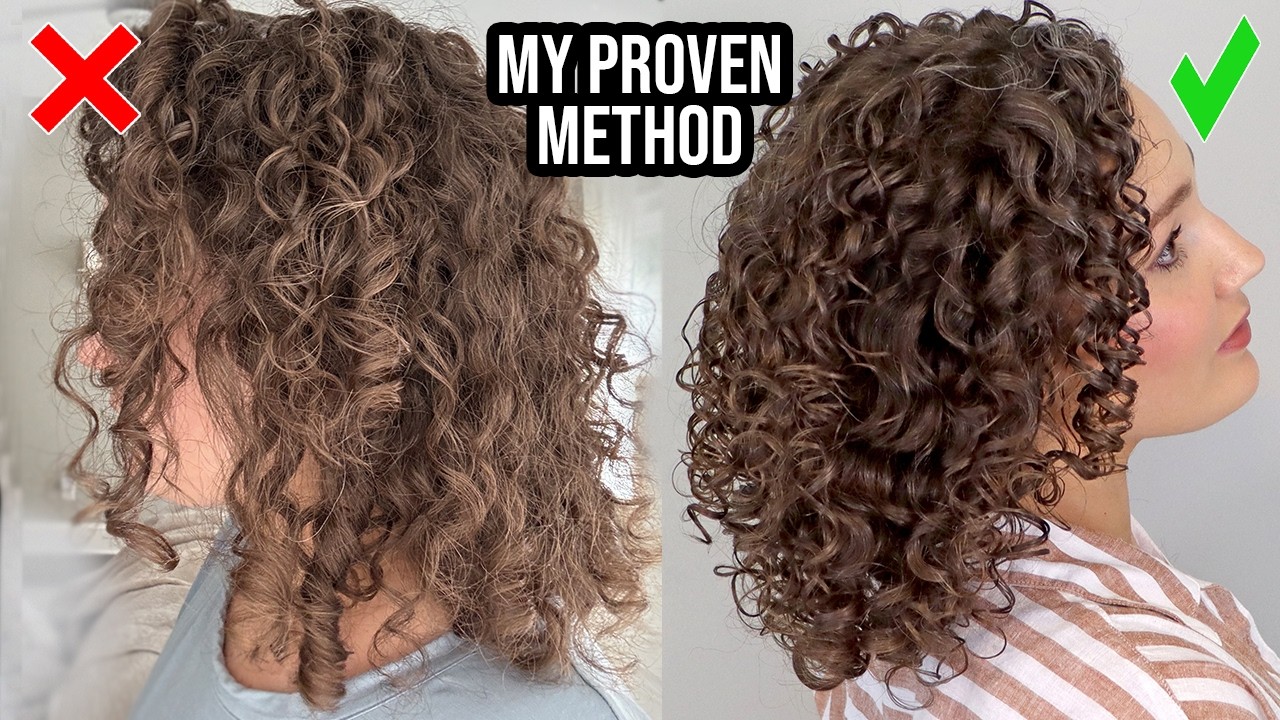
Credit: www.youtube.com
Curl Types And Their Needs
Understanding your curl type is key to giving your hair the care it truly needs. Different curl patterns have different moisture levels, shrinkage, and frizz tendencies. Knowing your curl type helps you choose the right products and techniques that enhance your natural beauty rather than working against it.
Identifying Your Curl Pattern
Look closely at your curls when they’re dry and freshly washed. Are your curls loose waves, defined spirals, or tight coils? Curl patterns usually fall into categories like 2 (wavy), 3 (curly), and 4 (coily), with subtypes ranging from A to C depending on the curl’s tightness.
Take a moment to compare your hair with pictures online or use a curl chart. Sometimes, hair can have a mix of patterns, so identifying your dominant curl type will guide your care routine better. Have you noticed how your curls behave after a wash? This observation can reveal your hair’s natural shape and needs.
Matching Products To Curl Types
Once you know your curl pattern, you can pick products that work with your hair’s characteristics. For example, wavy hair (type 2) often needs lightweight moisturizers and curl enhancers to avoid weighing down the waves.
Curly hair (type 3) benefits from richer creams and leave-in conditioners that lock in moisture and define curls without causing crunchiness. Coily hair (type 4) requires intense hydration and sealing oils to combat dryness and breakage.
- Light gels or moussessuit wavy hair to keep waves soft and bouncy.
- Curl creams and butterswork well for curly hair to enhance curl shape and reduce frizz.
- Heavy creams and natural oilshelp coily hair maintain moisture and protect against damage.
Have you ever tried a product that just didn’t work with your curls? Matching your curl type to the right product can make a big difference in how your hair looks and feels every day.
Cleansing Without Stripping
Cleansing curly hair without stripping away its natural oils is essential for maintaining healthy, vibrant curls. Harsh shampoos can leave curls dry and frizzy, causing damage over time. The goal is to clean your scalp and hair while preserving moisture and elasticity.
Choosing Gentle Shampoos
Look for shampoos labeled as sulfate-free or designed specifically for curly hair. Sulfates can strip away natural oils, leaving your curls brittle and prone to breakage.
Ingredients like aloe vera, coconut oil, and shea butter provide hydration while cleansing. Avoid shampoos with alcohol or strong fragrances that can irritate your scalp.
Have you ever noticed your curls feeling rough or dull after washing? Switching to a gentle shampoo might be the simple fix your hair needs.
Co-washing Benefits
Co-washing, or conditioner washing, uses conditioner to cleanse your hair instead of shampoo. This method keeps curls soft and moisturized by avoiding harsh detergents.
Co-washing is especially helpful for those with very dry or tightly coiled hair types. It removes dirt and buildup without stripping essential oils.
Try alternating co-washing with gentle shampooing to find the right balance for your curls. You might be surprised how much softer and more defined your curls become.
Moisture And Hydration
Curly hair needs extra moisture and hydration to stay healthy. Curls tend to be dry because natural oils have a hard time traveling down the hair shaft. Without enough moisture, curls can look frizzy, dull, and break easily. Proper hydration helps curls stay soft, shiny, and well-defined. This section covers ways to keep your curls deeply nourished and hydrated every day.
Deep Conditioning Techniques
Deep conditioning restores moisture deep inside curly hair strands. It strengthens and softens curls, making them easier to manage. Use a rich, creamy deep conditioner designed for curly hair types. Apply it generously from roots to ends.
- Cover hair with a shower cap to trap heat.
- Leave the conditioner on for 20 to 30 minutes.
- Use a warm towel or heating cap to boost absorption.
- Rinse thoroughly with cool water to seal the cuticle.
Deep condition once a week or every two weeks. This routine keeps curls hydrated and reduces breakage.
Daily Moisturizing Tips
Daily moisture helps curls stay soft and bouncy. Use water or a water-based leave-in conditioner to refresh curls each morning. Avoid heavy products that weigh hair down.
- Spritz curls lightly with water before applying moisturizer.
- Use a light cream or curl lotion to lock in hydration.
- Finger-comb or gently scrunch curls to distribute product evenly.
- Seal moisture with a natural oil like jojoba or argan.
Moisturize every day or as needed to prevent dryness. Consistent care keeps curls lively and defined.

Credit: moogooskincare.ca
Detangling Strategies
Detangling curly hair can feel like a daunting task, but having the right strategies can make all the difference. Curly strands tend to knot easily, so patience and care are key. Let’s look at how you can detangle your curls without causing damage or frustration.
Tools For Gentle Detangling
The tools you choose can either protect your curls or lead to breakage. Wide-tooth combs are excellent because they glide through curls without pulling too hard. Many people find finger detangling to be the gentlest method; it lets you feel knots and work through them slowly.
Other helpful tools include detangling brushes designed specifically for curly hair. These usually have flexible bristles that separate curls without ripping. Using a spray bottle with water or a leave-in conditioner can also soften the hair, making it easier to detangle.
Best Practices To Avoid Breakage
Start detangling when your hair is wet or damp, as dry curls are more prone to snapping. Apply a generous amount of conditioner or detangling spray to create slip, which reduces friction between strands. Always begin detangling from the ends and slowly work your way up to the roots.
Never rush through the process. I once tried to speed up detangling my thick curls, and it ended in tears and a handful of broken strands. Taking your time pays off in healthier, more defined curls. Ask yourself: Are you being gentle enough to protect your curls today?
Styling For Definition
Styling curly hair for definition means making each curl clear and well-shaped. Proper styling enhances natural curl patterns and reduces frizz. Using the right products helps curls stay soft and bouncy all day. Careful application and gentle techniques bring out the best in curly hair.
Leave-in Conditioners And Creams
Leave-in conditioners keep curls hydrated and soft. They add moisture without weighing hair down. Creams provide extra control and smoothness. Both products protect curls from dryness and damage. Apply to damp hair evenly for best results.
Focus on the ends and mid-lengths, where curls need more care. Use your fingers or a wide-tooth comb to distribute the product. Avoid heavy application near the scalp to prevent greasiness. These products help curls stay defined and touchable.
Gel And Mousse Usage
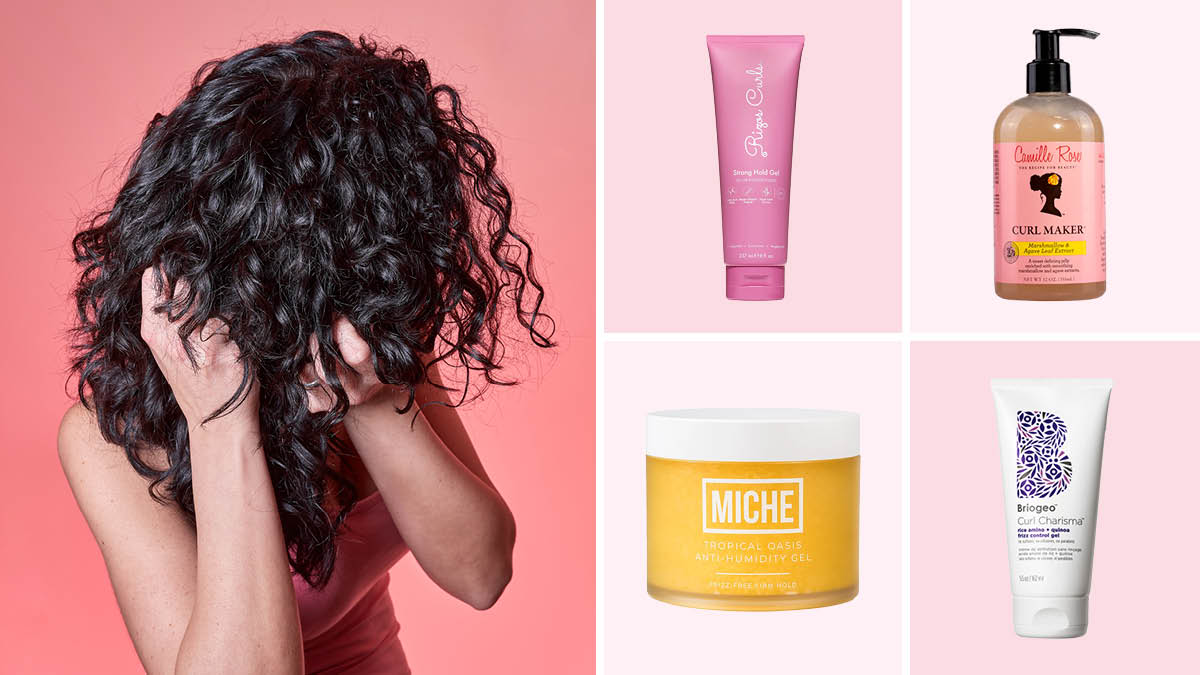
Gels and mousses give curls hold and shape. They lock moisture inside the hair strands. Gels create a stronger hold and reduce frizz. Mousses add volume and light definition without stiffness.
Apply gel or mousse on wet hair for better curl formation. Scrunch hair gently to encourage curl shape. Let hair air dry or use a diffuser on low heat. Avoid touching curls while drying to maintain definition and reduce frizz.
Credit: www.consumerreports.org
Drying Methods To Preserve Curls
Drying curly hair can make a huge difference in how your curls turn out. The way you dry your hair affects its shape, frizz level, and overall health. Choosing the right drying method helps keep your curls defined and bouncy without causing damage or dryness.
Diffusing Vs Air Drying
Diffusing uses a blow dryer with a special attachment that spreads the air gently over your curls. This method speeds up drying time while helping curls keep their natural shape. It reduces frizz compared to regular blow drying, but too much heat can still cause damage.
Air drying is the gentlest option and doesn’t expose your hair to heat. However, it requires patience and the right technique to avoid flat or frizzy curls. You can scrunch your hair occasionally while it dries or twist sections to enhance curl formation.
Ask yourself: Do you need quick drying, or can you wait for your curls to dry naturally? Your answer will guide you toward the best method for your routine.
Microfiber Towels And T-shirts
Regular towels can rough up your curls, causing frizz and breakage. Microfiber towels and soft cotton T-shirts absorb water without disturbing curl patterns. They are gentle on hair cuticles and help reduce frizz significantly.
Try gently squeezing or scrunching your curls with a microfiber towel or T-shirt instead of rubbing. This simple switch can make your curls look smoother and more defined. Many curl lovers notice a big difference after just a few uses.
Have you ever felt your curls lose shape after towel drying? Switching to these materials might be the small change that transforms your drying routine.
Protecting Curls Overnight
Protecting your curls overnight can make a huge difference in how they look and feel the next day. Sleeping without care can lead to frizz, breakage, and loss of curl definition. Taking simple steps before bed helps keep your curls hydrated, intact, and ready to shine when you wake up.
Silk And Satin Pillowcases
Switching to silk or satin pillowcases is a game-changer for curly hair. Unlike cotton, these fabrics reduce friction, which means less frizz and fewer broken strands. I noticed my curls stayed smoother and more defined after just a few nights of using a silk pillowcase.
They also help retain your hair’s natural moisture. Cotton pillowcases tend to absorb oils and moisture from your hair, leaving curls dry and brittle. Try silk or satin for a week and see if your curls feel softer and more manageable.
Pineapple Technique
The pineapple technique is a simple way to protect your curls while you sleep. Gather your curls loosely on top of your head and secure them with a soft scrunchie. This keeps curls stretched out and prevents them from getting crushed or tangled overnight.
I used to wake up with flattened curls or annoying kinks until I tried this trick. You might wonder if it looks strange—yes, it can look a bit wild, but it’s easy to fix in the morning. Plus, the benefits to your curl shape and bounce are worth it.
Want to try? Use a silk or satin scrunchie to avoid dents and damage. This technique works best if your hair is dry or slightly damp before bed. Experiment and see how your curls behave in the morning with this easy protective style.
Avoiding Common Curl Mistakes
Caring for curly hair requires understanding common mistakes that harm curls. Avoiding these errors keeps curls healthy and defined. Many people unknowingly damage their curls through daily habits. Learning what to avoid helps maintain natural bounce and shine.
Over-washing
Washing curly hair too often strips natural oils. These oils keep curls moisturized and soft. Over-washing leads to dryness and frizz. Aim to wash curls only two to three times a week. Use a gentle shampoo made for curly hair. Conditioner is essential to restore moisture after washing.
Heat Damage Prevention
Heat tools like flat irons and blow dryers can weaken curls. Excess heat breaks down hair structure and causes breakage. Limit heat styling to special occasions. Always use a heat protectant spray before styling. Air drying or using a diffuser on low heat protects curls better.
Lifestyle Tips For Healthy Curls
Healthy curls don’t just come from the products you use; your daily habits play a huge role too. Paying attention to your lifestyle can make a visible difference in how your curls look and feel. Small changes in what you eat and how you care for your hair can keep your curls bouncy, defined, and full of life.
Diet And Hydration
Your curls need nutrients to stay strong and shiny. Drinking plenty of water helps keep your hair hydrated from the inside out, preventing dryness and frizz.
Focus on adding foods rich in vitamins A, C, and E, as well as omega-3 fatty acids. These nutrients support hair growth and scalp health. Think spinach, nuts, fish, and colorful fruits.
Have you noticed your curls looking dull after a few days of skipping water or eating junk food? That’s your hair sending a signal that it needs better care from your diet.
Regular Trims
Trimming your curls every 8 to 12 weeks stops split ends from traveling up the hair shaft. This keeps your curls healthy and prevents breakage.
Many people avoid trims thinking it will make their hair grow slower. But trimming actually helps your curls grow stronger by removing damaged ends.
Try scheduling regular appointments or learn to trim your curls at home. Keeping your ends neat maintains the shape and bounce of your curls between salon visits.
Frequently Asked Questions
How Often Should I Wash Curly Hair?
Curly hair should be washed 1-3 times a week. Over-washing strips natural oils, causing dryness and frizz. Use a sulfate-free shampoo to maintain moisture and keep curls healthy.
What Is The Best Way To Detangle Curly Hair?
Detangle curly hair gently with a wide-tooth comb or fingers. Always detangle when hair is wet and conditioned to avoid breakage and minimize frizz.
Which Products Work Best For Curly Hair Care?
Use moisturizing shampoos, conditioners, and leave-in treatments. Products with natural oils like argan or coconut oil enhance curl definition and hydration without weighing hair down.
How Can I Reduce Frizz In Curly Hair?
To reduce frizz, avoid harsh shampoos and heat styling. Apply anti-frizz serums or creams on damp hair and use a microfiber towel or cotton T-shirt to dry.
Conclusion
Caring for curly hair takes patience and the right steps. Use gentle shampoos and deep conditioners often. Avoid heat styling to keep curls healthy. Regularly detangle hair with care to prevent breakage. Moisturize curls daily to keep them soft and bouncy.
Embrace your natural texture and be consistent with your routine. Curly hair can look beautiful with simple care. Small changes make a big difference over time. Trust your curls and enjoy their unique charm.
