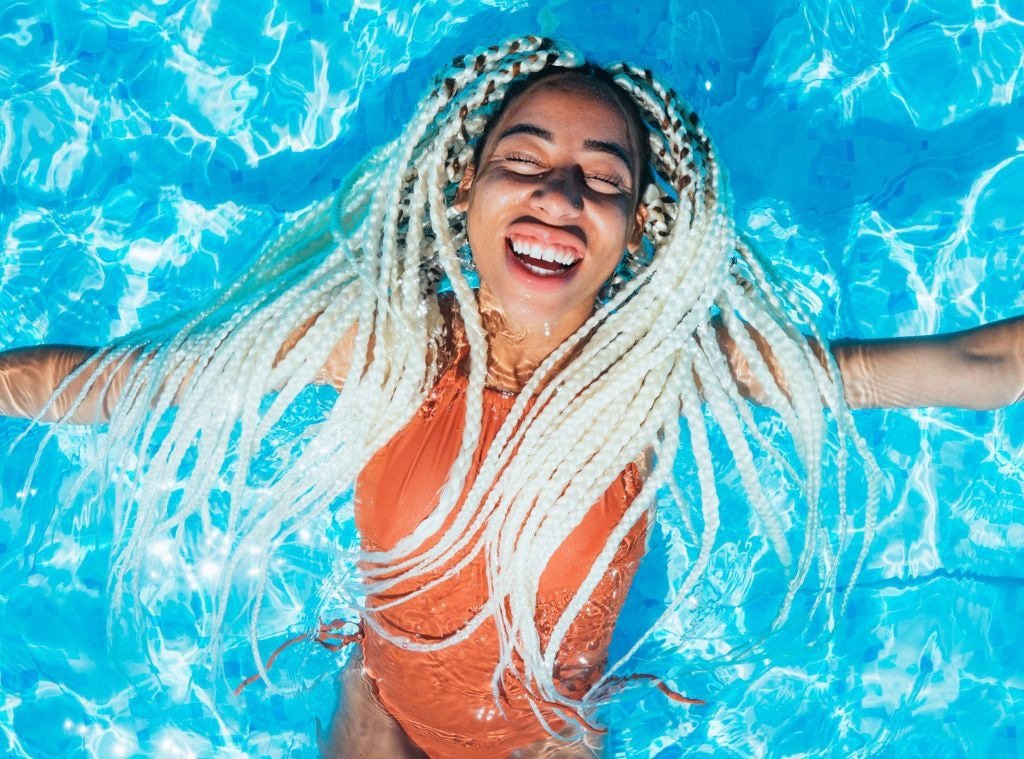
Do you love swimming but dread what it does to your hair? You’re not alone.
Many people enjoy the refreshing dip but worry about the toll chlorine and saltwater can take on their locks. Whether you’re a casual swimmer or a daily pool enthusiast, understanding how to care for your hair after swimming is crucial.
Imagine stepping out of the water with confidence, knowing your hair is protected, vibrant, and healthy. You’ll discover simple yet effective hair care tips that can transform your post-swim routine. Keep reading to learn how to keep your hair looking its best, no matter how often you hit the pool!
Effects Of Swimming On Hair
Swimming is a popular activity, but it affects hair in several ways. Water, especially in pools and oceans, changes hair’s natural condition. Understanding these effects helps protect hair from damage. Hair exposed to swimming can become weak, dry, and lose its natural shine.
Chlorine And Saltwater Damage
Chlorine in pools strips hair of natural oils. This makes hair rough and brittle. Saltwater from the ocean can also dry out hair. It pulls moisture away, causing hair to feel coarse. Both chlorine and saltwater weaken hair strands. They open the hair cuticle, leading to damage and frizz.
Dryness And Breakage Issues
Swimming often causes hair to lose moisture. Dry hair breaks easily and looks dull. The scalp may also become dry and itchy. Constant exposure to pool chemicals or saltwater worsens dryness. Hair becomes fragile and prone to split ends. Protecting hair with proper care is essential after swimming.
Color Fading Concerns
Swimming affects color-treated hair seriously. Chlorine reacts with hair dye, causing fading. Saltwater can strip away hair color too. Colored hair loses vibrancy and looks dull after swimming. Frequent swimming without protection shortens color life. Using color-safe products helps maintain hair color longer.

Credit: www.clinikally.com
Pre-swim Hair Protection
Protecting your hair before you dive into the pool can make a huge difference in how your hair feels and looks afterward. Chlorine and saltwater strip moisture and damage strands, but a few simple steps can help shield your hair from harm. Let’s look at how you can prepare your hair to stay healthy and strong even after frequent swims.
Wet Hair Before Swimming
Wet your hair with clean water before getting into the pool. This might seem counterintuitive, but damp hair absorbs less chlorinated water than dry hair. When I started doing this, I noticed my hair felt less brittle and dried out after swimming.
Try rinsing your hair thoroughly with tap or filtered water. This creates a barrier that slows down chlorine absorption. Have you ever felt your hair turning straw-like after swimming? Wetting it first can really help prevent that.
Use Of Swim Caps
Swim caps are more than just a style choice—they offer a physical shield against pool chemicals. Choose silicone or latex caps for a snug fit that keeps most of the water away from your hair. Even if it’s not completely waterproof, it drastically reduces exposure.
Wearing a swim cap also helps keep your hair from tangling and breaking while swimming. I once ignored the cap and paid the price with split ends and frizz. Are you protecting your hair enough with a cap, or just using it for convenience?
Applying Protective Oils Or Leave-in Conditioners
Before heading into the pool, apply a small amount of oil or leave-in conditioner to your hair. Products like coconut oil or argan oil create a hydrating layer that repels chlorinated water. Leave-in conditioners designed for swimmers add extra protection and moisture.
This step locks in moisture and reduces the harsh effects of chemicals. I found that using a leave-in spray keeps my hair smoother and less prone to damage after swimming. What protective product fits best into your routine?
Post-swim Hair Care Routine
Swimming is fun but can damage hair. Chlorine and saltwater strip natural oils. A good post-swim hair care routine restores moisture and protects strands. This routine helps keep hair soft and healthy after every swim.
Rinsing Hair Immediately
Rinse hair with fresh water right after swimming. This removes chlorine, salt, and other chemicals. Use cool or lukewarm water to avoid drying hair. Rinsing quickly reduces damage and prevents buildup on scalp and strands.
Choosing The Right Shampoo
Pick a gentle shampoo made for swimmers or damaged hair. These shampoos remove chemicals without stripping natural oils. Look for labels that say “sulfate-free” and “moisturizing.” Avoid harsh shampoos that dry out hair further.
Deep Conditioning Treatments
Use a deep conditioner once or twice a week. This repairs damage and adds moisture back into hair. Apply conditioner generously from roots to ends. Leave it on for 10 to 15 minutes before rinsing thoroughly. Deep treatments keep hair soft and strong after swimming.

Credit: www.amazon.ca
Daily Hair Maintenance Tips
Keeping your hair healthy after swimming takes consistent care every day. Chlorine and saltwater can strip moisture and damage your strands, so daily attention is key. Small habits can make a big difference in restoring shine and strength.
Avoiding Heat Styling
Heat styling tools like straighteners and curling irons can worsen dryness after swimming. Your hair is already vulnerable, so giving it a break from heat protects it from breakage. Try air-drying your hair or using heatless styles instead.
Have you noticed your hair feels more brittle after using a flat iron post-swim? Cutting back on heat styling can help your hair regain its natural softness faster.
Regular Trims
Swimming can cause split ends and frizz, especially if you don’t trim regularly. Getting a trim every 6 to 8 weeks helps remove damaged ends and promotes healthier growth. It’s a simple step that keeps your hair looking fresh and strong.
Think of trims as a reset for your hair. Even if you’re growing it out, trimming prevents damage from traveling up the strand.
Hydrating Hair Masks
Using a hydrating hair mask once or twice a week replenishes moisture lost in the pool. Look for masks with ingredients like coconut oil, shea butter, or aloe vera for deep nourishment. Applying a mask after swimming can soothe your scalp and soften your hair.
Try leaving the mask on for 20 minutes under a warm towel to boost absorption. How does your hair respond to extra hydration? You might find it becomes smoother and easier to manage.
Products To Boost Hair Health
Swimming can strip your hair of natural oils and cause damage. Using the right products helps restore moisture and protect hair strands. Products designed for hair after swimming keep hair soft, shiny, and healthy. Choose those that repair and shield hair from chlorine and salt water.
Sulfate-free Shampoos
Sulfate-free shampoos clean hair without harsh chemicals. They prevent dryness and protect natural oils. These shampoos are gentle on hair and scalp. They help maintain hair’s natural moisture balance after swimming.
Moisturizing Conditioners
Moisturizing conditioners restore hydration lost during swimming. They smooth hair cuticles and reduce frizz. Conditioners with ingredients like aloe vera or coconut oil work well. Use conditioner after shampooing to soften and nourish hair deeply.
Leave-in Treatments And Serums
Leave-in treatments protect hair throughout the day. They create a barrier against chlorine and salt damage. Serums add shine and reduce tangles. Apply these products on damp hair for best results. They keep hair manageable and healthy after swimming.

Credit: www.youtube.com
Frequently Asked Questions
How Can I Protect My Hair Before Swimming?
Apply a leave-in conditioner or hair oil to create a protective barrier. Wearing a swim cap also helps reduce chlorine exposure and keeps your hair hydrated and safe from damage during swimming.
What Is The Best Way To Wash Hair After Swimming?
Rinse hair thoroughly with fresh water immediately after swimming. Use a gentle shampoo to remove chlorine and salt. Follow with a moisturizing conditioner to restore hydration and prevent dryness and brittleness.
How Often Should I Deep Condition Swimming-damaged Hair?
Deep condition your hair once a week. This helps to repair damage caused by chlorine and saltwater. Use a nourishing mask rich in proteins and oils to restore strength and moisture.
Can Swimming Cause Hair Color To Fade Faster?
Yes, chlorine and saltwater can strip hair color. To protect dyed hair, use color-safe shampoos and conditioners. Also, rinse hair immediately after swimming and apply a UV protectant for extra care.
Conclusion
Swimming is fun but can harm your hair. Rinse your hair with clean water right after swimming. Use gentle shampoo and conditioner to remove chlorine. Wear a swim cap to protect your hair. Dry your hair softly with a towel; avoid rubbing hard.
Regular care keeps your hair healthy and strong. Simple steps help your hair stay shiny and smooth. Take care of your hair after every swim. Your hair will thank you with better health and shine.
