Caring for your natural hair can sometimes feel like a mystery, right? You might be wondering which products to use, how often to wash, or the best way to style it.
You’re not alone in this. Many people are searching for answers to give their natural hair the love and attention it deserves. Imagine waking up every day with a head full of healthy, vibrant curls that make you feel confident and beautiful.
The good news? It’s completely possible! By understanding a few simple techniques and tips, you can transform your hair care routine into something effective and enjoyable. Curious to learn how you can take care of your natural hair and achieve that stunning look every day? Let’s dive into the secrets of maintaining your natural hair with ease and confidence.
Daily Hair Care Routine
Maintaining a daily hair care routine for natural hair can feel like a delicate balance between cleansing, moisturizing, and detangling. Each step plays a crucial role in keeping your hair healthy and vibrant. Are you giving your hair the attention it truly needs every day?
Gentle Cleansing Techniques
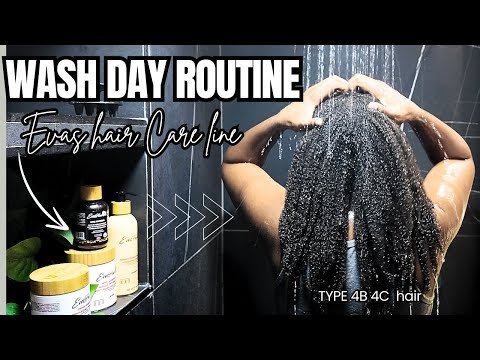
Choosing the right cleansing method makes a big difference. Instead of harsh shampoos, try co-washing or using sulfate-free cleansers that clean without stripping your hair’s natural oils.
Focus on massaging your scalp gently with your fingertips to promote circulation and remove buildup. Remember, over-washing can dry out your hair, so aim for washing once or twice a week based on your hair’s needs.
Moisturizing Tips
Natural hair thrives on moisture, so keep your strands hydrated daily. Use water-based leave-in conditioners or spritz water mixed with oils like jojoba or coconut to lock in moisture.
Don’t overlook sealing moisture with heavier oils or butters, especially on the ends. How often do you refresh your hair’s moisture throughout the day? Small spritzes can make a huge impact.
Detangling Without Damage
Detangling can be a challenge but approaching it with care prevents breakage. Always detangle on damp hair with a wide-tooth comb or your fingers, starting from the ends and working your way up.
Apply a generous amount of conditioner or detangling spray to reduce friction. Have you noticed how taking your time during detangling makes your hair stronger and healthier over time?

Credit: m.youtube.com
Choosing The Right Products
Choosing the right products for natural hair is key to keeping it healthy and strong. Natural hair needs gentle care and moisture. The wrong products can cause dryness and breakage. Selecting the right shampoos, conditioners, and oils helps maintain softness and shine. Understanding your hair type and needs guides you to the best options.
Shampoos For Natural Hair
Shampoos for natural hair should be sulfate-free. Sulfates strip natural oils and cause dryness. Look for shampoos with gentle cleansers that remove dirt without harsh chemicals. Ingredients like aloe vera, coconut oil, and shea butter soothe and hydrate the scalp. Avoid shampoos with alcohol or parabens, as they can damage the hair.
Conditioners And Leave-ins
Conditioners soften natural hair and make detangling easier. Choose rich conditioners with moisturizing ingredients such as glycerin and honey. Leave-in conditioners add extra hydration and protect hair throughout the day. Use lightweight leave-ins to avoid buildup. Apply leave-ins on damp hair to lock in moisture and reduce frizz.
Oils And Butters
Oils and butters seal in moisture and add shine. Natural oils like jojoba, argan, and castor oil nourish the scalp and hair strands. Butters such as shea and mango butter provide deep hydration and prevent dryness. Apply oils and butters after moisturizing products for best results. Use sparingly to avoid greasy hair.
Protective Hairstyles
Protective hairstyles are a key part of caring for natural hair. They help shield your strands from daily damage caused by environmental factors and frequent manipulation. These styles not only reduce breakage but also promote growth by keeping your hair tucked away and less exposed to harsh conditions.
Braids And Twists
Braids and twists are excellent protective styles that keep your hair secure and manageable. You can try box braids, cornrows, or Senegalese twists depending on your preference. These styles reduce the need for constant combing and styling, which can weaken your hair over time.
Remember to keep your scalp moisturized while wearing these styles. Dryness can lead to itching and flaking, which might make you want to undo the style prematurely. Would you consider adding a light oil or leave-in conditioner to your routine to maintain scalp health?
Updos And Buns
Updos and buns are simple yet effective protective hairstyles. They keep your ends tucked away, preventing split ends and tangling. Styles like high buns, low buns, or twisted updos can be worn for both casual and formal occasions.
Make sure you don’t pull your hair too tight in these styles. Tightness can cause tension on your edges and lead to breakage. Have you noticed how a gentle hold can protect your hairline better?
Nighttime Protection
Nighttime protection is often overlooked but crucial for natural hair care. Using satin or silk scarves, bonnets, or pillowcases can reduce friction that causes breakage while you sleep. These materials help maintain moisture and prevent your hair from becoming dry and brittle.
Try to develop a consistent nighttime routine that includes wrapping or covering your hair. This small habit can make a big difference in your hair’s health over time. Are you ready to protect your hair even while you rest?
Credit: finenaturalhairandfaith.com
Healthy Hair Practices
Healthy hair practices form the foundation for strong, vibrant natural hair. These habits protect your hair from damage and promote growth. Following simple steps daily keeps hair soft and manageable.
Avoiding Heat Damage
Heat tools can cause dryness and breakage. Use heat sparingly and always apply a heat protectant. Opt for air drying or low heat settings to keep strands safe. Protect hair by limiting straightening, curling, and blow drying.
Regular Trims
Trimming removes split ends and prevents breakage. Schedule trims every 6 to 8 weeks. Healthy ends help hair look fuller and grow longer. Regular trims improve overall hair health and reduce tangling.
Scalp Care
A healthy scalp supports strong hair growth. Keep the scalp clean by washing regularly with gentle shampoo. Massage the scalp to boost blood flow and remove buildup. Use oils like tea tree or coconut to soothe dryness and irritation.
Nutrition And Hair Health
Nutrition plays a key role in maintaining natural hair health. Healthy hair starts from the inside out. Eating the right foods nourishes hair follicles and supports growth. Proper hydration keeps hair moisturized and prevents breakage. Certain supplements can fill gaps in diet and boost hair strength.
Foods That Promote Growth
Eating a balanced diet helps hair stay strong and grow well. Focus on foods rich in vitamins and minerals. Include:
- Leafy greens like spinach and kale for iron and vitamins
- Eggs for protein and biotin
- Nuts and seeds for healthy fats and zinc
- Fish like salmon for omega-3 fatty acids
- Sweet potatoes for vitamin A
These foods support scalp health and strengthen hair strands.
Hydration Tips
Water is essential for hair moisture and elasticity. Drink plenty of water daily. Aim for at least 8 cups or more, depending on your activity level. Hydrated hair is less prone to dryness and split ends. You can also eat water-rich fruits and vegetables like cucumbers and watermelon. Avoid excessive caffeine and alcohol as they can dry out hair.
Supplements For Strength
Supplements can help if diet lacks certain nutrients. Common ones for hair health include:
- Biotin to support keratin production
- Vitamin D for hair follicle cycling
- Iron to prevent hair thinning
- Zinc for repair and growth
Consult a healthcare provider before starting supplements. Proper dosage ensures safety and effectiveness.

Credit: toallmyblackgirls.com
Frequently Asked Questions
How Often Should I Wash Natural Hair?
Washing natural hair depends on your hair type and lifestyle. Typically, wash every 1-2 weeks to avoid dryness. Use sulfate-free shampoos to retain moisture. Co-washing (conditioner washing) can be a gentle alternative between washes. Always follow with a deep conditioner to maintain softness.
What Is The Best Moisturizing Routine For Natural Hair?
Moisturize natural hair daily or as needed. Use a water-based leave-in conditioner first. Seal moisture with natural oils like coconut or jojoba oil. Avoid heavy products that cause buildup. Regular moisturizing prevents dryness, breakage, and promotes healthy hair growth.
How Can I Prevent Breakage In Natural Hair?
Prevent breakage by handling hair gently when detangling. Use wide-tooth combs or fingers on damp hair. Avoid excessive heat and harsh chemicals. Regularly deep condition to strengthen strands. Protect hair at night with satin or silk scarves or pillowcases.
What Protective Styles Work Best For Natural Hair?
Protective styles like braids, twists, and buns reduce manipulation. They help retain moisture and protect ends from damage. Avoid styles that are too tight to prevent scalp stress. Rotate styles regularly to give hair breaks and maintain scalp health.
Conclusion
Taking care of natural hair means patience and gentle care. Use moisturizing products to keep hair soft and healthy. Wash hair regularly but avoid harsh shampoos that dry it out. Detangle hair carefully to prevent breakage. Protect hair at night with a satin scarf or pillowcase.
Eat well and drink water to support hair growth. Remember, natural hair needs love and time to thrive. Keep a simple routine that works best for your hair type. Healthy hair brings confidence and beauty every day.
