Are you tired of spending a fortune on hair care products that promise miracles but deliver disappointment? Imagine having the power to transform your hair into its healthiest, most radiant version without breaking the bank.
DIY hair care isn’t just a trend; it’s a revolution that puts you in control. Picture this: you, mixing up natural ingredients right in your kitchen, crafting personalized treatments tailored to your hair’s unique needs. Not only will you save money, but you’ll also know exactly what you’re putting on your scalp and strands.
Ready to discover the secrets to luscious locks that you can achieve at home? Keep reading to uncover easy, effective, and natural DIY hair care tips that will change how you care for your hair forever.
Benefits Of Diy Hair Care
DIY hair care offers more than just a fun weekend project. It puts you in the driver’s seat, letting you tailor treatments that truly match what your hair needs. The benefits go beyond the surface, affecting your wallet, your health, and how your hair responds to care.
Cost Savings
Salon visits and store-bought products can quickly add up. Mixing your own hair masks or oils at home cuts down these expenses significantly. You use simple ingredients like coconut oil, honey, or avocado, which often last longer and cost less than commercial products.
Have you ever tracked how much you spend on hair products each month? You might be surprised how much you save by making your own.
Control Over Ingredients
When you create your own hair treatments, you know exactly what goes into them. This means no hidden chemicals, preservatives, or fragrances that might irritate your scalp. Using natural ingredients can reduce allergic reactions and improve scalp health.
Think about the last time you read the label on a hair product. Were you clear about every ingredient? DIY allows you to skip the guesswork and focus on pure, wholesome components.
Customization For Hair Types
Your hair is unique, and so should be your care routine. DIY hair care lets you adjust recipes to fit dry, oily, curly, or straight hair perfectly. You can mix in ingredients that boost moisture, add shine, or strengthen strands based on your hair’s condition.
Have you noticed how some products work wonders for others but not for you? Making your own hair care solutions means you can experiment until you find the perfect match for your hair type.

Credit: www.youtube.com
Essential Tools And Ingredients
Creating your own hair care treatments needs the right tools and ingredients. These essentials help you make safe and effective products at home. Quality tools and natural ingredients boost your hair’s health and shine.
Must-have Tools
- Mixing bowls – for blending ingredients smoothly
- Measuring spoons and cups – to get exact amounts
- Applicator brushes – to apply treatments evenly
- Spray bottles – for easy application of liquid mixtures
- Storage containers – to keep homemade products fresh
- Fine mesh strainer – to remove lumps or particles
- Hair clips – for sectioning hair during treatment
Natural Ingredients For Nourishment
- Coconut oil – deeply moisturizes and softens hair
- Honey – adds shine and retains moisture
- Aloe vera gel – soothes scalp and promotes growth
- Avocado – rich in vitamins for hair strength
- Olive oil – nourishes and repairs damaged strands
- Eggs – provide protein to rebuild hair
- Essential oils (like lavender or rosemary) – improve scalp health
Where To Source Quality Supplies
Choose natural and organic stores for pure ingredients. Health food shops often carry good oils and herbs. Online retailers offer a wide range and customer reviews. Farmers markets can be a great place for fresh, local products. Avoid cheap, synthetic items that may harm hair. Always check labels for purity and no added chemicals.
Daily Hair Care Routine
Creating a daily hair care routine can transform the health and appearance of your hair. It’s not just about washing or styling; it’s about understanding what your hair needs every day. Small habits make a big difference when they become part of your routine.
Cleansing Tips
Choose a shampoo that matches your hair type—whether oily, dry, or normal. Avoid shampoos with harsh sulfates, as they can strip your hair of natural oils. Instead, try gentle, moisturizing formulas that keep your scalp balanced.
Use lukewarm water to rinse your hair; hot water can dry out your scalp and hair strands. When shampooing, focus on your scalp rather than the ends, since this is where oils accumulate. Rinse thoroughly to prevent buildup that can weigh your hair down.
Conditioning Techniques
Conditioners restore moisture and protect your hair from damage. Apply conditioner mainly on the mid-lengths and ends, where your hair is the oldest and driest. Avoid the scalp to prevent greasiness unless you have a very dry scalp.
For an extra boost, leave your conditioner on for a few minutes before rinsing. If your hair is very dry or damaged, consider deep conditioning once a week. This helps repair and strengthen your hair from within.
Scalp Care Practices
Your scalp is the foundation of healthy hair. Massage your scalp gently with your fingertips for a few minutes daily to stimulate blood flow. This simple act can promote hair growth and improve scalp health.
Keep your scalp clean, but don’t over-wash it, as this can cause irritation. If you notice dandruff or dryness, try using natural remedies like aloe vera or tea tree oil to soothe your scalp. Have you ever checked your scalp health as closely as your hair?

Credit: livinglesh.com
Homemade Hair Masks And Treatments
Homemade hair masks and treatments give you the power to care for your hair with simple ingredients found right in your kitchen. They can target specific needs like moisture, repair, or scalp health without harsh chemicals. Plus, making your own treatments means you know exactly what’s going onto your hair and scalp.
Moisturizing Masks
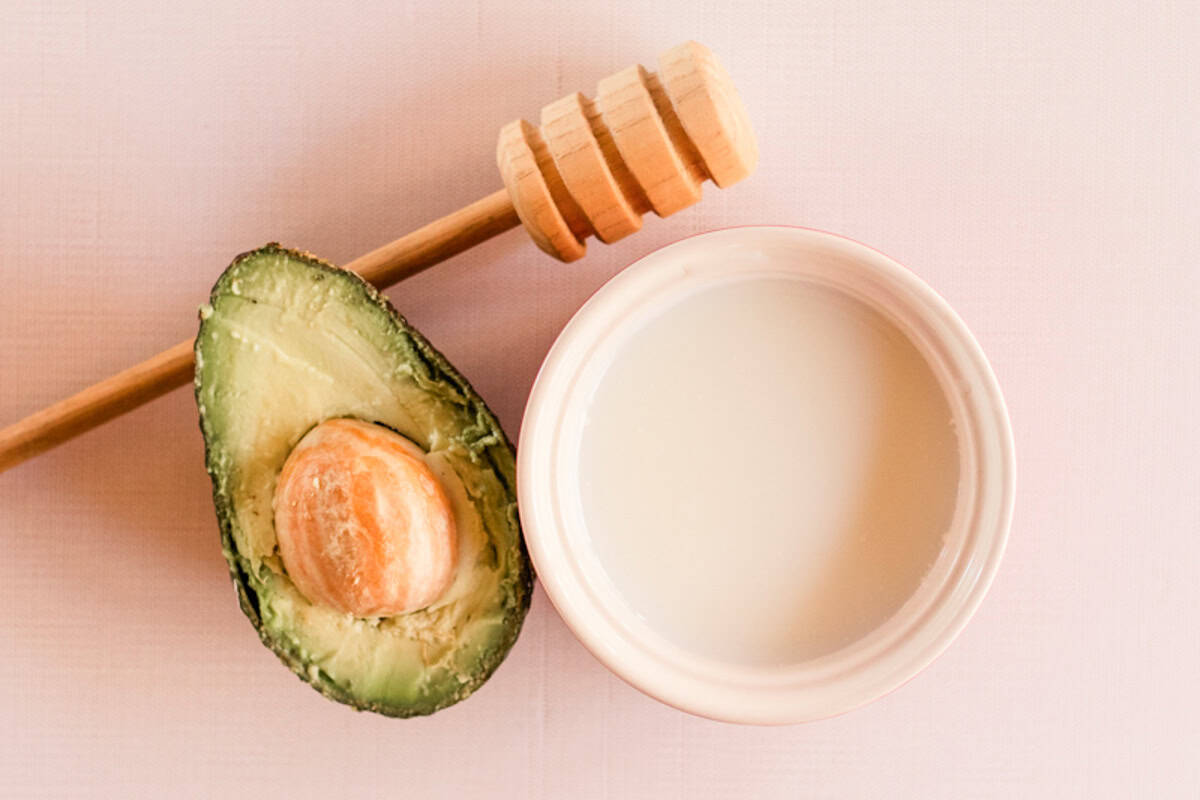
Dry hair feels rough and looks dull, but a moisturizing mask can bring it back to life. Try mixing ripe avocado with a tablespoon of honey and some olive oil. This combo delivers deep hydration and leaves your hair soft and shiny.
Another option is plain yogurt mixed with a few drops of coconut oil. It soothes dryness and adds a smooth texture without weighing hair down. Have you noticed how your hair reacts after a moisturizing mask? Pay attention to softness and manageability.
Repair And Strengthen Treatments
If your hair breaks easily or feels weak, it’s time to focus on repair. A mask made with egg yolk and castor oil can boost protein and strengthen strands. Apply it for 20 minutes before washing to see a noticeable difference.
Another powerful treatment uses banana blended with a teaspoon of almond oil and a bit of honey. It helps rebuild damaged areas and adds elasticity. How often do you treat your hair to repair treatments? Regular care can reduce split ends and breakage.
Scalp Detox Recipes
A healthy scalp is the foundation of great hair. Try a detox mask using bentonite clay and apple cider vinegar. This mix removes buildup and soothes irritation, making your scalp feel fresh and balanced.
You can also create a scrub by combining brown sugar with a few drops of tea tree oil and olive oil. This gently exfoliates dead skin cells and promotes better blood circulation. When was the last time you gave your scalp a deep clean? It might be the secret step your routine is missing.
Styling Without Damage
Styling hair without causing damage is possible with the right techniques and care. Many styling tools use heat that can dry out and weaken hair over time. Choosing gentle methods helps keep hair healthy and shiny. It also reduces breakage and split ends.
Simple changes in your routine protect your hair while keeping it stylish. Natural and protective ways maintain hair’s natural strength. A few smart choices can make a big difference.
Heat-free Styling Ideas
- Twist damp hair and let it dry for natural waves.
- Use soft rollers or flexi rods overnight for curls.
- Braid hair before sleep to create gentle waves.
- Try hairbands or scrunchies to lift roots without heat.
- Use finger combing instead of brushes on wet hair.
Protective Techniques
- Always apply a leave-in conditioner before styling.
- Use silk or satin pillowcases to reduce friction.
- Limit washing to avoid stripping natural oils.
- Choose loose hairstyles that do not pull tightly.
- Trim hair regularly to prevent split ends.
Best Products For Styling
| Product Type | Benefits | Example Ingredients |
|---|---|---|
| Heat Protectant Spray | Shields hair from heat damage | Argan oil, silicones |
| Leave-In Conditioner | Keeps hair soft and manageable | Aloe vera, glycerin |
| Styling Cream | Defines curls and reduces frizz | Shea butter, coconut oil |
| Hair Oil | Adds shine and moisture | Jojoba oil, almond oil |
Seasonal Hair Care Adjustments
Adjusting your hair care routine with the changing seasons is key to keeping your hair healthy and vibrant. Each season brings different challenges that affect your hair’s moisture, texture, and overall health. Making small but targeted changes can protect your strands from damage and keep them looking their best year-round.
Winter Hair Care Tips
Cold air and indoor heating can dry out your hair quickly. You might notice more frizz or static, and your scalp could feel tight or flaky. To combat this, use richer conditioners and hair masks packed with natural oils like argan or coconut oil.
Try to avoid washing your hair every day during winter. Instead, wash it 2-3 times a week to preserve natural oils. Adding a leave-in conditioner can also provide extra protection against harsh winds and dry air.
Summer Protection Strategies
Sun exposure, chlorine, and saltwater can strip your hair of moisture in summer. Wearing a hat or using UV protection sprays can shield your hair from sun damage. Don’t forget to rinse your hair with fresh water after swimming to remove chlorine or salt residues.
Switch to lighter, hydrating products like aloe vera sprays or water-based leave-ins. These keep your hair moisturized without weighing it down. Have you noticed how your hair feels different after a day at the beach or pool? That’s your cue to amp up protection.
Adapting To Humidity Changes
Humidity can either cause frizz or make your hair limp, depending on your hair type. If frizz is your enemy, look for anti-frizz serums with silicone or natural oils that smooth the hair cuticle. For limp hair, volumizing products with lightweight formulas work better.
Consider changing your styling routine based on the humidity level. On humid days, try braiding your hair or tying it up to reduce exposure. Have you experimented with different hairstyles to see which hold up best in sticky weather?
Troubleshooting Common Hair Problems
Troubleshooting common hair problems can feel frustrating, especially when you try multiple products without seeing results. Understanding the root cause of your hair issues is key to finding effective solutions. Let’s look at practical ways you can tackle dandruff, hair fall, and scalp imbalances right at home.
Dandruff Solutions
Dandruff often comes from a dry scalp or fungal overgrowth. You can soothe your scalp by rinsing with apple cider vinegar diluted in water; this helps restore your scalp’s pH balance and reduce flakes.
Try using a gentle shampoo with tea tree oil or neem, both known for their antifungal properties. Avoid overwashing as it can strip natural oils and worsen dryness.
Have you noticed if your scalp feels itchy after using certain hair products? Switching to sulfate-free shampoos might calm irritation and reduce dandruff.
Managing Hair Fall
Hair fall can be caused by stress, poor diet, or harsh styling. Eating foods rich in iron and protein supports stronger hair growth.
Massaging your scalp with warm coconut or castor oil improves blood circulation and strengthens hair roots. I found that regular scalp massages made a noticeable difference in my hair thickness within weeks.
Limit heat styling and tight hairstyles that pull on your hair. Are you giving your hair enough time to rest between treatments?
Handling Dry Or Oily Scalp
A dry scalp feels tight and flaky, while an oily scalp looks greasy and causes buildup. If your scalp is dry, use moisturizing masks made from ingredients like honey or aloe vera.
For oily scalps, try rinsing with diluted lemon juice or green tea to help balance oil production. Avoid heavy conditioners on your roots and focus on the ends instead.
Do you notice your scalp condition changes with the seasons? Adjusting your hair care routine accordingly can prevent discomfort and maintain scalp health.
Long-term Hair Care Habits
Long-term hair care habits form the foundation for strong and shiny hair. Healthy routines protect hair from damage and support growth. Consistent care keeps hair looking its best over time. Small daily choices add up to big benefits.
Healthy Diet For Hair
Your hair needs good nutrition to grow well. Proteins, vitamins, and minerals feed hair follicles. Eating foods rich in iron, zinc, and vitamin E helps. Fruits, vegetables, nuts, and lean meats support hair health. Drink plenty of water to keep hair hydrated. Avoid too much sugar and processed foods. A balanced diet promotes stronger, shinier hair.
Regular Trimming Benefits
Trimming hair regularly prevents split ends from spreading. Split ends cause hair to look dry and frizzy. Cutting hair every 6 to 8 weeks keeps ends healthy. Trims help hair grow without breakage. Even if you want longer hair, trimming is key. It keeps hair neat and reduces damage.
Stress Management And Hair Health
Stress can cause hair to fall out or become weak. Managing stress helps maintain healthy hair growth. Practice relaxation methods like deep breathing or meditation. Exercise regularly to reduce tension and improve circulation. Sleep well to allow hair cells to repair. Calm mind, healthy hair. Stress control supports lasting hair strength.
Credit: www.ouroilyhouse.com
Frequently Asked Questions
What Are The Best Natural Ingredients For Diy Hair Care?
Natural ingredients like coconut oil, aloe vera, honey, and avocado nourish hair deeply. They provide moisture, reduce frizz, and promote healthy growth without chemicals. These ingredients are affordable and easily available, making them perfect for homemade hair treatments and masks.
How Often Should I Do Diy Hair Care Treatments?
DIY hair care treatments are best done once or twice a week. This frequency helps maintain hair moisture and strength without overloading. Regular treatments improve hair texture, reduce damage, and keep your scalp healthy for optimal hair growth.
Can Diy Hair Care Help With Dry Scalp Problems?
Yes, DIY hair care can soothe a dry scalp effectively. Ingredients like tea tree oil, aloe vera, and coconut oil hydrate and reduce itching. These natural remedies restore scalp balance and prevent dryness without harsh chemicals or side effects.
Are Diy Hair Masks Safe For All Hair Types?
Most DIY hair masks are safe for all hair types when used properly. Choose ingredients based on your hair needs—oily, dry, or damaged. Always do a patch test to avoid allergies and adjust recipes to suit your hair texture and condition.
Conclusion
DIY hair care lets you take control of your hair’s health. Simple ingredients can bring great results at home. Consistency is key to seeing real changes over time. Your hair deserves care that fits your needs and budget. Experiment gently and enjoy the process of learning what works.
Healthy hair starts with good habits and patience. Try these tips and feel confident in your natural beauty. Small steps lead to beautiful, strong hair every day.