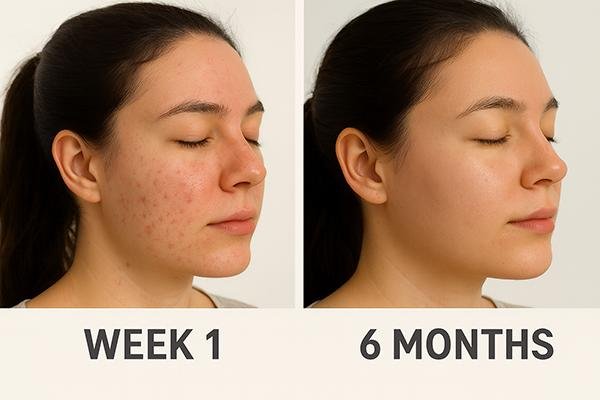
Are you tired of searching for the ultimate solution to combat aging skin? Look no further than tretinoin, a powerhouse ingredient known for its remarkable anti-aging benefits.
This isn’t just another skincare trend; tretinoin has been transforming skin for decades. Imagine waking up to a smoother, more youthful complexion every day. Intrigued? We’ll delve into why tretinoin might just be the missing piece in your skincare routine, how it works wonders on your skin, and what you need to know before making it your go-to anti-aging ally.
Keep reading to discover the secrets of tretinoin and unlock the youthful glow you’ve been dreaming of.
How Tretinoin Works
Tretinoin is a powerful ingredient in anti-aging skincare that works deeply within your skin. It targets the root causes of aging rather than just masking the surface symptoms. Understanding how tretinoin operates can help you appreciate why it’s a trusted choice for many seeking youthful, radiant skin.
Boosting Collagen Production
Collagen is the protein that keeps your skin firm and elastic. Tretinoin stimulates your skin cells to produce more collagen, which naturally declines as you age. Increased collagen helps reduce sagging and restores a plumper, smoother complexion.
Have you noticed how your skin feels less bouncy over time? That’s a sign collagen is decreasing. Using tretinoin regularly can counteract this process and improve your skin’s strength and texture.
Increasing Cell Turnover
Your skin naturally renews itself by shedding old cells and creating new ones, but this process slows down as you get older. Tretinoin speeds up this cell turnover, encouraging fresh, healthy skin to come to the surface faster. This helps clear away dead cells, revealing a brighter and more even skin tone.
Think about the last time your skin looked dull or rough. Faster cell turnover with tretinoin can help you avoid that dullness and keep your skin glowing. Are you ready to give your skin the refresh it needs?
Reducing Fine Lines And Wrinkles
Fine lines and wrinkles form when skin loses moisture, elasticity, and collagen. Tretinoin works on several levels to soften these signs of aging. By boosting collagen and speeding up cell turnover, it smooths out wrinkles and improves skin texture over time.
Many users report visible improvements within weeks, with continued use enhancing results further. Would you like to see your fine lines diminish and your skin feel firmer? Tretinoin might be the key to achieving that.
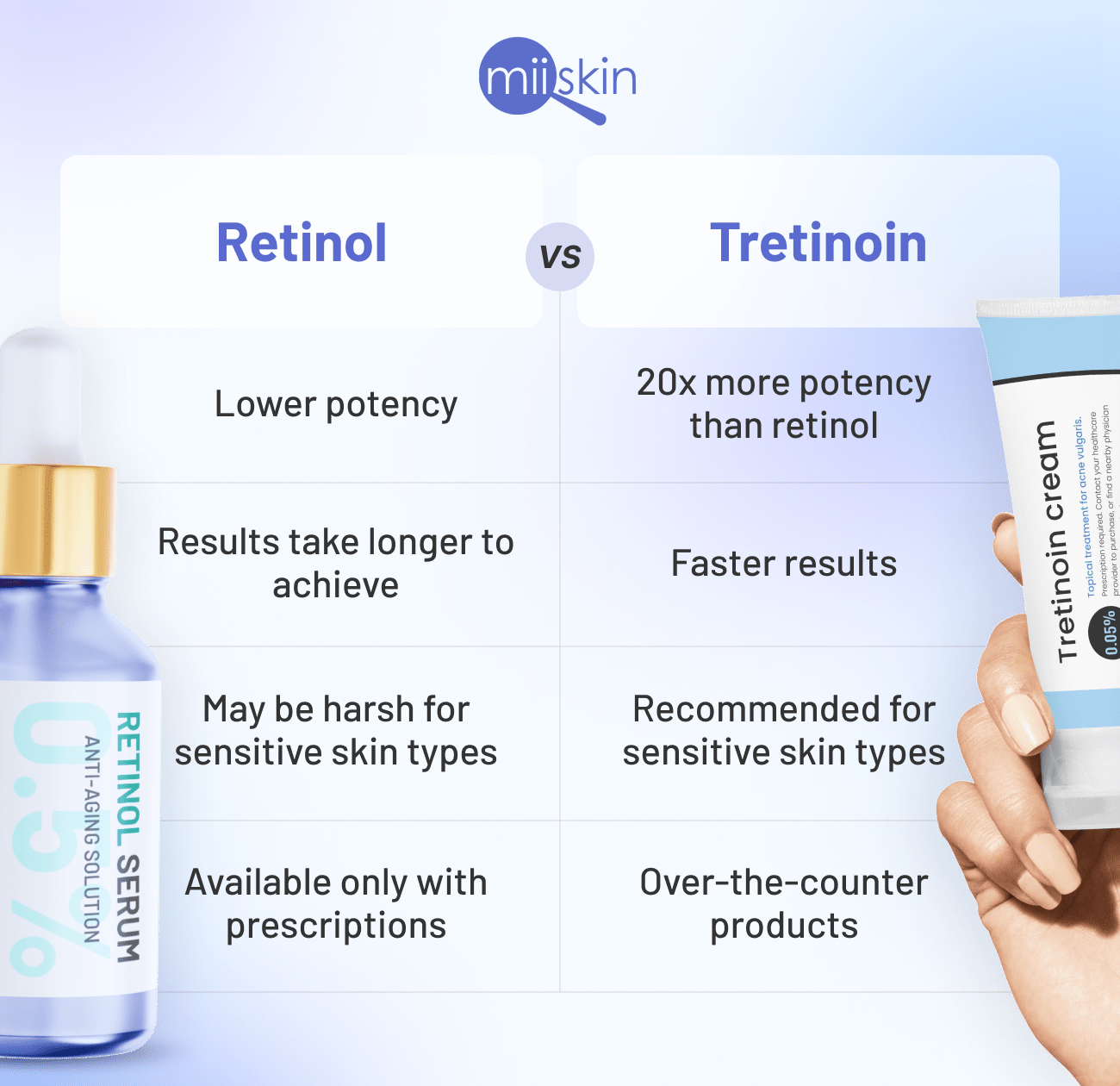
Credit: miiskin.com
Benefits For Aging Skin
As your skin ages, you might notice changes like roughness, dark spots, and loss of firmness. Tretinoin offers powerful benefits to help tackle these signs. It’s a trusted ingredient that works beneath the surface to renew your skin’s youthful appearance.
Smoothing Skin Texture
Tretinoin speeds up cell turnover, which means your skin sheds old, dead cells faster. This process reveals fresher, smoother skin underneath. You might start feeling your skin softer and more even, making makeup application easier and your complexion brighter.
Have you ever felt frustrated by rough patches that just won’t go away? Regular use of tretinoin can reduce those bumps and unevenness, giving your face a polished look you can see and feel.
Fading Dark Spots
Dark spots, or hyperpigmentation, often appear due to sun exposure and aging. Tretinoin helps by breaking down the pigment and encouraging new, clearer skin to form. With consistent use, you’ll notice these spots becoming less noticeable over time.
This benefit is especially helpful if you’ve tried countless creams without success. Tretinoin’s ability to target pigment deep within the skin sets it apart from surface-level treatments.
Enhancing Skin Firmness
As you age, collagen production slows down, causing sagging and fine lines. Tretinoin stimulates collagen growth, which helps firm up your skin naturally. This leads to a tighter, more lifted appearance that you can appreciate every time you look in the mirror.
Think about the confidence boost you’d get from skin that feels stronger and looks healthier. Isn’t that the kind of change worth investing in?
Choosing The Right Tretinoin
Choosing the right tretinoin is a crucial step in your anti-aging skincare journey. It’s not just about picking any product off the shelf—you need something that matches your skin’s unique needs and sensitivity. Getting this choice right can make a significant difference in how effective tretinoin is for reducing fine lines, wrinkles, and improving texture.
Different Strengths And Formulations
Tretinoin comes in various strengths, typically ranging from 0.01% to 0.1%. Starting with a lower strength can help your skin adjust and reduce the risk of irritation. If you have sensitive skin, creams might be gentler than gels, which tend to be more drying but absorb faster.
Think about your skin type and tolerance. For example, someone with oily skin might prefer a gel for its lightweight feel, while dry skin benefits from a moisturizing cream. Have you noticed how your skin reacts to different textures in skincare products? That can guide your choice here.
Prescription Vs Over-the-counter Options
Tretinoin is primarily available through prescription, but some milder retinoids are sold over the counter. Prescription tretinoin is more potent and scientifically proven to improve aging signs. OTC retinoids like retinol are less intense but can be a good starting point if you’re new to retinoids.
Choosing between these options depends on your skin’s needs and your comfort with stronger treatments. Have you tried OTC retinol and found it too mild or irritating? That might signal it’s time to consult a professional for prescription tretinoin.
Consulting A Dermatologist
A dermatologist can assess your skin and recommend the right tretinoin strength and formulation for you. They also provide guidance on usage frequency to minimize side effects like redness or peeling. Personal experience shows that professional advice can prevent common mistakes and frustration.
Don’t hesitate to ask about combining tretinoin with other skincare products you use daily. Could your current routine complement or conflict with tretinoin’s effects? A dermatologist’s input helps you craft a balanced approach for the best results.
Proper Application Tips
Applying tretinoin correctly helps you get the best anti-aging results. It also reduces the chance of irritation. Follow simple steps to prepare your skin and apply tretinoin safely. Consistency matters more than using a lot at once.
Preparing Your Skin
Start with clean skin. Use a gentle cleanser to wash your face. Avoid scrubbing or harsh soaps that can cause dryness. Pat your skin dry with a soft towel. Wait 10 to 20 minutes before applying tretinoin. This helps avoid irritation by allowing your skin to fully dry.
How To Apply Tretinoin
Use a pea-sized amount for your entire face. Dab small dots on your forehead, cheeks, nose, and chin. Gently spread it evenly without rubbing hard. Avoid sensitive areas like eyes, lips, and nostrils. Let the tretinoin absorb naturally. Do not cover with heavy creams immediately.
Frequency And Timing
Apply tretinoin once a day, usually at night. Start with two or three times a week to build tolerance. Increase frequency slowly as your skin adjusts. Avoid using tretinoin during the day to prevent sun sensitivity. Use sunscreen every morning to protect your skin.
Managing Side Effects
Using tretinoin for anti-aging can cause some side effects. Managing these side effects helps keep your skin healthy and comfortable. Understanding how to handle reactions makes the treatment easier to follow and more effective.
Common Reactions
Tretinoin often causes redness, peeling, and dryness. You might notice slight burning or itching too. These reactions usually appear in the first few weeks. They show your skin is adjusting to the product. Mild irritation is normal but should not be painful.
Reducing Irritation
Apply a gentle moisturizer to soothe dry skin. Use tretinoin every other night at first. Avoid using harsh soaps or scrubs. Always apply tretinoin on clean, dry skin. Limit sun exposure and use sunscreen daily. These steps help reduce redness and peeling.
When To Seek Medical Advice
Contact a doctor if irritation worsens or lasts over two weeks. Seek help if you have severe burning, swelling, or blistering. Stop using tretinoin and get medical advice if you see these signs. Early care prevents serious skin problems and keeps treatment safe.

Credit: m.youtube.com
Combining Tretinoin With Other Products
Combining tretinoin with other skincare products can improve results and protect your skin. Choosing the right products helps avoid irritation and boosts tretinoin’s anti-aging effects. A good routine balances effectiveness and skin comfort.
Compatible Skincare Ingredients
Some ingredients work well with tretinoin and support skin health. These include:
- Hyaluronic acid for hydration and moisture retention
- Niacinamide to calm redness and improve skin texture
- Peptides that help boost collagen production
- Gentle moisturizers to prevent dryness and peeling
- Sunscreens to protect sensitive skin from UV damage
These ingredients can enhance tretinoin’s benefits without causing irritation.
Avoiding Harmful Combinations
Some products can worsen irritation or reduce tretinoin’s effectiveness. Avoid using:
- Other strong acids like glycolic acid or salicylic acid
- Benzoyl peroxide, which can deactivate tretinoin
- Harsh scrubs or exfoliants that increase sensitivity
- Alcohol-based toners that dry out the skin
Steer clear of these to keep skin calm and healthy.
Building A Balanced Routine
Start slow when adding tretinoin to your routine. Use it every other night or less at first. Layer gentle products to reduce irritation. Finish with a moisturizer and sunscreen during the day. Consistency is key for lasting results and smoother skin.
Long-term Results
Seeing the long-term effects of tretinoin on your skin can be truly motivating. This powerful ingredient doesn’t just work overnight; it builds up benefits over months and years. Understanding what to expect and how to support your skin along the way helps you get the most out of your anti-aging routine.
Timeline For Visible Changes
You might notice some changes as early as 4 to 6 weeks, like smoother skin texture and a subtle glow. However, the most significant improvements in fine lines and wrinkles usually appear after 3 to 6 months of consistent use.
Remember, tretinoin speeds up skin cell turnover, so initial redness or peeling is common. This means your skin is renewing itself, which is a good sign even if it feels uncomfortable at first.
Maintaining Youthful Skin
Once you see results, it’s important to keep tretinoin in your routine to maintain youthful skin. Stopping use can cause your skin to lose its improved texture and tone over time.
Along with tretinoin, protect your skin daily with sunscreen. This prevents new damage and enhances the anti-aging effects you’ve worked hard to achieve.
Adjusting Use Over Time
As your skin adapts, you may need to adjust the frequency or strength of tretinoin. For example, some people start with every other night and move to nightly use, while others find a lower concentration works better long term.
Pay attention to how your skin feels and looks. If irritation increases, reduce use or consult a dermatologist to find the best plan for your skin’s changing needs.

Credit: www.reddit.com
Myths And Facts
Understanding the myths and facts about tretinoin can transform how you approach anti-aging skincare. Many people hesitate to try tretinoin because of misinformation. Clearing up these misconceptions helps you make informed choices and get the best results.
Common Misconceptions
One common myth is that tretinoin causes permanent skin damage. In reality, tretinoin works by speeding up cell turnover and stimulating collagen production, which improves skin texture and reduces wrinkles.
Another misconception is that tretinoin is only for older adults. Actually, many people start using it in their late 20s or early 30s to prevent early signs of aging.
Some believe tretinoin will cause immediate peeling and redness forever. While initial irritation can happen, it usually subsides as your skin adjusts.
Scientific Evidence
Clinical studies show tretinoin significantly reduces fine lines, wrinkles, and age spots with consistent use over several months. It’s one of the most researched ingredients in dermatology for anti-aging.
Research also confirms tretinoin’s ability to boost collagen synthesis, which helps restore skin firmness. This effect is why many dermatologists recommend it as a cornerstone of anti-aging routines.
Still, tretinoin’s benefits require patience; visible improvements often appear after 8 to 12 weeks of regular use. Are you ready to commit to this timeline for healthier skin?
Realistic Expectations
Tretinoin is powerful but not a magic fix. You won’t see overnight transformations, but gradual improvements that build over time.
It’s normal to experience mild dryness or flaking at first. Using a gentle moisturizer and sunscreen will support your skin through this adjustment period.
Remember, tretinoin is one part of a complete skincare plan. Pair it with healthy habits like sun protection and hydration to maximize results.
Frequently Asked Questions
What Is Tretinoin And How Does It Fight Aging?
Tretinoin is a vitamin A derivative that boosts collagen production. It reduces wrinkles, fine lines, and age spots effectively. It also speeds up cell turnover for smoother, youthful skin. Regular use improves skin texture and firmness over time.
How Long Does Tretinoin Take To Show Anti-aging Results?
Most users see noticeable improvements in 8 to 12 weeks. Skin texture and fine lines improve gradually with consistent application. Maximum benefits appear after 6 months of regular use. Patience and sunscreen use enhance tretinoin’s effectiveness.
Can Tretinoin Cause Skin Irritation During Anti-aging Treatment?
Yes, irritation like redness and peeling is common at first. It usually lessens after the skin adjusts. Starting with a lower concentration and moisturizing can reduce side effects. Consult a dermatologist if irritation persists or worsens.
Is Tretinoin Safe For All Skin Types And Ages?
Tretinoin is generally safe but best suited for adults over 18. Sensitive skin types may need milder formulations. Pregnant or breastfeeding women should avoid it. Always patch test and consult a dermatologist before starting tretinoin.
Conclusion
Tretinoin helps reduce wrinkles and improves skin texture. It boosts collagen, making skin look firmer and younger. Use it carefully and follow your doctor’s advice. Results take time but are worth the wait. Healthy skin habits support tretinoin’s effects. Consistency matters more than quick fixes.
Your skin can look brighter and smoother with patience. Tretinoin is a strong tool in anti-aging skincare. Try it safely and see the slow, steady changes.
